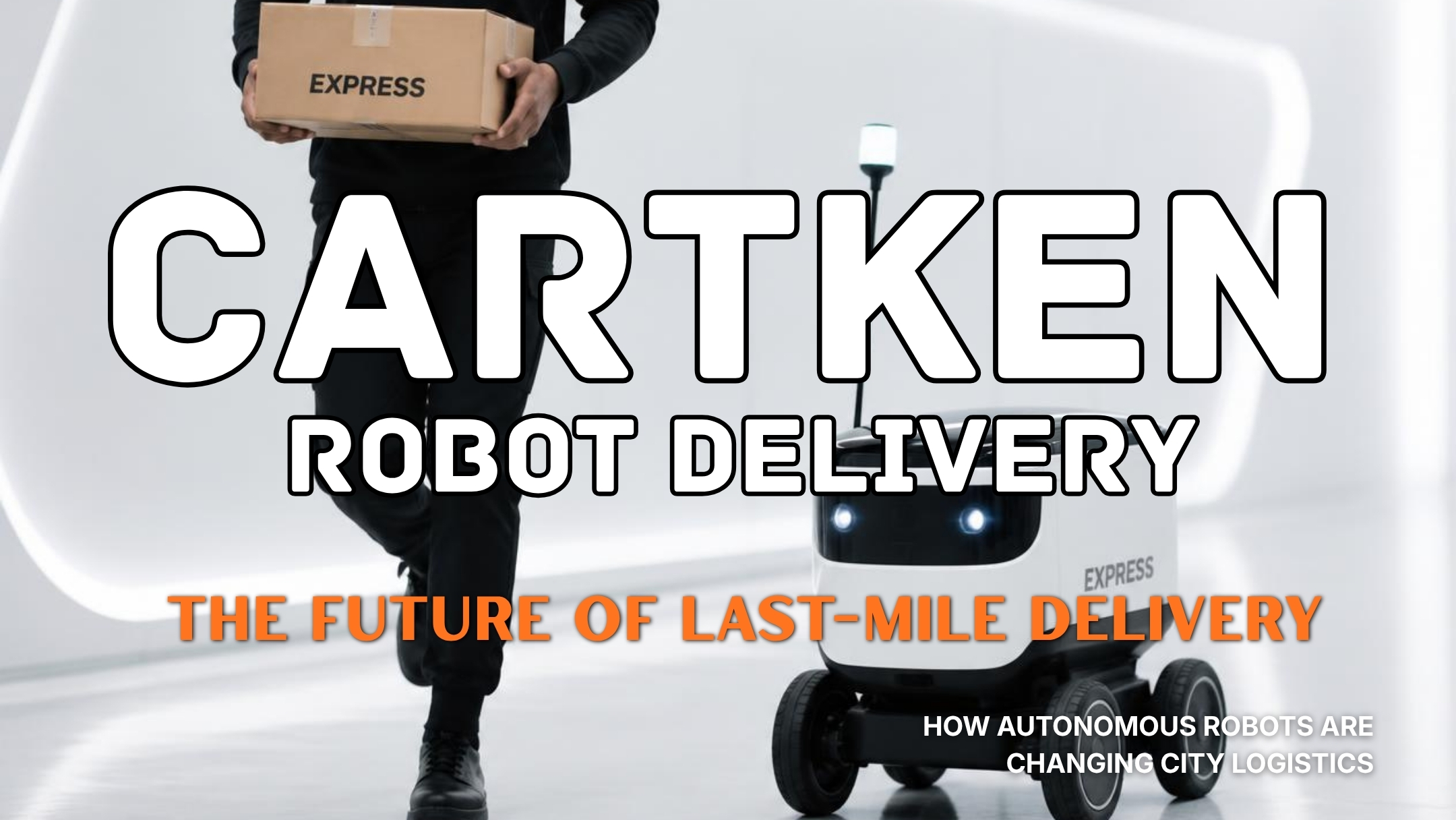
As cities become more crowded and e-commerce continues to grow, making last-mile delivery faster and more efficient has become a global challenge. Traffic congestion, labor shortages, and increasing environmental concerns are forcing businesses to rethink how goods move through urban areas. In Japan, one company addressing these issues is Cartken, an autonomous robot delivery service that brings orders directly to customers without relying on traditional delivery drivers.
Originally developed for real-world urban environments, Cartken combines autonomous robotics with a user-friendly ordering experience. Customers can place an order through their smartphone and have groceries, meals, or other everyday items delivered to a designated pickup location by a self-driving robot. The service also supports temperature-sensitive deliveries, making it suitable for fresh food and other perishable products while providing a safe and convenient experience for city residents.
The challenges Cartken addresses are far from unique to Japan. Cities worldwide face rising delivery demand, workforce shortages, and increasing pressure to reduce carbon emissions. As a result, autonomous delivery solutions are attracting growing interest from businesses, municipalities, and technology companies worldwide. In this article, we'll explore how Cartken works, what makes it different from traditional delivery services, where it is already being used, and why it could play an important role in the future of urban logistics.
Cartken Overview
Cartken is an autonomous sidewalk delivery service that utilizes self-driving robots equipped with advanced AI and mapping systems to automate last-mile logistics. By transporting meals, groceries, and parcels directly to designated pickup locations, the platform offers an eco-friendly, contactless alternative to traditional courier services. Below, we examine how the service is structured and outline the corporate profile of the company behind its development.
Meet Cartken: The Delivery Robot Navigating City Streets
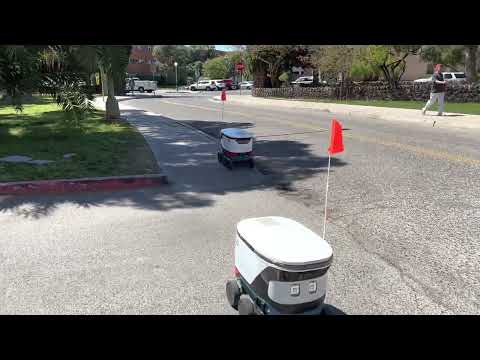
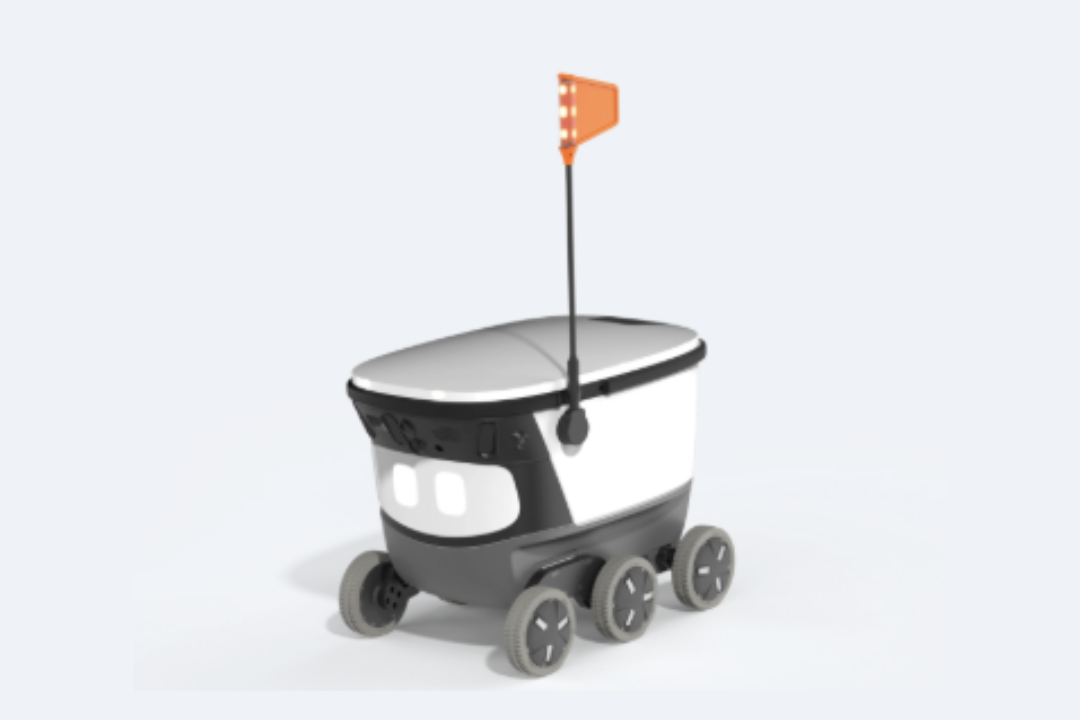
Cartken is a next-generation delivery service that uses autonomous robots to transport goods over the final stage of the delivery journey, commonly known as the "last mile." Compact robots travel along sidewalks and pedestrian pathways to deliver restaurant meals, groceries, and everyday essentials directly to customers. Using a smartphone app, users can place an order, track the robot's location in real time, and unlock the delivery compartment when it arrives.
The service is commonly used for food delivery from restaurants and cafés, as well as grocery and convenience store orders. It has already found practical applications in environments such as university campuses, residential communities, and business districts, where frequent short-distance deliveries can be automated efficiently. Because customers receive their orders without direct interaction with a delivery person, the system also aligns well with today's preference for contactless services.
Pricing is generally comparable to, or sometimes slightly lower than, conventional delivery services. By automating much of the delivery process, Cartken can reduce labor costs while keeping prices competitive for customers.
The service benefits a wide range of users, including busy professionals, students, families, and anyone seeking greater convenience. At the same time, restaurants and retailers facing ongoing labor shortages can use Cartken to improve operational efficiency and reduce staffing pressures. Rather than serving as just another delivery option, Cartken represents a new approach to how goods move through modern cities.
More Than Delivery: How Cartken Is Redefining Urban Infrastructure
What truly sets Cartken apart is its vision of transforming delivery from a simple transportation service into part of a city's everyday infrastructure. Traditional delivery systems depend almost entirely on human drivers, making them vulnerable to labor shortages and rising operational costs. Cartken replaces much of this dependency with autonomous robots capable of operating independently in real urban environments.
Its technology combines advanced artificial intelligence with multiple cameras and sensors that continuously monitor the surrounding environment. The robots can detect pedestrians, avoid obstacles, and safely navigate narrow sidewalks and busy city streets. Designed specifically for dense urban environments, they can operate where many larger autonomous vehicles cannot.
Sidewalk Navigation and Smartphone Retrieval
Customers also benefit from a transparent delivery experience. Through the mobile app, users can monitor their order in real time and know exactly when the robot will arrive. This visibility helps build confidence in an entirely new way of receiving deliveries.
Beyond convenience, the experience itself is part of Cartken's appeal. Watching a robot arrive with your order feels futuristic, particularly for younger consumers and technology enthusiasts. Receiving products through a fully autonomous system offers a memorable experience that goes beyond simple practicality.
Environmental sustainability is another major advantage. Small electric delivery robots consume far less energy than conventional delivery vehicles and can help reduce traffic congestion and carbon emissions. By combining innovative technology, customer experience, and sustainability, Cartken offers a compelling alternative to traditional urban delivery systems.
From Campus to City Streets: Where Cartken Is Already Making Deliveries
Source: Cartken Homepage
Cartken is already being deployed in a variety of real-world environments, particularly in places where large numbers of people move around every day, and demand for fast deliveries is high. One of the most successful use cases has been university campuses. Large campuses often require students and faculty to spend significant time walking between buildings. Still, with Cartken, orders can be delivered directly to designated pickup points, saving time and making daily routines more convenient.
The service is also gaining traction in the food and beverage industry. Restaurants and cafés frequently struggle with staffing shortages during peak meal hours, making food delivery difficult to scale efficiently. By incorporating autonomous delivery robots into their operations, businesses can reduce pressure on staff while maintaining fast and reliable service. This is particularly valuable in locations and time periods where hiring enough delivery personnel is challenging.
Residential neighborhoods and office districts have also become promising deployment areas. For short-distance deliveries of groceries, snacks, and everyday essentials, Cartken provides quick, efficient transportation that reduces delivery delays and operating costs while improving the customer experience.
Rather than serving just one industry, Cartken is being adopted across education, food service, and retail. Its flexibility allows organizations in different sectors to solve unique logistical challenges while offering customers a more convenient and engaging delivery experience.
The Invisible Technology Behind a Reliable Service
Although Cartken's robots appear simple from the outside, they are powered by sophisticated engineering and rigorous safety systems. Each robot is equipped with multiple cameras and advanced sensors that continuously monitor pedestrians, obstacles, and surrounding road conditions. This allows the robots to navigate busy sidewalks and urban environments safely and autonomously.
The company continuously refines its technology through extensive real-world testing and simulation. Robots are evaluated under different weather conditions, lighting environments, and varying levels of pedestrian traffic to ensure reliable operation throughout the day. Regular software updates further improve navigation performance and operational stability.
Safety is another major priority. Cartken incorporates remote monitoring systems, emergency stop functions, and operational safeguards to protect both users and pedestrians. The delivery compartment is securely locked throughout transit and can only be opened by the intended customer, providing additional protection for delivered goods.
These technologies and operational procedures make Cartken far more than an experimental robotics project. They establish it as a dependable commercial delivery platform that users can trust in everyday situations.
How Users Are Experiencing a New Kind of Everyday Convenience
Source: Cartken Homepage
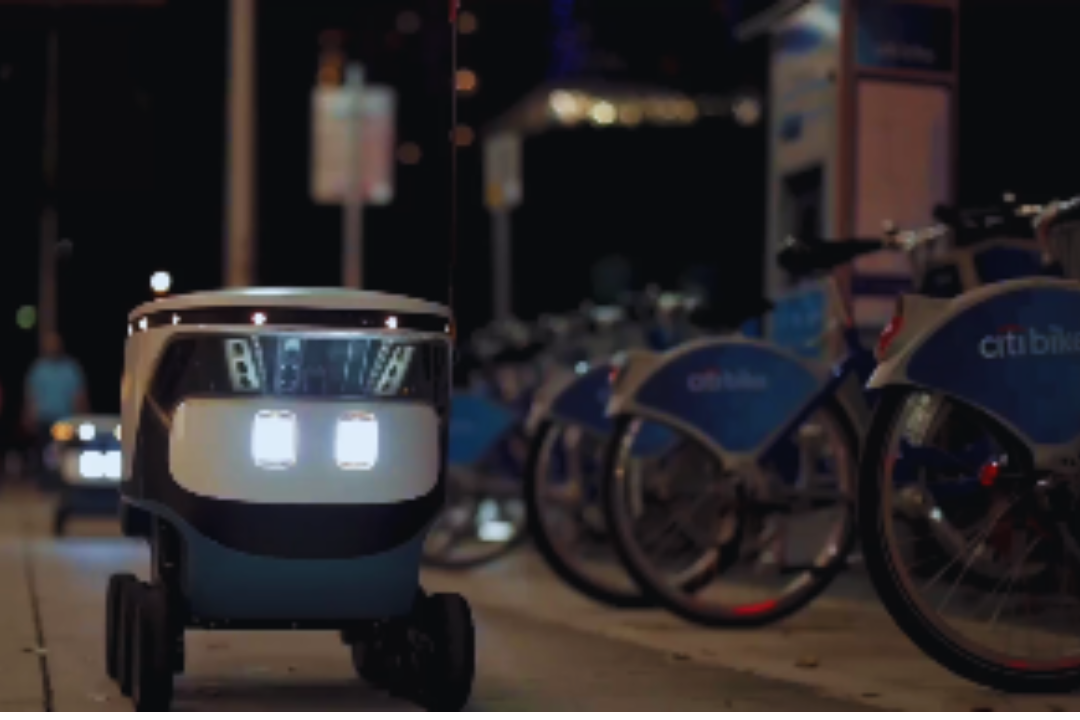
People who have used Cartken often praise both its practicality and the novelty of the experience. One of the most common reactions is that simply placing an order through an app and watching a robot arrive with the delivery feels surprisingly futuristic. Unlike traditional delivery services, there is no need to coordinate with a courier, making pickup faster, smoother, and completely contactless.
From College Campuses to Business Districts
Students on university campuses have highlighted how convenient it is to receive meals between classes without leaving campus buildings. Many also mention that waiting for the robot with friends becomes an enjoyable experience in itself. Office workers appreciate avoiding crowded lunch lines while receiving meals quickly during busy workdays.
Cartken has also attracted considerable attention on social media. Videos of the robots traveling through city streets and delivering orders have generated enthusiastic reactions, with many users describing the experience as "living in the future" or saying the robots are so charming that they cannot resist recording them.
This combination of convenience and memorable customer experience helps explain Cartken's growing popularity. Instead of treating delivery as a purely functional service, it transforms an everyday task into something people genuinely enjoy.
Transforming Last-Mile Delivery Around the World
Although Cartken has gained attention in Japan, its long-term potential extends far beyond the country. As urban populations continue to grow and e-commerce expands worldwide, improving last-mile delivery has become a global challenge. Traditional courier-based delivery models face rising labor costs and persistent driver shortages, creating strong demand for automated alternatives.
Cartken addresses these issues with a practical autonomous delivery solution. Small delivery robots are less affected by road congestion than conventional vehicles and perform particularly well for short-distance deliveries. Contactless delivery also aligns with changing consumer expectations regarding hygiene and convenience.
The concept is likely to resonate in many international markets. Regions such as North America, Europe, and technologically advanced Asian cities have shown growing interest in robotics, smart city infrastructure, and automated services. In addition, the robots' lower environmental impact supports government initiatives focused on sustainability and reducing transportation emissions.
As Cartken adapts to local traffic regulations, infrastructure, and operational requirements in different countries, it could reshape urban logistics on a global scale. Rather than remaining simply a Japanese innovation, it could become part of the future of smart city transportation worldwide.
Why Robot Delivery Became Necessary
Source: Cartken Homepage
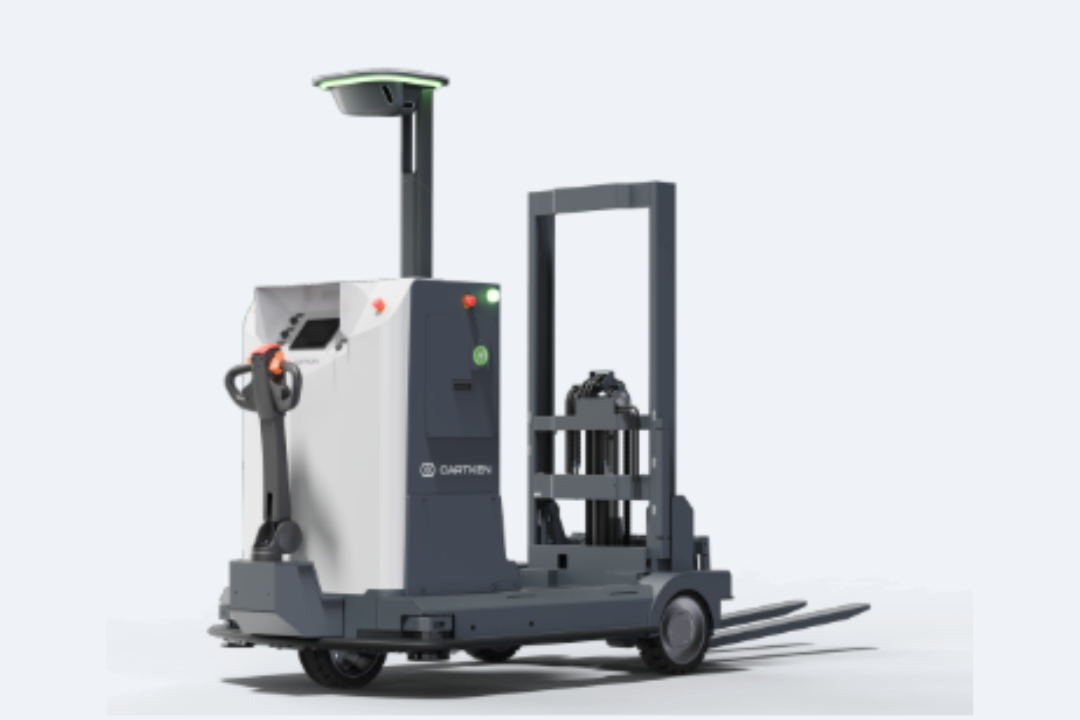
The emergence of services like Cartken is closely tied to the growing challenges surrounding last-mile delivery worldwide. The rapid expansion of e-commerce has dramatically increased the number of packages requiring delivery, while many countries struggle with driver shortages and rising labor costs. In densely populated cities, traffic congestion and limited parking further reduce delivery efficiency.
The COVID-19 pandemic also accelerated demand for contactless services. Consumers became increasingly interested in safer ways to receive food and goods without face-to-face interactions, highlighting the need for more flexible delivery solutions.
Cartken was developed to address these issues by reducing dependence on human couriers. Autonomous robots help alleviate labor shortages while improving delivery efficiency, lowering operating costs, and creating a more stable logistics network.
Environmental sustainability is another important driver. Traditional vehicle-based deliveries contribute to greenhouse gas emissions, whereas compact autonomous robots consume significantly less energy and support cleaner urban transportation.
Viewed from this perspective, Cartken represents more than an exciting technological advancement. It is a practical response to several major social and economic challenges that are becoming increasingly important worldwide.
From Pilot Programs to Real-World Operations
Cartken has steadily progressed from pilot testing to commercial deployment in Japan. One of its most notable implementations has been on university campuses and within other controlled environments where infrastructure is well suited for autonomous delivery. These locations provide ideal conditions for evaluating the technology while delivering tangible benefits to users.
The company has also partnered with Japanese businesses to explore new logistics models. One example includes combining autonomous delivery with food waste reduction initiatives, allowing unsold food to be delivered efficiently to consumers. This approach creates value by improving both sustainability and operational efficiency.
Media coverage has increasingly highlighted Cartken as part of the next generation of logistics technology. At the same time, videos of the robots traveling through public spaces continue to attract attention across social media. Many people describe the robots as offering a glimpse into what future cities could look like.
Although deployments remain concentrated in selected locations, Cartken has successfully demonstrated that autonomous delivery can function reliably in real-world environments. These early implementations provide an important foundation for broader expansion in Japan and eventually overseas.
Conclusion
Cartken presents a compelling vision for the future of last-mile delivery by combining autonomous robotics, artificial intelligence, and smart urban logistics into a practical commercial service. It addresses several of today's most pressing challenges, including labor shortages, rising delivery costs, traffic congestion, and environmental sustainability, while simultaneously creating a more engaging customer experience.
As cities around the world continue to urbanize and online shopping becomes even more deeply integrated into everyday life, demand for efficient autonomous delivery solutions is expected to grow. Through partnerships with businesses, universities, municipalities, and retailers, Cartken could become an important component of future smart city infrastructure.
More than simply replacing human couriers, Cartken reimagines how goods move through urban environments. By making deliveries faster, safer, more sustainable, and more enjoyable, it offers a practical glimpse into what everyday life may look like in the connected cities of tomorrow.
FAQ About Cartken
1. What Is Cartken?
Cartken is an autonomous last-mile delivery service that uses self-driving robots to transport food, groceries, and other everyday items. The compact robots travel along sidewalks and deliver orders directly to designated pickup locations, making local deliveries more efficient and convenient.
2. How Does Cartken Deliver Orders?
Cartken's robots use a combination of cameras, sensors, and artificial intelligence to detect their surroundings and navigate safely to their destinations. Customers can track their delivery in real time using a smartphone app and retrieve their order once the robot arrives.
3. What Types Of Products Can Cartken Deliver?
Cartken primarily delivers small items such as restaurant meals, beverages, groceries, and everyday essentials. The exact products available depend on the retailer or service partner, but the platform is designed for items commonly used in daily life.
4. Why Is Cartken Commonly Used On University Campuses?
Large university campuses often require students and staff to travel long distances between buildings, making autonomous delivery especially practical. Campuses also typically have lower vehicle traffic than public streets, providing a suitable environment for both pilot programs and regular operations.
5. Can Cartken Operate In The Rain?
Cartken robots are designed to operate in a range of weather conditions, including light rain, depending on the deployment environment. However, safety remains the top priority so operations may be limited or temporarily suspended during severe weather.
6. What Problems Does Cartken Solve For The Delivery Industry?
Cartken helps address several major challenges, including driver shortages, rising labor costs, and inefficient last-mile delivery. By automating short-distance deliveries, the service can improve productivity while reducing operational costs for businesses.
7. What Makes Cartken Different From Other Robot Delivery Services?
Cartken was developed specifically for autonomous sidewalk navigation in real urban environments. Its emphasis on safe operation, reliable navigation, and seamless integration into everyday city life sets it apart from many experimental robotic delivery systems.
8. Could Cartken Be Expanded Internationally?
Yes. Growing e-commerce demand and labor shortages are global challenges, creating increasing interest in autonomous delivery solutions. While expansion would require compliance with each country's traffic regulations and legal framework, Cartken's business model has strong international potential.
9. What Industries Could Benefit From Cartken In The Future?
Beyond food delivery and retail, Cartken could support industries such as healthcare, hospitality, logistics, and pharmaceutical distribution. As autonomous driving technology continues to advance, its applications are expected to expand into many additional sectors.
10. What Does The Future Hold For Cartken?
As artificial intelligence and autonomous navigation technologies continue to improve, Cartken is expected to expand both its service areas and the range of products it can deliver. It could become an important part of smart city infrastructure and next-generation urban logistics.
Related Videos
If you're interested in how autonomous technology is transforming urban logistics, the video below shows robot delivery services in action. Cartken demonstrates how compact delivery robots can help move food and goods efficiently through cities.