Japan has become a global leader in automated retail, from self-checkout convenience stores to cashier-free vending solutions. One of the country's newest retail concepts takes that innovation into fashion with SELFURUGI, an unstaffed vintage clothing store where customers browse, shop, and pay entirely on their own.
Operated by AVEND Inc., SELFURUGI combines Japan's growing expertise in unmanned retail with the booming global demand for secondhand fashion. Instead of interacting with sales staff, shoppers can browse freely, choose items at their own pace, and complete their purchase using a self-checkout system.
This retail model offers a very different experience from a traditional vintage clothing shop. For many people, especially first-time thrift shoppers, browsing without feeling pressured by sales staff makes the experience more comfortable and approachable. As SELFURUGI expands across Japan, it is attracting attention as a unique example of how technology can reshape the fashion retail experience.
The timing is significant. Around the world, demand for secondhand clothing continues to grow as consumers become more conscious of sustainability and circular fashion. With the fashion industry facing increasing scrutiny over its environmental impact, resale and reuse have become important alternatives to fast fashion. By combining vintage clothing with unmanned retail technology, SELFURUGI represents a business model that could appeal well beyond Japan.
In this article, we'll explore how SELFURUGI works, what makes it different from traditional thrift stores, and why this Japanese retail concept could attract international interest.
SELFURUGI Overview
SELFURUGI is an unstaffed vintage clothing store developed by AVEND Inc. Unlike conventional thrift shops, there are no employees on the sales floor. Customers simply walk in, browse the selection, and pay at a self-service checkout.
The concept is designed to make vintage shopping more relaxed and accessible. Without sales staff approaching customers, shoppers can take as much time as they like exploring different styles, making SELFURUGI particularly appealing to people who prefer a pressure-free shopping experience.
The stores primarily offer branded secondhand apparel, casual fashion, and carefully selected vintage pieces. Most items are priced between ¥1,000 and ¥5,000, making the collection affordable for students, young professionals, and anyone interested in sustainable fashion without spending a premium.
Because the stores operate without full-time sales staff, operating costs can be lower than at traditional apparel stores. Those efficiencies help support competitive pricing while maintaining a carefully curated selection of clothing.
Many SELFURUGI locations also operate 24 hours a day, allowing customers to shop whenever it fits their schedule. Whether stopping by after work or visiting late at night, shoppers enjoy a level of convenience that is uncommon for traditional vintage stores.
More than simply selling secondhand clothing, SELFURUGI combines Japan's reuse culture with a modern retail format. The result is a shopping experience that makes vintage fashion easier to enjoy while encouraging clothing reuse and more sustainable consumption.
SELFURUGI: AVEND's Unstaffed Vintage Clothing Store
SELFURUGI is AVEND's flagship unmanned thrift store concept, offering a shopping experience that removes many of the barriers people associate with traditional vintage stores. Instead of browsing alongside staff or checking out with an associate, customers independently select items and pay at a self-service register.
Using the store is straightforward. Shoppers simply enter, browse the clothing racks, choose the pieces they want, and pay through the automated checkout system. Many locations also support cashless payment methods, making purchases quick and convenient.
Most clothing is priced between ¥1,000 and ¥5,000, with selections ranging from branded secondhand apparel to casual everyday fashion. The lower operating costs made possible by an unstaffed retail model allow the stores to offer attractive pricing while maintaining a broad inventory.
SELFURUGI has become particularly popular among younger shoppers who enjoy vintage fashion but appreciate the freedom to browse without interruption. Beyond consumers, the concept has also drawn interest from professionals in both the retail and reuse industries as an example of how automation can transform physical shopping environments.
By combining secondhand fashion with labor-saving retail operations, SELFURUGI demonstrates a fresh approach to brick-and-mortar retail that could influence how vintage clothing is sold in the future.
A Different Kind of Vintage Shopping Experience
SELFURUGI's defining feature is simple but innovative. It operates a vintage clothing store without in-store staff.
In a conventional thrift shop, employees typically handle customer service, answer questions, and process payments. SELFURUGI replaces those interactions with a self-service model that allows customers to browse independently before paying at an automated checkout. This streamlined operation helps reduce labor costs, which in turn contributes to relatively affordable pricing.
The experience also removes a psychological barrier that some shoppers associate with vintage stores. While many people enjoy secondhand fashion, others feel intimidated by boutique environments or worry about being approached by sales staff while browsing. SELFURUGI addresses this by creating a relaxed atmosphere where customers can shop entirely at their own pace.
A Vintage Store Designed to Let Shoppers Browse Freely
This freedom has proven especially attractive to younger consumers who value independence and prefer self-service experiences. Rather than feeling rushed or observed, shoppers can spend as much time as they like exploring unique one-of-a-kind pieces.
The unmanned model also gives stores greater flexibility in their operating hours. Some SELFURUGI locations remain open 24 hours a day, allowing customers to shop whenever it is convenient instead of being limited by traditional retail schedules.
By bringing together Japan's well-established reuse culture and advances in automated retail, SELFURUGI offers more than a new way to buy secondhand clothing. It presents a modern shopping experience that reflects changing consumer preferences while introducing an innovative approach to operating physical fashion stores.
Why SELFURUGI Was Created: Making Thrift Shopping More Accessible
Source: SELFURUGI Homepage
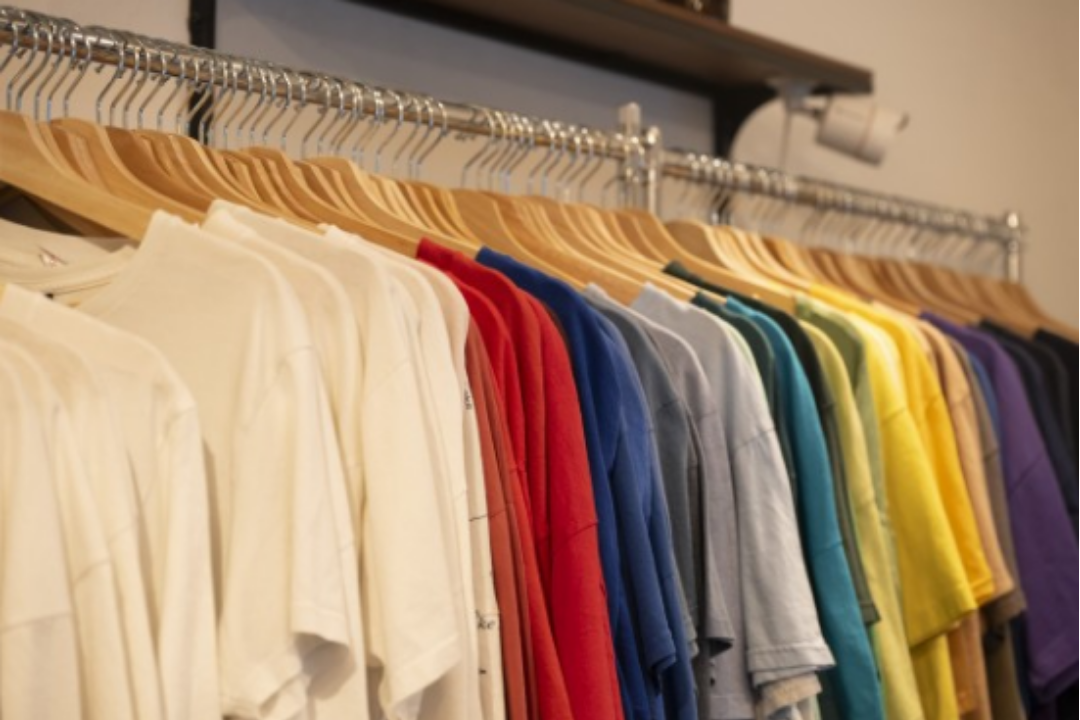
SELFURUGI was born at the intersection of two major trends: the rapid growth of the secondhand fashion market and the transformation of the retail industry. Around the world, more consumers are embracing pre-owned clothing as interest in sustainable living, circular fashion, and individual style continues to grow. At the same time, many people still feel intimidated by traditional vintage stores. Some worry about interacting with staff, while others simply prefer browsing without feeling pressured.
Recognizing these changing consumer preferences, AVEND developed SELFURUGI as a new kind of retail experience. By combining unmanned store operations with secondhand fashion, the company aimed to remove many of the barriers that discourage people from shopping for used clothing.
Giving Shoppers the Freedom to Browse on Their Own
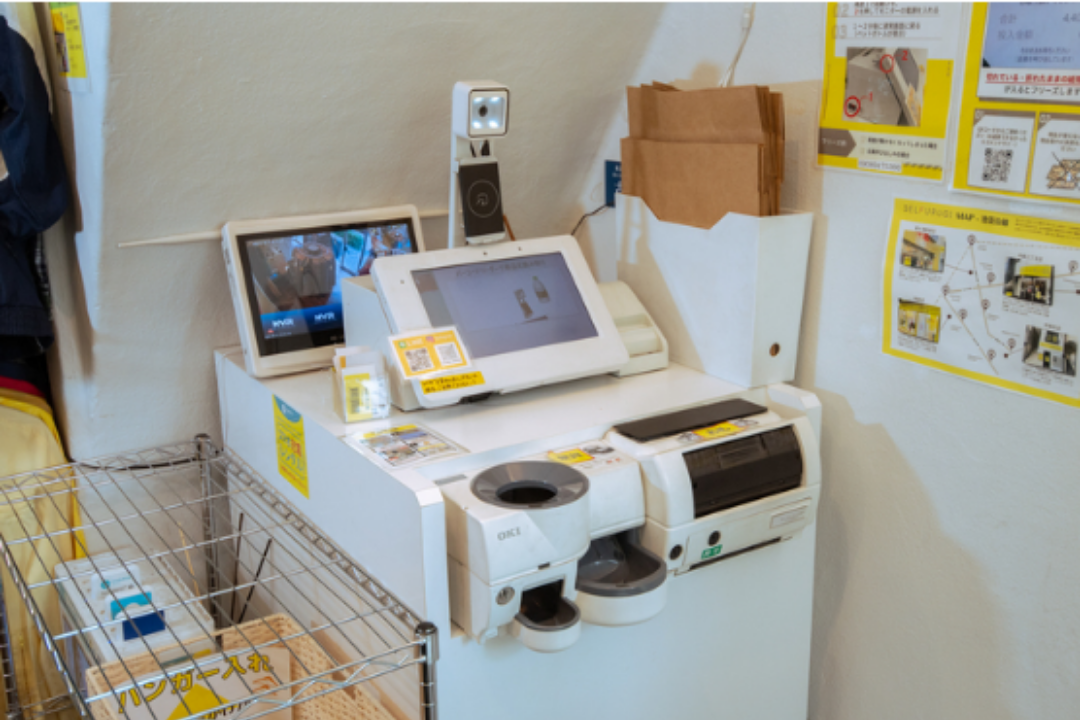
At SELFURUGI, customers can browse at their own pace, choose the items they like, and complete purchases through a self-checkout system without staff assistance. This creates a relaxed shopping environment while also allowing the business to operate more efficiently by reducing staffing costs.
By combining Japan's growing unmanned retail technology with the global rise of reuse culture, SELFURUGI offers a modern shopping experience designed to make secondhand fashion more approachable for everyone.
From Shopping Centers to Roadside Locations
SELFURUGI has been expanding its network of unmanned vintage clothing stores across Japan, with locations appearing in commercial districts, residential neighborhoods, and other convenient areas. Because the stores require relatively little space, they can open in locations where traditional fashion retailers might struggle to operate profitably, including small vacant retail units and roadside properties.
Flexible Store Expansion
Stores located inside shopping centers or near train stations give shoppers a convenient place to browse for clothing while running errands or commuting. Since purchases are completed through self-checkout, customers can finish their shopping quickly without waiting in line, making the concept particularly well suited for busy urban areas.
The business model also works well in suburban locations. Traditional apparel stores often face significant labor and operating costs, making smaller stores difficult to sustain. SELFURUGI's unmanned format reduces these costs, allowing stores to operate efficiently even in compact spaces.
Beyond retail innovation, SELFURUGI also contributes to the growing movement toward sustainable fashion. By offering affordable secondhand clothing, the company encourages clothing reuse while making vintage fashion accessible to a broader audience. As a result, SELFURUGI is attracting attention not only as a new retail concept but also as part of Japan's expanding reuse economy.
Maintaining Quality Through Careful Product Selection
Although every item sold at SELFURUGI is secondhand, products are carefully inspected before they reach the sales floor. Because each garment has its own condition, items are evaluated for wear, stains, and overall quality to ensure they meet resale standards.
Many products are also cleaned and maintained before being displayed, helping ensure a pleasant shopping experience. Because the condition of secondhand clothing plays a major role in purchasing decisions, pricing is determined with careful consideration of each item's quality. The store offers a wide selection of branded vintage pieces and casual apparel while balancing affordability and product quality.
As an uncrewed retail operation, SELFURUGI also relies on security cameras, digital payment systems, and store management technology to operate safely. These systems help create a secure shopping environment while supporting efficient day-to-day operations.
Together, careful inventory management and technology-driven store operations allow SELFURUGI to maintain the quality expected from a trusted secondhand clothing retailer.
Lowering the Barriers to Buying Secondhand Fashion
The idea behind SELFURUGI extends beyond simply operating stores without employees. The company wants to make secondhand fashion feel more approachable for everyone.
Vintage clothing has become increasingly popular worldwide, not only because of its unique style but also because it supports more sustainable consumption by extending the life of garments. However, some people still hesitate to visit traditional thrift stores because they find the atmosphere intimidating or feel uncomfortable interacting with staff. This can be especially true for first-time shoppers.
To address these concerns, AVEND designed SELFURUGI around independent shopping. Without sales staff present, customers can browse freely, take their time, and make purchasing decisions without pressure. The result is a more relaxed retail environment that lowers the psychological barriers often associated with secondhand shopping.
The model also responds to broader retail challenges, including labor shortages and rising operating costs. By combining unmanned store management with the growing popularity of resale fashion, SELFURUGI aims to make sustainable shopping more accessible while introducing a new approach to modern retail.
Future Growth for Japan's Unmanned Vintage Retail Model
Source: SELFURUGI Homepage
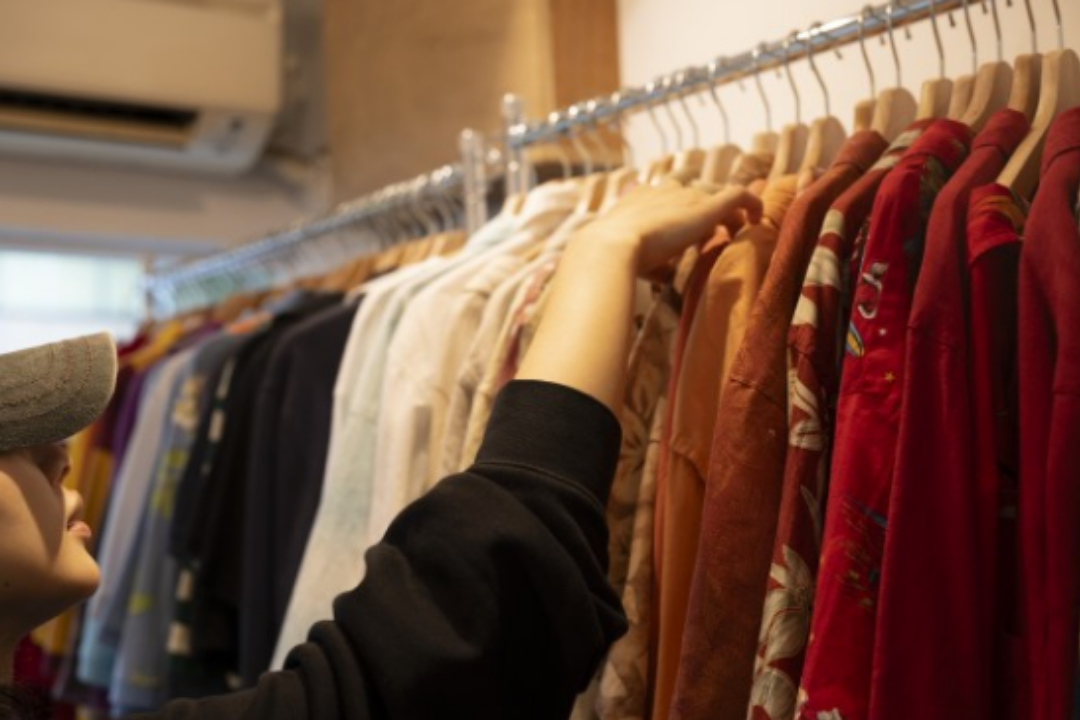
SELFURUGI is expected to continue expanding as interest in unmanned retail and secondhand fashion grows. Because the concept can operate successfully in relatively small spaces, new locations can be opened in shopping centers, roadside properties, vacant storefronts, and other flexible retail environments. This gives the company opportunities to expand beyond major cities into regional markets across Japan.
Building brand recognition will also play an important role in its future growth. The idea of an unmanned thrift store naturally attracts attention on social media, particularly among younger consumers who enjoy discovering unique shopping experiences. User-generated content, videos, and online reviews help introduce the concept to new audiences while strengthening the brand's visibility.
Internationally, the outlook is also promising. The global secondhand fashion market continues to grow across North America, Europe, and Asia, while retailers worldwide are increasingly exploring labor-saving technologies. These trends create opportunities for unmanned retail concepts like SELFURUGI to gain interest outside Japan.
By combining sustainable fashion with innovative retail technology, SELFURUGI could evolve into a retail model that resonates with consumers both domestically and internationally.
Customer Reactions: A More Relaxed Way to Shop for Vintage Clothing
SELFURUGI's unique approach to retail has generated interest through social media and customer word of mouth. Unlike traditional thrift stores, shoppers can browse without interacting with staff, allowing them to take their time and enjoy the experience at their own pace.
Many customers appreciate this relaxed atmosphere. Reviews often mention that the stores feel easy to enter, even for people who were previously hesitant about shopping for vintage clothing. Others highlight the convenience of visiting late at night or outside normal retail hours at locations that operate around the clock.
The self-checkout process also receives positive feedback, with many shoppers describing it as simple, intuitive, and efficient.
Social media has played an important role in spreading brand awareness. On platforms such as Instagram, X, and YouTube, visitors frequently share photos of the stores, showcase their purchases, and introduce the concept of an unmanned thrift shop to new audiences. These posts spark curiosity and encourage others to visit.
Like many secondhand stores, every visit offers the excitement of discovering one-of-a-kind pieces. SELFURUGI enhances this treasure-hunting experience by giving shoppers complete freedom to browse without interruption.
Growing Recognition Across Japan
As SELFURUGI continues to expand across Japan, the brand has gradually gained recognition through media coverage and social media. Its unmanned retail format stands out as an innovative shopping concept, attracting attention from younger consumers as well as professionals interested in retail innovation.
News articles and online publications have featured SELFURUGI as an example of how technology is reshaping physical retail. Meanwhile, social media users regularly share videos and photos of their visits, helping introduce the concept to people who may never have encountered an unmanned clothing store before.
The flexible store format also supports expansion into a wide variety of locations. Because SELFURUGI requires relatively little retail space, it can make effective use of vacant commercial properties while introducing a different approach from conventional apparel stores.
Through continued store openings, online visibility, and customer engagement, SELFURUGI is steadily establishing itself as one of Japan's most recognizable examples of unmanned fashion retail.
Global Potential: Combining Sustainable Fashion With Unmanned Retail
Source: SELFURUGI Homepage
Although SELFURUGI originated in Japan, its business model has potential far beyond the domestic market.
Worldwide demand for secondhand clothing continues to rise as consumers become more conscious of environmental issues and seek more sustainable ways to shop. In North America and Europe especially, resale fashion has become a rapidly growing industry, supported by increasing interest in extending the lifespan of clothing and reducing textile waste.
At the same time, retailers worldwide are looking for ways to improve efficiency as labor costs continue to rise. Unmanned stores and self-checkout technologies are becoming increasingly common, making SELFURUGI's retail model relevant to international markets as well.
Cities with established vintage shopping cultures, including many in the United States and Europe, could be natural markets for this concept. Growing interest in resale fashion across Asia also presents opportunities, particularly in urban areas where compact retail spaces and automated operations can be highly effective.
The ability to shop independently, without sales pressure, also aligns with the growing popularity of self-service retail worldwide. By combining sustainable fashion with technology-driven store operations, SELFURUGI offers a concept that could appeal to consumers across a wide range of international markets.
Conclusion
SELFURUGI represents a distinctive retail concept that combines Japan's advances in unmanned store technology with the growing global demand for sustainable fashion. As secondhand clothing continues gaining popularity and retailers search for more efficient ways to operate, the company's business model reflects two powerful trends shaping the future of commerce.
For overseas businesses, SELFURUGI shows how compact store layouts, automated operations, and lower staffing requirements can create a flexible, cost-efficient retail model. Since resale fashion already enjoys strong demand in many international markets, the concept could potentially be adapted through partnerships with local retailers, vintage clothing suppliers, or resale platforms.
At the same time, international expansion could help introduce Japanese retail innovation to a broader audience while strengthening the global presence of the SELFURUGI brand.
By combining circular fashion with unmanned retail technology, SELFURUGI offers more than just a new way to shop for vintage clothing. It presents a fresh vision for how sustainable, customer-friendly retail could evolve both in Japan and around the world.
FAQ About SELFURUGI
1. How Does Trying On Clothes Work at SELFURUGI?
Whether fitting rooms are available depends on the individual store. Some locations provide fitting rooms, while others do not due to space limitations or their operating model. If you find an item you're interested in, it's a good idea to carefully check the size and condition before purchasing. Reviewing the store's guidelines or the official website before visiting can also help you understand what services are available.
2. Is It Safe to Shop at an Unmanned Store?
SELFURUGI uses security cameras and self-checkout systems to create a safe and comfortable shopping environment. Stores are also regularly restocked, inspected, and cleaned to ensure a pleasant experience, even without on-site staff. The goal is to provide a store that customers can visit with confidence and convenience.
3. What Kind of Clothing Does SELFURUGI Sell?
Product selection varies by location, but stores typically offer a wide range of vintage apparel, including branded clothing, casual wear, tops, pants, jackets, and outerwear. Since most secondhand items are one of a kind, the same product may not be available again once it's sold. This constantly changing inventory is one of the attractions of shopping at SELFURUGI and appeals to anyone looking to expand their wardrobe with unique finds.
4. Does SELFURUGI Accept Cashless Payments?
Many SELFURUGI stores support cashless payment methods, although available options vary by location. Depending on the store, customers may be able to pay using credit cards, QR code payment services, or electronic money. Checking accepted payment methods before your visit is recommended. The self-checkout system also helps make the payment process quick and efficient.
5. Are There Benefits to Unmanned Stores Beyond Lower Labor Costs?
Yes. In addition to reducing staffing costs, unmanned stores can operate in smaller retail spaces, making it easier to open locations in a variety of settings. They also offer greater flexibility in operating hours, allowing customers to shop when it's most convenient for them. For shoppers who prefer browsing without sales staff, the self-service format provides a more relaxed shopping experience.
6. Does Buying Secondhand Clothing Help the Environment?
Choosing secondhand clothing supports the reuse of garments that have already been produced, helping extend their lifespan. As a result, buying vintage clothing is increasingly viewed as one way to reduce demand for new apparel production and minimize textile waste. With sustainable fashion becoming more popular around the world, more consumers are incorporating secondhand clothing into their lifestyles.
7. Does SELFURUGI Offer Franchise Opportunities?
Franchise opportunities and partnership programs may change over time. If you're interested in opening a SELFURUGI location or exploring a business partnership, it's best to check AVEND's official website for the latest information. The company may also publish updates regarding expansion plans and business opportunities.
8. Could SELFURUGI Expand Internationally?
Given the continued growth of the global secondhand fashion market and increasing interest in unmanned retail, SELFURUGI has the potential to expand beyond Japan. Markets where self-checkout technology and labor-saving retail concepts are already common may be particularly receptive. However, successful international expansion would require adapting the business model to local regulations, consumer preferences, and retail practices.
9. Is SELFURUGI Suitable for First-Time Vintage Shoppers?
Yes. Because customers can browse independently without interacting with store staff, SELFURUGI offers an approachable environment for people who have never shopped at a vintage clothing store before. Shoppers can compare items at their own pace and enjoy discovering unique, one-of-a-kind pieces without feeling rushed or pressured.
10. Will More Unmanned Vintage Clothing Stores Appear in the Future?
As labor shortages, self-service retail, and interest in sustainable consumption continue to grow, unmanned stores are expected to attract increasing attention. Combined with the continued expansion of the secondhand fashion market, this retail model has the potential to become more common in the years ahead. Future growth may include not only more store locations but also broader product selections and additional services.