How Rentio Reinvented "Ownership-Free" Home Appliances: Japan's Subscription-Based Product Distribution Model
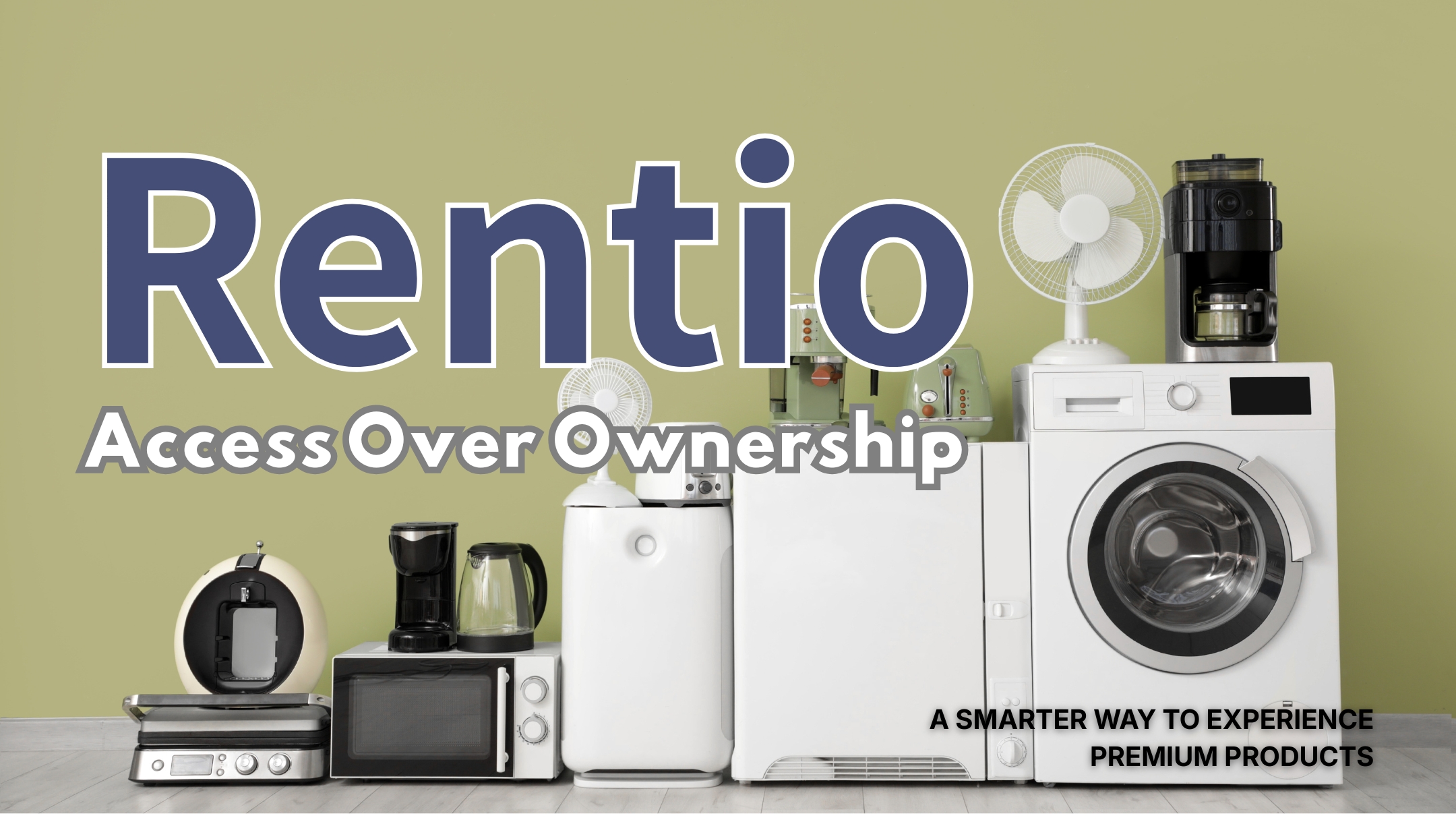
Around the world, more consumers are choosing access over ownership. Instead of purchasing expensive electronics outright, many people now prefer using products only when they need them. Despite this shift, traditional ownership still comes with significant drawbacks, including high upfront costs, limited storage space, and the challenge of disposing of products once they are no longer needed.
Japanese startup Rentio Inc. addresses these issues through Rentio, a subscription-based appliance rental platform that rethinks how consumer products are distributed and used. Rather than focusing solely on renting products, Rentio lets customers try premium devices before buying, rent them for short-term needs, or subscribe for long-term use. The service effectively redesigns the entire product ownership journey.
As sustainability and the circular economy become global priorities, choosing not to own products is no longer simply a matter of convenience. It is increasingly seen as a practical way to reduce waste and make better use of existing resources. While similar rental services exist in Europe and North America, Rentio's model has been refined within Japan's demanding consumer market, where expectations for product quality, cleanliness, and fast logistics are exceptionally high. These characteristics make it an interesting case study for businesses worldwide.
This article explores the challenges Rentio set out to solve, the thinking behind its business model, how the platform works in practice, and why its approach to product circulation may have applications far beyond Japan. Rather than viewing Rentio as just another rental company, we will examine it as an example of how modern product distribution can be redesigned.
Rentio Overview
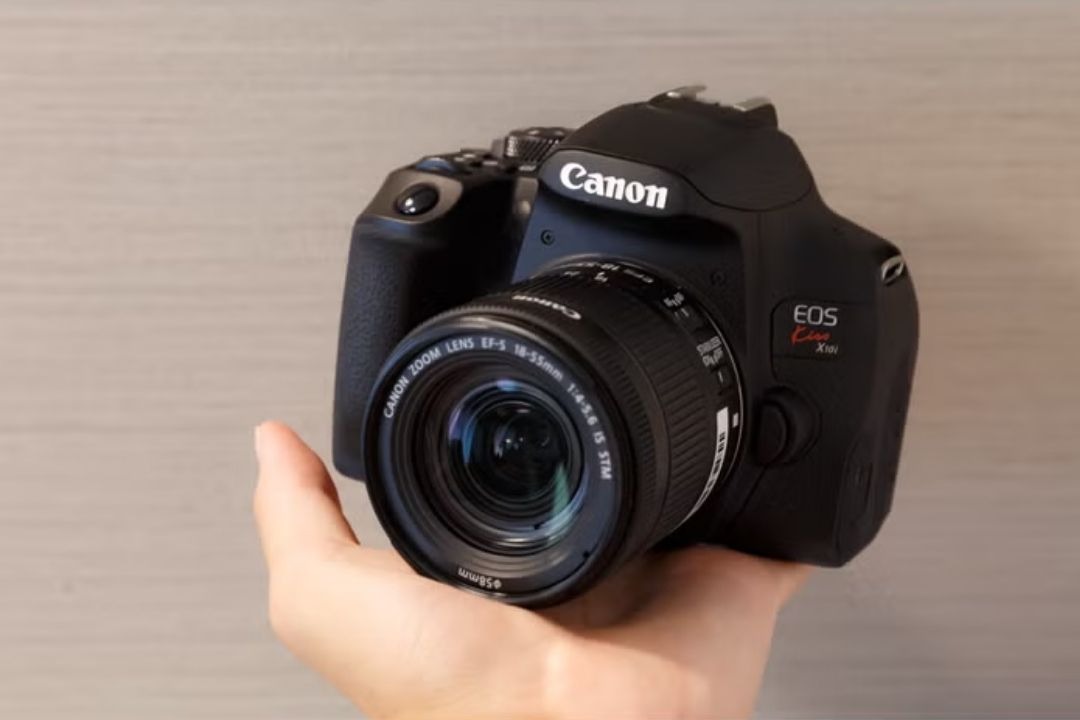
Rentio is a subscription-based rental service that gives consumers temporary access to cameras, home appliances, and a wide range of consumer electronics. Customers simply browse products online, select a rental period, and receive their order at home, often as soon as the following day. Once they finish using the product, they return it using the company's prepaid shipping process.
The platform supports a variety of use cases. Some customers rent products for only a few days before deciding whether to purchase them, while others subscribe monthly for longer-term use. This flexibility allows consumers to choose the option that best fits their needs without committing to ownership.
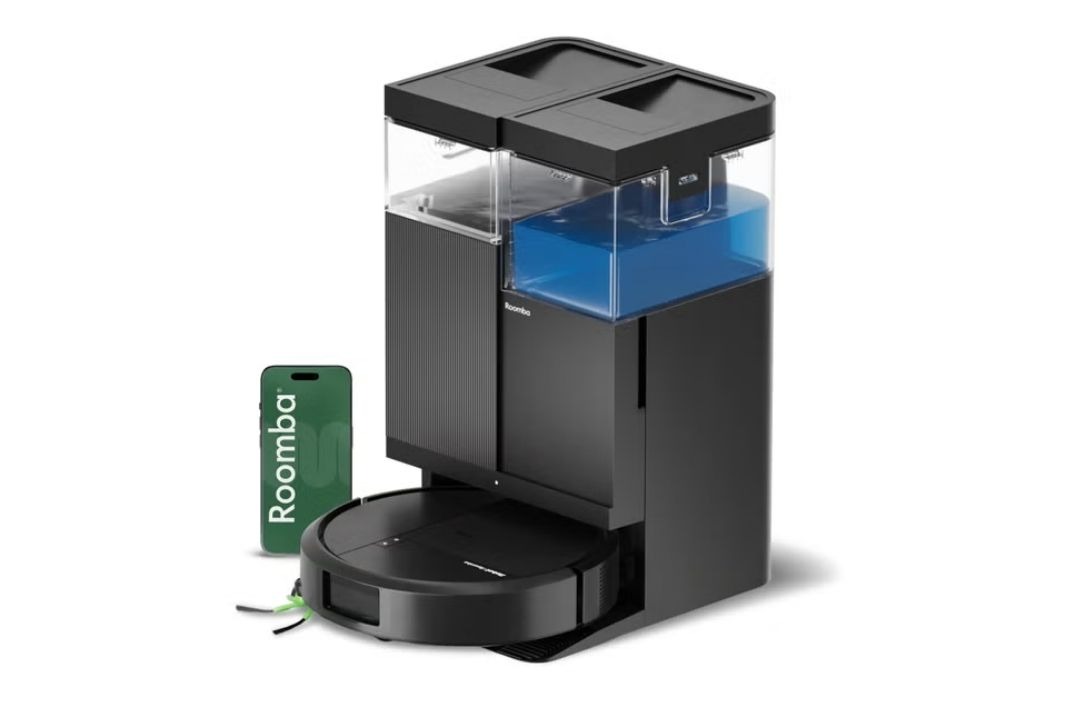
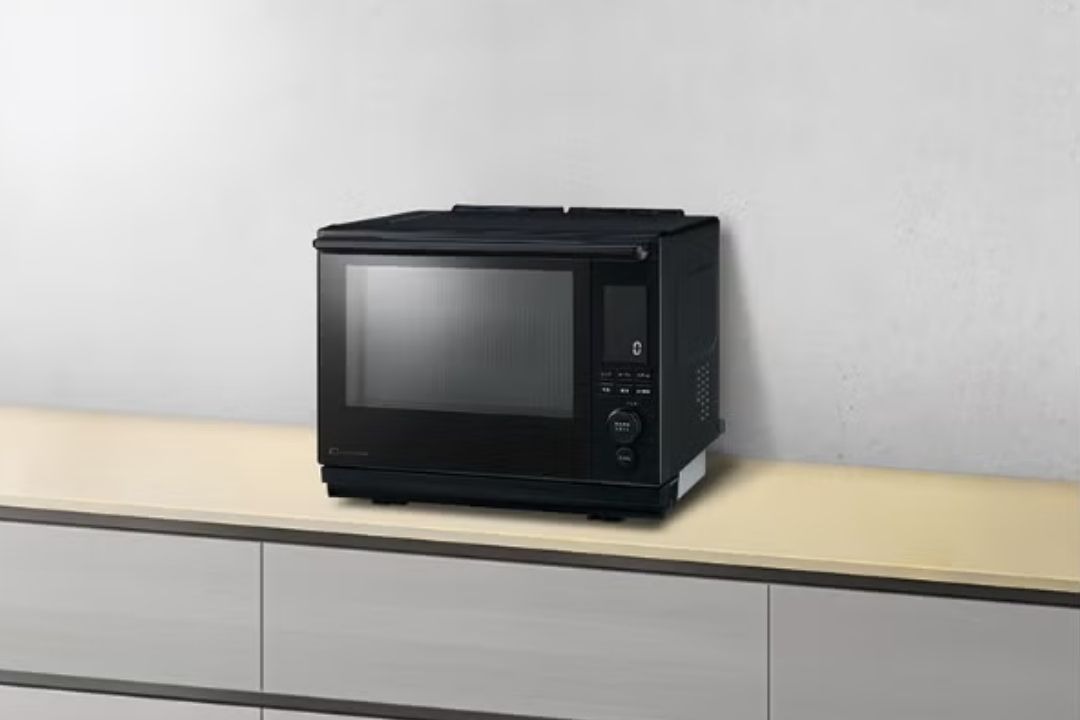
Rentio's catalog includes digital cameras, beauty devices, robot vacuum cleaners, kitchen appliances, and many other premium electronics. Every item undergoes quality inspection and maintenance before being shipped to the next customer. Rental prices vary by product, but many items are available from relatively affordable monthly fees, allowing users to experience expensive appliances without making a significant upfront investment.
Although primarily designed for consumers, the service is also increasingly used by businesses. Companies rent equipment for events, product testing, temporary office use, and proof-of-concept projects, making Rentio useful in both B2C and B2B environments.
Challenging the Ownership-Based Consumer Model
Source: Rentio Homepage
For decades, the home appliance industry has operated on a simple assumption: consumers purchase products and own them. Manufacturers produce goods, distribute them through retail channels, and consumers buy them expecting to use them for years. While this model was highly effective during the era of mass production and mass consumption, it no longer aligns perfectly with today's consumer behavior.
One major reason is the rising cost of consumer electronics. Premium products such as cameras, robot vacuum cleaners, and beauty devices frequently cost hundreds or even thousands of dollars. Yet many of these products are used only occasionally. A high-end camera, for example, may only come out during vacations or special events, while seasonal appliances and specialty kitchen equipment often sit in storage most of the year. In many cases, purchase costs are disproportionate to actual usage.
Japan's unique housing environment further complicates the issue. With limited living space, particularly in urban areas, storing bulky appliances or infrequently used devices can become a burden. As a result, consumers often face two common scenarios: wanting a product but hesitating to buy it, or purchasing it only to discover that it sees little use. Both outcomes create inefficiencies for consumers.
Rethinking the Traditional Model of Product Ownership
The industry itself also faced structural challenges. Manufacturers must continually introduce new products, but traditional retail channels offer few opportunities to reach hesitant potential customers. Since the conventional sales model depends on a buying decision before consumers can experience a product, premium devices often struggle to generate meaningful customer engagement.
Against this backdrop, the concept of using products without owning them emerged as more than a matter of convenience. It represented a reconsideration of the consumer model itself. Sustainability has further accelerated this shift, encouraging products to remain in circulation for longer rather than following a one-time sales model. Repeated use has become increasingly important from both environmental and economic perspectives.
This structural challenge is precisely what Rentio Inc. set out to address. The company sought to connect three different needs through a single platform: consumers who simply want to use a product, manufacturers who want people to experience it, and society's growing demand for more efficient resource circulation. The result is Rentio, a service that goes beyond traditional rentals to create a distribution model centered on product usage rather than ownership.
Unlike conventional rental services, which have historically focused on special occasions or business applications, Rentio was designed to become part of everyday consumer behavior. Instead of positioning rentals as something people do only for special events, the platform aims to normalize using products whenever they are needed.
This shift in perspective forms the foundation of Rentio and reflects the company's redefinition of the consumer electronics market.
The Service Design Built Around the User Experience
Rentio was created not simply as another rental service, but as a response to fundamental questions about consumer behavior: Why do people buy products? And why do they stop using them? Through their experience in e-commerce and retail, Rentio's founders observed that purchasing is not always the most rational decision.
This is particularly evident in the premium appliance market, where many consumers think, "I'd like to try it first, but I'm not sure I'll keep using it." Traditionally, however, there were few ways to satisfy that need. Brief in-store demonstrations rarely reflected real-world use, while reviews and online recommendations depended heavily on each individual's circumstances. As a result, consumers often had to purchase products despite considerable uncertainty, leading to buyer's remorse and underused appliances.
Space Limitations and the Hesitation to Purchase
At the same time, attitudes toward ownership were changing. In the past, owning a product was considered valuable in itself. However, the widespread adoption of smartphones and streaming services introduced a different way of thinking: having access whenever needed could be more valuable than permanent ownership. Although this mindset first emerged in the digital world, Rentio's founders believed the same principle could be applied to physical products.
The company was also founded during the early rise of the sharing economy. Yet applying sharing concepts to home appliances proved challenging. Safety standards, quality control, shipping logistics, and product maintenance created significant operational hurdles. Simply providing a marketplace where people could lend and borrow products was insufficient. Every aspect, from product inspection and logistics to customer support, had to be integrated into a seamless system. This complexity created high barriers to entry and left much of the market underserved.
Rather than focusing solely on the products themselves, Rentio designed its service around the complete user experience. The priority was ensuring that customers could choose, receive, use, and return products with minimal effort. This user-centered philosophy challenged the long-held perception that renting was inconvenient and instead positioned it as a practical option for everyday life.
Rentio also established a different kind of relationship with manufacturers. Instead of simply purchasing inventory for rental, the company provides product experiences. This gives manufacturers an additional marketing channel that allows potential customers to experience products before purchasing them, creating valuable touchpoints that traditional retail channels often cannot provide.
Ultimately, Rentio is not an extension of conventional rental services. It is a platform built around evolving consumer behavior and previously unmet market needs. Its core mission is not simply to provide convenience, but to establish a new decision-making process where consumers experience products before deciding whether to own them.
A Product Built Around Usage Rather Than Features
Source: Rentio Homepage
The true value of Rentio lies not in renting appliances itself, but in redesigning the distribution process around the user experience. While traditional rental businesses primarily focus on lending inventory for a set period, Rentio integrates every stage of the customer journey into a unified system.
The process begins with remarkable simplicity. Customers select a product through Rentio's online store, choose either a short-term rental or monthly subscription plan, and complete their order much like a standard online purchase. By minimizing paperwork and administrative hurdles, Rentio makes renting almost as convenient as buying.
A New Partnership Model Between Rental Platforms
Logistics and operations form another core component of the service. Products are delivered directly to customers' homes, and once the rental period ends, they are returned using the prepaid shipping label included in the package. The entire experience is designed to require virtually no special preparation, making it feel like a natural extension of ordinary online shopping. Japan's highly developed logistics infrastructure further supports fast, reliable delivery.
Quality management is equally essential. Every returned product undergoes inspection, cleaning, and performance testing before being made available again. This refurbishment process allows individual products to circulate through multiple rental cycles, creating a revenue model fundamentally different from one-time retail sales. At the same time, customers receive professionally maintained products rather than feeling they are simply using secondhand goods.
Redefining the Consumer Market
Data also plays an important role within the platform. Information about rental frequency, usage periods, and return timing helps optimize inventory management and demand forecasting. Beyond internal operations, these insights can also help manufacturers improve product design and better understand consumer behavior, transforming Rentio into an information platform that supports the entire product lifecycle rather than merely a rental business.
This level of integration distinguishes Rentio from many competing services. Platforms that only provide rental functions often encounter bottlenecks in logistics, maintenance, or customer experience. Rentio instead combines these elements into a single coordinated system that supports everyday consumer use.
As a result, Rentio introduces a third option alongside buying and not buying: simply using products when needed. Rather than offering another appliance service, it proposes a fundamentally different approach to consumption that challenges the traditional model of home appliance distribution.
How Real-World Adoption Changed Purchasing Decisions
Rentio's impact is most evident in the way it changes decision-making during actual product adoption. Traditionally, purchasing consumer electronics followed a one-way process: consumers bought products first and evaluated them afterward, often based on limited information. By allowing users to try products before deciding to buy, Rentio fundamentally changes both the purchasing process and the risks involved.
For individual consumers, this is especially valuable for premium appliances. Products such as robot vacuum cleaners and beauty devices perform differently depending on each household's environment and lifestyle, making it difficult to judge their suitability based on specifications alone. Renting through Rentio allows customers to evaluate these products in their own homes before deciding whether to purchase them, reducing unnecessary purchases and minimizing the need for early replacements.
Integrating Rentals into Everyday Consumer Habits
Business customers benefit in different ways. Companies frequently need cameras, projectors, office appliances, or specialized equipment for temporary projects, events, or pilot programs. Traditionally, purchasing or entering long-term lease agreements created high upfront costs and contractual commitments. Rentio lets organizations access equipment only for the period they need it, offering much greater flexibility.
For businesses, two advantages stand out: faster decision-making and lower costs from failed investments. Evaluating new equipment often requires both time and financial commitment, slowing innovation. Rentio lets organizations run short-term trials before making larger investments, helping startups and corporate innovation teams accelerate decision-making.
Manufacturers also gain meaningful benefits. Under the traditional retail model, companies had limited opportunities to engage consumers who were interested but unwilling to commit to a purchase. By offering product trials through Rentio, manufacturers can reach potential customers before they decide to buy. Unlike advertising or online reviews, firsthand product experience provides a far more persuasive basis for purchasing decisions.
Accumulated usage data further strengthens this ecosystem. Understanding how products are used, when they are returned, and in what contexts they perform best gives manufacturers valuable insights for product development and market analysis, extending Rentio's role far beyond a conventional sales channel.
In this way, Rentio enables both consumers and businesses to make decisions based on experience rather than assumptions. Consumers can make more informed purchases, while companies can deploy products more efficiently, benefiting every participant in the ecosystem.
Quality Control and Operational Infrastructure That Enable Circular Product Use
The foundation of Rentio’s business model is not simply its ability to rent out products, but its operational system for maintaining products at a quality level that allows repeated use. In a circular utilization model, every returned product must be restored to a condition that ensures the next customer receives an item that meets the same quality standards. Without this process, the reliability of the entire service would quickly deteriorate.
Returned products do not simply go back into storage. Instead, they undergo multiple stages of inspection, cleaning, testing, and refurbishment before becoming available for rental again. For consumer electronics in particular, quality assurance extends beyond cosmetic appearance to include internal functionality and safety checks. As products circulate through more rental cycles, these quality control processes become increasingly important, making operational excellence a core component of the business.
Lowering Purchasing Risks Through Real-World Product Trials
Building customer confidence also requires overcoming the psychological barrier of using products previously handled by others. Rentio addresses this by standardizing its cleaning and refurbishment procedures so that reused products consistently meet defined quality standards. Rather than being perceived as secondhand goods, these products are presented as professionally maintained assets, carefully prepared for each new user.
Logistics is another essential pillar of the model. Managing frequent deliveries and returns requires precise inventory management and a highly coordinated distribution network. Knowing where every product is located, when it will be returned, and which customer will receive it next enables the company to maximize inventory utilization while maintaining fast delivery times. Unlike conventional e-commerce, Rentio’s operations are built around two-way logistics, where every shipment is expected to return to the distribution network.
Accumulated data on product durability, maintenance cycles, and failure rates also support operational planning. Decisions about when equipment should be serviced or retired are based on data rather than intuition. This approach helps minimize unnecessary maintenance costs while preventing quality deterioration that could reduce customer trust.
From an international perspective, this combination of quality management and operational design is essential for any successful circular economy business. Simply sharing products is not enough. A sustainable model requires systems that can consistently keep products in reusable condition over multiple usage cycles. Rentio has built an integrated operational platform that combines logistics, refurbishment, and data management, providing the foundation for the service’s reliability.
As a result, Rentio has transformed ownership-free consumption into a practical, functioning business model. Supported by rigorous quality control and sophisticated operations, the platform represents one practical implementation of the circular economy.
A Corporate Philosophy That Redefines Distribution Rather Than Products
Rentio’s distinguishing characteristic extends beyond any single product or service. The company is built around redesigning the distribution of physical goods itself. Rather than focusing solely on consumer electronics, Rentio Inc. addresses the entire product lifecycle: from manufacturing and consumption to eventual retirement.
Traditional distribution has generally followed a linear path: manufacture, sell, own, and dispose. Once a product is sold, it effectively leaves the distribution system, with little visibility into how it is used or whether its value is fully realized. Consequently, even products used infrequently or that become unnecessary after a short period continue to be manufactured and sold repeatedly, creating inefficiencies throughout the system.
Rentio challenges this structure by adopting a different premise: products should exist not to be sold once, but to be used many times. Its distribution model is therefore designed around repeated circulation rather than one-time ownership, forming the core philosophy behind the company's business.
Bridging Sustainability, Consumer Needs, and Resource Circulation
This philosophy is not solely about reducing environmental impact. It also offers clear economic advantages. Increasing how many times each product is used improves asset utilization. At the same time, accumulated usage data enables more accurate forecasting of demand and product suitability, leading to more efficient supply planning.
Perhaps most importantly, Rentio has successfully translated the shift from ownership to access into a practical consumer service. While many companies promote concepts such as subscriptions or the sharing economy, building a service that functions seamlessly in everyday life is considerably more challenging. By integrating logistics, quality assurance, and customer experience into one cohesive system, Rentio has transformed this concept into an operational reality.
This philosophy may ultimately influence manufacturing and distribution industries more broadly. As companies increasingly need to consider not only how products are sold but also how they are used and circulated throughout their lifecycle, Rentio offers one possible direction for future business models.
As a result, Rentio Inc. can be viewed not simply as an appliance rental company, but as a developer of infrastructure for utilization-based distribution. Its vision extends beyond individual services toward redefining the structure of product distribution itself.
How Japan's Living Environment Shaped an Ownership-Based Consumption Model
Rentio's business model is closely tied to the characteristics of everyday life in Japan. In particular, urban housing conditions and consumer behavior have made the limitations of ownership-based consumption increasingly apparent.
Residential space in Japan is relatively limited, especially for single-person households and urban residents. Large appliances, robot vacuums, specialty kitchen equipment, and beauty devices occupy valuable storage space even when they are rarely used, making ownership itself a high cost. Compared with countries where homes are generally larger, this constraint is especially pronounced in the Japanese market.
Japanese consumers also tend to have exceptionally high expectations for product quality and often prefer purchasing new products. As a result, reused goods can face psychological resistance. At the same time, many consumers own products they rarely use, creating an inefficient pattern in which expensive new items are purchased only to remain idle. This contradiction has historically made circular consumption models difficult to establish.
The Value of Redesigning Distribution Around Access Rather Than Ownership
Japan's highly sophisticated logistics infrastructure also plays an important role. Services such as scheduled deliveries and next-day shipping have become standard consumer expectations. Any service that cannot match this level of convenience is unlikely to become part of everyday purchasing behavior. Rentio's operating model is built upon this highly developed logistics network.
Another contributing factor is the relatively rapid pace of product innovation. New consumer electronics are introduced frequently, giving consumers regular opportunities to experience the latest technologies. Purchasing every new release is unrealistic, making temporary access to the newest products an attractive alternative.
Rentio was designed with these uniquely Japanese conditions in mind. Limited living space, demanding quality expectations, efficient logistics, and rapid product replacement cycles combine to create an environment where access-based consumption becomes both practical and appealing.
These conditions are not unique to Japan. As urbanization continues across Asia and housing costs rise in major cities throughout Europe and North America, similar challenges are becoming increasingly common. Consequently, the Rentio model represents not merely a solution tailored to Japan, but one that addresses broader issues shared by densely populated urban societies worldwide.
Japan's unique constraints have therefore created favorable conditions for services like Rentio, while also giving the business model the potential to expand into international markets facing similar urban challenges.
Global Expansion Potential in an Urbanized World
Although Rentio was developed for the Japanese market, the underlying concept is not limited to Japan. As urbanization accelerates globally, many of the same structural challenges are emerging in cities worldwide, creating opportunities for similar business models.
In both developed and emerging economies, rising housing costs and shrinking living spaces have become common urban realities. Cities such as New York, London, Singapore, and Hong Kong face many of the same constraints found in Japan, where storing large appliances or infrequently used products can be both costly and impractical. Under these conditions, temporary access rather than permanent ownership becomes an increasingly rational choice.
Growing interest in sustainability further strengthens the case for services like Rentio. Extending product lifecycles through repeated use aligns closely with circular economy initiatives that are receiving increasing policy support, particularly in Europe. Because Rentio has already operationalized product circulation rather than merely promoting the concept, its model fits well within these broader sustainability trends.
International expansion does present challenges. The most significant challenges are logistics capabilities and quality management standards. Japan benefits from an exceptionally reliable delivery network, whereas regions with less developed logistics infrastructure may experience delays or higher rates of product damage, directly affecting customer satisfaction. Cultural attitudes toward reused products also vary, making it essential to establish trust through transparent hygiene standards and quality assurance.
For this reason, expanding internationally would require localization rather than simple replication. Partnerships with local logistics providers, clearly defined refurbishment standards, and market-specific warranty programs would all play important roles in building consumer confidence.
Partnerships with manufacturers also offer significant potential. Rentio's role in providing product trial experiences can be equally valuable overseas, particularly when introducing new products or allowing consumers to evaluate premium devices before purchase. For expensive consumer electronics, the opportunity to test products in real-world settings can substantially influence purchasing decisions.
Although the company has not publicly established overseas operations at this stage, the business model itself is structurally capable of international expansion. The primary challenge lies in adapting the shift from ownership to access to the cultural expectations and living environments of individual markets.
Because Rentio was developed in one of the world's most demanding urban environments, many aspects of its design are universal enough to translate well to other countries. As urban populations continue to grow, utilization-based distribution models like Rentio's are likely to receive increasing global attention.
Proven Implementation and Credibility in the Japanese Market
Source: Rentio Homepage
Although Rentio promotes a new approach to consumption, its significance also stems from its proven operating record in Japan. Rather than remaining a conceptual idea, the service has demonstrated its practicality through real-world implementation.
One indicator of this success is the expansion of its product categories. While the platform initially focused primarily on cameras, it has since broadened its offerings to include beauty devices, kitchen appliances, vacuum cleaners, robotic home appliances, and many other everyday consumer products. This expansion demonstrates that the same operational framework can accommodate products with widely varying usage patterns and operating environments.
The customer base has also diversified. Beyond individual consumers seeking trial opportunities, businesses increasingly use the platform for commercial purposes. Short-term equipment rentals, office appliance testing, and product evaluations for new business initiatives represent practical use cases that traditional purchasing or leasing arrangements often struggle to support.
Partnerships with manufacturers have likewise expanded. Rather than serving solely as another sales channel, Rentio gives consumers opportunities to experience products firsthand, allowing manufacturers to incorporate product trials into their marketing and sales strategies. This creates new customer touchpoints before purchase and supports product awareness in ways that conventional retail models cannot.
The company has also received increasing media attention as an example of circular consumption and subscription-based business models. This recognition reflects not only the platform's convenience but also its broader relevance within discussions of sustainability and resource efficiency. These themes are likely to become increasingly important.
Operational improvements have continued as well. Faster shipping, simplified return procedures, and a broader product selection have all improved the customer experience over time. These ongoing refinements have helped establish Rentio as a practical option for everyday consumption.
As a result, Rentio has evolved beyond the concept of a new consumption model into a fully operational service with a demonstrated track record in Japan. This proven implementation provides an important foundation for future expansion.
Conclusion
What Rentio ultimately offers is more than an appliance rental service. It represents a practical implementation of a distribution system that no longer depends on product ownership. Instead of ending a product's commercial lifecycle at the point of sale, the company has built a model in which products circulate among multiple users, creating value in fundamentally different ways from conventional distribution systems.
Around the world, growing attention to sustainability and resource efficiency is prompting companies to reconsider entire product lifecycles. Yet many initiatives remain limited to concepts or isolated programs rather than becoming fully operational business models. Rentio distinguishes itself by integrating logistics, quality management, and customer experience into a functioning system that makes circular distribution commercially viable.
For overseas companies, one of the most significant aspects of this model is that it combines environmental benefits with sound business economics. Increasing product utilization improves asset efficiency while maintaining long-term customer relationships that generate recurring revenue opportunities. At the same time, accumulated usage data can contribute to more effective product development and more informed marketing strategies.
From a partnership perspective, Rentio also offers manufacturers and distributors an additional pathway to market. By providing customers with hands-on product experiences before purchase, the platform reduces purchasing uncertainty, potentially increasing conversion rates while lowering product returns. This approach is particularly valuable for premium-priced products and entirely new product categories.
The importance of this model is likely to grow as urban lifestyles continue to evolve. As living space becomes more limited and consumer lifestyles become more flexible, access-based consumption is expected to become more common. In this environment, utilization-focused distribution infrastructure like Rentio's could evolve beyond an individual service into part of the broader economic infrastructure.
Ultimately, Rentio Inc. is not simply renting household appliances. It is offering one practical answer to a broader question: how can the value of physical products be maximized throughout their entire lifecycle? As consumption continues shifting from ownership toward access, the company is rethinking not just product distribution, but the nature of consumption itself. How this model develops across future markets may provide important insights into the evolving relationship between manufacturing, distribution, and consumers.
FAQ About Rentio
1. What Is Rentio?
Rentio is an online rental service that allows users to rent cameras, robot vacuums, beauty devices, kitchen appliances, and other consumer electronics for as long as they need. It offers both short-term rentals and monthly subscription plans, with the entire process, from ordering to returns, completed online.
2. Why Has Rentio Gained Attention?
Rentio has attracted attention because it lets consumers try expensive appliances without buying them outright, paying only for the period they need them. As interest in ownership-free consumption and the circular economy continues to grow, the platform is increasingly recognized as a new way to access household appliances.
3. What Types of Products Can You Rent Through Rentio?
Rentio offers a wide range of products, including digital cameras, beauty devices, robot vacuums, kitchen appliances, and seasonal home appliances. Customers can choose products based on their specific needs and rental duration.
4. What Are the Benefits of Using Rentio?
One of Rentio's biggest advantages is the ability to test appliances in your own home before deciding whether to purchase them. It also reduces upfront costs while eliminating concerns about long-term storage or disposing of products you no longer need.
5. Who Is Rentio Best Suited For?
Rentio is ideal for people who want to try appliances before buying, those who only need equipment for a short period (such as during trips or events), and anyone looking to save storage space at home. Businesses also use the service for product evaluations, office testing, and event-related equipment rentals.
6. How Does Rentio Manage Product Quality?
Returned products go through thorough inspections, professional cleaning, and functionality testing before being rented again. By maintaining consistent quality standards, Rentio ensures customers receive products they can use with confidence.
7. How Does Rentio Contribute to Sustainability?
By allowing multiple users to share the same product over its lifecycle, Rentio helps maximize resource efficiency while reducing unnecessary purchases and waste. This makes the service an important example of a business model that supports the circular economy.
8. Can Businesses Use Rentio?
Yes. Rentio supports corporate customers as well as individuals. Businesses use the platform for event equipment, office pilot programs, product evaluations, and new business initiatives. Because equipment can be rented only for the required period, companies can reduce upfront investment while maintaining flexibility.
9. Could Rentio's Business Model Be Expanded Internationally?
Potentially, yes. As cities worldwide face limited living space and growing interest in sustainable consumption, similar demand is emerging internationally. While logistics networks and customer expectations vary by market, Rentio's utilization-based model has strong potential for global adaptation with appropriate localization.
10. What Is the Future Outlook for Rentio?
As consumer preferences continue shifting from ownership toward access, Rentio is expected to evolve beyond appliance rentals into a broader infrastructure supporting circular distribution. Future growth may include expanding its product selection, strengthening partnerships with manufacturers, and serving an even wider range of consumer and business use cases.
Related Videos
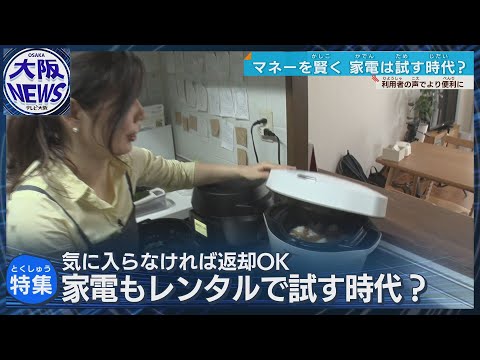
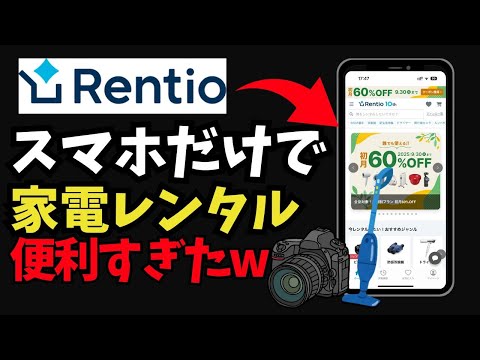
If you're interested in how Japan is rethinking traditional product ownership, the video below explores rental and subscription services that allow consumers to use home appliances without purchasing them outright. Rentio demonstrates how flexible access can offer an alternative to conventional ownership while creating a new model for product distribution.