Skip the Checkout Line: How Japan's AI-Powered Scan & Go (RegiGo) Is Transforming Supermarket Shopping
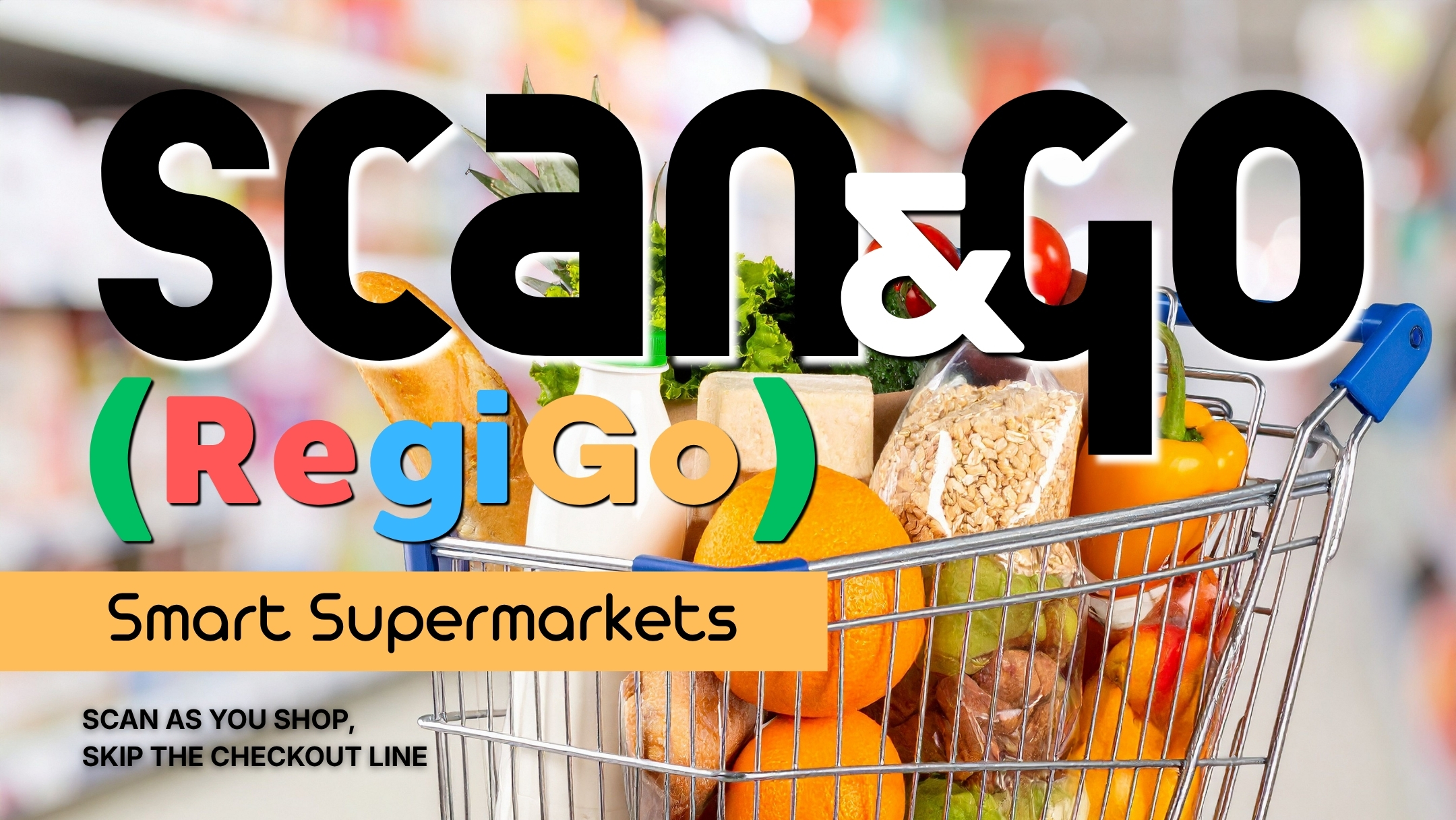
Japan's retail industry has become a global showcase for digital innovation, with supermarkets increasingly adopting AI-powered and self-service technologies to make shopping faster and more convenient. One of the most successful examples is the Scan & Go shopping system, best known in Japan through RegiGo, a service developed by AEON Retail.
Unlike traditional checkout systems, Scan & Go lets shoppers scan products as they place them in their basket. Once they finish shopping, they simply visit a dedicated payment station, complete the transaction, and leave without waiting in a traditional checkout line.
The growing popularity of this shopping model reflects challenges facing retailers worldwide. Labor shortages, rising staffing costs, and increasing customer expectations for faster service have encouraged retailers to rethink the checkout experience. Following the COVID-19 pandemic, demand for contactless shopping solutions also accelerated the adoption of self-checkout, smart stores, and AI-assisted retail technologies.
Japan's Scan & Go model represents one practical solution to these challenges. With deployment in more than 300 supermarkets and over 50 million annual uses, RegiGo has become one of the world's largest self-scanning retail systems.
In this article, we'll explore how Japan's Scan & Go technology works, why it has become popular, and why it could influence the future of supermarkets worldwide.
RegiGo Overview
RegiGo is a self-scanning shopping service that allows customers to scan product barcodes using a dedicated in-store smartphone or their own mobile device as they shop. By letting customers track their total in real-time and pay at a quick-service terminal, the system eliminates the need to wait in traditional checkout lines.
AEON Retail is the core operating company of the AEON Group, one of Japan's largest retail organizations. The company operates nationwide general merchandise stores under brands such as AEON and AEON Style, providing groceries, household goods, apparel, and other daily necessities while serving as an important part of local community infrastructure.
In recent years, the company has also invested heavily in digital transformation, developing technologies that improve the in-store shopping experience and modernize retail operations.
What Is Scan & Go? A New Way to Shop Without Waiting in Line
Scan & Go is a self-scanning shopping system that lets customers scan products themselves while they shop instead of waiting until checkout. The technology has been introduced primarily in Japanese supermarkets, with AEON Retail's RegiGo serving as one of the country's best-known implementations.
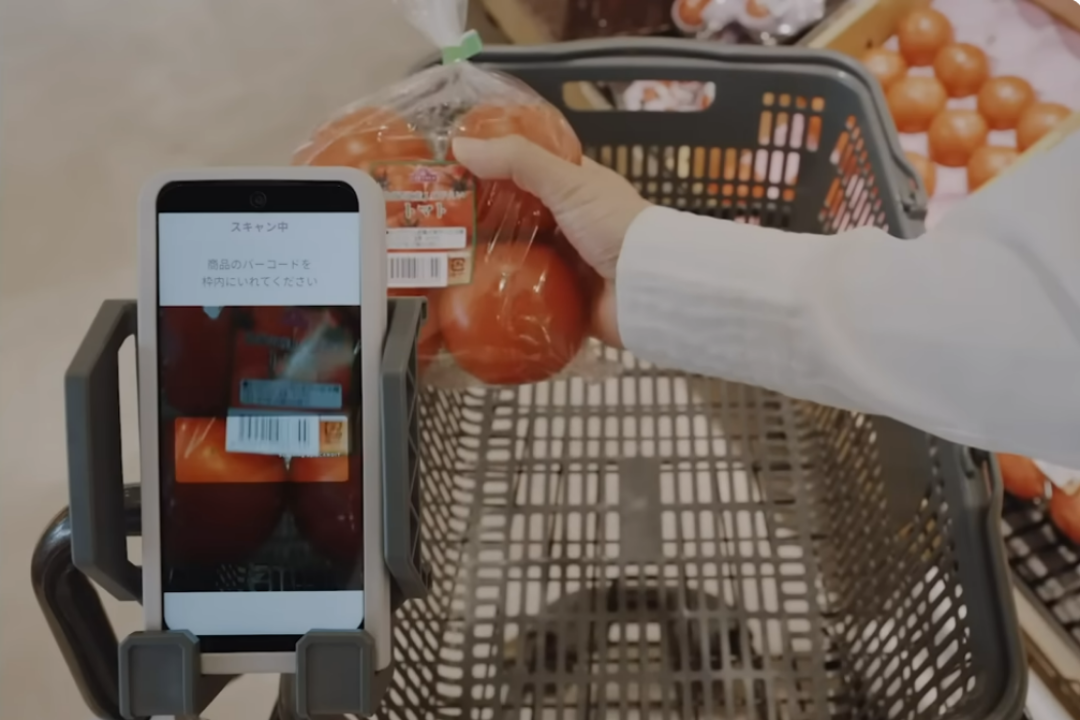
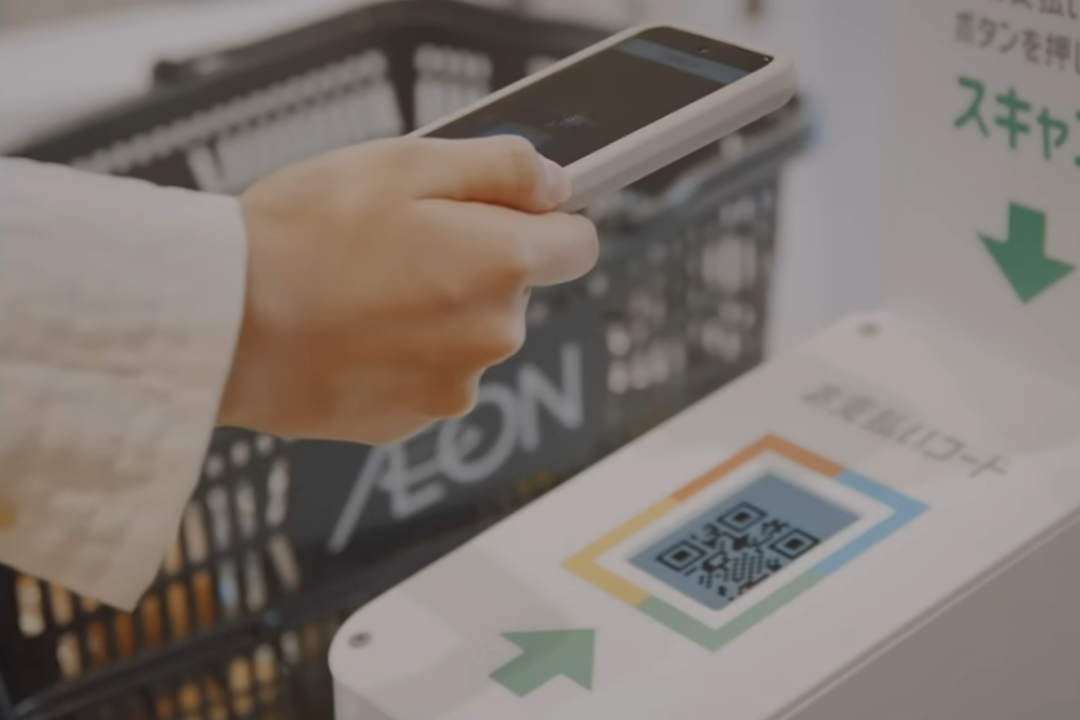
Using the system is straightforward. Customers either launch the supermarket's smartphone app or borrow a handheld scanner provided by the store. Before placing an item into their basket, they scan its barcode. After finishing their shopping, they visit a dedicated payment kiosk, scan their app or handheld device, complete the payment, and exit without unloading every item for a cashier.
This approach is especially useful for everyday grocery shopping. Whether someone is stopping by after work, buying just a few items, or trying to finish their shopping quickly, eliminating the checkout line can significantly reduce the total time spent in the store.
Shoppers pay no additional fee to use the service. Products are purchased at the same prices as traditional checkout lanes. At the same time, the retailer covers the technology investment and operating costs as part of its broader store efficiency strategy.
How Scan & Go Creates a Faster Shopping Experience
The biggest advantage of Scan & Go is that it removes one of the least enjoyable parts of grocery shopping: waiting in line to check out.
In a traditional supermarket, customers collect their items first and only begin scanning them at the register. With Scan & Go, that process happens throughout the shopping trip. By the time customers reach the payment kiosk, nearly all the work is already done, so payment takes only a few moments.
Another useful feature is real-time purchase tracking. As each product is scanned, the running total updates immediately. Shoppers can monitor exactly how much they are spending throughout their trip, making it easier to stay within a budget and adjust purchases before checking out.
The system also supports broader digital transformation inside supermarkets. By combining smartphone technology, handheld scanners, and self-service payment stations, retailers can reduce the workload at traditional checkout counters while maintaining a smooth customer experience. This operational efficiency helps stores address labor shortages while allowing employees to focus on stocking shelves, assisting customers, and maintaining store operations.
Rather than simply replacing a cashier with a self-checkout machine, Scan & Go changes the entire shopping process by integrating checkout into the shopping experience itself.
Growing Adoption Across Japanese Supermarkets
Source: RegiGo Homepage
Scan & Go has been steadily expanding throughout Japan's supermarket industry, particularly through AEON Retail's RegiGo system. The service is now available at hundreds of AEON and AEON Style stores across the country, allowing customers to scan items as they shop using either their smartphones or store-issued handheld devices.
Long checkout lines have traditionally been one of the biggest sources of frustration in supermarkets, especially in the evenings, on weekends, and during holiday shopping periods. By allowing customers to scan items throughout their shopping trip, Scan & Go significantly reduces the amount of time spent completing payment.
The technology also addresses operational challenges facing retailers. As staffing shortages and labor costs continue to increase, supermarkets are looking for ways to improve efficiency without sacrificing customer service. Scan & Go reduces the amount of manual work required at checkout, allowing employees to spend more time assisting shoppers, replenishing inventory, and managing the sales floor.
For customers, the result is a faster and more convenient shopping experience. For retailers, it represents an effective way to improve productivity while adapting to the changing economics of modern grocery operations.
As more supermarkets embrace digital transformation, Scan & Go has become one of Japan's leading examples of how technology can reshape everyday retail shopping.
System Design and Quality Management That Enable Reliable Store Operations
A seamless Scan & Go experience depends on more than just barcode scanning. Behind the scenes, a carefully designed retail infrastructure supports the system by integrating product recognition, transaction management, payment processing, and store operations into a single workflow. This allows shoppers to use the service naturally as part of their everyday grocery trips without disrupting the shopping experience.
Understanding the Self-Scanning Shopping System
As customers scan items, product information is synchronized with the store's systems in real time. By the time they reach the payment kiosk, every scanned item has already been recorded, allowing checkout to be completed quickly. The system also connects with the supermarket's existing point-of-sale (POS) and inventory management systems, helping retailers maintain accurate stock levels while improving operational efficiency.
Like any self-service retail technology, security is an important consideration. Stores typically combine multiple safeguards, including random purchase verification and in-store security cameras, to help prevent misuse while maintaining a convenient shopping environment. These measures allow customers to shop confidently while minimizing disruption.
Because Scan & Go is designed to integrate with existing retail infrastructure, supermarkets can adopt the technology without completely replacing their current systems. Careful quality management and ongoing operational support help ensure stable performance across participating stores.
Customer Reactions: A Shopping Experience Without Checkout Lines
Source: RegiGo Homepage
As Scan & Go becomes more common in Japanese supermarkets, shoppers have quickly praised the system's convenience. The biggest attraction is simple: eliminating the need to wait in line at the checkout.
Many users say shopping feels much faster because payment takes only a few moments after they finish their purchases. This is especially valuable for commuters stopping by after work or anyone buying just a handful of items. Rather than spending several minutes waiting for a cashier, customers can complete their visit much more efficiently.
Another frequently mentioned benefit is seeing the running total while shopping. Because every item is scanned as it goes into the basket, customers always know how much they are spending. This makes it easier to stay within a budget and avoid surprises at checkout.
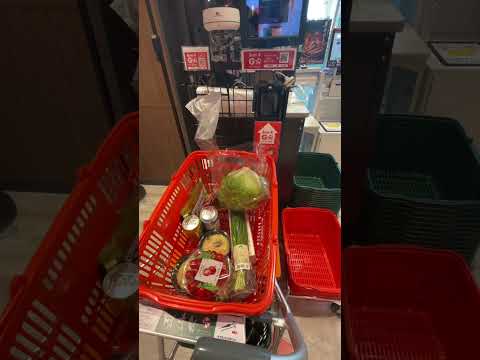
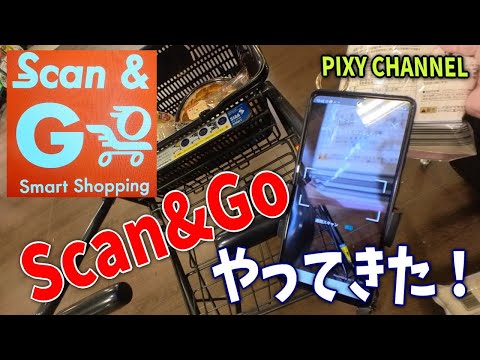
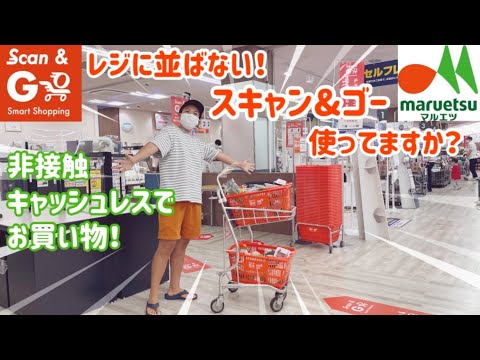
The technology has also attracted attention on social media. Visitors often post about visiting a Japanese supermarket with virtually no checkout line, while others share videos showing how they scan products with a smartphone and complete payment in seconds. YouTube creators, including travelers and foreign residents in Japan, have also featured Scan & Go as an example of how Japanese retailers are modernizing everyday shopping.
For many international visitors, these experiences showcase Japan's practical approach to retail innovation. Rather than flashy technology for its own sake, Scan & Go shows how digital tools can quietly improve one of the most routine parts of daily life.
Global Potential for Self-Scanning Retail Technology
Although Scan & Go has gained significant traction in Japan, the technology addresses challenges retailers around the world face. Labor shortages, rising staffing costs, and growing consumer expectations for faster service have pushed supermarkets to invest heavily in digital retail solutions. Self-checkout, cashierless stores, and smart retail technologies are becoming increasingly common across international markets.
Within this trend, Scan & Go offers a practical alternative that improves both customer convenience and operational efficiency. By allowing shoppers to scan products as they shop and pay with minimal effort, retailers can reduce checkout congestion while streamlining store operations.
The concept is particularly well suited to markets where digital payments are already widely adopted, including North America, Europe, and many parts of Asia. Consumers in these regions are increasingly comfortable using smartphones for shopping, making app-based self-scanning a natural extension of existing retail habits.
As smartphone adoption continues to grow worldwide, Scan & Go has the potential to become more than just a Japanese retail innovation. It represents a scalable next-generation shopping model that combines digital convenience with improved store efficiency, making it relevant for retailers across a wide range of international markets.
Why AEON Retail Is the Leading Example
AEON Retail is widely recognized as Japan's leading operator of the RegiGo Scan & Go system. Customers use their smartphones or dedicated handheld scanners to scan products while shopping, then complete payment at designated checkout stations.
By deploying the system across hundreds of physical supermarkets, AEON has demonstrated that self-scanning technology can operate successfully at a national scale rather than as a limited pilot project.
Strengths and Achievements
AEON's extensive supermarket network has enabled the company to expand Scan & Go adoption throughout Japan rapidly. By 2024, the technology had been introduced in more than 300 stores, making it one of the world's largest operational self-scanning supermarket systems.
Position Within the Industry
Retailers worldwide continue to invest in self-checkout and smart store technologies. Still, AEON Retail stands out as one of the few companies to deploy Scan & Go extensively across a nationwide supermarket network. Its large-scale implementation has made RegiGo one of Japan's most prominent examples of successful smart retail innovation.
Track Record in Japan
Source: RegiGo Homepage
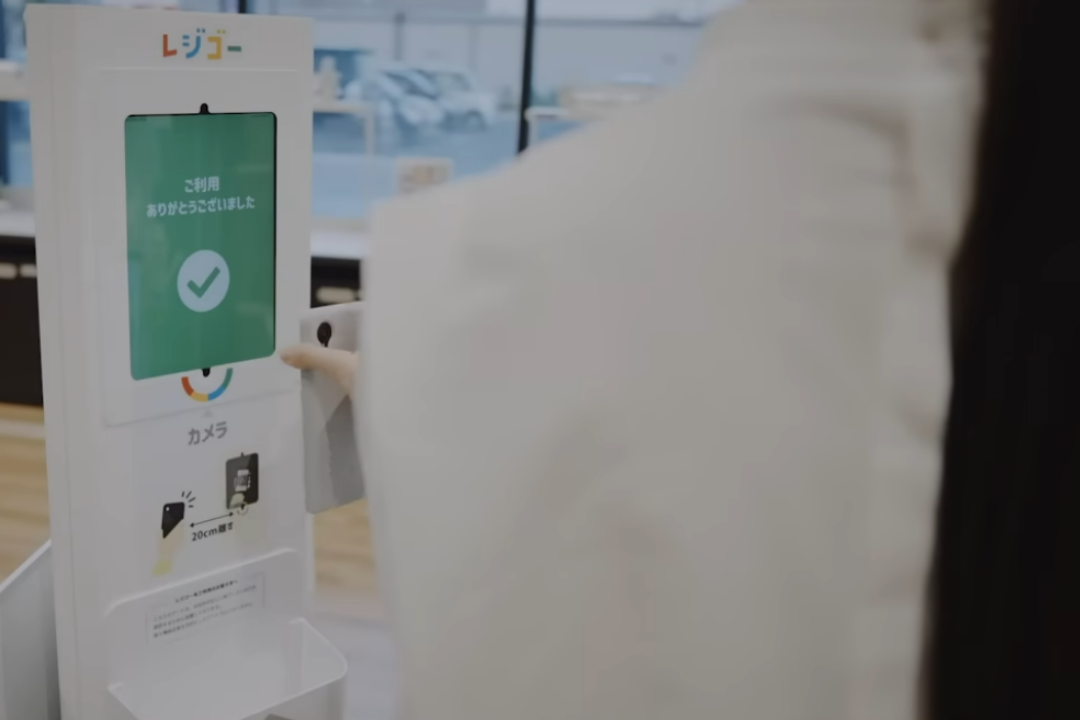
In Japan, Scan & Go technology is most closely associated with RegiGo, AEON Retail's self-scanning shopping system and one of the country's best-known retail digital transformation initiatives. Pilot testing began in 2019 before expanding into full commercial deployment in 2020. As of 2024, RegiGo had been introduced in more than 300 stores across 45 of Japan's 47 prefectures, making it one of the country's largest smart retail rollouts.
Usage has also grown rapidly. During fiscal year 2023, customers used the system more than 50 million times, making it one of the largest self-scanning supermarket implementations anywhere in the world. Average adoption rates reportedly reach around 20% of shoppers, with some locations seeing usage exceed 30%.
The system has attracted considerable attention from both the media and the retail industry as a successful example of retail digital transformation. Industry publications frequently highlight its ability to reduce checkout waiting times while improving store operations. Store data also indicates that Scan & Go users may spend more per visit than customers using traditional checkout lanes, with some reports showing average basket values about 30% higher.
The technology has also gained visibility through social media and online video platforms. International YouTubers and creators who document daily life in Japan often feature RegiGo as an example of the country's advanced supermarket technology, helping introduce the concept to audiences worldwide.
Today, Scan & Go is widely recognized as one of Japan's leading examples of retail digital transformation, demonstrating how practical technology can improve both the customer experience and supermarket operations.
Conclusion
Scan & Go represents a significant evolution in everyday grocery shopping. By allowing customers to scan items as they place them into their basket, the system eliminates one of the most frustrating parts of shopping: waiting in line at the checkout. For busy consumers, this translates into a faster, more convenient, and less stressful retail experience.
At the same time, retailers worldwide continue to face rising labor costs and ongoing staffing shortages, making operational efficiency a growing priority. While self-checkout has become increasingly common, Scan & Go goes one step further by fundamentally changing the entire checkout process rather than simply automating the payment stage.
For retailers outside Japan, the technology offers benefits on multiple fronts. Customers enjoy shorter wait times and greater convenience, while stores can optimize staffing, reduce checkout congestion, and collect valuable shopping data that can support future business decisions.
The technology also creates opportunities for international collaboration. Japanese companies have accumulated practical experience operating large-scale Scan & Go systems in real supermarkets, while overseas retailers can contribute local market expertise and established distribution networks. Together, these strengths could accelerate the adoption of next-generation retail technologies worldwide.
Already proven at scale in Japanese supermarkets, Scan & Go demonstrates how digital innovation can improve one of the most routine aspects of daily life. As retailers continue investing in smarter and more efficient shopping experiences, this Japanese-developed technology has strong potential to play an increasingly important role in the future of global retail.
FAQ About RegiGo
1. How Does Scan & Go (RegiGo) Work?
Scan & Go allows shoppers to scan product barcodes themselves using either a smartphone app or a handheld scanner provided by the store while they shop. Once they finish selecting their items, they complete payment at a designated checkout kiosk. Because products are scanned as they are placed in the basket, there is no need for a cashier to scan each item individually, significantly reducing checkout wait times. Another advantage is that shoppers can monitor their running total throughout the trip, making it easier to stay within their budget.
2. Is There an Additional Fee to Use Scan & Go?
No. Customers generally do not pay any additional fee to use Scan & Go. Products are purchased at the same prices as during a regular shopping trip, and there is no service charge for using the system. The retailer covers the costs of implementing and operating the technology so that customers can enjoy the added convenience at no extra cost.
3. Can I Use Scan & Go Without a Smartphone?
It depends on the store. In addition to smartphone apps, some retailers provide dedicated handheld scanning devices that customers can borrow while shopping. This allows people without smartphones, or those who prefer not to use an app, to access the service. Since available options vary by location, it is a good idea to check each store's guidelines before visiting.
4. What Happens If I Forget to Scan an Item?
Self-scanning systems rely on customers scanning every item they purchase accurately. If you accidentally miss an item, store staff may be able to help you correct the transaction before payment. Many retailers also use random verification checks and other operational procedures to help ensure the system is used correctly.
5. What Types of Stores Use Scan & Go?
Today, Scan & Go is primarily found in supermarkets. In Japan, one of the best-known examples is RegiGo, operated by AEON Retail. As self-scanning technology continues to evolve, it may also expand into other retail sectors, including drugstores, home improvement centers, and other retail businesses.
6. What Benefits Does Scan & Go Offer Retailers?
Scan & Go helps streamline checkout operations, making it easier to reduce customer waiting times during busy periods. It also lets store employees spend more time stocking shelves, maintaining displays, and assisting customers instead of operating checkout lanes. By improving operational efficiency and helping address labor shortages, the technology has become an important part of retail digital transformation.
7. Does Scan & Go Include Security Measures?
Yes. Retailers typically implement multiple security measures to provide a safe shopping experience. These may include security cameras, random purchase verification, and operational monitoring to discourage misuse. Product and payment information is also integrated with the store's existing systems to ensure accurate transaction processing. While security procedures vary between retailers, the goal is to balance customer convenience with reliable store operations.
8. Is Scan & Go Available Outside Japan?
Yes. Self-scanning shopping systems have been introduced in various countries, particularly across North America and Europe. These technologies allow shoppers to scan products themselves and reduce checkout times, helping retailers improve operational efficiency while enhancing the customer experience. Japan's large-scale implementation of Scan & Go provides valuable operational insights that may influence future deployments in international markets.
9. Who Is Scan & Go Best Suited For?
Scan & Go is ideal for shoppers who want to spend less time waiting in checkout lines, especially people making quick grocery trips after work or during busy schedules. It is also useful for customers who want to track their spending while shopping, since the running total updates as each item is scanned. Overall, it is designed for anyone looking for a faster and more efficient grocery shopping experience.
10. Will Self-Scanning Systems Like Scan & Go Become More Common?
There is strong potential for continued growth. Labor shortages, rising labor costs, and ongoing advances in retail technology are driving increased interest in self-scanning and self-checkout systems worldwide. While supermarkets remain the primary adopters today, these technologies are expected to expand into other retail sectors such as drugstores, home improvement stores, and specialty retailers. As businesses continue seeking ways to improve both operational efficiency and customer convenience, self-scanning systems are likely to play an increasingly important role in the future of retail.
Related Videos
If you're interested in how technology is transforming everyday shopping in Japan, the video below explores RegiGo, an AI-powered Scan & Go system that allows customers to scan items while they shop and streamline the checkout experience.