
As cities around the world grow and more people rely on public transportation, forgotten items have become increasingly common. Tourist destinations are especially affected, since travelers on short stays often leave belongings behind, disrupting their plans and diminishing their experience.
Lost item retrieval services offer a simple solution by recovering forgotten belongings quickly and returning them to their owners, improving convenience for both tourists and everyday travelers.
In Japan, where tourism continues to grow, services that support a smooth, stress-free travel experience are in high demand. As visitor numbers increase, so does the need for item recovery and delivery, making these retrieval services an important part of the country’s tourism infrastructure. Their role is expected to grow even further as Japan continues to welcome more international visitors.
Lost Item Retrieval Service Overview
This service allows travelers and commuters to have forgotten items quickly collected and delivered to a designated address. The process is simple.
Users enter details about the lost item on the official website or app, then submit a retrieval request. Specialized staff collect the item and deliver it safely. Pricing varies depending on distance and request type, and affordable options are available in major urban areas.
What makes the service especially appealing is that it offers more than basic delivery. It alleviates worries and allows travelers to continue enjoying their stay without interruption. For tourists with tight schedules or business travelers who cannot afford delays, the retrieval service provides genuine reassurance.
Japan’s Approach to Lost Item Retrieval
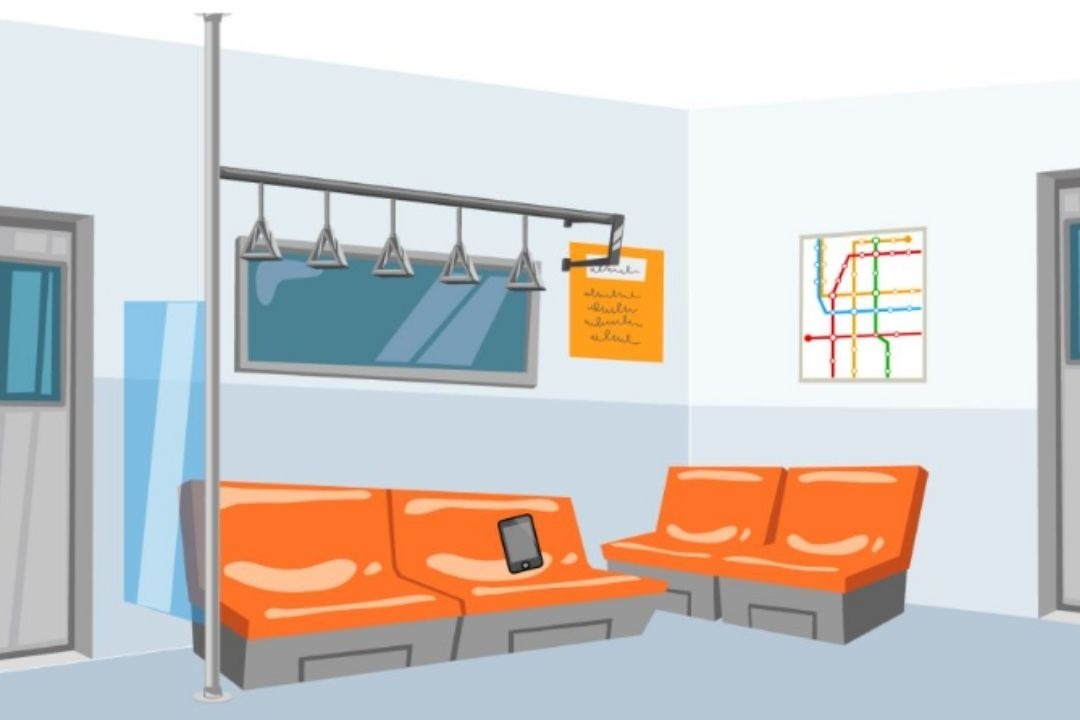
Source: Masuda Transport Homepage
Masuda Transport operates as a multi-service logistics provider rather than just a retrieval company. In addition to lost-item recovery, its services include charter transport, delivery of exhibition and trade materials, building-material transport, bento meal delivery, and moving services. This wide range of services reflects the company’s experience handling time-sensitive and delicate items, which underpins its lost-item retrieval service.
A Logistics Provider Beyond Simple Item Recovery
Masuda Transport’s retrieval service reflects Japan’s culture of omotenashi, or wholehearted hospitality. The company prioritizes trust and peace of mind by carefully handling items, providing clear guidance, and offering timely updates on retrieval status.
The service is particularly valued in tourist areas and busy commercial districts, where forgotten items are common. By enabling quick and secure recovery, it not only reduces stress but also helps travelers use their time more efficiently. This emphasis on care and reliability sets it apart from ordinary delivery services.
Diverse Applications Across Tourism and Business
Lost item retrieval services offer convenience in a wide variety of situations. In tourist destinations and commercial areas, forgotten belongings can easily spoil an otherwise enjoyable trip. By using this service, travelers can have items collected and delivered quickly, allowing them to continue exploring without worry.
Supporting Stress-Free Travel in Tourist and Commercial Areas
Partnerships with hotels and tourist information centers also enable quick response when items go missing. Residents and business travelers can benefit as well, reducing the stress and time spent retrieving forgotten belongings.
Improving Efficiency for Companies and Employees
For companies, the service improves operational efficiency. Employees who misplace items during business trips often face delays or additional work. Retrieval services help avoid such disruptions and allow them to stay focused.
Overall, the service delivers more than logistics; it builds trust and provides meaningful support to both tourists and professionals.
How the Service Developed
The lost item retrieval service emerged in response to a growing problem. In dense urban environments and amid rising numbers of domestic and international tourists, forgotten belongings have become increasingly common on trains and buses, at tourist spots, and in shopping districts. Travelers on short stays are especially likely to leave items behind, which can disrupt sightseeing plans or business appointments.
A fast, dependable solution was needed, and this service was created to fill that gap.
Japan’s omotenashi spirit heavily influenced its development. Items are handled with care and respect, and the user experience is prioritized. This approach is especially appreciated in tourist areas, where quick retrieval significantly reduces stress during a trip.
The service is also valuable for businesses. Employees who forget important documents or personal items receive rapid assistance, helping prevent delays and allowing them to focus on their work.
This combination of practical support and Japanese-style hospitality makes the service a distinctive, Japan-born innovation.
Challenges in Modern Japanese Urban Life and Tourism
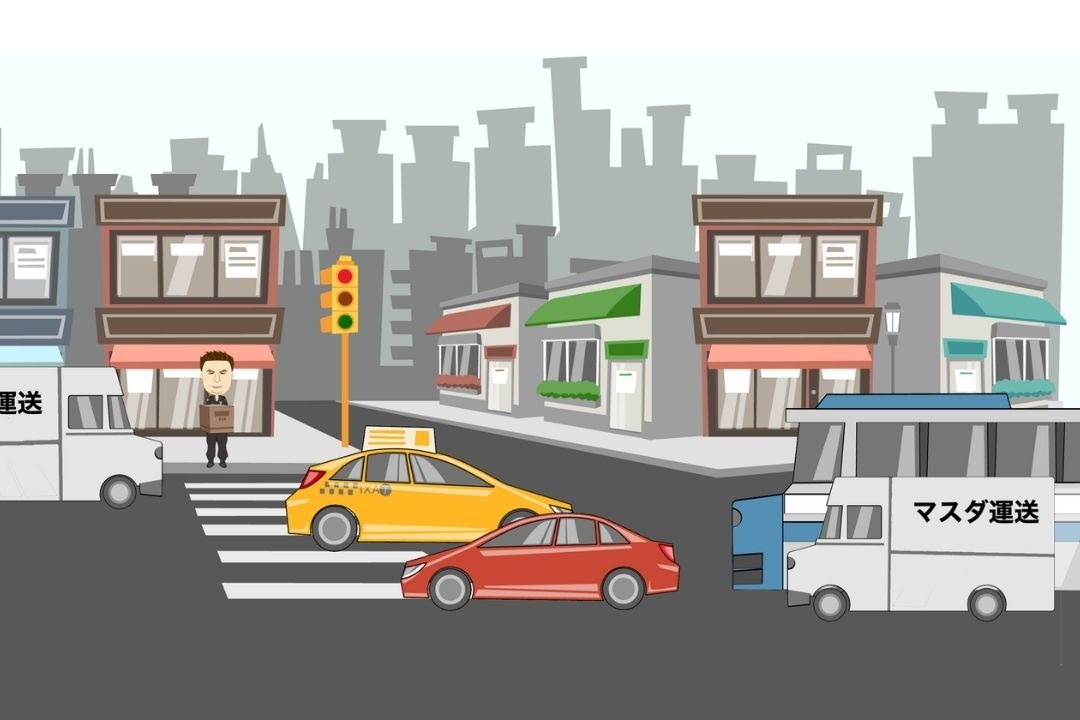
Source: Masuda Transport Homepage
Urban living and increased tourism have led to a noticeable rise in lost items. Travelers, particularly those on short stays, frequently misplace belongings and need convenient solutions.
The lost item retrieval service meets this need by offering fast pickup and delivery, making travel smoother and more efficient.
The founders emphasize omotenashi, ensuring that items are treated with care and attention. This thoughtful handling adds value beyond simple transportation and contributes to greater user satisfaction.
Peace of Mind Through “Omotenashi”
Deeply rooted in Japanese culture, the service treats belongings with respect and provides attentive support, giving users a strong sense of security. This enhances the travel experience and contributes to the development of local tourism.
Relieving travelers and businesspeople of the stress associated with lost items enables them to enjoy their stay or continue their work comfortably.
Collaboration with hotels and tourist centers further strengthens the service’s responsiveness. These partnerships help promote regional tourism and introduce visitors to local culture. As a result, the lost item retrieval service stands out as a uniquely Japanese offering that blends traditional hospitality with modern convenience.
Future Potential of Lost Item Retrieval Services
The service was created to address a growing societal need brought about by urbanization and expanding tourism. Forgotten items can easily disrupt sightseeing or business plans, but swift retrieval helps restore convenience and peace of mind. Built on Japan’s culture of precise, attentive service, it delivers more value than standard delivery operations.
Looking ahead, international expansion holds significant potential. Tourist-heavy regions and major cities abroad face similar challenges with lost items. Success overseas will require cultural understanding and adaptable service models.
Building brand awareness through social media, traveler reviews, and partnerships with hotels or visitor centers will also be essential.
New digital tools, such as smartphone apps and online booking systems, will further increase accessibility and appeal. With these efforts, Japan’s lost-item retrieval services are well-positioned for continued worldwide growth as an innovative and culturally distinctive solution.
Conclusion
Lost item retrieval services represent a practical, Japan-born response to a common challenge in modern travel and urban life. By enabling quick and careful recovery of forgotten belongings, the service reduces stress and dramatically improves convenience for both tourists and business travelers. Rooted in Japanese hospitality, it offers attentive care that enhances the overall experience far beyond what typical logistics services provide.
Now is an ideal time for overseas companies to take note. In many tourist destinations and urban centers, forgotten items continue to cause inconvenience and operational disruptions. By adopting the service model developed in Japan, companies can differentiate themselves in local markets while opening up new revenue opportunities.
Partnerships with hotels, tourist facilities, and transportation networks can directly improve visitor convenience and elevate the overall travel experience.
For service providers, global expansion brings increased brand recognition, new partnerships, and strong growth potential. By leveraging Japanese-style hospitality and efficient retrieval methods, both service operators and their clients can benefit from a higher-quality, more reliable experience.
FAQ About Lost Item Retrieval Services
1. In What Situations Is A Lost Item Retrieval Service Used?
It is commonly used when items are left behind during travel, business trips, or outings. The main benefit is being able to have items recovered and delivered without needing to return to the location, especially in tourist areas or on public transportation.
2. How Are Lost Items Retrieved?
After a request is made, a staff member goes to the location where the item was left, confirms its presence, and collects it. The item is then securely delivered to the specified address.
3. Is The Service Difficult To Use?
No, the process is simple. Users submit details of the lost item via a website or app and place a request. The staff handles the rest.
4. Who Is This Service Best Suited For?
It is ideal for travelers, tourists, and business professionals who have limited time. It is especially useful for those who want to avoid the hassle of returning to the original location.
5. How Much Does It Cost?
Costs vary depending on the pickup location, delivery distance, and item details. In urban areas, pricing is generally accessible, with estimates provided in advance based on the request.
6. Can Valuable Items Be Handled Safely?
Yes. Items are handled with great care, and strict management and delivery procedures are followed to ensure safety and reliability.
7. What Types Of Locations Are Covered?
The service covers a wide range of locations, including tourist sites, hotels, entertainment districts, and public transportation facilities, often coordinating with these establishments.
8. What Are The Benefits For Corporate Use?
For businesses, it enables quick recovery and delivery of items left behind by employees on business trips, helping prevent disruptions and unnecessary stress and improving overall efficiency.
9. Why Has This Service Developed In Japan?
It reflects Japan’s “omotenashi” culture, which emphasizes attentiveness, trust, and customer care. The service goes beyond simple delivery to enhance the overall user experience.
10. What Is The Biggest Advantage Of This Service?
It significantly reduces the time and stress associated with lost items. Retrieving belongings without disrupting schedules allows users to stay focused on travel or work.