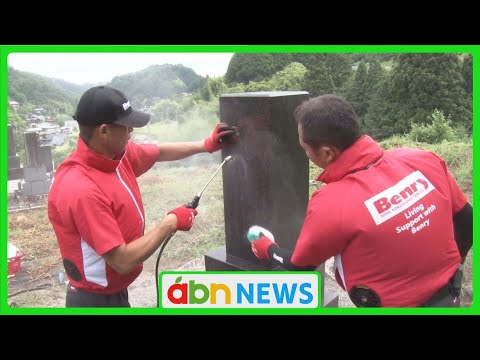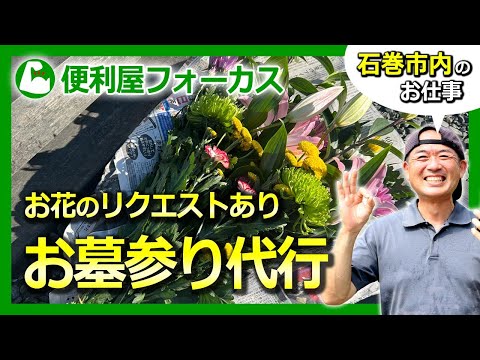
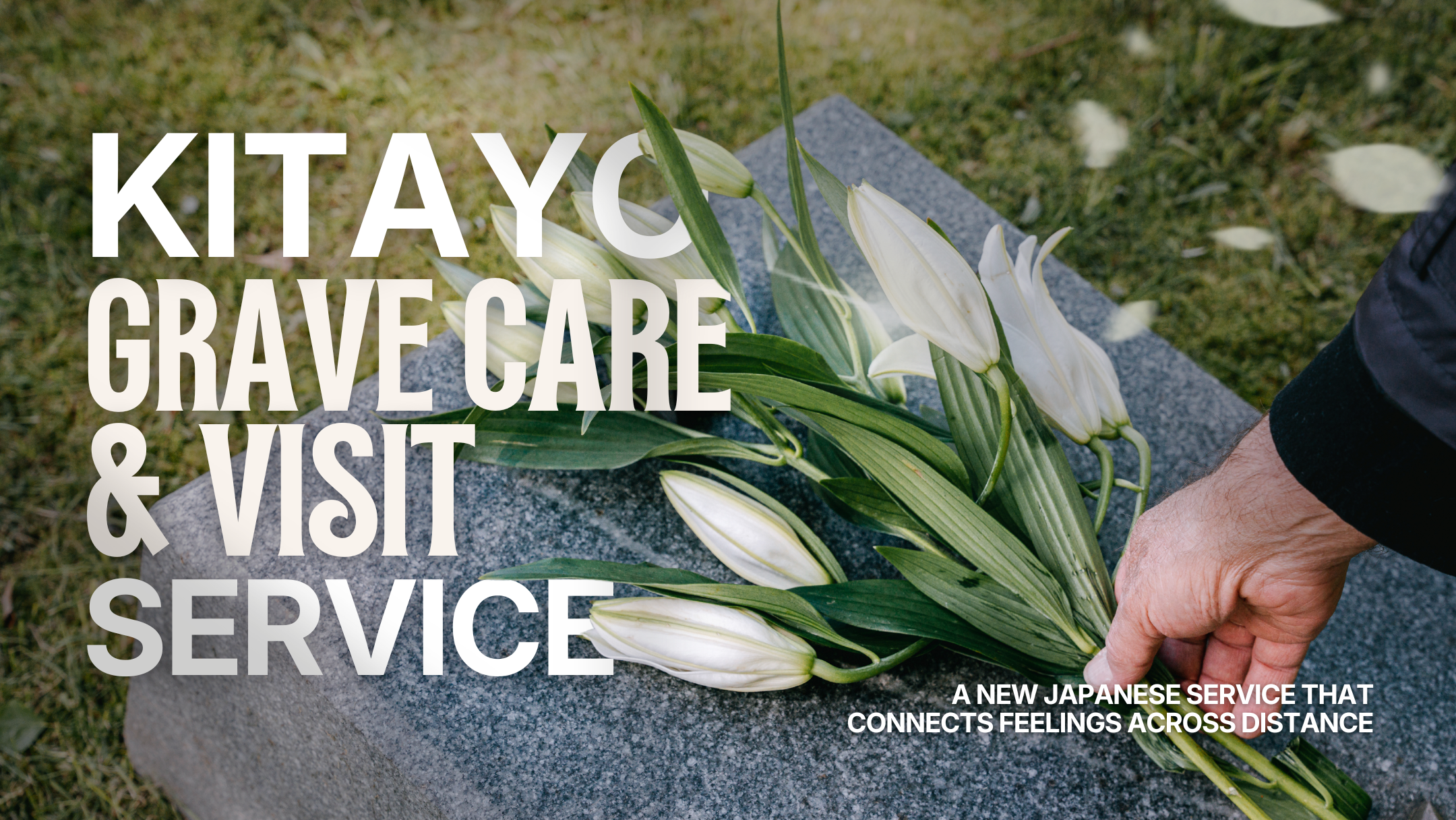
Every summer during Obon and in spring and autumn during Higan, many Japanese people visit the graves of their late relatives and ancestors. It is common to make these visits around three times a year during these traditional periods. At the graveside, people join their hands in prayer, offer flowers and incense, and express gratitude while sharing updates about their lives. This practice is deeply rooted in Japanese culture and remains an important tradition.
In recent years, however, maintaining this custom has become increasingly difficult. Younger generations often move to cities or overseas, far from their family graves, while aging parents may find cleaning and caring for graves physically burdensome. Around 2020, the COVID-19 pandemic further limited travel and homecomings, leaving many people unable to visit graves as usual. With Japan’s rapidly aging population and the spread of nuclear families, such challenges are expected to grow even more common.
A tradition once meant to provide comfort and peace of mind is gradually becoming a burden, and visits to family graves are slowly decreasing. This is a sad trend now visible across modern Japan.
In response to needs such as “I live far away and can’t visit often, but I still want to pay my respects properly,” or “I want to keep the grave clean on behalf of my aging parents who can no longer manage it themselves,” a new service has emerged: the grave visiting proxy service “Kitayo.”
This unique service conveys the feelings of distant family members to the graveside, helping preserve Japan’s traditions for future generations. How did this service come about, and what role does it play today? In this article, we take a closer look at the origins of Kitayo, the services it provides, and the value and social significance it brings.
Grave Cleaning & Visiting Proxy Service Kitayo Overview
“Kitayo.” is a grave visiting proxy service in which professional staff clean and visit graves on behalf of families. It was launched at the end of 2020 by Take and Give Needs Co., Ltd. (T&G), the largest company in Japan’s bridal industry and a Tokyo Stock Exchange Prime–listed company.
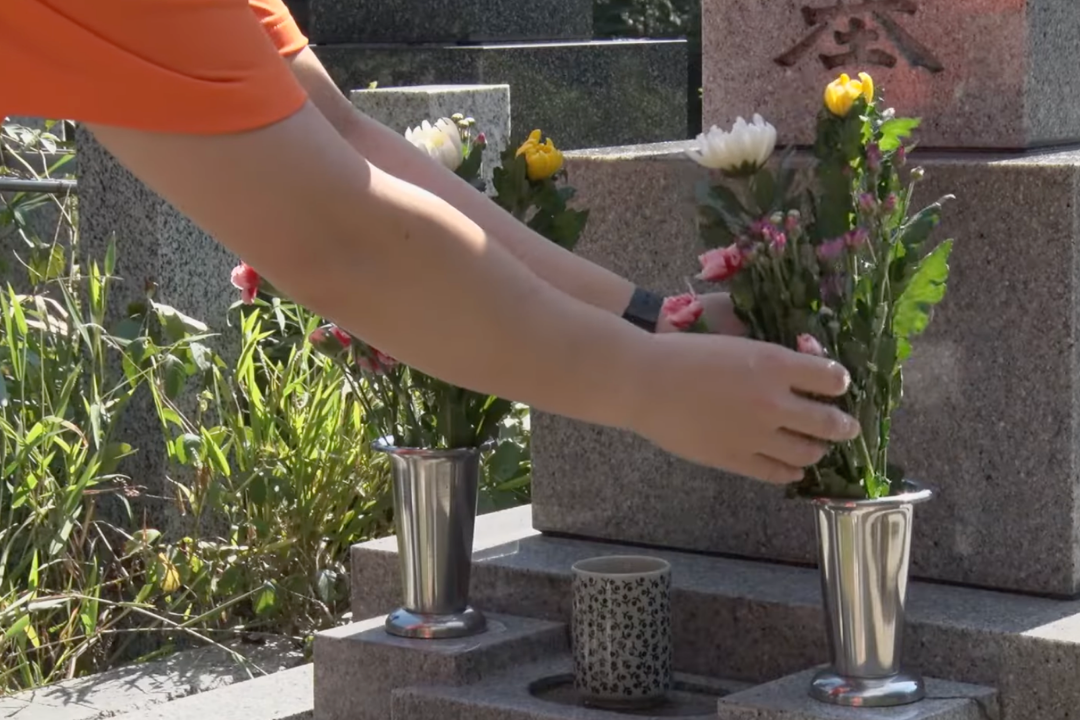
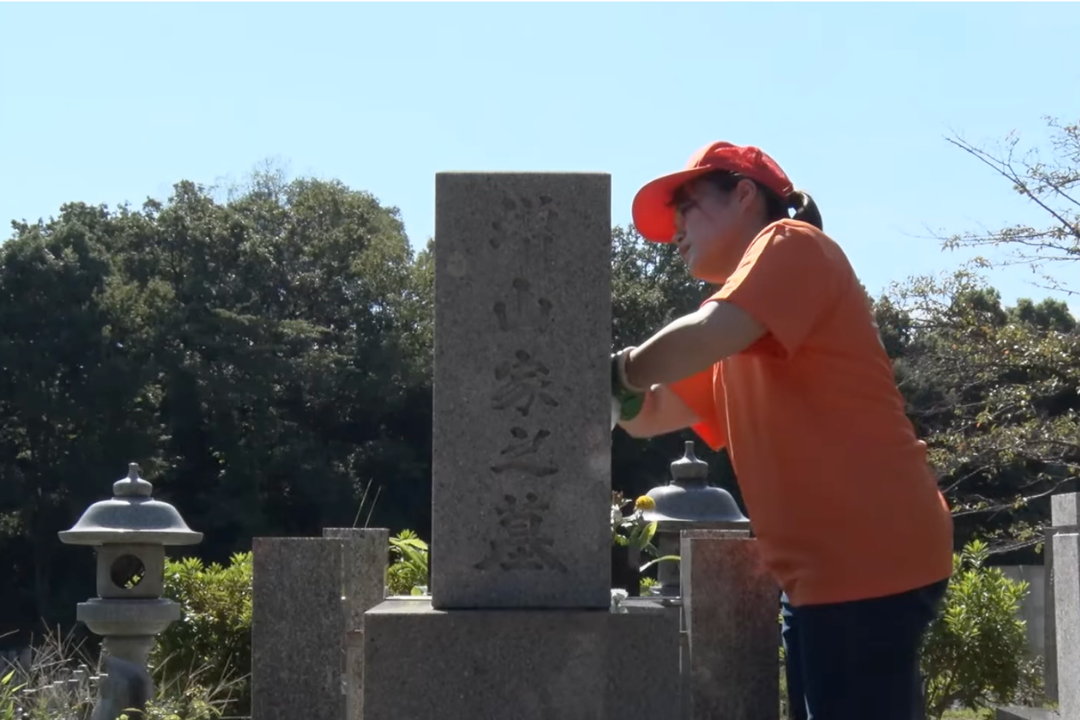
Available nationwide, the service is carried out by staff trained in top-class hospitality through their experience at wedding venues. They visit the graves of loved ones in person to offer prayers and perform cleaning. Services include essential care such as removing weeds and wiping down gravestones, as well as offering fresh flowers and incense and joining hands in prayer.
After each visit, clients receive a detailed report with before-and-after photos and staff comments, allowing them to see the grave's condition even from afar. With its attentive and thoughtful approach, “Kitayo” provides a solution to the modern challenge of “not being able to visit the grave,” offering peace of mind to families separated by distance.
The Birth of the Grave Visiting Proxy Service “Kitayo”
Source: Kitayo Homepage
Grave visiting proxy services are a relatively new field that emerged from modern lifestyles, but “Kitayo” stands out for its particularly unique background. The company behind it is Take and Give Needs (T&G), best known for its wedding business. When this leading bridal company announced a service related to grave visits—seemingly a completely different domain—it drew considerable attention.
However, T&G likely recognized a common thread between weddings and memorials: both honor and support the deep emotions people hold for loved ones. The name “Kitayo.” reflects this idea. Rather than merely “acting on someone’s behalf,” it conveys the message of “connecting emotions.” As T&G explains, “Even if circumstances prevent someone from visiting, they still wish they could say, ‘I came to see you.’ The role of Kitayo. is to carry that heartfelt message until the day they can be reunited.”
The goal is not simply to perform the tasks of a grave visit, but to serve as a bridge that conveys the bereaved's feelings. It was with this sentiment that “Kitayo” was created.
T&G launched the service in December 2020, starting with a trial rollout using its wedding venue network. The response exceeded expectations. Within a few years, the service had received more than 600 requests. Customer surveys showed a satisfaction rate of over 99%, and even in its first year Kitayo. achieved a strong repeat usage rate of around 30%. These numbers clearly show that customers felt, “I’m glad I used it” and “I’d like to request it again.” The fact that it has grown beyond being a one-time novelty to earning many repeat users suggests that Kitayo is not just convenient, but also emotionally reassuring.
The name “Kitayo” is inspired by the simple words people say in their hearts when visiting a loved one’s grave: “I came today.” That phrase carries deep affection and remembrance. Even when someone cannot be there in person, they still want those feelings to reach their loved one. The name embodies this wish, that the staff will sincerely convey the user’s emotions. It truly expresses: “Even from far away, my thoughts are here.”
Japan’s Traditions and Today’s Challenges
In Japan, regular grave visits have long been practiced as part of ancestor veneration. More than just a ritual, visiting the family grave is an important opportunity to express gratitude and report to one’s ancestors—essentially saying, “We are living well”—while reaffirming a spiritual bond with the departed.
In modern society, however, maintaining this tradition has become increasingly difficult. The old family structure, in which parents cared for the grave in the countryside while children returned home from the city during Obon or New Year, has changed. As a result, the number of muen-baka (graves with no one to care for them) is rising, and haka-jimai (closing or relocating graves) has become a growing social issue.
According to statistics from Japan’s Ministry of Internal Affairs and Communications, the number of grave relocations has steadily increased since the 2010s. In 2011, there were about 76,000 cases nationwide, but by 2022, the number exceeded 150,000, nearly doubling in just over a decade. Behind this trend are demographic shifts such as an aging population and the spread of nuclear families, leaving many households with “no one to inherit the grave” or “no ability to manage it from afar.”
As mentioned earlier, the COVID-19 pandemic also affected people’s ability to visit graves. To prevent the spread of infection, many refrained from traveling across prefectural borders or returning to their hometowns, leaving families unable to gather at graves on anniversaries or during Obon. For the elderly, even going out posed health risks, and as a result, months passed with many unable to visit despite their wishes.
This situation led some to feel guilt or regret over letting traditional practices lapse. At the same time, real-life limitations cannot always be overcome, and more people have found themselves caught in this emotional dilemma.
In this way, the growing number of people who “want to visit graves but cannot” risks casting a shadow on individuals and society alike. Children may feel heartache when they cannot visit, while parents may feel frustrated when age prevents them from managing the grave. It is deeply sad when traditions and family bonds fade in situations where nobody is at fault.
Grave visiting proxy services were created to address this exact problem. They offer a way to maintain a connection with the deceased from afar and preserve these important ties despite the challenges of modern life.
Comprehensive Services and Online Grave Visits
Source: Kitayo Homepage
To meet a wide range of needs, Kitayo. offers a highly comprehensive basic plan. Many first-time customers wonder what is included and how far the service extends. Each package covers all essential tasks required for one gravesite. The basic plan costs 22,000 yen (tax included) and includes the following:
- Prayer with Gassho: A staff member stands before the grave and offers a respectful prayer with hands joined.
- Grave Cleaning: Careful cleaning of the gravestone and surrounding structures, such as the fence, incense holder, and water basin, using water and cloth wiping.
- Maintenance of the Gravesite: Removal of weeds and fallen leaves. Pruning of overgrown branches, if needed.
- Fresh Flowers and Offerings: Fresh flowers, incense, and water are offered. Old flowers and offerings are removed and properly disposed of.
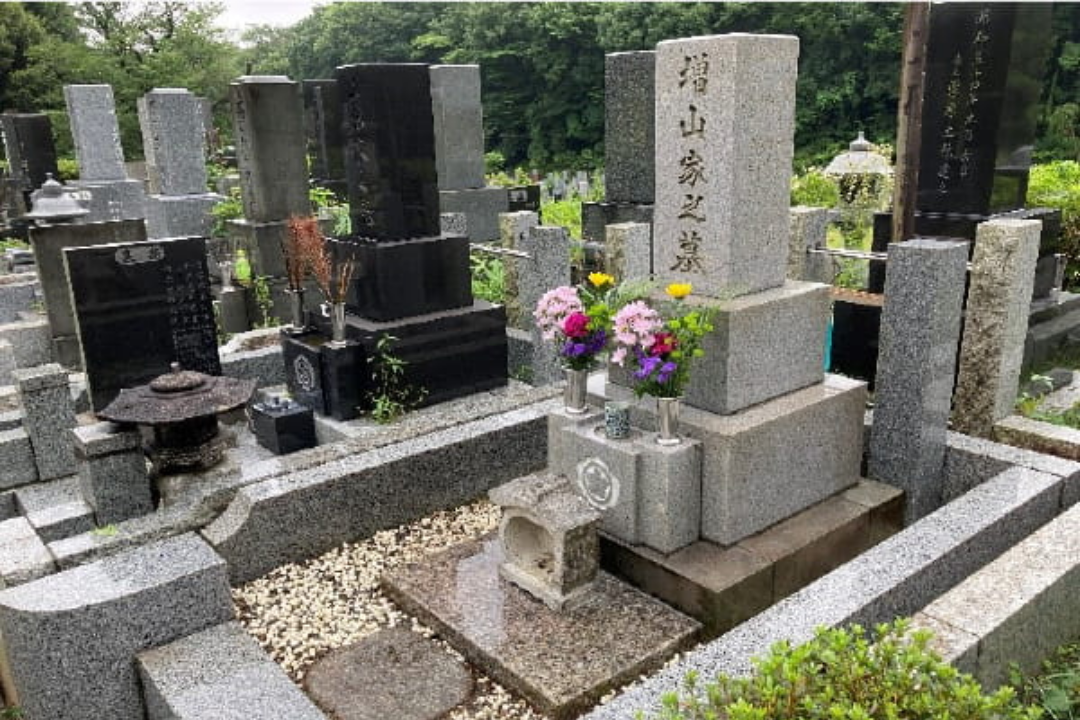
- Before-and-After Photos: Photos documenting the condition of the grave before and after cleaning, including the surrounding area.
- Service Report: A detailed report with photos and staff comments, sent via email or postal mail.
Transportation costs for local staff (for graves within 30 minutes of the regional service center) are included. Additional fees apply for longer travel distances. Once you provide the location and plot size, everything else is handled for you, making the process simple and stress-free.
Another notable feature is the Online Grave Visit option. Upon request, a staff member connects with you via video call from the gravesite, allowing you to witness the visit in real time—even from overseas.
For example, a family member living abroad can request grave cleaning in Japan and join the scheduled visit via video call, putting their hands together in prayer from the other side of the world. The service uses familiar platforms like LINE or FaceTime, so no special setup is required. This online experience offers a warmth and sense of presence that photos alone cannot provide. Even from a distance, it feels as if you’re standing at the gravesite together.
Kitayo’s service reports are also known for their exceptional quality. Customers often praise the thoroughness of the photos, which include not only before-and-after images but also full views of the grave and surrounding landscape—angles that are usually difficult to see.
Examples include close-ups of the family name engraved on the stone, wide shots of the freshly cleaned grave with flowers, and even photos capturing the sky or seasonal scenery around the cemetery. These thoughtful touches help convey the atmosphere of the site.
Each report includes warm comments from the staff, such as:
“This was our first time maintaining this grave in a while, and we found it in excellent condition.”
or
“From the 〇〇 family’s gravesite, the autumn leaves are beginning to change.”
Photo data is also provided via email, making it easy to share with relatives who live far away. Reading the report gives a genuine sense of comfort—that even if you couldn’t visit yourself, the grave was cared for with attention, and your feelings for the departed were sincerely conveyed.
Photo data is also sent via email, making it easy to share with relatives who live far away. Reading the report provides a genuine sense of comfort—that even if you couldn’t be there in person, the grave was beautifully maintained and your feelings for the departed were sincerely conveyed.
Trusted Support from a Tokyo Stock Exchange Prime-Listed Company
Source: Kitayo Homepage
One of the greatest strengths of Kitayo. lies in the credibility of the company behind it. While many grave-visit proxy services exist across Japan, Kitayo. stands out for one major reason: it is operated by a large, publicly traded company listed on the Tokyo Stock Exchange Prime Market. In terms of scale and reliability, it is unmatched.
The parent company, Take and Give Needs (T&G), is a leading force in Japan’s bridal industry and operates about 100 wedding venues nationwide. As a long-established professional in the hospitality field, T&G brings a high standard of service to everything it does. This foundation gives Kitayo. users a strong sense of trust and reassurance.
T&G’s strengths are also reflected in the training of Kitayo’s staff. Team members who handle grave visits receive hospitality training at wedding venues, ensuring they learn refined etiquette, respectful communication, and graceful behavior. Their approach emphasizes dignity and reverence toward both the deceased and the families they serve.
Each staff member visits the site with a sincere awareness that they are caring for someone’s “beloved family member,” and provides attentive, heartfelt service with the utmost respect.
T&G further leverages its nationwide corporate network to ensure consistent, high-quality service across Japan. To prevent differences in service standards between regions, the company has established detailed manuals and training programs. This commitment to uniform quality strengthens customer trust.
A dedicated customer support center is also available, making it easy to ask questions or request estimates by phone or email. First-time users often have concerns or uncertainties, but specialized staff provide patient, thorough guidance.
Whether you are unsure of the exact location of a grave or wondering whether a service can be provided at a remote countryside cemetery, the team responds kindly to even the smallest inquiries. From the first consultation and reservation to updates on the day of the visit and the final report, Kitayo. It is known for its attentive and reliable customer care.
High Customer Satisfaction and Repeat Users
Kitayo’s exceptional service quality is reflected in its customer satisfaction rate of over 99%. Users have shared comments such as, “I arranged this on behalf of my elderly parent who lives far away, and the service was even more thoughtful than I expected,” and “Thanks to the photo report, it felt like I had visited the grave myself.”
Another notable point is that about 30% of users become repeat customers within the first year. This clearly shows that once people try the service, many choose to use it again.
To support continued use, Kitayo. offers convenient subscription plans that allow users to schedule visits 2, 3, 4, or 6 times a year. These plans are ideal for maintaining graves around important times such as Obon or Higan.
With the reassurance of professional support and the option for ongoing care, customers can continue honoring their ancestors with confidence, even during the busiest seasons of their lives.
A Service That Evolves with Changing Needs
Over time, Kitayo. has continued to evolve in response to customer needs and social trends. In recent years, more people have begun seeking advice on issues such as, “I may need to close or relocate a distant family grave someday, but I don’t know where to start.”
To meet this growing demand, T&G launched a new support service called “Odayaka na Hakajimai” (Peaceful Grave Closure). Positioned as an extension of Kitayo, it assists users with the often complex process of grave closure and relocation.
Specialized staff handles tasks such as preparing legal documents required for reburial permits and coordinating with stonework companies, ensuring that everything proceeds smoothly and professionally.
The service officially began in April 2024, initially available in four prefectures in the greater Tokyo area, with plans to expand coverage.
Because grave closure often involveshight costs and delicate discussions among family members, having a neutral professional involved can make the process much easier.
In this way, Kitayo. extends beyond simple grave cleaning. It continues to grow alongside the shifting needs of modern society. At the heart of this evolution is a widely shared feeling: “I don’t want to lose my connection to my ancestors,” and “Even if the way we honor them changes, I still want to carry on the sentiment.”
With its long experience supporting people through important life events, T&G knows how to turn heartfelt emotions into meaningful service. Drawing on this expertise, Kitayo. brings new value to the tradition of grave visiting.
By combining the trust of a Prime-listed company, high-quality hospitality, and the flexibility to respond quickly to user feedback, Kitayo. is poised to become an increasingly essential service in Japanese society.
Conclusion
Kitayo is a heartwarming service that addresses a uniquely Japanese concern: caring for and visiting the graves of loved ones on behalf of families who live far away. While “grave-visit proxy” might sound cold or transactional, the reality is the opposite. It serves as a tender bridge that carries emotions and memories across distance.
The name “Kitayo” (“I came to visit”) represents the feeling behind every visit. With that sentiment in mind, staff approach each grave as if they were family members themselves—gently removing weeds, polishing the headstone, arranging fresh flowers and incense, and offering a quiet, respectful prayer.
The photos sent afterward show the cleaned gravestone, flowers gently moving in the wind, and a bright sky overhead. These images convey a sense of calm, even through a screen. The warm words in the accompanying report reflect the genuine care with which the staff tended to the site and honored the departed.
For users, these moments bring reassurance. They may think, “I’m sure my ancestors are pleased,” or “I know my feelings were truly delivered.” And with that realization comes a deep sense of gratitude.
With the arrival of Kitayo, the way people visit graves in Japan is beginning to quietly change. Memorials that once seemed impossible due to distance or time constraints are now supported by technology and thoughtful service.
Through online calls, families can connect their hometown gravesites with wherever they are now, allowing them to share a moment of prayer—even from overseas. Just a few years ago, such a scene would have been unimaginable.
As Japan’s society ages and family structures diversify, the solutions provided by Kitayo. go far beyond convenience. They offer a new way to remember and honor ancestors.
Traditions evolve as times change, but the feelings behind them remain. Kitayo. serves as a bridge between these elements—between tradition and innovation, need and service, distance and connection.
Ultimately, this service reminds us that as long as feelings remain, bonds continue—no matter the distance. While the act of visiting graves retains its timeless meaning, the way we carry it out can adapt to modern life. Kitayo. It is a perfect example of this shift, bringing comfort and peace of mind to many.
By honoring the feelings of those who remember their loved ones, the service quietly supports each family’s story. And in doing so, it inspires countless expressions of gratitude and heartfelt words: “Thank you” and “I came again.”
Day by day, as it helps carry these bonds to future generations, Kitayo. gently visits someone’s precious grave, delivering a soft, reassuring breeze.
FAQ About The Grave Care & Visiting Service “Kitayo”
1. Can Kitayo Be Used From Far Away Or Overseas?
Yes. Even if the client lives far away or overseas, local staff can visit the grave on their behalf to perform cleaning and memorial prayers. The service also offers “online grave visits,” allowing users to join in real time through video calls and view the site.
2. How Is Kitayo Different From Standard Grave Cleaning Services?
The biggest difference is its focus on delivering an emotional and spiritual connection rather than simply cleaning the grave. In addition to cleaning and offering flowers or incense, staff perform respectful prayers and provide detailed photo reports and personal comments to help families feel connected to the site.
3. Can The Service Still Be Used If The Grave Location Is Unclear?
Yes, consultation is available in advance. The staff can help identify the location using information such as cemetery names or plot details, and they may conduct additional investigation if necessary. Even if the location is uncertain, support is available from the initial inquiry stage.
4. Can The Service Be Arranged Regularly On Behalf Of Elderly Parents?
Yes. Recurring plans are available, typically ranging from two to six visits per year. These plans are often scheduled around important memorial periods such as Obon or equinoctial weeks, making them useful for elderly individuals who have difficulty maintaining graves themselves.
5. What Happens In Case Of Rain Or Bad Weather?
Safety and service quality are prioritized. If weather conditions are unsuitable, the schedule may be adjusted to ensure the work is completed properly and respectfully rather than rushed under unsafe conditions.
6. What Is Included In The Service?
Standard plans generally include grave cleaning, weed removal, flower and incense offerings, memorial prayers, photography, and a detailed report. The service is designed to handle the full process of grave maintenance and visitation in one package.
7. How Can Clients Confirm The Work Has Been Completed?
Clients receive a report containing before-and-after photos along with comments from the staff. Those using the online grave visit option can also view the site live in real time during the service.
8. Is The Service Reliable For First-Time Users?
Yes. The service is operated by a company listed on the Tokyo Stock Exchange Prime Market, and staff receive hospitality-focused training. A consistent support system is provided from inquiry to completion and reporting.
9. Who Is This Service Most Suitable For?
It is particularly helpful for people who live far from their family graves, elderly individuals, or those with physical limitations that make grave maintenance difficult. It is also suitable for busy people who still wish to continue memorial traditions regularly.
10. How Should People Think About Using A Grave Care & Visiting Proxy Service?
Kitayo is positioned not simply as a replacement service, but as a way to deliver care and remembrance when visiting in person is difficult. It can be viewed as a modern solution for preserving memorial traditions and maintaining emotional connections across distance.
Related Videos
If you're interested in Japan’s evolving services for honoring loved ones, the video below introduces Kitayo, a grave care and visit service designed to support people who live far away. This video shows how the service helps maintain emotional connections by taking care of graves on behalf of families.