
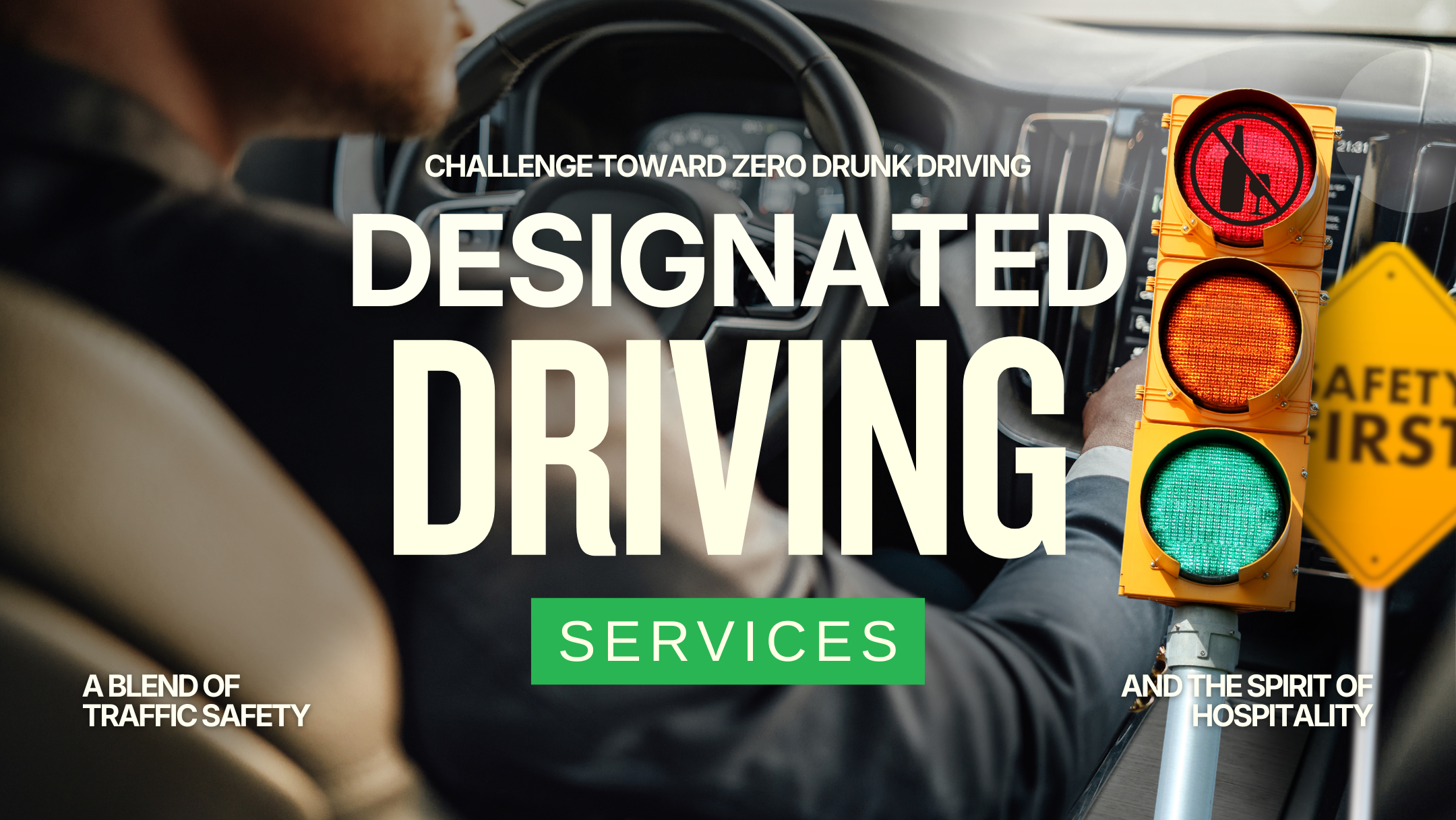
Imagine this: after enjoying a few drinks in Tokyo’s neon-lit nightlife districts, you consider driving your own car home. In Japan, however, drunk driving laws are extremely strict. Even a small amount of alcohol can lead to serious penalties such as license revocation or heavy fines. For drivers who miss the last train, leaving their car in a distant parking lot feels unsettling, yet driving home is not an option.
The solution is the designated driver service. A professional driver takes the wheel on your behalf and brings both you and your vehicle home safely. This service, born from Japan’s unique combination of creativity and commitment to safety, has become a reliable lifeline for many people.
In Western countries, the usual choices after drinking are taking a taxi or relying on a sober friend as the designated driver. Japan’s system works differently.
When requested, two professional drivers arrive in a separate escort vehicle. One drives the customer’s car, while the other follows behind in the escort vehicle. Because transporting passengers in the escort car would be considered an unlicensed taxi service, customers must ride in their own car during the journey.
Handing your car keys to a stranger may feel surprising at first, but in Japan, this sight has become a familiar part of nightlife. It plays an essential, behind-the-scenes role in protecting public safety.
At the center of this story is JDF Co., Ltd., a pioneer in the industry. Since its founder introduced the service in Japan in the 1960s, JDF has led the field with a mission of achieving “Zero Drunk Driving.”
Today, more than 5,000 designated driver service providers operate across the country, forming a crucial part of the infrastructure that safeguards countless drivers and their families.
This article explores how Japan’s designated driver system works, why it is unique, and the safety initiatives pursued by JDF and its member companies.
Designated Driver Service Overview
JDF is a long-established company active since the early days of the designated driver industry. For more than half a century, it has built a strong track record of providing high-quality services for both business and private use, with offices in major nightlife and business districts such as Ginza, Roppongi, and Shinjuku.
Recognized by the Tokyo Metropolitan Public Safety Commission as a certified high-standard provider, JDF maintains strict safety protocols. It participates in industry-specific liability insurance and mutual aid programs to ensure that, in the rare event of an accident, the customer’s personal auto insurance is not affected.
With experienced, courteous drivers who deliver prompt, careful service, JDF reliably transports both customers and their vehicles. This commitment reflects the company’s mission of achieving “Zero Drunk Driving.”
What Is a Designated Driver Service?

Source: Unten Daiko Homepage
A designated driver service is a system in which a professional driver operates the customer’s own vehicle when the customer cannot drive themselves due to drinking or illness. The service is most often used after social gatherings such as company parties, golf outings, or wedding receptions.
However, it is also useful in non-drinking situations, such as when someone feels uneasy driving in heavy rain or experiences sudden discomfort while traveling.
All designated driver providers in Japan are officially licensed and certified by each prefecture’s Public Safety Commission. Available late into the night with a simple phone call, the service offers both convenience and peace of mind, making it an important part of Japan’s safe driving culture.
The Strict Penalties and Zero-Tolerance Culture for Drunk Driving in Japan
Source: Unten Daiko Homepage
In Japan, drunk driving is taken extremely seriously, and legal regulations have become increasingly strict. Since the revision of the Road Traffic Act in 2007, severe criminal penalties have been in place:
- Up to 5 years in prison or a fine of up to 1 million yen for driving while intoxicated
- Up to 3 years in prison or a fine of up to 500,000 yen for driving under the influence (exceeding the legal alcohol limit)
What makes the Japanese system particularly notable is that penalties also apply to others who play a role. Those who provide a car to someone likely to drive drunk, those who serve them alcohol, and even passengers who knowingly ride with an intoxicated driver can all be held responsible.
In other words, Japan’s laws reflect a collective stance: “Don’t drive drunk, don’t allow drunk driving, and don’t tolerate it.” Responsibility extends beyond the driver to everyone involved.
Alongside legal measures, police and government agencies have launched major awareness campaigns under slogans such as “Drunk driving is absolutely unacceptable.” In the corporate world, employees caught driving drunk often face immediate disciplinary action.
Within this environment, systems such as the “handle keeper” (designated driver) and professional designated driver services have been strongly encouraged. It is common to see signs in restaurants reminding customers to use these services.
This determination to prevent tragic drunk driving accidents has taken deep root in Japanese society. Designated driver services are a practical expression of that commitment, supporting public safety each day.
How Designated Driver Services Work and How to Use Them
Using a designated driver service is simple. First, choose a provider that operates in your area and place a request by phone or through a dedicated app. Phone reservations are most common. When calling, you give your name, the pickup location (including details if your car is in a separate parking lot), and your car’s make, color, and license plate number.
Once your request is received, the company dispatches a team, and two drivers usually arrive within 10 to 30 minutes. One operates your vehicle, while the other follows in the escort car. Because the escort vehicle cannot legally carry passengers, you stay in your own car during the ride home.
When you arrive at your destination, you pay the fare, and the service is complete. Many providers now accept credit cards and cashless payments in addition to cash.
Fee structures vary by provider, but most use a combination of base fare, distance-based charges, and optional fees for late-night hours or waiting time. If you know your approximate travel distance, you can usually receive an estimated cost during the call.
Peak hours are typically Friday and Saturday nights from around 9 p.m. to 1 a.m., when demand is high. During these times, without a reservation, you may have to wait one to three hours. If you know in advance that you’ll need the service, booking ahead will provide a smoother experience.
Pioneer of the Industry: The History and Role of the Japan Designated Driver Federation
Source: Unten Daiko Homepage
How JDF Came to Be
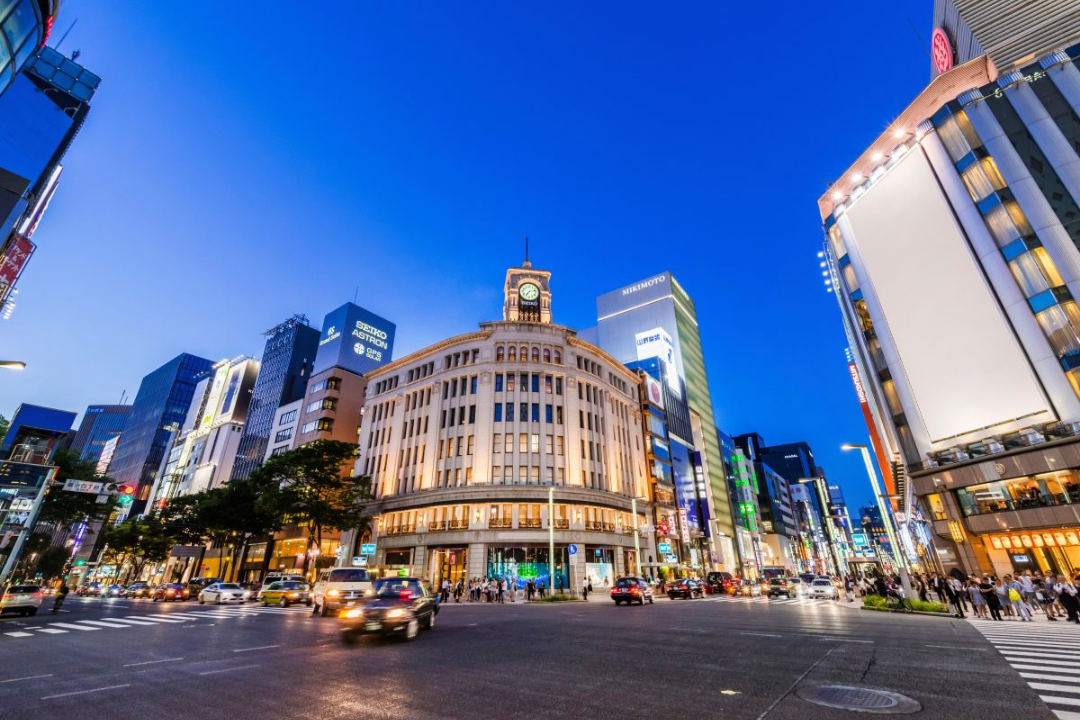
Designated driver services are not a recent invention in Japan. Their origins trace back more than half a century. In 1966, Toshihiko Usui, the founder of what would later become the Japan Designated Driver Federation Co., Ltd., began offering the service in Ginza after being deeply concerned about the frequent traffic accidents caused by drunk driving. His idea was simple: step in and drive for people who could no longer safely take the wheel.
At the time, it was considered an unprecedented and unusual business, but the demand was clear. The service gradually spread, especially in regional cities where cars were essential for daily life. Although it played an important role in reducing drunk driving, the early years were marked by challenges due to the absence of a legal framework. Unlicensed operators, illegal taxi-like services, and companies without proper insurance were not uncommon, highlighting the need for industry standards and proper oversight.
In response, the Act on Regulation of Substitute Driving Service was enacted in 2002. This law introduced a certification system under each prefecture’s Public Safety Commission and made liability insurance mandatory for operators. With this legislation, designated driver services gained official legal status, strengthening both the credibility of providers and the protection of users.
JDF was among the first companies to obtain certification as a licensed operator and established itself as an industry leader. Today, more than 5,000 designated driver companies are said to operate across Japan, supporting safe transportation from major cities to local communities. Within this growing landscape, JDF continues to play a central role, leveraging its experience as a “pioneer born in Ginza” to raise service quality both in the Tokyo metropolitan area and nationwide.
Initiatives for Safety and Security
Designated driver services can be used with confidence because they are supported by thorough safety measures and professional standards. All substitute drivers are licensed professionals. Since they are responsible for transporting passengers, they hold a Class 2 driver’s license (the same qualification required for taxi drivers). Companies also set strict hiring criteria and provide training in service etiquette and safe driving techniques. At JDF, for example, drivers who are trained in first aid and initial fire response also handle escort services for elderly passengers, demonstrating the company’s strong commitment to driver education and training.
Accident preparedness is equally robust. By law, all designated driver service providers must carry liability insurance with sufficient coverage for both personal injury and property damage. This ensures that in the event of an accident, compensation is handled by the service provider’s insurance, not the client’s own policy. JDF is a member of an industry mutual aid association authorized by the Ministry of Land, Infrastructure, Transport and Tourism, enabling prompt and responsible responses should any issues arise.
“Safety first” is a shared value across the industry. Measures such as equipping escort vehicles with visible indicator lights for nighttime use, enforcing regular alcohol checks on drivers, and maintaining vehicles thoroughly are put in place to give customers complete peace of mind.
Diversifying Services and Contributions to Society
Chauffeur services have evolved far beyond simply driving customers home after drinking. In recent years, they have expanded to meet a wide range of needs. JDF not only handles late-night requests but also provides daytime services such as dispatching dedicated drivers for business use, managing executive vehicles, and supplying drivers for events. Their expertise and hospitality are also valued in specialized settings such as transporting embassy officials or supporting TV production crews on location. In addition to standard passenger cars, they can operate large vehicles, including buses and trucks. In leisure settings, they offer round-trip driving for golf outings and travel, airport and train station transfers, and sightseeing tours, providing safe, comfortable, and convenient transportation.
Private-use services are also increasing. Offerings now include transportation to and from medical appointments for seniors or people with disabilities, driving with pets, and accompanying beginner drivers during practice sessions. Beyond covering “after drinking” situations, chauffeur services are becoming part of a wide variety of everyday scenarios. They continue to evolve as flexible, customer-focused solutions that support daily life.
Long-established chauffeur companies like JDF also contribute actively to their communities. JDF continuously supports children’s cafeterias that aim to prevent child poverty and isolation, working toward a society where no one is left behind. Beyond their core business, these companies hold traffic safety classes and participate in community campaigns to eliminate drunk driving, playing an important role in building a safer and more supportive society. The expertise and hospitality developed through “safely delivering people” are also applied to social contribution activities.
Conclusion
Born from Japan’s determination to eliminate drunk driving, chauffeur services have grown beyond a simple convenience business and become an important part of the nation’s social infrastructure that supports safety and peace of mind. Thanks to the dedication of many providers, including JDF, an environment has been created in which everyone can travel home safely and confidently. The drivers who quietly assist those unable to take the wheel can truly be considered unsung heroes. In a society known for strict enforcement and high ethical standards, their work helps prevent tragic accidents and ensures that people return home safely.
This uniquely Japanese service reflects a blend of traffic safety and the spirit of hospitality. The sight of professional drivers who, even late at night, take the wheel with care and a warm attitude embodies values cherished in Japan: safety, security, and kindness. For visitors from abroad, chauffeur services offer both surprise and reassurance, and they continue to evolve as a distinct part of Japanese culture. With the goal of achieving zero drunk driving, these professional drivers entrusted with the wheel continue to guide Japan’s nights today.
FAQ About Designated Driver Service
1. How Are Designated Driver Services Different From Taxis?
A designated driver service involves a professional driver operating the customer’s own vehicle on their behalf. Unlike a taxi, where passengers ride in the company’s vehicle, customers travel home in their own car while the driver takes the wheel.
2. Why Do Two Staff Members Arrive For The Service?
Designated driver services typically operate with two staff members. One driver operates the customer’s vehicle, while the second follows in a separate escort vehicle. This system allows the driver to return and continue working after the service is completed.
3. Can Customers Ride In The Escort Vehicle?
No. Under Japanese law, customers are not permitted to ride in the escort vehicle. They must remain in their own car, usually in the passenger or rear seat, while being driven to their destination.
4. Can The Service Be Used Even Without Alcohol Consumption?
Yes. Although commonly associated with drinking, designated driver services are also used by people who are tired, unwell, uncomfortable driving in bad weather, or otherwise unable to drive safely.
5. Is The Service Available Immediately Late At Night Or During Busy Periods?
Wait times may occur depending on demand. Friday and Saturday nights are particularly busy, and waits of one to three hours are possible in some areas. Therefore, reservations are recommended for smoother service.
6. What Qualifications Do The Drivers Have?
Drivers transporting customers in their vehicles are required to hold a Class 2 driver’s license in Japan. They also receive professional training in safe driving and customer service.
7. What Happens If An Accident Occurs?
By law, designated driver companies must carry liability insurance. If an accident occurs during the service, compensation is generally handled through the operator’s insurance coverage rather than the customer’s personal auto insurance.
8. How Are The Fees Calculated?
Fees are usually based on a base rate plus additional charges depending on driving distance and time of day. Late-night surcharges or waiting fees may also apply, and estimated pricing can typically be confirmed in advance.
9. Can The Service Be Used During The Day For Activities Such As Golf Or Travel?
Yes. Designated driver services are not limited to nighttime use. They are also used for daytime transportation, including golf outings, sightseeing trips, and airport transfers.
10. Why Are Designated Driver Services So Common In Japan?
Japan has strict laws and social expectations regarding drunk driving, with responsibility extending not only to drivers but also to passengers and alcohol providers in some cases. Designated driver services play an important role in supporting safe transportation and preventing drunk driving.