What Are Gyoza Vending Machines? Japan's New Food Infrastructure for Buying Restaurant-Quality Dumplings 24/7
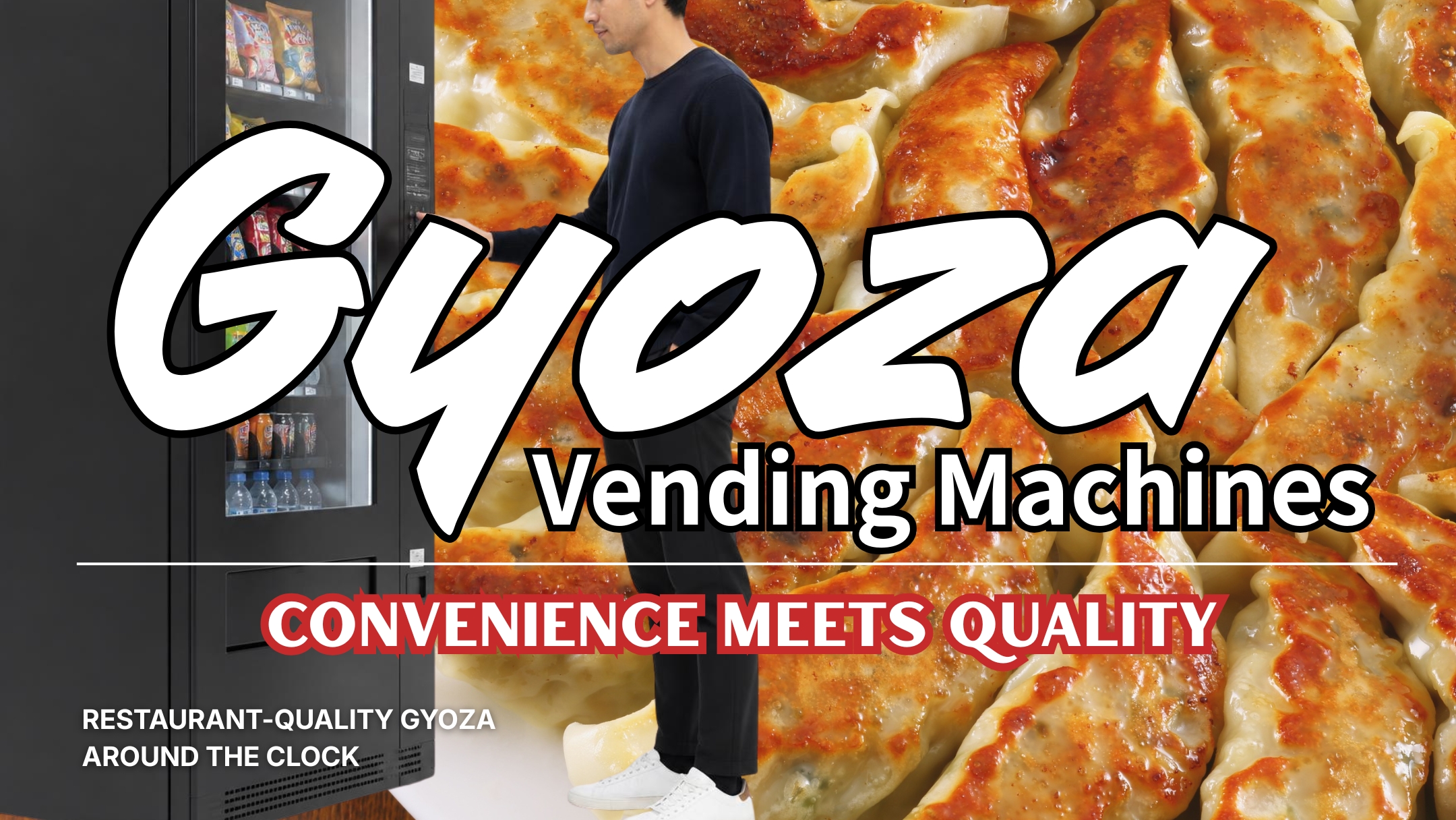
In recent years, one of the most noticeable additions to Japan's streetscape has been the rise of gyoza vending machines. These machines let customers buy frozen or ready-to-cook gyoza without interacting with store staff, making restaurant-quality dumplings available 24 hours a day.
Traditionally, people in Japan enjoyed gyoza at specialty restaurants or Chinese restaurants, or bought frozen dumplings from supermarkets to cook at home. Gyoza vending machines have introduced a third option. Customers can now purchase the same dumplings served by popular restaurants directly from vending machines located outside the shop or at unmanned sales locations. After taking them home, they simply cook the frozen dumplings in a frying pan to enjoy an authentic restaurant-style meal.
This concept is a natural extension of Japan's well-established vending machine culture. While many countries associate vending machines primarily with drinks and snacks, Japan has long used them to sell everything from umbrellas and fresh eggs to daily necessities. As a result, buying food from a vending machine feels perfectly normal to many Japanese consumers. Gyoza vending machines represent one of the newest evolutions of this uniquely Japanese retail culture.
Their rapid growth was also fueled by changes brought about during the COVID-19 pandemic. Restaurants faced reduced operating hours and fewer customers, forcing many businesses to find alternative ways to generate revenue. Unmanned vending machines offered a cost-effective solution, allowing restaurants to keep selling products around the clock without additional staff.
Changing lifestyles have also contributed to their popularity. As dual-income households become more common and people spend less time preparing meals, demand has increased for foods that are both convenient and satisfying. Frozen gyoza fit this need perfectly because they require minimal preparation while still delivering a restaurant-quality dining experience.
This trend reflects a broader global shift toward convenient, high-quality meals. Many consumers today seek foods that bridge the gap between dining out and cooking from scratch at home. Japan's gyoza vending machines have become one practical answer to that demand.
Gyoza Vending Machine Overview
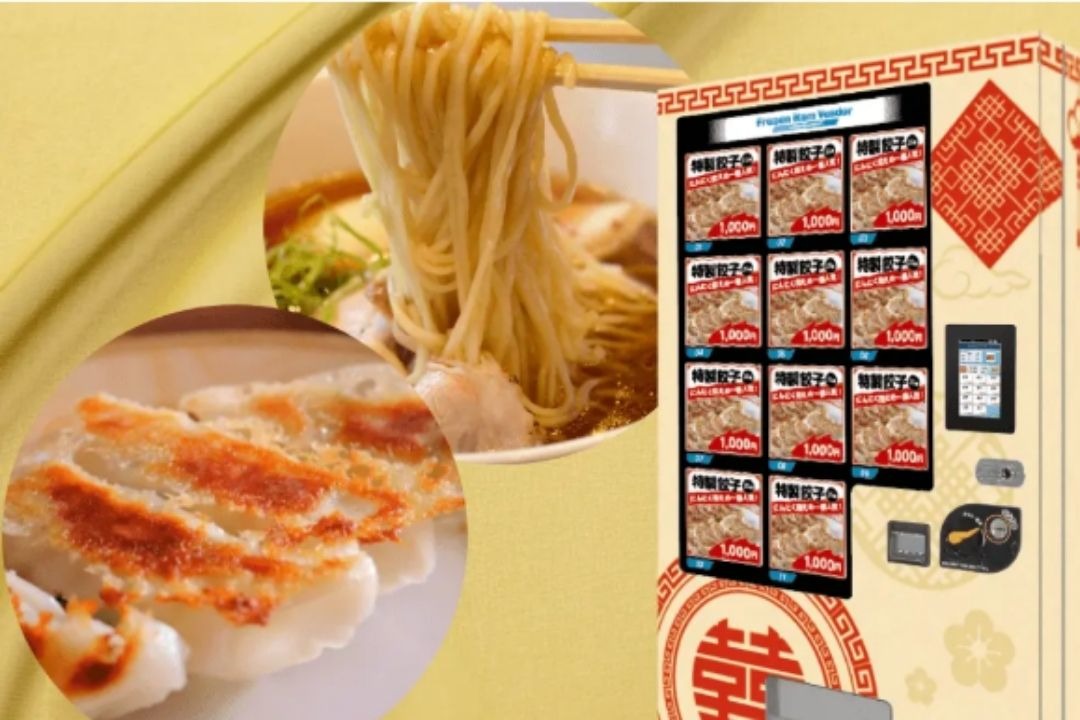
The Gyoza Vending Machine service allows restaurants and food businesses to sell frozen gyoza around the clock without requiring staff to operate a physical shop. The machines can preserve freshly prepared gyoza in a frozen state, allowing customers to purchase restaurant-made dumplings outside normal business hours and cook them at home. Depending on the machine and product configuration, businesses can offer multiple varieties, including fried gyoza, boiled gyoza, and other frozen foods. The machines are also designed for outdoor installation and non-contact, unmanned sales.
The concept reflects how Japan's established vending machine culture is expanding beyond beverages into food and everyday retail. Its machines are not simply as vending equipment but as a way for businesses to expand sales opportunities, reduce staffing requirements, and continue selling products 24 hours a day, 365 days a year. The company also provides installation, product testing, machine customization, wrapping design, and after-sales support, making the service part of a broader approach to automated food retail.
What Is a Gyoza Vending Machine?
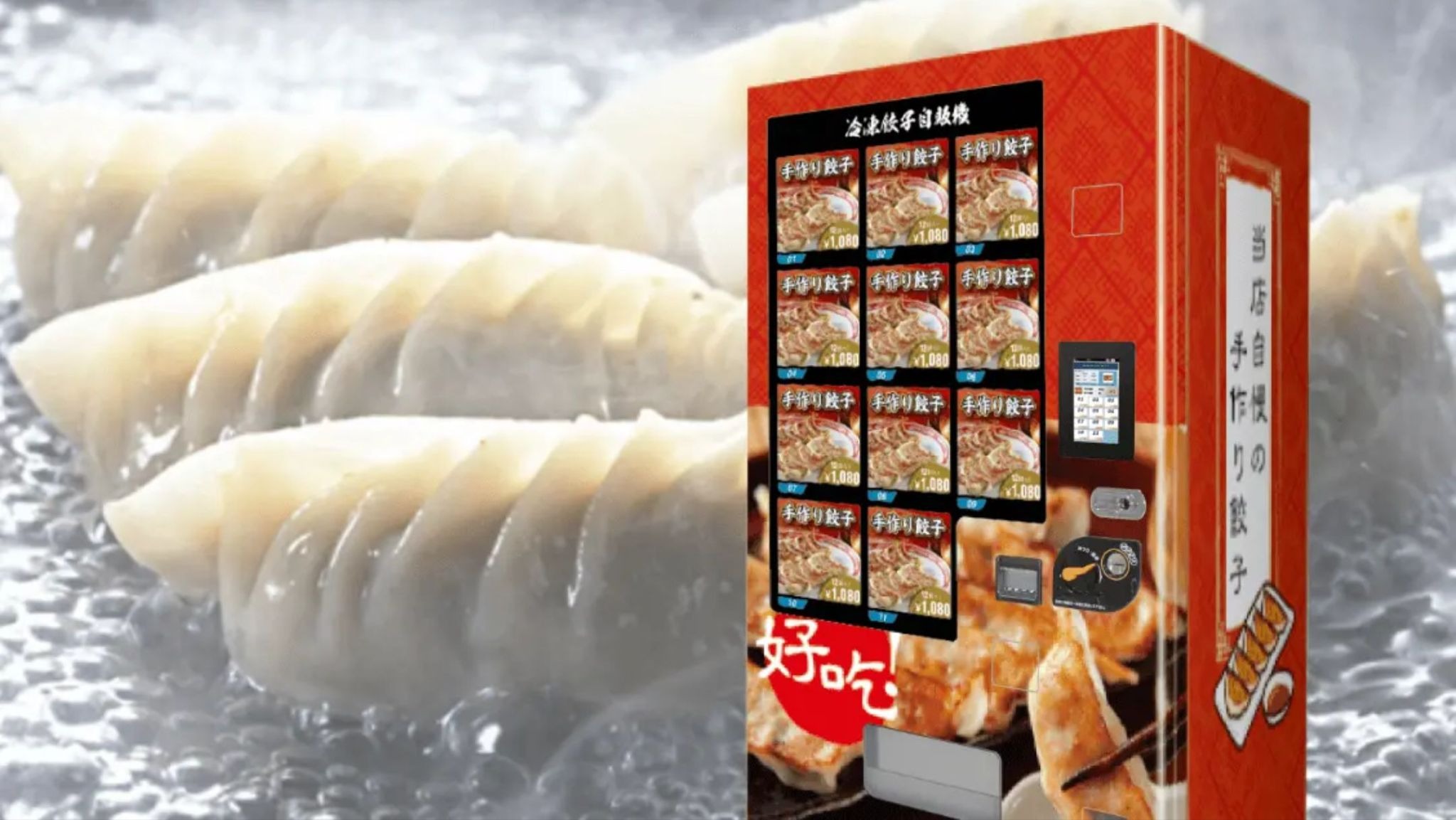
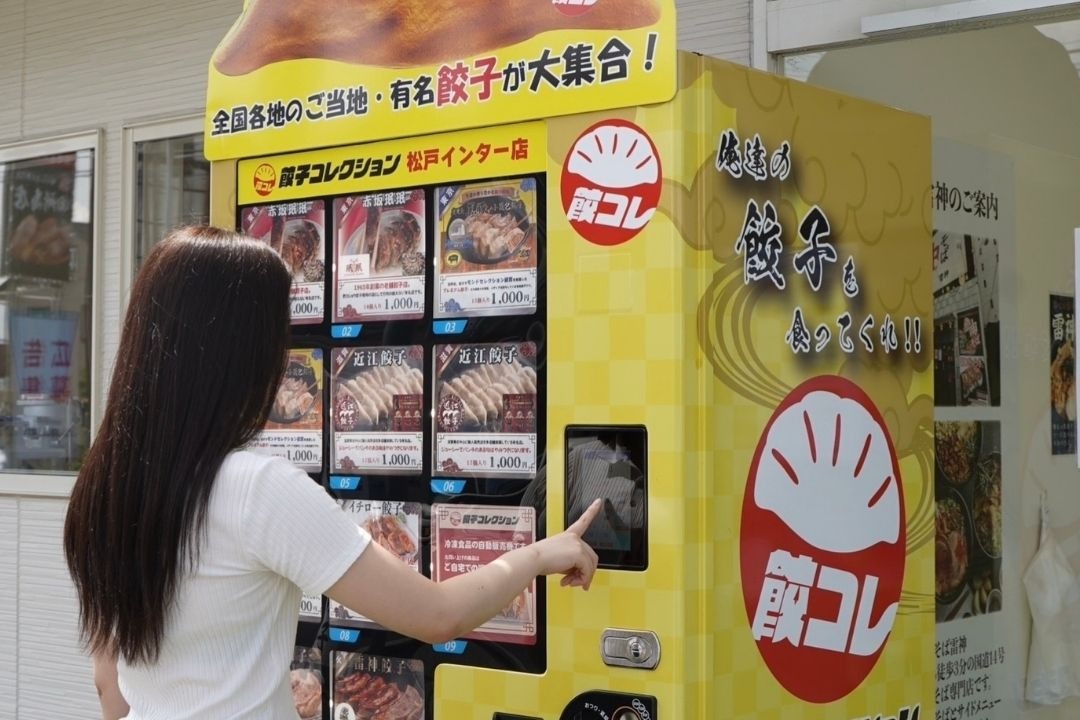
A gyoza vending machine is a vending machine specifically designed to sell frozen dumplings and other prepared gyoza products. Customers simply select their preferred product, pay using cash or electronic payment methods, and collect their purchase, much like they would from a standard beverage vending machine.
Most machines dispense frozen gyoza packaged in boxes or bags. After purchase, customers take them home and cook them in a frying pan according to the included instructions. The preparation process is intentionally simple, allowing even inexperienced home cooks to enjoy restaurant-quality dumplings with minimal effort.
Unlike ordinary drink vending machines, these units are equipped with commercial-grade freezing systems that maintain a consistent low temperature throughout the day. Careful temperature control and food safety measures ensure high product quality while allowing continuous 24-hour operation.
Many gyoza vending machines are installed individually outside restaurants, but it is also common to find unmanned sales locations where several machines are grouped. Because they operate independently of store hours, customers can buy food late at night or early in the morning, whenever it is most convenient.
Modern machines increasingly support cashless payment methods. In addition to cash, many accept smartphones, credit cards, and Japan's transportation IC cards, making purchases even faster and more convenient for everyday use.
By combining advanced freezing technology with Japan's sophisticated vending machine infrastructure, these machines have created a new model for food retail. They make it possible to sell premium-quality food without staff while expanding the role of vending machines far beyond beverages.
From Beverage Machines to Essential Food Infrastructure
What makes gyoza vending machines particularly unique is that they have transformed vending machines from simple drink dispensers into part of Japan's everyday food infrastructure. Traditionally, vending machines were associated with products that could be consumed immediately, such as coffee, soft drinks, or bottled tea. Gyoza vending machines expand that role by selling meal ingredients intended to be prepared at home.
One of their biggest selling points is that customers can enjoy the same dumplings served by well-known specialty restaurants. Many machines are operated directly by restaurants or stocked with products made using the same recipes served inside the establishment. This lets customers enjoy restaurant-quality food without dining in, creating a middle ground between eating out and home cooking.
How Gyoza Vending Machines Make Food More Convenient
The business model also offers significant advantages for restaurant owners. Staffing levels and opening hours limit a traditional restaurant, while a vending machine can continue generating revenue around the clock without requiring employees on site. For many businesses, these machines have become an important additional source of income.
Another strength is their installation flexibility. Gyoza vending machines can be placed outside restaurants, in residential neighborhoods, roadside parking areas, or other convenient locations. In some areas, they provide access to quality food where supermarkets or convenience stores may not be nearby, allowing vending machines to serve as part of the local food infrastructure.
The technology behind these machines is equally important. Reliable freezing systems, accurate inventory management, and strict temperature control ensure that food remains safe and maintains its quality throughout storage. These technologies make unattended food sales both practical and dependable.
For these reasons, gyoza vending machines are much more than a novelty. They represent an evolution in restaurant business models, food distribution, and the way people access everyday meals. As Japan's vending machine culture continues to evolve, gyoza vending machines have become one of its most recognizable innovations.
Why COVID-19 and Labor Shortages Accelerated Their Growth
The rapid expansion of gyoza vending machines was driven by several challenges facing Japan's restaurant industry, with the COVID-19 pandemic serving as a major turning point.
Restrictions on business hours and reduced customer traffic placed enormous pressure on restaurants, particularly those that relied heavily on evening dining. Many businesses realized that depending solely on in-store customers was no longer sustainable and began searching for new ways to generate revenue outside their traditional operations.
Demand quickly shifted toward takeaway meals and contactless purchasing. While delivery services and takeout became increasingly popular, both still required staff and were limited by business hours. Vending machines offered a different solution by allowing restaurants to sell products 24 hours a day without requiring employees to be present. As a result, gyoza vending machines rapidly gained popularity as an efficient way to maintain sales.
How Vending Technology Is Transforming Food Retail
At the same time, Japan's restaurant industry has long struggled with labor shortages. Running a restaurant requires cooks, servers, cleaners, and other staff, making labor costs one of the largest operating expenses. Selling products through vending machines significantly reduces these staffing requirements, allowing businesses to operate more efficiently with fewer employees while improving long-term sustainability.
Consumer lifestyles have also changed. With more dual-income households and busier schedules, many people want meals that are quick to prepare without sacrificing quality. Frozen gyoza meet this demand exceptionally well because they are easy to cook, filling, and convenient to keep in the freezer. Purchasing them from a vending machine makes the process even easier.
Japan's long-standing acceptance of vending machines also helped accelerate adoption. Since consumers are already comfortable buying a wide variety of products from vending machines, purchasing frozen food this way felt like a natural extension rather than a radical change.
For these reasons, the success of gyoza vending machines was not accidental. They emerged at the intersection of growing demand for contactless shopping, ongoing labor shortages, and changing consumer lifestyles. Together, these factors created the ideal environment for a new form of unmanned food retail that continues to reshape Japan's dining culture.
Becoming an Everyday Source of Convenient Home Meals
Source: Jidouhanbaiki Homepage
Gyoza vending machines have become part of everyday life in Japan by offering a quick and convenient way to prepare meals at home. They are especially popular after work, late at night, or when people need an easy dinner option on weekends. Because the machines operate 24 hours a day, customers can buy frozen dumplings even after supermarkets close, making them a convenient option when they want to add another dish to a meal or prepare dinner with minimal effort.
Using a gyoza vending machine is simple. Customers select a product, pay with cash or a cashless payment method, and collect a boxed or bagged package of frozen dumplings. At home, the dumplings can usually be cooked in a frying pan within minutes by following the included instructions. The ease of preparation is one reason they have become so popular with busy households.
These machines can be found in a wide variety of locations. Many are installed outside the restaurants that produce the dumplings. In contrast, others are placed in residential neighborhoods, roadside locations, parking lots, and even dedicated unmanned food shops with multiple vending machines lined up together. In some communities, these locations have become small but valuable neighborhood food hubs.
How Unmanned Food Retail Is Becoming Part of Everyday Japan
Gyoza vending machines are also appearing in tourist destinations and regional cities. Local restaurants often sell their signature dumplings through vending machines, allowing visitors to purchase them even outside normal business hours. This not only creates additional sales opportunities for restaurants but also offers travelers an easy souvenir that represents the local food culture.
Many customers also buy multiple boxes at once. Since the dumplings are frozen, they can be stored in a home freezer for weeks or months and cooked whenever needed. This makes meal planning easier and gives households a convenient backup option for busy days.
For these reasons, gyoza vending machines have evolved beyond being a simple retail channel. They increasingly function as part of Japan's everyday food infrastructure, allowing people to buy quality meals whenever and wherever they need them.
The Combination of Vending Machine Culture, Freezing Technology, and Japan's Restaurant Industry
Source: Jidouhanbaiki Homepage
The rapid success of gyoza vending machines is not the result of a single innovation. Instead, it reflects several strengths that already existed in Japan and came together to create the perfect environment for this business model.
The first is Japan's extensive vending machine culture. Vending machines are an ordinary part of daily life across the country, not only in busy city centers but also in quiet residential neighborhoods. Because Japanese consumers are already accustomed to purchasing a wide variety of products from vending machines, buying frozen food this way feels like a natural extension rather than something unusual.
Another key factor is the high quality of Japan's frozen food technology. Japanese manufacturers have developed freezing methods that preserve flavor, texture, and freshness exceptionally well. Gyoza are particularly well suited to freezing because they can be cooked at home while maintaining much of the quality found in restaurants. Without this level of food preservation, selling premium dumplings through vending machines would be far less practical.
A Convenient Way to Buy Restaurant-Quality Gyoza
Japan's restaurant industry also plays an important role. The country is home to countless independent restaurants, many with distinctive recipes and loyal customer bases. Gyoza vending machines give these businesses an additional way to sell their products beyond the restaurant itself, helping them increase brand awareness while reaching customers who may never dine in person.
Japan's relatively low crime rate is another important advantage. Since food vending machines operate without staff, businesses must be confident that the machines can remain outdoors with minimal risk of vandalism or theft. Japan's safe public environment makes this type of unattended retail much easier to operate successfully.
The growing popularity of cashless payments has also improved the customer experience. Many machines now accept transportation IC cards, QR code payments, and other digital payment methods, allowing customers to make purchases quickly without carrying cash.
Together, Japan's vending machine culture, advanced freezing technology, diverse restaurant industry, safe public environment, and widespread adoption of cashless payments have created ideal conditions for gyoza vending machines to flourish. Rather than being a passing trend, they are becoming a distinctive part of Japan's modern food infrastructure.
A New Model for Unmanned Food Retail Around the World
Although gyoza vending machines have developed into a uniquely Japanese phenomenon, the broader concept of selling food through unmanned systems is gaining momentum internationally. Rising labor costs, worker shortages, and growing demand for contactless shopping have made food automation an increasingly important topic worldwide.
In Europe and North America, vending machines now sell products ranging from pizza and salads to snacks, and some can even prepare hot meals on demand. While these machines operate differently from Japan's frozen gyoza vending machines, they share the same core idea of providing food without requiring staff to serve customers.
Frozen food vending machines have also begun appearing in some markets, particularly in urban areas where around-the-clock access to meals is becoming more valuable. Like Japan's gyoza vending machines, these systems aim to combine convenience with lower operating costs through automated retail.
However, Japan's model of selling restaurant-quality frozen dumplings for customers to cook at home remains relatively uncommon overseas. Part of the reason lies in cultural differences. Cooking frozen gyoza at home is already a familiar part of everyday life in Japan, making the concept easy for consumers to embrace.
At the same time, Japanese cuisine continues to grow in popularity worldwide, and gyoza have become one of its most recognizable dishes. Demand for frozen gyoza is increasing in many countries, creating opportunities for Japanese-style vending machine concepts to expand internationally, particularly across Asia and in regions where Japanese food already has a strong following.
In this sense, while Japan's gyoza vending machines are uniquely Japanese in their current form, the underlying concept of unmanned food retail is becoming a global trend. Similar systems are likely to evolve in different ways as they adapt to local eating habits and consumer preferences.
Solving Labor Shortages and the Demand for Faster Meals
Source: Jidouhanbaiki Homepage
One reason gyoza vending machines have attracted international attention is that they address several modern challenges through a single business model. Among the most significant are labor shortages and rising labor costs, problems that restaurants around the world continue to face. Finding and retaining employees has become increasingly difficult, while payroll expenses continue to grow.
Unmanned vending machines offer a practical solution. Because they require no on-site staff and can operate 24 hours a day, they allow businesses to generate revenue with significantly lower operating costs. This ability to create sales without additional labor makes the model especially attractive to restaurant owners worldwide.
The concept also aligns well with changing consumer lifestyles. As more households have two working adults and busy schedules become the norm, people increasingly look for meals that are quick to prepare without sacrificing quality. Many consumers want something that falls between dining out and cooking an elaborate meal from scratch. Frozen restaurant-quality gyoza fit this need by offering a satisfying meal that can be prepared in just a few minutes.
Growing interest in contactless services has further strengthened the appeal of unmanned retail. Since the pandemic, consumers have become more comfortable using services that minimize face-to-face interaction. Vending machines allow customers to purchase food quickly and independently while also supporting higher hygiene standards.
These machines also contribute to more convenient urban living. Having access to quality food at any hour provides flexibility for people with irregular work schedules or busy lifestyles. As cities continue to seek more efficient ways to deliver goods and services, unmanned food vending could become an increasingly valuable part of modern retail infrastructure.
For these reasons, gyoza vending machines are more than an interesting Japanese invention. They respond to global challenges such as labor shortages, demand for time-saving meal solutions, contactless retail, and more efficient urban living. That is why Japan's approach is increasingly viewed as a model that could inspire food retailers in many other countries.
Conclusion
Gyoza vending machines represent a new form of food infrastructure that combines Japan's advanced vending machine network with high-quality frozen food technology. By making restaurant-quality dumplings available 24 hours a day, they offer a convenient solution that fits modern lifestyles while bringing specialty restaurant flavors directly into people's homes.
Their rapid expansion was driven by changing consumer behavior during the COVID-19 pandemic, ongoing labor shortages in the restaurant industry, and growing demand for contactless shopping. For restaurants, vending machines have created an additional revenue stream beyond traditional dine-in service. For consumers, they provide an easy way to enjoy high-quality meals whenever they want.
The success of this model also reflects several uniquely Japanese strengths, including the country's established vending machine culture, advanced freezing technology, safe public environment, and thriving independent restaurant industry. Together, these factors allowed gyoza vending machines to spread quickly and become a natural part of everyday life.
At the same time, the broader concept of unmanned food retail is attracting global interest. As countries search for solutions to labor shortages and more efficient food distribution, models similar to Japan's are emerging in different forms around the world.
Ultimately, gyoza vending machines are more than just another vending machine. They represent a new way of delivering food that bridges the gap between restaurant dining and home cooking. As this concept continues to evolve, Japan's approach offers valuable insight into the future of food retail and convenient dining.
FAQ About Gyoza Vending Machines
1. What Is a Gyoza Vending Machine?
A gyoza vending machine is an automated retail system that sells frozen or ready-to-cook gyoza without requiring store staff. Customers can pay with cash or cashless payment methods, then take the dumplings home and cook them to enjoy restaurant-quality flavors. Many machines operate 24 hours a day, making them a convenient way to buy high-quality meals anytime.
2. Why Have Gyoza Vending Machines Become So Popular?
Their popularity grew rapidly due to increased demand for contactless shopping during the COVID-19 pandemic, labor shortages in the restaurant industry, and restrictions on business hours. At the same time, the rise of dual-income households has increased demand for frozen foods that are quick and easy to prepare at home.
3. What Products Are Sold in Gyoza Vending Machines?
Most gyoza vending machines primarily sell frozen dumplings. Depending on the restaurant, customers may also find meat gyoza, vegetable gyoza, garlic and garlic-free varieties, and other frozen foods such as shumai, fried rice, and additional side dishes.
4. What Are the Benefits of Gyoza Vending Machines?
One of the biggest advantages is being able to purchase restaurant-quality food 24 hours a day without entering a restaurant. The frozen dumplings are easy to prepare at home, making them a convenient choice for busy weeknights or for keeping stocked in the freezer for future meals.
5. Where Are Gyoza Vending Machines Usually Installed?
They are commonly installed outside gyoza specialty restaurants, but you can also find them in residential neighborhoods, roadside locations, unmanned food shops, parking lots, and other convenient spots. In some regions, they are even placed in tourist destinations where visitors can purchase local specialty dumplings as souvenirs.
6. How Do Gyoza Vending Machines Keep Food Fresh?
Gyoza vending machines use commercial freezing systems to maintain consistently low temperatures while storing products. Careful temperature control helps preserve food quality and ensures the frozen dumplings can be sold safely around the clock.
7. Are Food Vending Machines Common Outside Japan?
Food vending machines are becoming more common in many countries, with machines selling products such as pizza, salads, snacks, and other prepared meals. However, Japan's model of selling restaurant-quality frozen gyoza through unmanned vending machines remains relatively unique and has attracted international attention.
8. Why Have Gyoza Vending Machines Been So Successful in Japan?
Japan already has a well-established vending machine culture, advanced frozen food technology, a relatively safe environment for unattended retail, and widespread adoption of cashless payments. Together, these factors created ideal conditions for gyoza vending machines to become widely accepted.
9. Could Gyoza Vending Machines Become Popular Overseas?
Potentially, yes. As Japanese cuisine continues to grow in popularity and restaurants worldwide face labor shortages, interest in automated food retail is increasing. Since gyoza are already well known internationally, Japanese-style vending machine models could find opportunities in overseas markets.
10. What Is the Future of Gyoza Vending Machines?
As demand for unmanned retail and cashless shopping continues to grow, gyoza vending machines are expected to become an increasingly important sales channel for restaurants. In the future, they may offer a wider variety of products, expand into more locations, and play a larger role in local food infrastructure and modern food distribution.
Related Videos
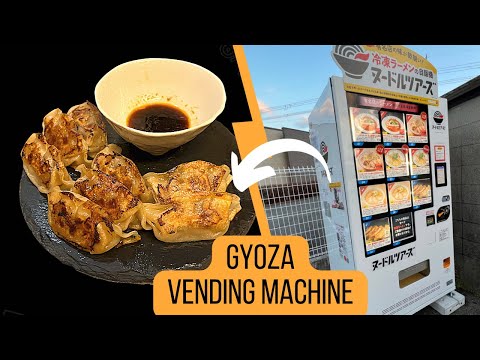
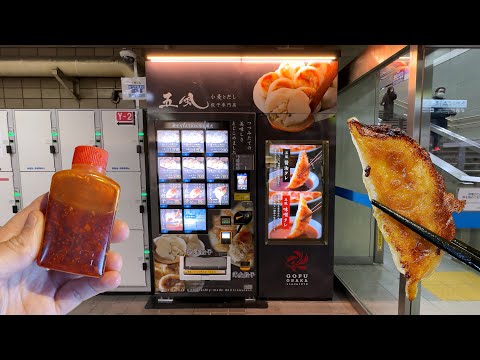
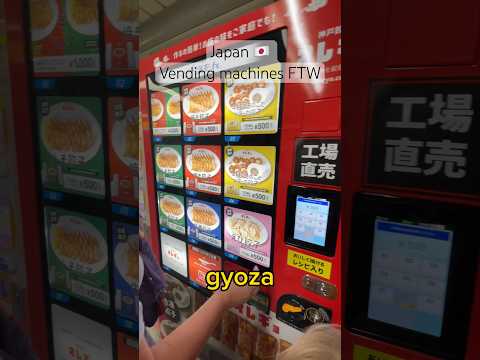
If you're interested in Japan's unique vending machine culture, the video below explores gyoza vending machines that make it possible to purchase restaurant-quality dumplings around the clock. These machines show how Japanese food businesses are combining convenience with new ways to distribute familiar dishes.