
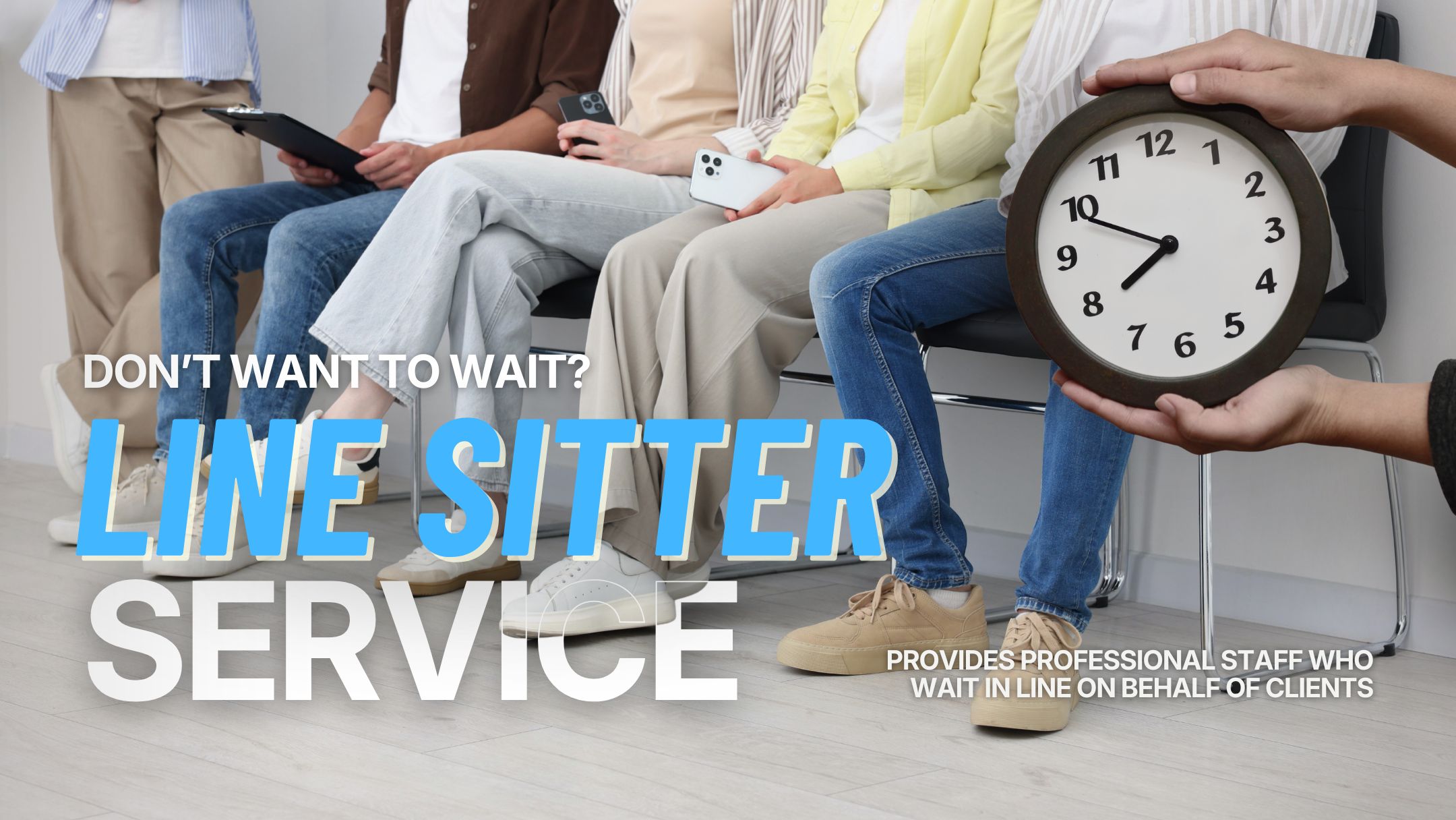
In recent years, as people around the world rethink the value of time, many—especially those living in major cities—are looking for more efficient ways to manage their day. For busy individuals, spending hours in line to attend popular events or purchase limited-edition products has become a significant burden.
It is in this context that Japan’s “line-sitting services” have emerged. One such service, offered by Client Partners, provides professional staff who wait in line on behalf of clients. Whether securing tickets, buying exclusive items, or reserving seats for court hearings, these professionals help clients reclaim valuable hours. Operating flexibly from early morning to late at night in major cities like Tokyo and Osaka, the service allows people to “take back their time.” Similar services are now appearing in cities such as New York and London, reflecting a global shift toward using money to eliminate waiting time.
Line-Sitting Service Overview
The concept is simple. A professional staff member waits in line on behalf of the client to secure a product or ticket. Requests can be made online or by phone with details about the time, location, and purpose. A staff member then goes on-site to handle the task.
Fees are time-based, starting at around 2,500 yen per hour. The service is flexible and fits urban lifestyles, accommodating late-night, early-morning, and long-duration requests. The main benefit is eliminating waiting time entirely, enabling even people with busy work or family schedules to enjoy exclusive items and events.
Client Partners employs only women and places strong emphasis on reliability and safety, giving users peace of mind. Its combination of efficient time management and dependable results has earned it wide popularity.
Client Partners’ Unique Operating Model
Client Partners’ line-sitting service is operated exclusively by women, which helps reassure clients and ensures a high level of attentiveness and safety. This focus on reliability sets it apart from many other substitute services.
The company also runs programs with strong social impact, such as “OK Grandma,” which promotes employment for seniors. Its “Nan-Digi” division supports digital literacy, helping both customers and staff make effective use of digital tools. Although the service does not rely on patents or proprietary systems, quality is standardized through training and workforce development, ensuring consistent service excellence.
Coverage is extensive, with requests accepted for early mornings, late nights, and long waiting periods in cities like Tokyo and Osaka. The service has also been widely featured in the media, including NHK, TV Asahi, and ABEMA Prime, drawing attention as a uniquely Japanese cultural service. This combination of reassurance, trust, and social responsibility highlights Client Partners’ distinctive strengths.
When Is the Service Used?
Source: Narabi Daiko Homepage
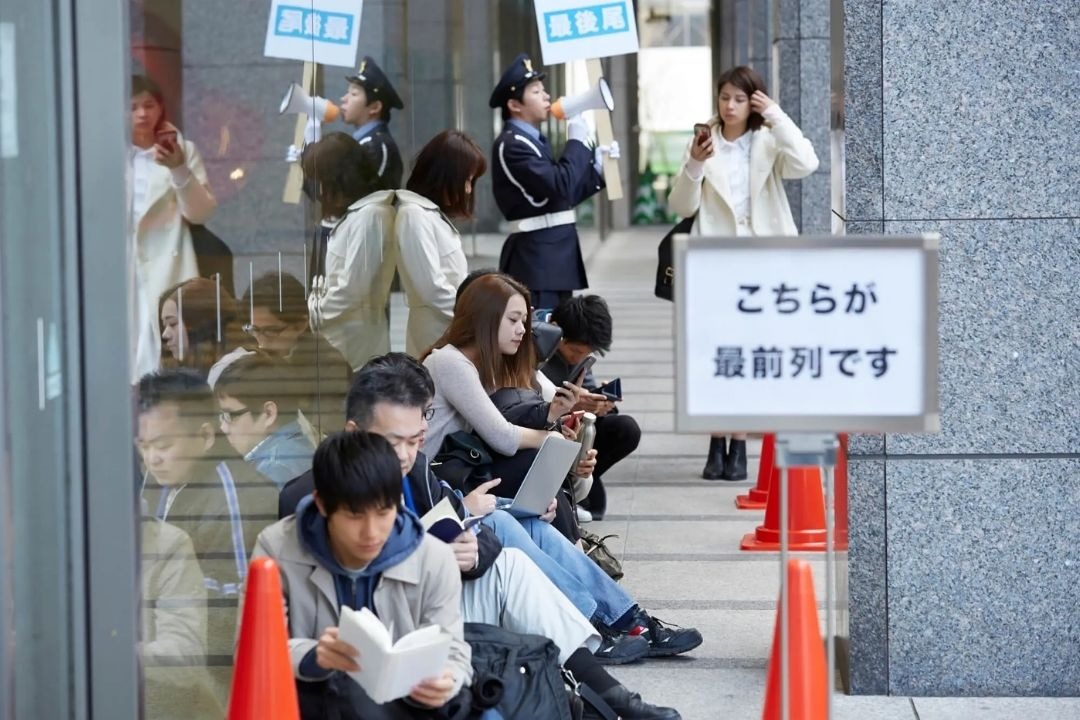
Line-sitting is used for a wide range of situations. Someone who cannot line up due to work may request the service to secure tickets for a popular concert. Others use it to purchase limited-edition sweets or new gaming consoles without spending hours in line.
Families use the service to secure entry passes for theme parks or to hold spots for events that require early-morning queuing. In every case, the greatest benefit is saving time while still obtaining the desired item or experience. It is a perfect solution for today’s fast-paced lifestyle.
A Business Idea Discovered in Everyday Life
The idea for Client Partners’ line-sitting service came from CEO Nobutaka Ishiyama, who noticed how much time people lose simply by waiting in line. Balancing work, childcare, and housework made him realize how difficult lengthy queues were for busy individuals. This inspired him to create a service that allows people to spend their time on more meaningful activities.
Another characteristic of the service is that it is operated entirely by women, which enhances safety and attentiveness. The “OK Grandma” program offers work opportunities for seniors, while the “Nan-Digi” division provides digital literacy support for clients and staff.
With coverage for early-morning, late-night, and long-duration requests in major cities, and with frequent media exposure, Client Partners has become known as a lifestyle service that meets the needs of modern urban living.
A Service Rooted in Local Communities
Client Partners’ line-sitting service offers more than convenience. It is closely connected to local communities and reflects Japan’s urban culture. Operated mainly in Tokyo and Osaka, the service supports busy city residents who need help accessing limited products or popular events. This localized approach allows the company to respond flexibly to the expectations and timing of each region.
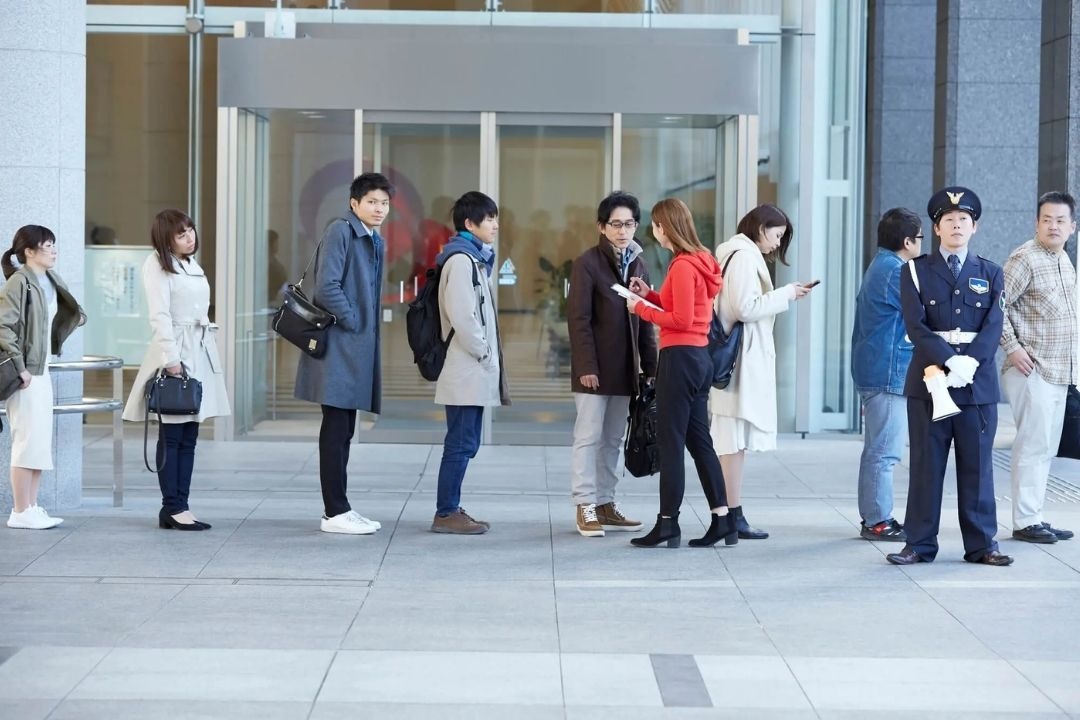
Moreover, the idea of line-sitting aligns with Japan’s distinctive culture of orderly queuing and respecting turn-taking. Because the service is built on an understanding of these social norms, it feels natural and trustworthy to users. For international readers, it stands out as a uniquely Japanese service that blends cultural authenticity with practical convenience.
Line Sitting Expanding Internationally
Source: Narabi Daiko Homepage
Although Client Partners currently focuses on Japan, future expansion overseas is entirely possible. In the United States and Southeast Asia, demand for flexible, personalized shopping experiences is rising, suggesting that Japan’s line-sitting model could find a receptive market.
Social media and influencer marketing can help spread awareness by showcasing customer experiences. Creating an easy-to-use online platform or dedicated app would further reduce barriers for overseas users, and partnerships with local businesses could provide regional insight and additional sales channels. With these strategies, Client Partners could bring Japan’s expertise in time-management services to a global market.
Global Opportunities
Because it streamlines modern life and maximizes efficiency, Client Partners’ line-sitting service has strong potential in international markets. It is particularly well-suited to major cities where demand for exclusive products and events is high and people have limited free time. Cities such as Tokyo, Seoul, Taipei, Hong Kong, New York, and Los Angeles are ideal candidates.
Japan’s cultural emphasis on orderly lines and respect for turn-taking resonates with many Asian countries that also value courtesy and structure, making the concept easier to adopt. The safety and reassurance provided by a women-led staff, combined with the convenience of online booking, also help build trust among first-time users. For these reasons, the service could gain strong support abroad as a uniquely Japanese solution.
Conclusion
Client Partners’ line-sitting service is gaining attention as a unique offering that meets the needs of today’s time-conscious consumers. Overseas, demand for securing exclusive products and event access continues to grow, especially in large urban centers. With cultural compatibility in Asia and intuitive appeal in North America, the service has strong potential to succeed abroad.
Partnerships with local companies could provide market knowledge and customer networks, accelerating adoption. At the same time, global expansion would increase brand recognition and provide valuable feedback for improving the service. Ultimately, this line-sitting model responds to the worldwide focus on time efficiency while offering a promising business opportunity for international markets.
FAQ About Line-Sitting Service
1. How Long Can Someone Wait In Line On My Behalf?
The service can handle anything from short waits of a few hours to long overnight or early morning lines. Requests are typically available on an hourly basis, allowing flexible use for popular events and product launches.
2. Can The Service Also Handle Product Purchases Or Ticket Collection?
Yes. In addition to waiting in line, the service can also complete purchases or secure tickets on the client’s behalf. The scope of the request can be arranged in advance depending on the situation.
3. Is It Possible To Request Early Morning Or Pre-First-Train Lineups?
Yes. The service supports early morning waiting for limited releases, numbered tickets, and other high-demand events, with staff arriving on-site according to the required schedule.
4. Can I Join The Line Later And Switch Places With The Staff Member?
Yes. Clients can arrive later and take over the position from the staff member. This is useful for reducing the burden of long waits while still allowing the client to make the purchase or attend the event personally.
5. What Are The Advantages Of Having Only Female Staff Members?
Many users appreciate the added sense of comfort, safety, and attentive service. This approach is particularly valued by first-time users and individuals who prioritize reliability and trust.
6. Can The Service Handle Long Outdoor Waits Or Bad Weather Conditions?
Yes. Staff members are prepared to handle outdoor conditions and weather changes while maintaining safe and organized waiting arrangements, including long-hour assignments.
7. What Are The Most Common Situations Where The Service Is Used?
Common examples include securing concert tickets, purchasing limited-edition products, and obtaining theme park entry passes or numbered tickets. The service is especially popular when users want guaranteed access but lack the time to wait themselves.
8. How Much Does The Service Cost?
Pricing is generally based on hourly rates, starting at around ¥2,500 per hour. Final costs vary depending on the length and details of the request, and estimates are typically provided in advance.
9. How Should People Think About Using A Line Standing Proxy Service?
The service is often viewed as a way of “buying time.” Even for people with busy work or family schedules, it provides an opportunity to access experiences or products they might otherwise miss.
10. What Is The Biggest Value Of This Service?
Its greatest value lies in removing the burden of long waiting times and allowing people to use their time more efficiently. For many busy individuals, achieving their goal without personally standing in line is the main appeal.