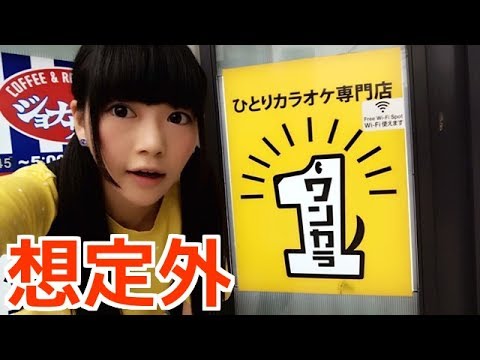

In recent years, living with a focus on personal time and self-care has become popular worldwide. Especially in urban areas, more people are seeking time alone to escape daily stress and anxiety, and solo activities (solo culture) are becoming trendy across various fields. Examples such as solo travel, solo cafés, and solo hot pot dining have already gained widespread recognition. Against this social backdrop, a new form of entertainment linking music and self-expression is gaining attention: solo karaoke.
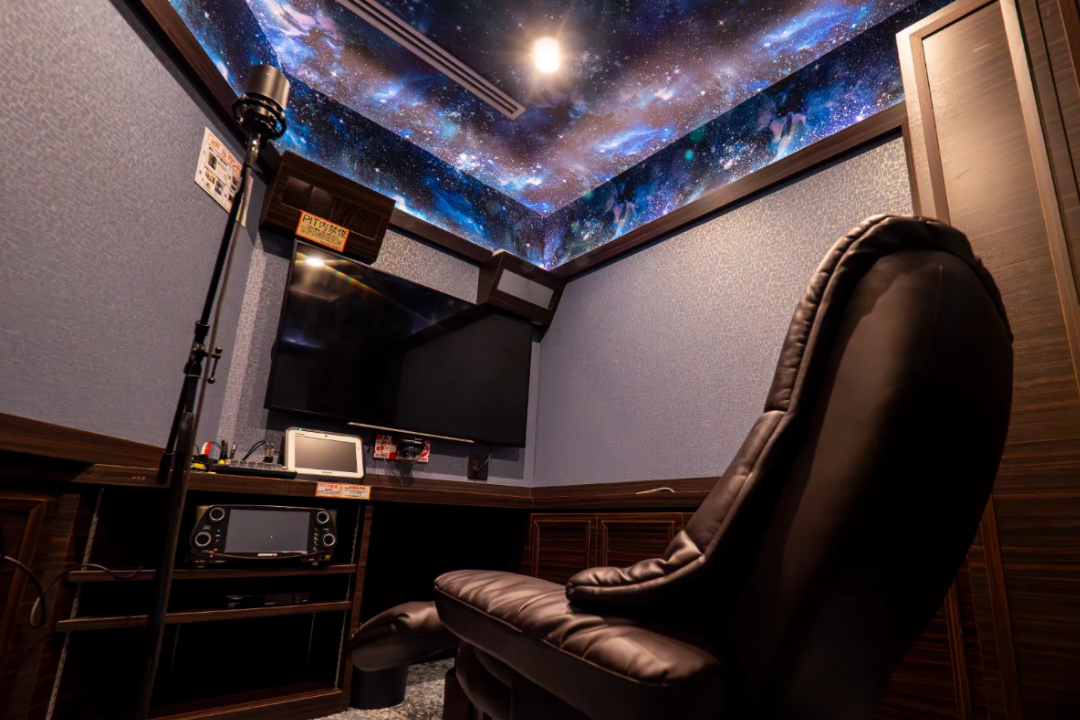
A leading example of this trend is 1Kara (ワンカラ / One Karaoke), a Japan-born karaoke chain specializing in solo singing. 1Kara offers fully private booths (“PITs”) that individuals can use easily, equipped with high-quality headphones and condenser microphones, creating a space that genuinely feels like a personal stage. The store interiors also feature spaceship-like designs to enhance the overall immersion experience.
The purpose of this article is to explain why now is the perfect time to introduce 1Kara to international audiences. Even globally, places where one can enjoy music alone are still underdeveloped, and the concept aligns well with trends in self-care and mental health. As a result, 1Kara presents a fresh and appealing service for international users. Moreover, since the COVID-19 pandemic, demand worldwide for personal services that provide stress relief while maintaining social distancing has increased. This creates an opportunity for Japan to share solo karaoke with the world.
In the following sections, we will first provide an overview of the 1Kara service and then discuss how it can align with international music and entertainment markets.
1Kara Solo Karaoke Overview
1Kara is a karaoke chain in Japan specializing in solo karaoke. Using the service is simple: after checking in, guests are guided to their own private booth, called a “PIT.” Each room comes equipped with high-performance headphones, a condenser microphone, and a mixer, allowing users to enjoy live-quality sound in private. Pricing is time-based, starting from a few hundred yen per hour, with options for free-drink plans and long-hour packages.
Compared to standard karaoke boxes, it is more affordable and allows guests to sing at their own pace. Another key feature is the excellent soundproofing, enabling users to sing without worrying about others. With the latest song distribution systems, users can select a wide range of songs, from Japanese hits to international tracks. As a space for music practice, stress relief, or self-expression, 1Kara offers diverse ways to enjoy singing and is now attracting attention both in Japan and abroad.
A New Standard in Karaoke: How the System Works
Source: 1Kara Homepage
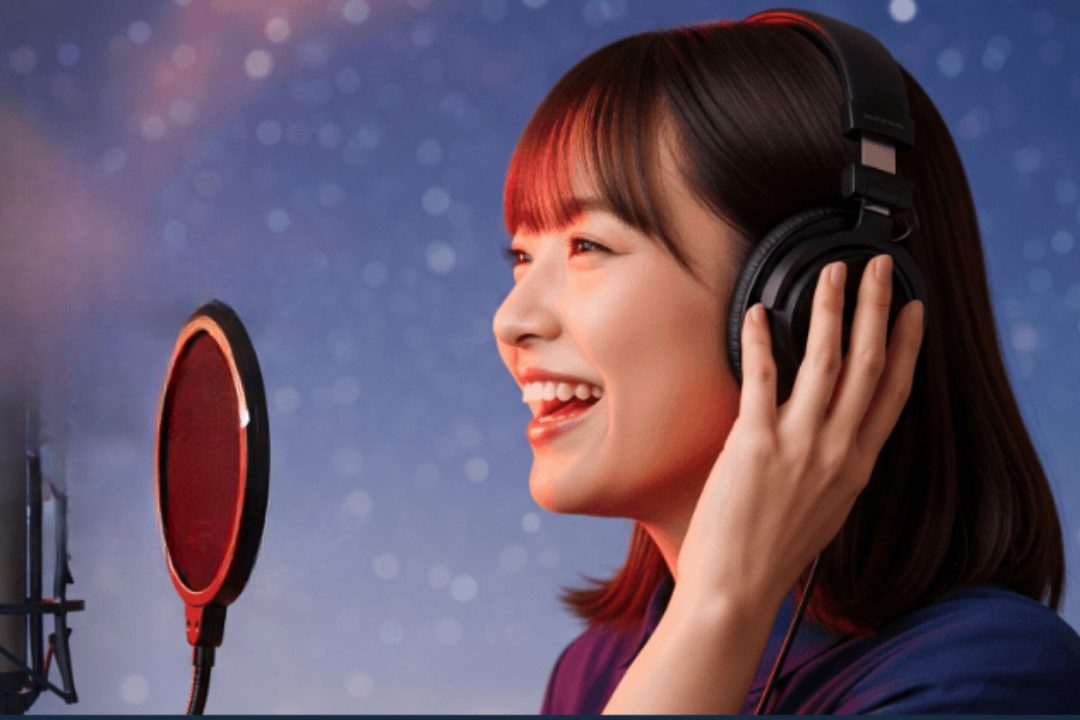
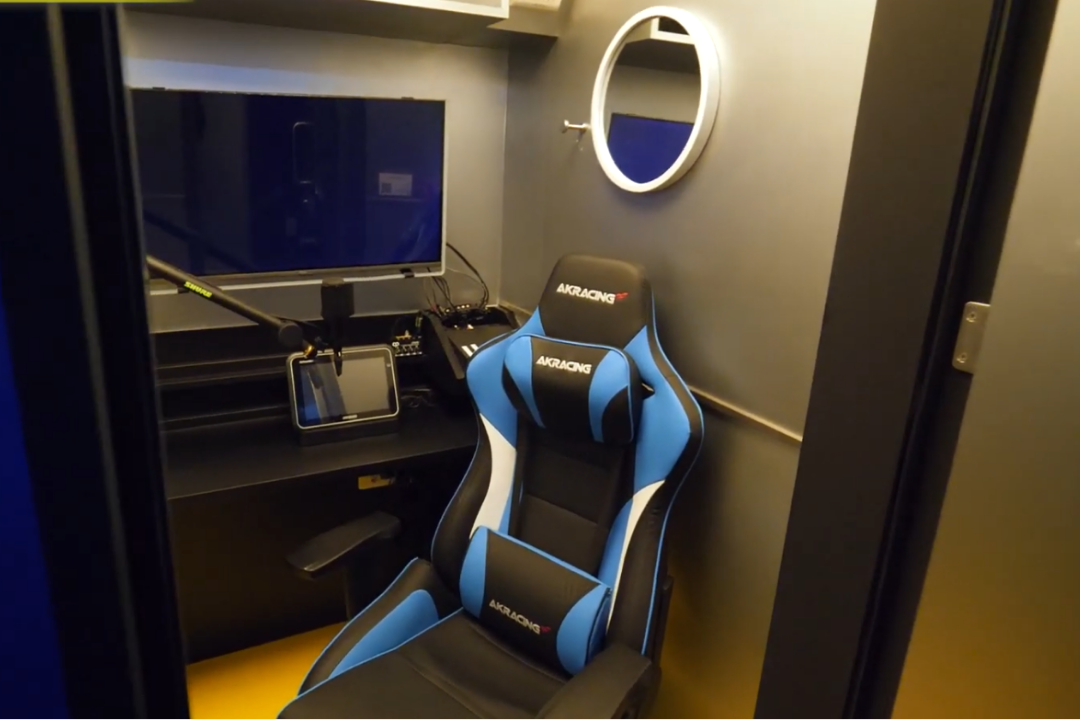
1Kara’s most outstanding feature is its completely solo-oriented space design, unlike traditional karaoke boxes. Each booth, called a “PIT,” is a soundproof room for one person, equipped with a high-performance condenser microphone, dedicated mixer, and professional-grade headphones capable of reproducing concert-level sound. This unique setup also caters to professional-oriented users who practice singing, offering an experience similar to being in a recording studio.
Culturally, it represents Japan’s unique solo activity culture. It transforms karaoke—traditionally a social activity enjoyed with friends or coworkers—into something one can enjoy confidently alone, redefining it as a space for self-expression and self-care.
The experience is further enhanced by spaceship-inspired interiors reminiscent of sci-fi movies and adjustable lighting to suit personal preferences. A service that combines sound and spatial design is rare, even globally, and offers more than entertainment: it provides a stage just for you. This integration of technology, culture, and experience sets 1Kara apart from other services and has drawn international attention as a new Japan-born entertainment concept.
Expanding Applications
1Kara’s value extends beyond entertainment, finding applications across multiple industries. In the music industry, aspiring singers, voice actors, and YouTubers use it for practice or pre-recording vocal checks. By providing an environment where pitch and rhythm can be carefully monitored through headphones—something difficult in conventional karaoke boxes—1Kara helps improve practice efficiency and performance quality.
The education sector has also taken notice. Language schools and international exchange programs increasingly use 1Kara for language learning and pronunciation training through singing. Having a private space to practice repeatedly without concern for others provides learners with great comfort.
Additionally, companies have implemented 1Kara for employee welfare and mental health initiatives. As workstyle reforms and stress management gain importance, 1Kara is valued as a place where employees can drop in and refresh their voices.
These applications span music enthusiasts, educational institutions, and corporations, making 1Kara more than just a leisure facility—it is a new solution for training, learning, and well-being.
How the 1Kara Began
The creation of 1Kara stemmed from recognizing latent demand for hitori karaoke (singing alone) and analyzing customer data from existing operations.
Koshidaka Holdings, the operator of 1Kara, already runs several karaoke chains, including Karaoke Honpo Manekineko. In some existing stores (especially those with stages or dining areas), small private karaoke rooms were introduced, and staff noticed a significant number of customers wanting to sing alone.
Seeing this trend, Koshidaka explored whether a business model catering exclusively to solo customers could succeed. They even built a test room near headquarters, where the development team sang during their spare time, adjusting equipment and refining the setup through trial and error.
In November 2011, the first store, 1Kara Kanda Ekimae, opened near Tokyo’s Kanda Station. As anticipated, it attracted many solo customers and became so popular that lines formed daily.
At the heart of 1Kara’s creation was the idea of providing an environment where people can sing freely alone, and designing an efficient system centered on individual users. Compared with competitors, 1Kara’s smaller rooms, minimal staff interaction (through self-service drink bars), auto-lock private rooms, and soundproof setups with sensitive microphones enabled the company to reduce operating costs while enhancing the customer experience.
Thus, 1Kara was developed as a specialized business model, built from scratch based on the rising trend of solo customers observed in traditional karaoke operations.
1Kara’s Unique Commitment
To ensure guests can enjoy solo karaoke safely and comfortably, 1Kara maintains strict quality control over equipment and operations. Each booth is equipped with professional-grade condenser microphones and commercial headphones, with regular maintenance ensuring optimal sound quality at all times. Store staff routinely check mixers and lighting systems to prevent malfunctions or noise.
Safety is prioritized: all rooms are auto-lock private booths. Security and access routes are carefully managed so that even female customers can feel comfortable from reception to room entry. In terms of hygiene, microphone covers and headphones are thoroughly disinfected to ensure a clean environment. While 1Kara does not explicitly promote international certifications such as ISO, it follows an operations manual rooted in Japan’s spirit of hospitality (omotenashi), ensuring consistently high-quality service across all locations. This meticulous quality control is a key reason why customers return.
The Ideal Karaoke Envisioned by the Development Team
Source: 1Kara Homepage
1Kara was born from the founders’ and development team’s strong desire to create a place where people could confidently enjoy karaoke alone. Karaoke had long been seen as a social activity among friends or coworkers, and many still felt embarrassed to go alone. However, analysis of existing store data revealed high demand from customers who wanted to practice alone or sing casually without pressure.
Recognizing this hidden need, the founders made it their mission to legitimize solo karaoke and launched a specialized business model. During development, they focused not merely on small rooms but on acoustic and soundproof design tailored exclusively for solo users, as well as on creating a safe and comfortable space. The result was a service offering an experience similar to a recording studio. 1Kara embodies the founders’ philosophy of providing a place where people can freely express themselves, transcending mere entertainment.
A New Style Born from Japan’s Solo Culture
1Kara was born from the fusion of Japan’s unique karaoke culture and solo culture, rather than from local tradition. Since the 1970s, karaoke has spread through homes, workplaces, and restaurants in Japan, establishing one of the world’s strongest singing cultures. Recently, activities like dining and traveling alone have become socially accepted, even celebrated.
1Kara emerged from these dual trends, elevating what was once considered embarrassing into a new, confident activity. By opening mainly in urban areas, it aligns with the lifestyles of young people and business professionals, providing communities with spaces for stress relief and self-expression. By adapting the traditional joy of singing to modern city life, 1Kara represents an evolution of Japanese culture and now attracts attention worldwide.
Reputation in Japan
Since opening its first location in Tokyo’s Kanda district in 2011, 1Kara has pioneered Japan’s solo karaoke market. Operated by Koshidaka Holdings, a major company behind Karaoke Honpo Manekineko, it has steadily expanded, particularly in urban areas, according to company reports.
1Kara has become a symbolic example of Japan’s solo culture, frequently featured in the media. Articles from ITmedia and other outlets highlight its unique features, such as highly soundproof “PIT” booths and the headphone-plus-condenser-mic system. Many posts on social media and travel blogs highlight how users can sing freely in their private booths while enjoying professional-quality acoustics. Although specific data, such as awards or sales figures, are not disclosed, 1Kara has established a strong presence in urban Japan, transforming the country’s karaoke culture in a new direction.
Voices from Users
Many international visitors and music fans have shared their 1Kara experiences on blogs and travel media, highlighting the sense of freedom gained from singing to one’s heart’s content, excellent sound quality, and privacy. For example, English-language media outlet Tofugu praised 1Kara’s most excellent appeal as being able to sing whatever you want, at your own pace, without worrying about anyone. Meanwhile, a reviewer from Jaapan.de noted that songs can be selected via a tablet inside the booth, with Japanese and romanized displays available, and that songs in English and Korean are also selectable.
Japanese users’ blogs often reported that they had visited on a weekday afternoon and could hardly hear voices from other rooms thanks to the excellent soundproofing, and that they were able to test detailed vocal expressions using the condenser microphone and headphones. An older article on YouPouch mentioned that hearing one’s own voice through the microphone made users notice even slight pitch shifts, highlighting the service’s appeal to those seeking a high-precision singing environment.
On Instagram, posts described the experience as fun and memorable, noting that even when visiting alone, users still had a great time. These reviews indicated that 1Kara is widely appreciated both as a personal stage for singers and as a space where people can freely express themselves.
Future Strengthening of Global Brand Recognition and Market Reach
Source: 1Kara Homepage
Koshidaka Holdings, which operates 1Kara, has outlined a medium-term business vision called the “EIP (Entertainment Infrastructure Plan),” aiming to evolve karaoke rooms into private entertainment spaces. The company plans to attract new customer segments beyond karaoke users and develop new services. Domestically, its strategy focuses on expanding room numbers through concentrated openings near train stations and commercial areas, as well as rebuilding existing locations.
Looking globally, Koshidaka seeks to expand its Japan-style karaoke business model across Asia, positioning international expansion as a key part of its mid-term growth plan. To strengthen brand recognition, the company aims to leverage content expertise and its membership base while creating touchpoints with new markets. It also emphasizes organizational development, human resource training, and digital transformation (DX) to enhance sales and marketing infrastructure.
International Outlook
With its unique solo karaoke format, 1Kara has potential not only in Japan but also internationally. In Asia, where karaoke culture is well-established, cities in countries like South Korea, Taiwan, and Thailand are seeing growing interest in health and self-care, driving demand for private relaxation spaces. 1Kara’s safe and enjoyable solo environment fits perfectly with this trend.
In Western markets, the rising emphasis on mental health and self-expression, alongside practices like yoga and meditation, has fostered a culture that values time for oneself. Within this context, 1Kara’s approach to stress relief and self-expression through singing offers a fresh concept appealing to music enthusiasts and younger generations.
Additionally, private-room services meet post-pandemic expectations for safe, socially distanced enjoyment, making them appealing worldwide. Rooted in Japanese culture, 1Kara has the potential to create a new global category of solo entertainment.
Conclusion
1Kara is an innovative service that fuses Japan’s unique solo culture with the global trend toward self-care. It's fully private booths with high-quality sound equipment allow people to sing freely without concern for others: an experience that strongly resonates with modern individuals seeking stress relief and self-expression.
Especially in urban areas of Asia and the West, where music and karaoke cultures are already well established, this new format is likely to be well received. The reason global businesses should pay attention to 1Kara now lies in this untapped market. Through partnerships, local companies can introduce a unique Japanese cultural concept as a differentiating factor, while 1Kara gains opportunities for new market development and brand growth. For both sides, this presents a chance to establish a competitive advantage in a rapidly growing international market.
FAQ About 1Kara
1. What Is 1Kara?
1Kara is a solo karaoke service operated by Koshidaka Holdings Co., Ltd.. It features private, soundproof booths called “PIT,” allowing individuals to sing freely without worrying about others.
2. How Is It Different from Regular Karaoke Boxes?
The main difference is that it is designed specifically for solo use. Each booth is equipped with high-quality headphones, a condenser microphone, and a dedicated mixer, providing an experience closer to live performance or recording.
3. Why Is Solo Karaoke Becoming Popular?
Its popularity is driven by Japan’s growing “solo culture” and focus on self-care. It allows users to sing freely without social pressure, making it a popular way to relieve stress and an outlet for self expression.
4. What Types of People Use This Service?
It is used by a wide range of people, including music enthusiasts, aspiring singers, voice actors, VTubers, YouTubers, and language learners. It also serves as a personal training space for vocal practice and pronunciation improvement.
5. Is It Easy to Use Alone?
Yes. Since it is designed specifically for solo users, there is no need to worry about being seen alone. The entire system, from reception to usage, is tailored for individual customers.
6. What Are the Features of the Audio Equipment?
Each booth includes professional-grade equipment such as condenser microphones and studio-quality headphones, allowing users to hear their voice clearly and improve their singing skills.
7. Could It Be Accepted Globally?
Yes, in Asia it aligns well with existing karaoke culture, while in Western markets it has the potential to attract interest as a space for self-care and self-expression. Since the COVID-19 pandemic, global demand for private, individual entertainment spaces has also increased, further supporting its appeal.
8. Does It Help with Mental Health or Stress Relief?
Yes, singing itself is widely recognized as a way to relieve stress, and 1Kara’s key appeal is that users can freely use their voice without worrying about others. In some cases, it is used as part of corporate wellness programs or personal refresh activities, and is valued as a space where individuals can reset and feel mentally refreshed on their own.
9. How Is 1Kara Connected to Japanese Culture?
It combines Japan’s long-standing karaoke culture with its “solo activity” trend. By redefining karaoke as something that can be fully enjoyed alone, it reflects a uniquely Japanese evolution of entertainment.
10. What Is Its Main Value?
Its main value lies in providing a personal space where individuals can perform freely without social pressure. It enables entertainment, practice, and self-care all in one experience.
Related Videos
If you're interested in Japan’s solo entertainment culture, the video below introduces 1Kara, a karaoke venue designed specifically for people who want to sing alone. This video shows how private booths and individual setups create a comfortable space for enjoying karaoke without the pressure of performing in front of others.