

In recent years, changes such as the rise of nuclear families, urbanization, increasing loneliness, and the weakening of personal connections in the age of social media and digital communication have highlighted a growing sense of emotional emptiness in society. In particular, people who have distant relationships with their families or are unable to attend family gatherings due to personal circumstances often feel a void in their sense of “role” or “connection” within the community. Against this backdrop, “rental family” (or “family substitute”) services have begun attracting public attention.
“Family Romance” is a Japan-born family-substitute or rental-family service that offers various forms of role-playing to fill emotional or social gaps — including stand-in attendance, rental grandparents, social media companion appearances, and even scolding role-play services. For example, staff members can attend a wedding as relatives, temporarily play the role of a grandparent, or help stage “picture-perfect” moments for social media. Each service can be customized according to the client’s needs and intentions.
The company operates nationwide, with a network of staff members who strictly uphold client confidentiality in their roles.
This article introduces this unique service and explains why international audiences should learn about it now.
Today, around the world, we are seeing increasingly diverse family structures and a growing number of people living apart from their families due to isolation, loneliness, aging populations, migration, and solo work assignments. Amid this global shift, there is growing interest in concepts such as “substitute families,” “alternative relationships,” and “simulated emotional roles.”
For international readers, this pioneering service, born in Japan, offers an opportunity to explore how it overlaps with existing trends like “rental friends,” “proxy services,” and the broader market for simulated relationships—while also prompting reflection on the cultural and ethical questions these services raise.
Family Substitute Service Overview
“Family Romance” is a professional family-substitute service that provides clients with an “ideal family” or a “needed relationship” tailored to their specific requests. For example, staff members can attend a wedding as relatives, play the role of a father at a child’s school event, or visit an elderly person living alone as a “grandchild.” Requests can be tailored to fit different situations and purposes.
The process is simple: clients consult with the company via its official website, discuss the details of their request, and, after coordination, staff members perform their assigned roles at the specified time and place. Fees vary depending on the content, number of participants, and duration, but typically start at around 8,000 yen per hour, with additional charges for transportation or special preparations when necessary.
One of the main appeals of this service lies in its flexibility—it can be customized to match each client’s personal circumstances—and its strict confidentiality, which allows clients to use it with peace of mind. Offering a new option for human connection, this uniquely Japanese service is gaining attention as a modern way to address the challenges of loneliness and relationships in today’s society.
How the Family Substitute Service Works
Source: Family Romance Homepage
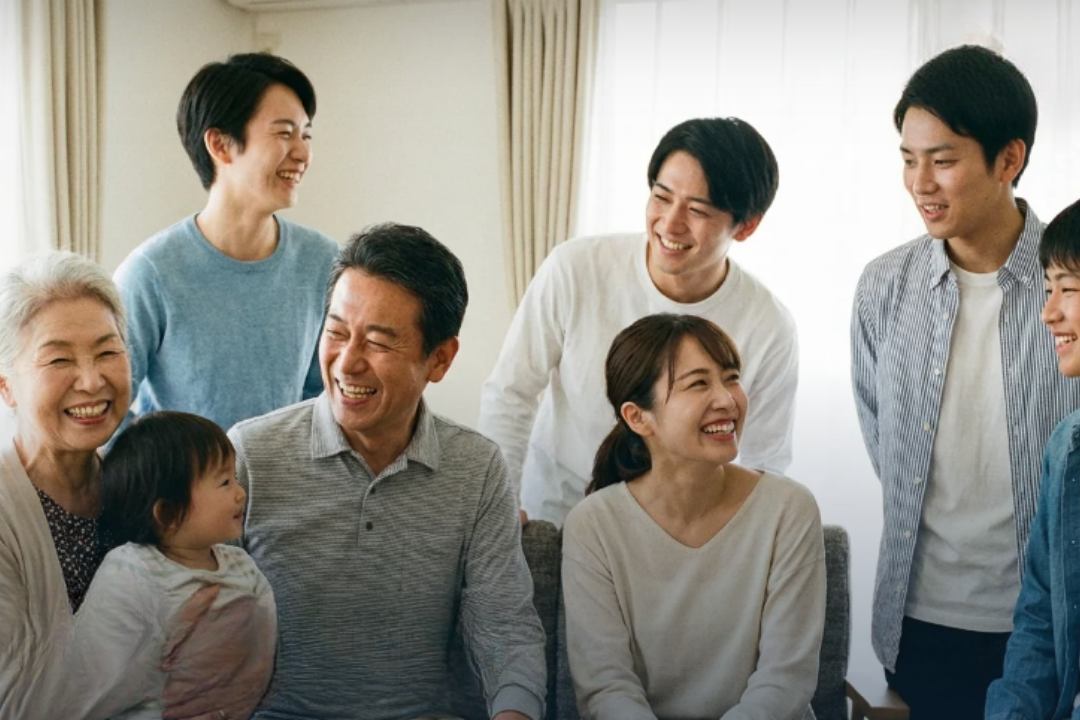
The most extraordinary uniqueness of the family substitute service lies in its very concept — turning human relationships into something that can be “rented.” While other proxy services, such as cleaning, driving, or interpreting, focus on providing specific functions or labor, family substitute services differ in that they replicate roles, emotional connections, and social appearances, making them distinct from other stand-in services.
From an operational standpoint, Family Romance maintains a nationwide network of staff members registered with diverse attributes—such as age, gender, personality, appearance, and acting ability. The company uses a ranking system (F-SSS) to match the most suitable personnel to the complexity of the request and the client’s expectations. Another essential skill in their operations is the ability to design detailed “scripts”—through consultations with clients, staff carefully plan and structure roles to fulfill each specific request with precision.
Turning Human Relationships into a “Rentable” Service Concept
Culturally, the family substitute service is deeply rooted in Japan’s social values—particularly the importance of saving face, a strong sense of shame, and a sensitivity to how others perceive one. These cultural traits make such “pretend family” services uniquely viable in Japan, even as differences in cultural acceptance and ethics make them harder to imagine in other countries.
The relationships and family roles provided through these services are scripted or temporarily constructed, not meant to completely replace real family bonds. This built-in ambiguity allows for a degree of flexibility—clients can benefit from the emotional or social comfort of a “family” without crossing into complete imitation.
Simulated Experiences as Theatrical Social Interaction
Another key distinction of these services is that users can experience simulated relationships as an extraordinary, theatrical form of interaction. For instance, someone might request an actor to portray a father figure they rarely see, have stand-ins attend an event as relatives, or hire a “family” to appear in photos for social media. In this sense, the service offers an experience similar to participating in a personal drama.
In fact, some clients have shared that “after spending time with the stand-in father, I began to feel as if he were my real one,” or “the relationship I requested started to feel almost real.” These reactions highlight how easily emotional immersion can blur the line between performance and reality.
On the other hand, such services inevitably entail ethical risks and raise questions about the boundary between fiction and reality, making it crucial to establish clear operational guidelines for contracts, confidentiality, and psychological care before accepting any request.
Although there are no patents or proprietary manufacturing technologies involved, the very concept of offering human relationships as “customizable modules” is unprecedented—one that carries distinct cultural and psychological originality not found in conventional services.
A Service That Adapts to Various Situations
Family substitute services are used in a wide range of situations—from personal needs to social events. Typical examples include weddings, memorial services, and coming-of-age ceremonies, where staff members attend as a “father figure” or “relative” when actual family members are unable to participate or when distant relationships make it difficult to ask for help. Through this service, clients can maintain the event's proper appearance while also gaining emotional reassurance.
There are also cases in which a “grandchild role” is arranged for a visitor to visit elderly clients, helping ease feelings of loneliness. This approach has gained attention as a supplement to welfare and senior support programs. In addition, more people living apart from their families, such as employees on solo assignments or international students, are using this service in situations where social etiquette or appearances are expected.
Meeting Expectations in Japan’s Culture of Social Harmony
In Japan’s culture, where maintaining social harmony and outward appearances is highly valued, family substitute services play a meaningful role. In fact, Family Romance receives around 300 requests per month, reflecting the strong demand for such arrangements.
For companies and organizations, this service can also be used to add flexibility to event operations or customer relations. For individual clients, the company’s strict confidentiality policies offer an additional sense of security.
In this way, the family substitute service is not just a unique concept but a practical solution that complements modern society’s social and relational needs.
How the Family Substitute Service Began
Family Romance is a rental family service founded in Japan in 2009, born from the unique ideas and social insights of its founder, Tomoki Nishizawa. After graduating from university, Nishizawa gained experience in the staffing industry, where he became particularly interested in people’s needs for connection and social roles.
One day, while attending a friend’s wedding, Nishizawa witnessed a situation in which the friend’s relatives could not participate because they lived far away. This experience inspired the idea that a service providing stand-ins for family members could help solve such problems. As urbanization advanced and trends such as the rise of nuclear families and population aging continued, he also recognized a growing social need amid the weakening ties between family members and relatives.
Recognizing Social Change: Urbanization and Family Fragmentation
With this awareness of social challenges, Family Romance was founded in 2009. The service responds to a wide range of needs, including stand-in attendance at weddings, memorial services, and coming-of-age ceremonies; visits to elderly people who feel lonely; and even “ideal lifestyle” portrayals for social media.
In particular, the company helps clients maintain emotional comfort and social appearance by providing stand-in family members when their real relatives live far away or have become estranged. Through these roles, Family Romance helps individuals maintain both peace of mind and a sense of belonging in society.
In the early days, public awareness of the service was low, and it was difficult for people to fully understand its purpose. However, through media coverage and word of mouth, it gradually attracted attention. Today, the company receives around 300 requests per month, reflecting steady, growing demand for its services.
In this way, Family Romance emerged from its founder’s personal experiences and awareness of social challenges. It has since evolved into a service that offers a new form of human connection suited to the realities of modern society.
The Founder’s Idea of Family

Source: Family Romance Homepage
Yuichi Ishii, the founder of Family Romance, launched the family-substitute service to address the growing sense of isolation and weakening human connections in modern society. With urbanization, the rise of nuclear families, aging, international study, and solo work assignments, more people live physically and emotionally apart from their families, and many struggle with the absence of a “family presence” during important life events or social occasions.
Recognizing this need, Ishii made it his mission to provide flexible, personalized services tailored to each client’s circumstances and desires—offering emotional support and a sense of belonging in a world where traditional family ties are increasingly challenging to maintain.
Restoring the Sense of “Family Presence” in Everyday Life
When Family Romance was first established, the idea of a “substitute family” was almost unheard of in Japan, and gaining public understanding and acceptance posed a significant challenge. However, guided by his belief in easing clients’ loneliness and emotional burdens while enriching the critical moments in their lives, Yuichi Ishii developed a distinctive service model. This included careful staff selection and training, strict confidentiality and contractual procedures, and flexible customization of each role.
Beyond simple role substitution, Ishii focused on maximizing clients’ psychological satisfaction, taking into account not only the roles performed but also the emotions and social appearances experienced through them. His philosophy centers on “providing joy beyond what is real.” For Ishii, the true essence of the service lies in creating experiences where clients can genuinely feel the presence of family—even within a formal or temporary relationship.
This vision has driven Family Romance's growth, which now handles over 300 requests per month, establishing itself as a socially meaningful service that brings emotional fulfillment to modern life.
A Service Deeply Connected to Japanese Culture
The services offered by Family Romance are deeply intertwined with Japan’s regional culture and traditional customs. In particular, the company plays a vital role in maintaining appearances during culturally significant events such as weddings, memorial services, coming-of-age ceremonies, and Shichi-Go-San (celebrations for children aged 3, 5, and 7)—all of which are of great importance within families and communities.
Even when relatives living in rural or distant areas are unable to attend, clients can rely on stand-in family members to carry out these events smoothly, while still respecting local traditions and family customs. The service is also used at festivals and community gatherings, where stand-in family roles help maintain social connections and cultural continuity without disrupting the spirit of the occasion.
This cultural foundation reflects more than just a service—it embodies Japan’s distinctive emphasis on social harmony, respect for appearances, and consideration for traditional values.
Media Coverage
Family Romance has received extensive domestic and international media attention for its unique substitute family services. In Japan, it has been featured multiple times on major broadcasting networks, including NHK, Nippon TV, Fuji TV, TV Asahi and TV Tokyo. The service has also been covered by newspapers, magazines, and radio programs focusing on wedding stand-ins, rental partners and complaint-listening services.
Internationally, Family Romance has drawn attention through documentaries by VICE and VICE LAND United States, Channel 4 in the UK, and national television in Russia. It has also drawn attention for its cultural significance, prompting global conversation about how families are defined today and how people form and maintain relationships in modern society.
Positive Feedback on Professionalism and Discretion
Customers have shared a wide range of experiences, from attending weddings to emotional support services such as listening to complaints and providing companionship. Many reviews state how the staff blended in effortlessly into events without raising suspicion. Others highlight the genuine emotional relief and gratitude after using the service as a substitute for a friend, parent, or partner, describing Family Romance as a dependable solution for loneliness and for stressful major life events.
Expanding Family Romance Beyond Japan
Building on its success in Japan, Family Romance is now looking to expand internationally. In regions experiencing increasing urbanization and the spread of nuclear families, there is a growing need for services that supplement connections with family and relatives—creating strong potential for acceptance, particularly in Southeast Asia and Western countries.
For international expansion, it will be essential to localize services to local cultures and customs and to collaborate with regional partners. In addition, by enhancing online platforms for matching clients and staff and improving reservation management, the company aims to raise both service quality and operational efficiency.
In addition, the company is working to expand brand awareness through collaboration with social media platforms and influencers, as well as by leveraging word-of-mouth marketing and customer reviews. Both in Japan and abroad, Family Romance aims to communicate effectively with its target audiences and continue expanding its services to meet the diverse needs of its clients.
Potential for Global Expansion
Source: Family Romance Homepage
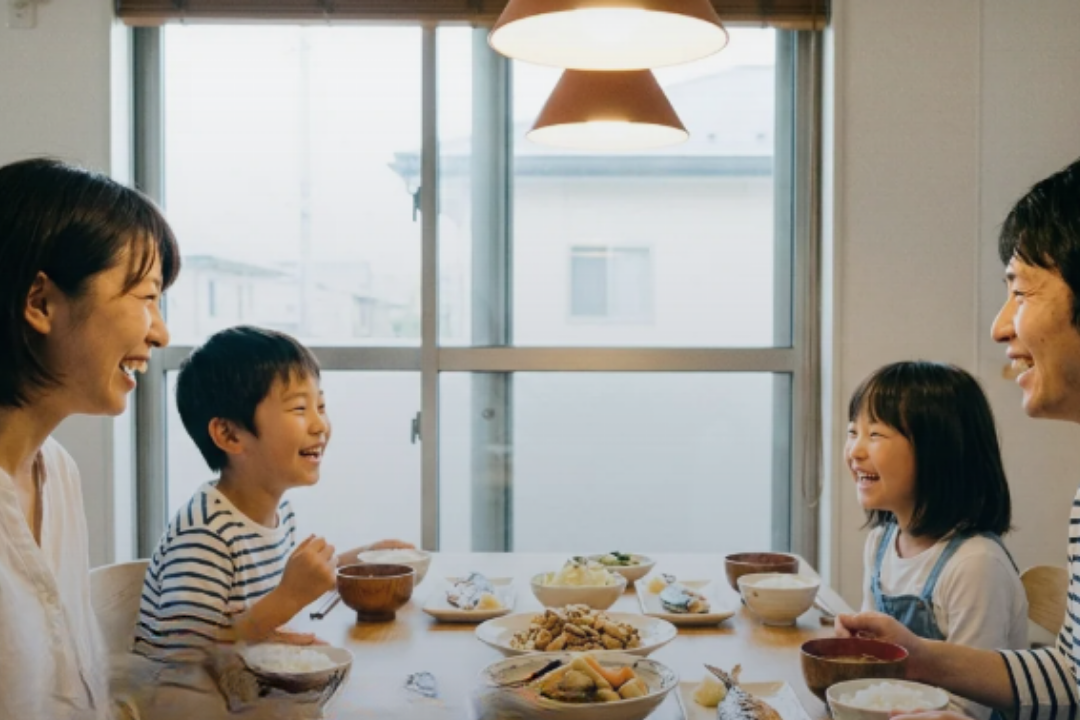
Family Romance is a service rooted in Japan’s unique culture of providing stand-ins for family or relatives, and it has the potential to be embraced abroad as a new form of social value. In regions such as Asia and Western urban areas, where urbanization and the rise of nuclear families have led to growing issues of loneliness and weakened social ties, there is demand among people who wish to maintain a sense of family presence or social formality during key life events—such as weddings, coming-of-age ceremonies, and memorial services.
In regions where social etiquette and maintaining appearances are highly valued, Family Romance is likely to gain support by enabling clients to carry out events with confidence and peace of mind. Moreover, its emphasis on privacy protection and the option for clients to share their experiences on social media make the service appealing to global consumers. In this way, through flexible service design that respects cultural differences, Family Romance holds strong potential to be embraced in international markets.
Conclusion
In modern society, urbanization and the spread of nuclear families have made loneliness and weakened social connections global challenges. Against this backdrop, Family Romance’s services—which provide stand-in family members and emotional support—have significant potential demand internationally.
In particular, in Asian countries and Western urban areas, where many people place strong importance on maintaining family presence and social appearances during key life events such as weddings, memorial services, and coming-of-age ceremonies, the concept is culturally well-suited and likely to be well received.
For International companies, there are significant advantages to incorporating unique services unavailable in their existing markets into their businesses, as this allows them to attract new customer segments. In addition, through partnership, they can leverage Family Romance’s operational expertise and staff-matching system, enabling local companies to expand their services and enhance brand value. For both parties, it also presents a valuable opportunity to enter new markets while minimizing risks.
FAQ About Family Rental Service
1. What Is a Family Rental Service?
A Family Rental Service is offered by Family Romance Co., Ltd., in which staff members act in family roles such as parents, relatives, or grandparents, based on the client’s needs. It is used to provide emotional support or fulfill social roles in events and everyday situations.
2. Why Is This Service Being Used?
It has emerged in response to social changes such as smaller family units, urbanization, and increasing feelings of loneliness. As personal connections become more limited, there is a growing demand for someone to “be present as family,” and this service helps fill that relational gap.
3. What Types of Requests Are Common?
Common requests include attending weddings or memorial services as a relative, acting as a parent at school events, or visiting elderly clients as a grandparent figure. It is also used for social media appearances or as a conversation partner for personal support.
4. How Are Staff Members Selected?
Staff is matched based on factors such as age, gender, appearance, personality, and acting ability. A ranking system is also used to assign individuals according to the complexity and expectations of each request.
5. Do Clients Ever Feel Like It’s a “Real” Family Relationship
Yes, some clients report feeling as if the person truly resembled a real family member. The service can go beyond role-playing to create a sense of emotional connection, distinguishing it from other proxy services.
6. Is It Connected to Japanese Culture?
Yes, it is closely tied to cultural values such as maintaining social appearances and the importance of how others perceive one. It is often used in situations where the presence of family is socially expected, such as weddings or community events.
7. Are There Ethical Concerns?
Yes, there are discussions around issues such as the boundary between real and substitute relationships and the potential for emotional dependence. As a result, clear contracts, confidentiality, and psychological considerations are important aspects of the service.
8. Could This Service Be Accepted Globally?
Yes, as loneliness and weakened family connections are global issues, interest is growing in urban areas across South East Asia, Europe, and North America. It is often viewed as a way to simulate human connection, overlapping with similar “rental friend” or proxy service markets.
9. What Makes It Different from Other Proxy Services?
Unlike services that perform tasks such as cleaning or driving, this service provides “relationships” themselves. Its value lies not in completing a task, but in being present as a family member.
10. What Is the Main Value of a Family Rental Service?
Its main value is that it allows people to experience a sense of human connection, even if only temporarily. It helps fill emotional and social gaps by providing a sense of belonging and reassurance that may be missing in modern life.