
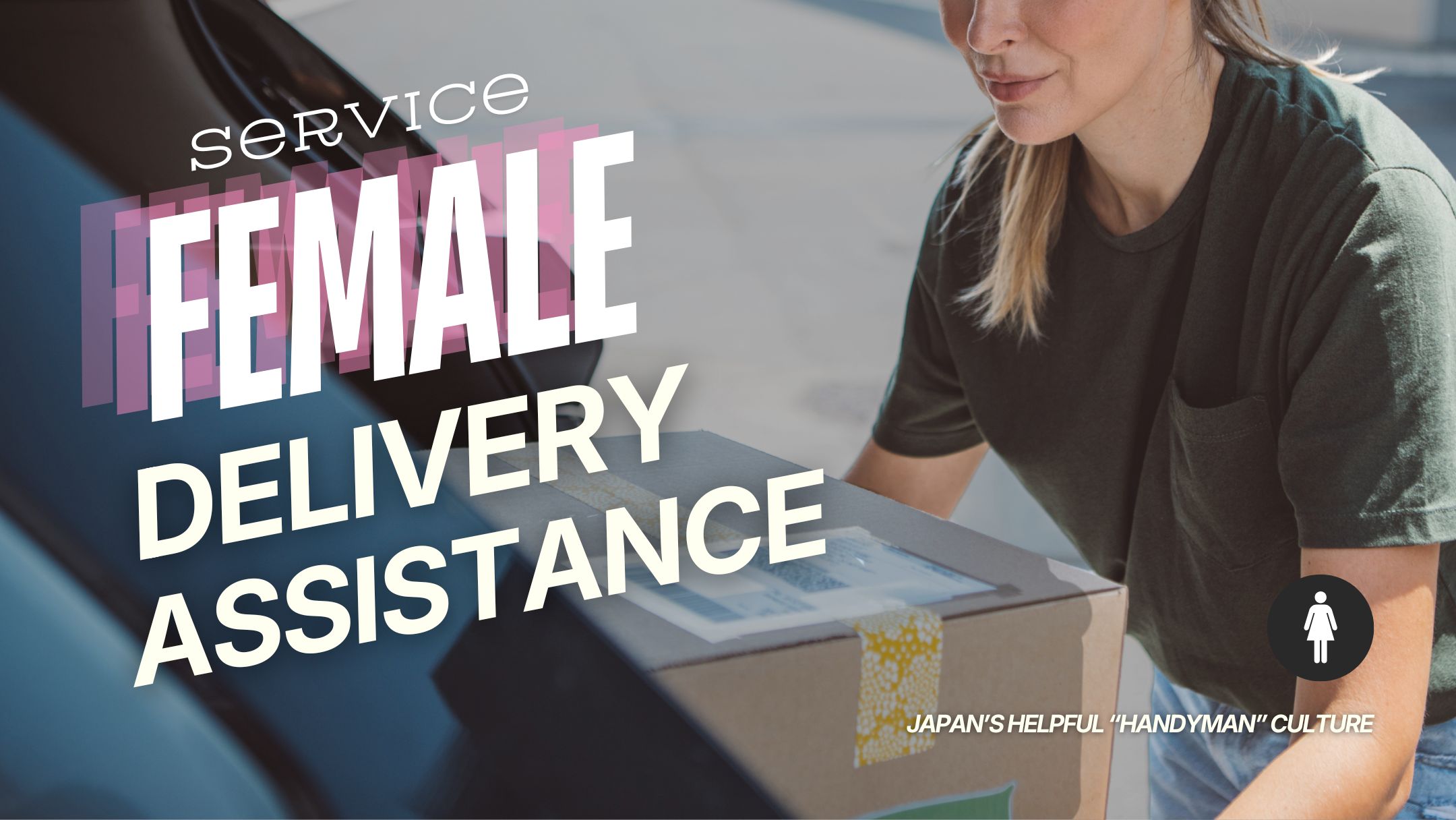
Imagine finding yourself working late one night, only to realize you need to deliver important documents to your company by the next morning. While Japan’s public transportation runs late into the night, carrying items during those hours can pose safety and physical challenges. For women living alone or elderly individuals, going out at night can also bring anxiety. That’s where Japan’s delivery assistance services come in—professionals who safely and reliably deliver packages or documents on behalf of the client.
In Western countries, courier and messenger services exist, but Japan’s delivery assistance services differ importantly: they focus on understanding each client’s specific circumstances and needs. For example, a parent who urgently needs to deliver a forgotten item to school, an elderly person submitting medical paperwork, or a busy professional who cannot wait for a redelivery. The flexibility to accommodate such individual requests reflects Japan’s deeply rooted culture of meticulous personal support.
What makes this service particularly noteworthy is that it is often provided by female staff. Many female clients feel uneasy about letting male workers into their homes. To address this concern, these services are typically staffed by women, ensuring comfort, privacy, and peace of mind for the client. For users, it’s not just about getting a package delivered—it’s about trusting someone who safeguards their personal space and security.
Japan’s handyman or task helper culture has long valued human connection beyond mere business transactions. Even small requests can provide clients with emotional support and reassurance. Delivery assistance is an extension of this spirit—it delivers not only items but also a sense of safety and care. Unlike Western courier systems that emphasize speed and efficiency, Japan’s approach reflects a distinct sensitivity to detail and emotional understanding.
Considering this cultural backdrop, delivery assistance services in Japan are more than just a matter of convenience. They fill the gaps in people’s daily lives and provide emotional security, playing an essential role in Japanese society. For international readers, this service embodies a uniquely Japanese spirit—one that values empathy, trust, and attentiveness in everyday life.
Delivery Assistance Service Overview
The delivery assistance service is a lifestyle support service in which female staff safely deliver packages or documents on behalf of clients. Its key feature is flexibility—it can handle detailed or personalized requests that standard courier or postal services often cannot. For example, it can be used to urgently deliver a child’s forgotten school materials, bring medical cards or documents to a hospital, or deliver daily necessities to elderly parents. The fact that deliveries are handled by female staff provides clients with a sense of security, and the emphasis on privacy and courteous service reflects the uniquely considerate nature of Japanese culture.
While courier and express delivery services focus primarily on speed, this service distinguishes itself by balancing “safety and reliability” with “attentive care.” Because it responds flexibly to each client’s specific needs, it is not bound by standardized procedures, enabling thoughtful adjustments to the situation. As a result, the service offers more than just the physical delivery of an item—it also allows clients to entrust their feelings along with what they send.
The Background Behind Japan’s Delivery Assistance Services
Source: Client Partners Homepage
At first glance, urban life in Japan appears well-organized and convenient, with highly developed public transportation and delivery networks. However, beneath this surface lie several small everyday challenges that individuals often struggle to manage on their own. Delivering packages or documents, for instance, can be unexpectedly burdensome—even if it’s just a short trip.
In dual-income households, both parents are often away at work, leaving no one available to bring a forgotten item to their child’s school. Elderly people may feel physically uneasy about carrying important documents to hospitals or government offices. Meanwhile, busy professionals may not even have time to wait for a redelivery. It is within these small “gaps” of daily life that delivery assistance services have found their purpose.
Reliability and Care in Everyday Service
One of the key reasons female-staffed delivery services have gained attention is the sense of comfort and trust they provide. Many women and elderly clients feel uneasy about allowing male staff into their homes. By having female staff handle these deliveries, concerns about privacy and safety are eased, making the service more approachable and reassuring. This sense of “safe and reliable assistance” has become a driving force behind the service’s growing popularity.
Moreover, Japanese society values punctuality and attention to detail, making delivery assistance a natural fit for the culture. Ensuring that packages and documents are delivered precisely at the specified time and place is more than a matter of convenience—it’s a sign of reliability and respect. Consequently, these services have evolved beyond one-time help, becoming an indispensable part of everyday life.
In essence, the delivery assistance service was born from more than just efficiency—it embodies both peace of mind and cultural value. In a society growing increasingly urbanized and individualized, it stands as an unseen yet vital support system, helping people live their daily lives with greater comfort and security.
Specific Use Cases of the Service
One of the most appealing aspects of delivery assistance services is their flexibility to accommodate a wide range of everyday situations. Unlike Western courier or messenger services, which are often limited to specific types of deliveries, Japan’s delivery assistance services are deeply integrated into daily life and tailored to each client’s unique circumstances.
A typical example is delivering forgotten items to schools or daycare centers. When a child forgets their textbook or gym clothes, it can be difficult for working parents to leave the office to pick them up. In such cases, the parent can simply request a delivery assistant, and a female staff member will take the item directly to the school on their behalf. This allows the parent to stay focused on work while ensuring that the child can continue their day comfortably and without worry.
There is also strong demand for document delivery to hospitals or government offices. When someone forgets their medical card or insurance certificate, delivery assistance can be a great help—especially for elderly people living alone or families whose relatives live far away. In Japan, paperwork remains an essential part of administrative procedures, and many tasks still require presenting the original documents in person. As a result, the need for someone to “deliver important papers on one’s behalf” remains constant and reliable.
Tailored Support for Unique Circumstances
For business professionals, this service can also be a powerful ally. When they need to send essential materials to a client urgently but cannot leave a meeting, a delivery assistant can handle the task. While traditional courier services can do the same, delivery assistants stand out for their ability to follow detailed instructions—such as how to address the recipient and handle the envelope. This attention to detail aligns closely with Japan’s business culture, where formality and politeness are deeply valued.
Delivery assistance services can also be helpful in many small, everyday situations. For instance, an elderly person living alone might want to send a heavy package to a nearby relative, or a woman might wish to deliver food or daily necessities to a friend without going out at night. In Western countries, services like Uber Eats or Instacart are widely used, but they mainly focus on delivering food or purchased goods. In contrast, Japan’s delivery assistance services are unique in that they transport items the client already owns. In other words, they offer flexible help in delivering things people already have but cannot carry or deliver themselves.
When viewed in this way, delivery assistance services clearly span multiple areas of everyday life: support for families and education, help with medical or administrative tasks, assistance for business needs, and peace of mind in daily living. Far more than a simple delivery option, these services serve as dependable partners that fill the small but significant gaps in people’s lives.
The Unique Strengths of Female Staff

Source: Client Partners Homepage
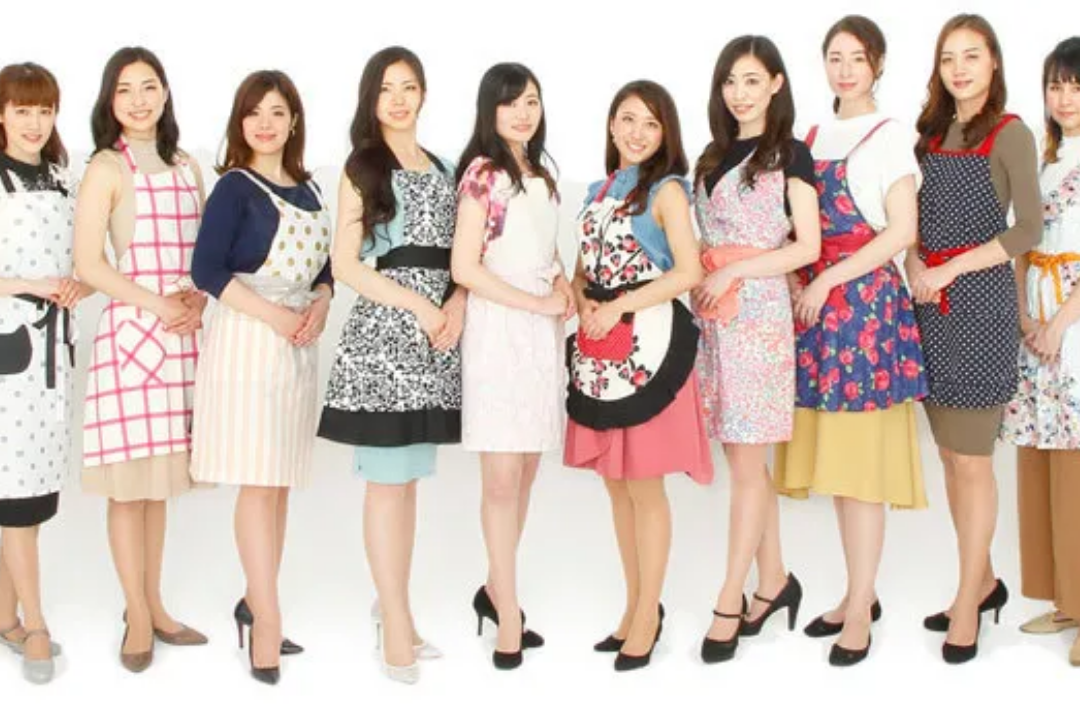
A defining feature of Japan’s delivery assistance services is that they are primarily staffed by women. This is not merely a matter of workforce composition—it directly affects clients’ psychological comfort and reflects cultural values deeply rooted in Japanese society. Many users, especially in Japan, feel more at ease when requesting help from a woman.
For female clients in particular, having a male staff member enter their home can sometimes cause discomfort. Even if the visit is brief, allowing someone into one’s private space can feel sensitive. Female staff, however, are often better able to ease such concerns through their considerate demeanor and attentiveness to privacy. Their ability to offer subtle care and reassurance represents one of the key strengths unique to female staff.
When elderly clients use the service, the presence of female staff also provides a sense of reassurance. For older adults, feelings of hesitation or anxiety about asking a stranger for help can be significant barriers. Female staff, with their gentle demeanor and polite communication, help lower those psychological hurdles.
The Importance of Human Connection in Everyday Support
In many cases, the interaction goes beyond simply delivering an item—it may include friendly conversation or small gestures of concern, such as checking on the client’s well-being. This kind of human warmth is deeply rooted in Japan’s cultural emphasis on personal connection, and is something rarely seen in Western courier or messenger services.
In addition, having female staff as the foundation of the service creates an atmosphere where clients feel more comfortable asking for help. Some people hesitate to use a handyman or odd-job service, thinking it might be too formal or excessive for small tasks. However, knowing that a woman will often come provides reassurance—making clients feel, “It’s okay to ask for help, even with something small.” This sense of ease encourages wider use across different age groups and situations.
In this way, female-staffed delivery assistance services are not merely defined by gender differences. Instead, they represent a system that embodies Japan’s cultural values of safety, trust, and attentiveness. By easing clients’ anxieties and providing emotional support, these women play a vital role in helping people live their daily lives with greater security and peace of mind.
Japan’s Handyman Culture and the Role of Delivery Assistance Services

Source: Client Partners Homepage
The indispensable backdrop to discussing delivery proxy services in Japan is the unique Japanese culture of "benriya" (handyman/odd-job services). A handyman, or "jack-of-all-trades," is, as the name suggests, a service that resolves various daily life issues. Their scope is vast, ranging from assembling furniture, weeding gardens, cleaning, helping with shopping, to even pet sitting and just being a conversational partner. A delivery proxy service can be considered one form that branched off from this handyman culture.
While handyman services and task-request apps exist in the West, the Japanese handyman is distinguished by being more "deeply integrated into daily life," offering support that delves into the client's specific, minute circumstances. This is rooted in both the Japanese cultural emphasis on "attention to detail and meticulousness" and the "progress of individualism leading to a shortage of help." Things people used to ask family or neighbors for are now outsourced to a third party. In this process, the service is expected not just to complete the task, but also to empathize with the client's feelings.
Why Delivery Assistance Goes Beyond Logistics
The delivery proxy service is a prime example of this culture. Unlike mere delivery or messenger services, it inherits the spirit of the handyman and delivers with an understanding of the "client's intent." For instance, it can flexibly handle detailed requests such as, "Please deliver a forgotten item to school and explain the situation to the teacher," or "Please submit a document to the hospital and get a confirmation stamp." These acts are not merely logistics; they are a "handyman for human trust."
Furthermore, the Japanese culture of handyman services tends to emphasize a "system that ensures peace of mind." Assigning female staff to deliver handyman services is part of this. By creating an environment where clients feel comfortable entrusting their tasks, the service lowers the barrier to use. This can be considered a uniquely Japanese value, distinct from the "efficiency-focused" service design often seen in the West.
At the same time, Japanese handyman service is beginning to take on the aspect of a "social infrastructure." Due to an aging population and the rise in single-person households, there is a surge in needs that regional communities alone cannot support. Handyman delivery services are also becoming increasingly necessary in this social context. For users, the service represents "someone who will always help when they are in trouble," transcending mere convenience to become part of the "social foundation for living with peace of mind."
In short, the delivery handyman service symbolizes Japan's handyman culture. For a Western reader, it might appear similar to, yet distinct from, task apps or package delivery services. However, at its core lies the Japanese value system of prioritizing "peace of mind over efficiency" and "human warmth over mechanical response." It is precisely in this that the uniqueness and cultural significance of this service reside.
Real-Life Examples and User Experiences
The actual value of the service becomes clear when we hear the voices and stories of those who have actually used it. While delivery proxy services specialize in solving “small inconveniences,” their impact often turns out to be far greater than users expect.
One working mother realized that her child had forgotten their gym clothes at home, but she couldn’t leave an important business meeting. She requested a delivery proxy, and a female staff member quickly delivered the clothes to the school, politely explaining to the teacher, “The parent is currently in a meeting, so I’m delivering these on her behalf.” The mother later said, “It broke my heart to imagine my child’s worried face, but thanks to the service, I felt relieved.”
In another case, an elderly man forgot his health insurance card at home before a medical appointment. His family lived far away, and returning home would have been physically exhausting. He turned to a delivery proxy service, and a female staff member collected the card from his family and delivered it safely to the hospital. “Without this help, I wouldn’t have been able to see the doctor, and my condition might have worsened,” he said gratefully.
Delivery proxy services also play a key role in the business world. The owner of a small company urgently needed to send an essential contract to a client but couldn’t go personally, and all employees were out. By using the service, he had the document delivered exactly as he instructed: “Do not open the envelope and make sure to hand it directly to the person in charge.” The business owner reflected, “They didn’t just deliver the document—they handled it in a way that preserved our relationship of trust, and I really appreciated that.”
In another case, a woman living alone said, “I was afraid to go out to a convenience store at night, but I needed to deliver some medicine to a nearby friend.” A female staff member handled the delivery for her, allowing her to complete the errand safely and without worry. This is a case where the presence of female staff made it easier for the client to ask for help.
What all these stories have in common is that delivery proxy services serve a purpose beyond simply transporting items. Users are not just satisfied that their packages arrived—they feel that their emotions were understood and that they gained peace of mind. That sense of reassurance is where the actual value of this service lies.
Conclusion
At first glance, delivery proxy services may seem like nothing more than simple “package delivery.” However, as this article has shown, their existence reflects deeply rooted aspects of Japanese society and culture. Social changes such as the rise of dual-income households, the growing number of people living alone, and the aging population have led to an increase in “small problems that can’t be solved without someone’s help.” To fill these gaps, Japan’s unique benriya or “handyman-for-anything” culture has evolved—and from that foundation, the modern delivery proxy service was born.
The appeal of this service lies not only in its speed or efficiency, but in its ability to understand each user’s individual circumstances and respond with care and reassurance. Delivering forgotten school items, bringing documents to a hospital, or safely handing over an important contract—these everyday situations may seem small, yet each directly affects the quality of daily life. The service’s commitment to addressing such needs with reliability and empathy is what earns its users' trust.
In particular, the involvement of female staff members plays a significant role in providing a sense of security. Even for clients who are women or elderly, the service offers an environment where they can feel comfortable without concerns about privacy or safety. Moreover, the ability to act flexibly and attentively according to each request reflects the Japanese cultural emphasis on meticulous care. Unlike Western delivery or messenger services that focus primarily on efficiency, Japan’s delivery proxy services are built around two core values—“reassurance” and “trust.”
These characteristics go beyond simple convenience—they represent an important social function. For elderly individuals and busy families, this service acts as a “safety net for daily life,” quietly supporting their sense of security. Behind every user’s comment, “I was so glad my package arrived,” lies a more profound feeling: the reassurance that someone was there to help. That sense of being cared for is, in many ways, what the service truly delivers.
To Western readers, this concept may seem unusual. Why such attention to detail? Why such emphasis on reassurance? Yet this is precisely the essence of Japanese service culture. Delivery proxy services are built not merely on efficiency, but on the foundation of trust between people. What they carry is not just packages, but human connection and peace of mind.
By solving minor, everyday problems, delivery proxy services bring warmth and peace of mind to people’s lives—embodying a uniquely Japanese sense of cultural value. While it remains uncertain how far this service will spread in the future, the underlying philosophy of “delivering reassurance” will undoubtedly resonate with people across borders.
FAQ About Delivery Assistance Service
1. What Is a Delivery Assistance Service?
A delivery assistance service provided by Client Partners Co., Ltd. is a lifestyle support solution in which staff receive packages or documents on behalf of the client and safely deliver them to a designated location. It is characterized by its flexibility in handling detailed requests that standard courier services may not accommodate, and is used for a wide range of purposes such as delivering forgotten items to schools, submitting documents to hospitals, and transferring daily necessities.
2. How Is It Different From Regular Delivery Services?
Unlike conventional courier services that prioritize speed and efficiency, delivery assistance focuses on personalized handling. It can follow detailed instructions such as delivering to a specific person, conveying messages, or adapting to unique circumstances.
3. In What Situations Is It Used?
It is used in a wide range of everyday situations, including delivering forgotten items to schools, submitting documents to hospitals or government offices, handing over contracts to business partners, and transporting daily necessities for elderly individuals. It is particularly in demand in situations where someone cannot go themselves but needs something delivered urgently.
4. Why Is the Availability of Female Staff Emphasized?
It helps ensure that female users and elderly individuals feel more comfortable making requests. For those who may feel uneasy about home visits or item handovers, having female staff can lower psychological barriers and provide a greater sense of privacy and security.
5. Is It Useful for Elderly People or Those Living Alone?
Yes. As populations age and single-person households increase, the importance of such services continues to grow. For those who cannot carry heavy items or have difficulty going out, delivery assistance functions as part of essential daily support.
6. Is It Related to Japan’s Handyman Culture?
Yes. Delivery assistance services have evolved from Japan’s unique “benriya” (handyman) culture. Rather than simply transporting items, they are based on the idea of solving everyday problems and responding to personal needs with care and understanding.
7. Is It Used in Business Settings?
Yes. It is used for tasks such as delivering important documents or contracts. Beyond simple delivery, it can follow detailed instructions, such as handing items directly to a specific person or including a message, making it well-suited to Japanese business practices.
8. How Does It Differ From International Services?
While delivery services in Western countries often emphasize efficiency, Japanese delivery assistance services focus more on reassurance and attention to detail. They deliver not only items but also the sender’s intentions and circumstances.
9. How Do Users Feel About the Service?
Many users say they felt reassured and able to rely on the service, especially in situations they could not handle themselves. Beyond simply receiving items, it is highly valued for providing a sense that someone is there to support them.
10. What Is the Main Value of a Delivery Assistance Service?
Its main value lies not in transporting items, but in delivering peace of mind. It helps fill gaps in daily life caused by busy schedules or isolation, supporting people so they can live with greater ease and stability.