
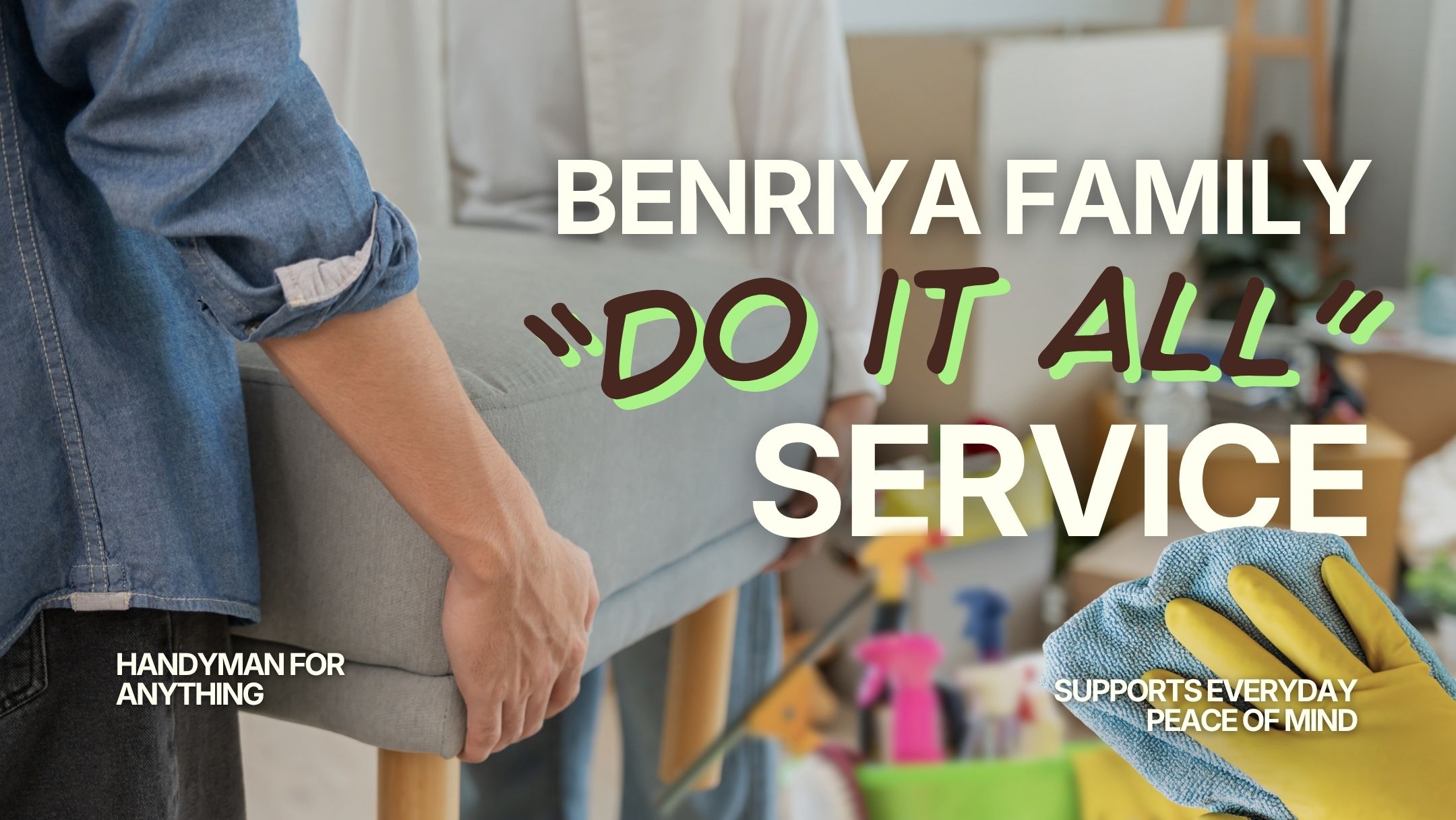
Imagine an elderly person living alone in downtown Tokyo who wants to move a heavy piece of furniture. Their family lives far away, and there’s no one nearby they can easily ask for help. In such situations, Japan has a service known as a “benriya,” or “handyman for anything.” From moving furniture and cleaning to running errands or pulling weeds in the garden, these “do-it-all” workers take on a wide range of tasks as needed.
Japanese society has a cultural nuance that may seem unusual to people from Western countries. There is often a psychological barrier to asking others for help with things one feels they “should do themselves.” While many hesitate to ask neighbors or friends for assistance, they feel more comfortable requesting help from a paid professional service. This tendency is deeply rooted in Japanese values—particularly the desire not to inconvenience others—as well as a sense of security in formal, contract-based interactions.
The users of handyman services in Japan are remarkably diverse. Clients include not only elderly households but also company employees on solo assignments, busy dual-income families, and even international students. What they all have in common is the situation of “wanting help but having no one nearby to ask.” In many Western countries, such roles might typically be filled by family members or local communities, but in Japan, specialized services often take their place.
“Benriya Family” is one such service that meets these uniquely Japanese needs. More than just a task outsourcing business, it provides flexible support that fills gaps in people’s daily lives, offering the comforting reassurance that “someone will be there to help.” The range of requests is broad—from routine cleaning and repairs to sudden emergencies. To Western readers, this willingness to “take on anything” may seem quite distinctive, reflecting a uniquely Japanese approach to helping others.
In other words, handyman services serve as a kind of “everyday safety net” rooted in Japan’s unique social structure and values. Understanding this reveals much about the challenges of daily life and the nature of human relationships in Japan, offering culturally fascinating insights into how Japanese society operates.
“Benriya Family” Japan’s All-Purpose Handyman Service Overview
“Benriya Family” is a lifestyle support service operating mainly in the Kansai region of Japan. As reflected in the slogan on its official website, “Solving everyday problems,” the company’s key strength lies in its ability to address a wide range of everyday needs.
Requests cover everything from household tasks such as cleaning, tidying, and moving furniture to assisting with shopping, relocation, lawn mowing, and even pest control. What truly sets the service apart is its flexible attitude of “taking on any task, no matter how small,” which provides a strong sense of reassurance to its diverse clientele.
The appeal of the service lies in its going beyond simple task outsourcing. Its approach—responding flexibly to each client’s individual circumstances—offers a level of personalization akin to a made-to-order service.
For example, when an elderly client requests help with taking out the trash, the staff doesn’t just carry it away; they also explain how to sort the garbage properly so the person can feel confident asking again in the future. This emphasis on human connection and care embodies the very spirit behind the name “Family.”
Flexibility to Meet Every Aspect of Daily Life
Source: Benriya Family Homepage
What makes “Benriya Family” unique is its breadth of services that cover nearly every aspect of daily life, rather than specializing in a single field. To Western readers, it may seem similar to a handyman or maid service, but its scope is far broader.
Take “cleaning,” for instance—a common request. It goes well beyond tidying up a room. The company handles bathroom and kitchen cleaning, high-pressure balcony washing, and even large-scale cleanups of severely cluttered homes. These services are closely tied to Japan’s growing issue of social isolation. Many elderly individuals living alone or overworked professionals are unable to manage such tasks themselves, creating a rising demand for external support.
How Benriya Family Helps with Life’s Small Challenges
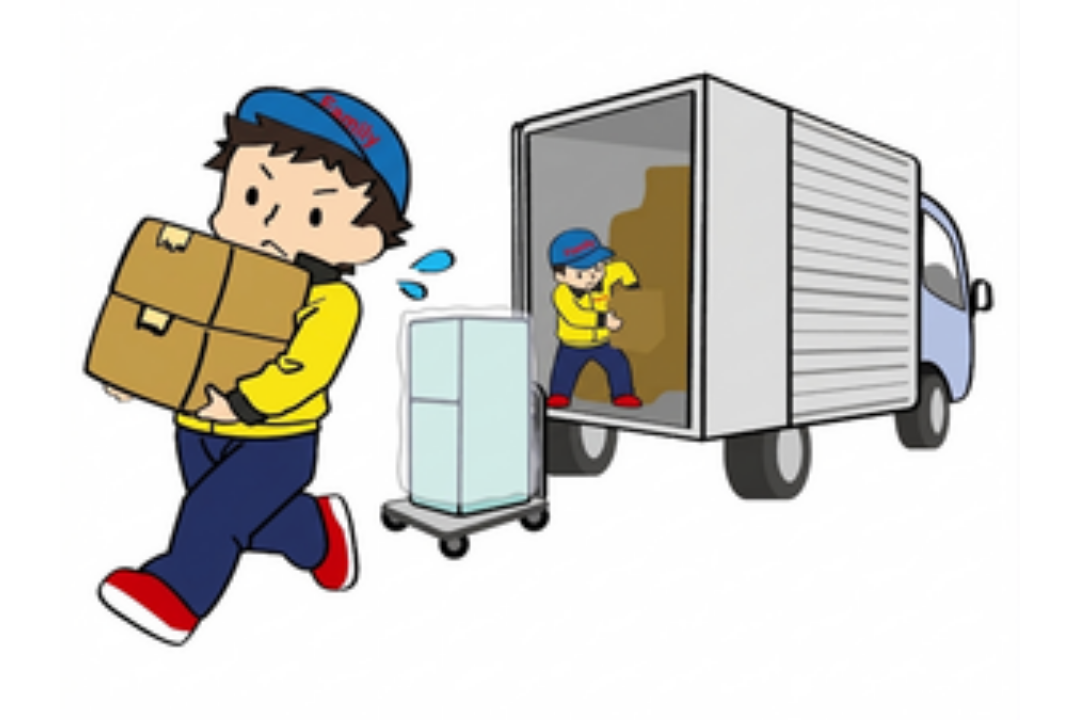
Physical labor requests, such as moving furniture or helping with relocation, are also common. In Japan, where homes and apartment staircases are often narrow, moving large items can be difficult. Benriya Family staff assess the situation on-site and determine the safest, most efficient method to complete the job quickly.
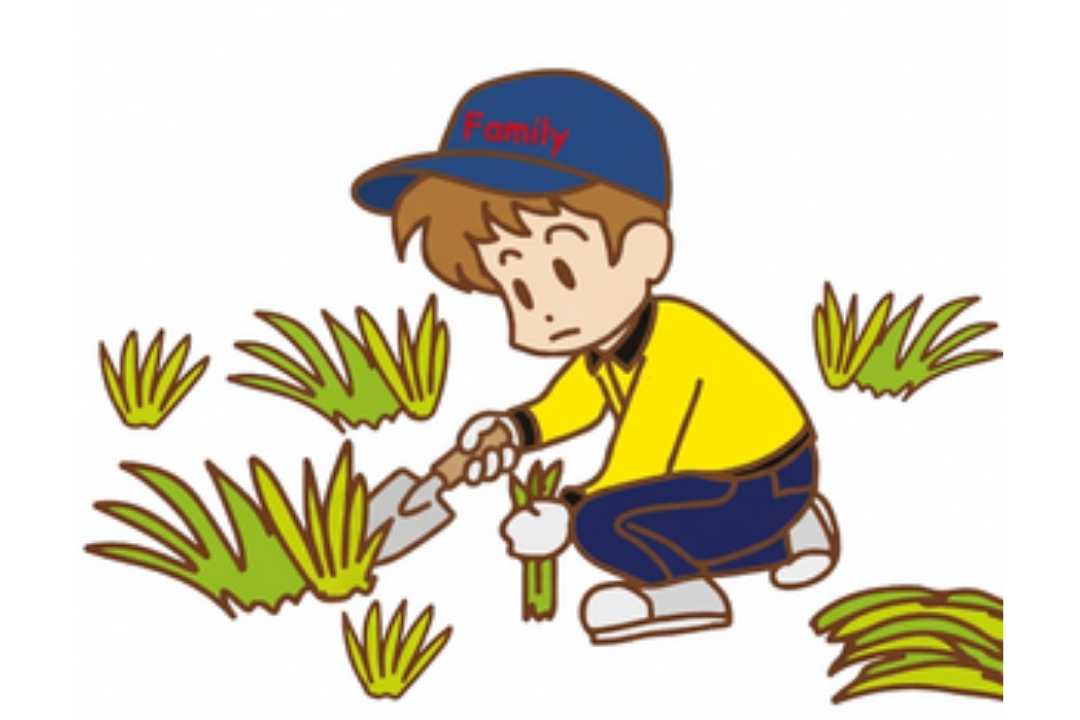
Another noteworthy feature is the company’s willingness to handle minor household tasks—like lawn mowing or changing lightbulbs — that may not warrant hiring a specialized contractor but are still challenging to do alone. Filling this “in-between” space is precisely where handyman services prove their value. While DIY culture is strong in many Western countries, Japan’s housing conditions and aging population have fostered a mindset that “it’s more practical to ask for help than to do it yourself.”
As the company name “Family” suggests, the service is designed to feel like a dependable family member—someone you can turn to without hesitation. This low emotional barrier to asking for help, regardless of the task's size, has earned Benriya Family a loyal base of repeat customers.
A Role in Supporting Japan’s Aging Society
One of the significant challenges facing Japanese society today is its rapidly aging population. According to a Cabinet Office survey, people aged 65 and over now account for about 30% of Japan’s total population, leading to a sharp increase in households that require daily living support. Within this social context, handyman services have become an indispensable part of everyday life.
For many elderly individuals, even simple daily tasks can become significant burdens. Carrying heavy items, changing lightbulbs, or pulling weeds in the garden are often physically demanding. While such tasks could once be handled with the help of nearby family members, the spread of nuclear families and urban living has made it increasingly difficult for older adults to receive that kind of personal support.
Meeting the Needs of Japan’s Growing Senior Population
In this context, the role of “Benriya Family” extends far beyond simply performing physical tasks. The staff engage in conversations with clients and, after completing a job, often discuss what kind of support might be needed next, offering emotional care alongside practical assistance. For elderly individuals who experience loneliness, having someone they can regularly rely on provides a profound sense of comfort and security.
As seen in the case studies on the company’s official website, requests from elderly households have increased each year. Services such as shopping for clients or accompanying them to hospitals play a vital role in bridging the gap between medical or nursing care and everyday life support. In Western countries, such assistance is often handled by helpers or volunteers—but in Japan, handyman services frequently fill that role.
In this way, “Benriya Family” functions as a community safety net in Japan’s aging society. It has evolved beyond a simple task service to become a form of social infrastructure that supports local living and well-being.
A Reliable Support for the Busy Working Generation
Source: Benriya Family Homepage
Many working-age people in Japan lead hectic lives, juggling both work and family responsibilities. Long working hours and the strain of commuting are widespread, and it’s not unusual to hear people say, “I have so much to do, but my days off are spent just trying to recover.”
In this context, it’s only natural that more members of Japan’s working generation are turning to the “Benriya Family” for support. The service offers a practical way to manage the growing demands of modern life and regain a sense of balance amid constant busyness.
Examples featured on the company’s official website clearly show how Japan’s working generation uses Benriya Family’s services.
One case involved a company employee on a solo assignment whose weekdays often ended late at night, leaving weekends consumed by household chores. The client explained, “Even when I try to clean everything at once on my day off, sorting the garbage and carrying out unwanted items is exhausting.”
In response, the Benriya Family dispatched a team of staff who completed the entire process—from organizing the room to collecting and disposing of unwanted items—in a single day. The client later expressed gratitude, saying, “For the first time in months, I was finally able to relax in a clean, uncluttered room.”
Reducing Daily Stress for Working Professionals and Families
Requests from dual-income households are also on the rise. For couples working full-time while raising young children, chores like cleaning or yard work are often put off. In one case, a family struggled with an overgrown garden that had become a breeding ground for mosquitoes, making it impossible for their children to play outside during the summer.
The Benriya Family not only mowed the lawn but also installed weed-control sheets and removed pests, creating a safe and comfortable outdoor environment for the children.
Cases like this illustrate that the company’s role extends far beyond simple task outsourcing—it actively helps improve the overall quality of daily life.
Unexpected troubles are another area where the Benriya Family provides vital support for Japan’s working generation. Situations such as losing one’s keys or needing to tidy up quickly before an unexpected guest arrives can happen at any time.
In many cases, a single phone call to Benriya Family is enough to receive same-day assistance, with staff dispatched immediately. One user recalled, “It truly felt like a lifesaver in an emergency.”
This kind of service is especially valuable in Japan’s urban areas, where it can be challenging to ask for help from building managers or neighbors. As a result, external support services like Benriya Family play an essential role in providing both practical and emotional relief in moments of sudden need.
Another noteworthy aspect is the growing number of corporate requests. Benriya Family also assists businesses with miscellaneous tasks, including office relocation preparation, document disposal, and event setup.
From Household Chores to Corporate Support
In one case involving a small-to-mid-sized company, the business outsourced equipment transport and booth setup for a trade show to the Benriya Family. The staff completed the work efficiently, allowing employees to focus on their core sales activities.
As Japan’s working generation continues to face increasing demands both at work and at home, such flexible and reliable support services are highly valued for helping individuals and companies alike manage their busy lives more effectively.
For Western readers, these examples may be understood as part of Japan’s “outsourcing culture.” However, Japanese handyman services differ slightly from typical business outsourcing. What makes them unique is their emphasis on human connection—carefully listening to clients’ concerns and, at times, offering thoughtful suggestions that go beyond the original request.
This approach reflects a distinctly Japanese form of hospitality, one that values not only efficiency but also the delivery of emotional comfort and peace of mind.
For Japan’s working generation, “Benriya Family” functions as both a way to regain personal time and a partner that helps restore balance in daily life. Its role extends beyond convenience, becoming an indispensable part of modern living.
User Experience
Customer reviews on the Benriya official website consistently highlight the emphasis on peace of mind and personal reassurance. Users across different age groups describe how the service has helped them handle situations they could not manage alone, such as urgent home cleaning before family visits, safely accompanying children home late at night, fixing small but stressful household problems, or moving heavy furniture. Elderly clients, in particular, have expressed comfort in having staff who listen carefully and offer advice. These reviews show how Benriya Family functions as a reliable, family-like presence that supports everyday moments when help is most needed.
Benriya Through the Eyes of Foreign Residents and International Students
For foreigners living in Japan, the concept of a handyman service often comes as a surprise. In Western countries, it is common to hire specialized professionals such as cleaners, movers, or handymen—but a single service that can handle all kinds of everyday problems in one place is quite rare.
For international students and foreign expatriates, adapting to life in Japan can be challenging both culturally and linguistically. Tasks such as handling paperwork at government offices or setting up utilities can feel overwhelming, especially in an unfamiliar language.
Benriya Family also provides thoughtful support for these foreign residents, frequently receiving requests for assistance with furniture assembly, explanations of garbage-sorting rules, and home appliance installation.
On the company’s official website, one case features an international student living alone in Japan for the first time, who said, “I didn’t even know how to choose the right cleaning tools for my room.” In response, the staff accompanied the student on a shopping trip and offered advice on how to clean effectively.
The student later commented, “It wasn’t just task assistance—it became an opportunity to learn about Japanese daily life and culture.”
Cases like this show that handyman services also serve as “life guides” for foreigners, helping them navigate and adapt to everyday life in Japan.
A Trusted Lifeline for Foreigners Adjusting to Life in Japan
For business professionals coming from overseas, saving time is one of the most significant benefits. One foreign expatriate recalled, “Right after arriving in Japan for my assignment, I was overwhelmed with unpacking and organizing, but by hiring a handyman service, I was able to get both my office and home set up in a short time.”
In an environment where language barriers and cultural differences can pose challenges, having someone who can respond flexibly to various requests becomes an invaluable source of support and reassurance.
What Western readers may find particularly fascinating is that handyman services occupy a space between “business service” and “community support.” While the relationship with clients remains professional, the strong influence of Japanese culture—its emphasis on warmth and human connection—is clearly evident.
In other words, beyond the simple act of “paying for a service,” a more profound sense of trust and emotional reassurance naturally develops between the client and the handyman.
Many foreigners living in urban areas have shared that while they hesitate to ask Japanese friends or acquaintances for help, they feel comfortable turning to a handyman service instead. This reflects an intersection of two cultural tendencies: Japan’s social value of avoiding causing inconvenience to others, and the sense of ease that comes from requesting help through a formal, paid service.
From this perspective, Benriya Family is more than just a lifestyle support company—it also serves as an essential cultural bridge. For foreigners, it often becomes their first reliable ally as they start a new life in Japan with peace of mind.
Growing Importance of Benriya Services in Japan’s Future Society

Source: Benriya Family Homepage
Services like “Benriya Family” are evolving beyond simple lifestyle assistance to become a new form of social infrastructure that responds to Japan’s changing society. In today’s world—where low birthrates, population aging, urbanization, and diverse work styles are increasingly intertwined—there is a growing need for services that help keep everyday life running smoothly.
One key area to focus on is support for the elderly. Many everyday challenges—such as rearranging furniture or maintaining garden trees—fall outside the scope of Japan’s long-term care insurance system. Addressing these “gaps” is where handyman services play an essential role.
If a framework can be established that enables handyman services to collaborate with the medical and caregiving sectors, they could become an essential complement to Japan’s social welfare system, helping seniors maintain safe, comfortable, and independent daily lives.
Another important aspect is community engagement. In urban areas, neighborhood connections have become increasingly weak, leaving many people without someone nearby they can easily turn to in times of need. Handyman services offer a framework in which people can receive help without emotional burden, since the relationship is based on a straightforward, paid arrangement. In this way, they represent a modern form of community support, reflecting the evolving nature of social connection and mutual assistance in contemporary Japan.
In addition, the number of foreign users is expected to grow in the coming years. From short-term tourists to long-term residents, such as international students and expatriates, many experience difficulties in daily life due to language and cultural barriers.
Rebuilding Everyday Community Support in Urban Japan
If handyman services strengthen their support in English and other languages, they could become an indispensable lifeline for foreigners living in Japan—offering practical help and peace of mind as they navigate everyday life.
Furthermore, integration with digital technology holds great potential for the future. With the spread of online booking, chat-based requests, and cashless payments, handyman services are becoming increasingly convenient and accessible.
Looking ahead, advancements such as AI-driven task matching and region-based data-driven demand analysis could enable more efficient staff allocation and more innovative service management—ushering in a new stage of technological evolution.
Given these prospects, the role of “Benriya Family” is expected to continue expanding. It is evolving beyond the image of a simple “do-it-all service” to become a socially significant organization that contributes to solving broader societal challenges—one that may attract attention both within local communities and on the international stage.
While the handyman system begins with solving minor, individual problems, it has the potential to serve as a foundation that supports society as a whole. To Western readers, it may appear as a uniquely Japanese cultural phenomenon, but at its core lies a universal value — the idea that people are meant to support one another.
Conclusion
Looking back at the role “Benriya Family” plays in Japanese society, it becomes clear that it is more than just a task service—it functions as a safety net for everyday life. As illustrated by the elderly person who simply wanted help moving furniture, everyone experiences moments when they think, “I could really use a little help right now.”
In Japan, it is often handyman services, rather than family members or local communities, that extend a helping hand in such situations—providing practical, compassionate support as a professional service.
As seen throughout this article, the defining strength of Benriya Family lies in its flexibility to handle a wide range of requests—from everyday tasks like cleaning, organizing, and moving furniture to helping with relocations to responding quickly to unexpected problems.
For Japan’s working generation, it serves as a partner that helps reclaim valuable time; for seniors, it provides a source of companionship and support that eases isolation; and for foreign residents and international students, it serves as a guide to understanding and navigating life in Japan.
When viewed from a cultural perspective, the existence of handyman services reveals much about Japan’s unique social relationships and values—the desire not to inconvenience others, and the sense of security that comes from formal, contract-based interactions. These cultural attitudes have shaped and sustained the growth of this distinctive service industry.
To Western readers, it may appear to be a form of outsourcing culture, but in Japan, it represents a fascinating social phenomenon born of the nation’s particular way of managing personal boundaries and interpersonal distance.
Looking ahead, the Benriya Family is expected to play an even more significant social role. The combined effects of an aging population, the rise of nuclear families, the growing number of foreign residents, and ongoing digitalization are all driving greater demand for handyman services.
By addressing minor, everyday problems, these services ultimately contribute to the stability and well-being of society as a whole. From this perspective, a handyman is likely to become an essential part of Japan’s social infrastructure in the years to come.
Finally, it is essential to highlight the meaning behind the name “Family.” For clients, a handyman is not an impersonal service provider but a presence that stands by them like family when they need help. Within that name lives the spirit of Japanese hospitality—marked by warmth, empathy, and genuine care.
For Western readers, the idea of a “do-it-all service” may seem surprising. Yet, through the lens of the handyman, we can see the realities of loneliness and anxiety that many people in Japan face—and the creative ways society has developed to ease them.
FAQ About Benriya Family
1. What Is Benriya Family?
It is a handyman-style service that supports a wide range of everyday needs, including cleaning, furniture moving, shopping assistance, yard work, and moving help. Its key feature is flexibility, allowing clients to consult on almost any small task rather than being limited to specific services.
2. How Is It Different From Regular Cleaning or Assistance Services?
The main difference is its ability to cover general daily life needs. While specialized providers focus on specific tasks, this service handles everything from cleaning and organizing to moving furniture, shopping support, and yard maintenance, filling gaps in everyday life.
3. Who Uses This Service?
It is used by a wide range of people, including elderly individuals, single professionals, dual-income households, and international students. A common factor is that they may not have someone nearby to rely on or lack the time or physical capacity to handle tasks themselves.
4. What Role Does It Play for Elderly People?
For elderly users, it provides support with tasks that are difficult to handle alone, such as moving furniture, changing light bulbs, weeding, and shopping. It also serves as a reliable presence through regular interaction, offering reassurance beyond simple task completion.
5. Is It Useful for Busy Working People?
Yes. It is widely used by busy working individuals and families. By outsourcing tasks like cleaning, decluttering, or yard maintenance, users can “buy time” to make better use of their limited free time.
6. Is It Used by Foreigners or International Students?
Yes. Usage among foreigners and international students is increasing. It can help with tasks such as furniture assembly, explaining waste sorting rules, and setting up appliances, acting as a practical guide to daily life in Japan.
7. Why Has This Type of Service Developed in Japan?
In Japan, there is a strong cultural tendency to avoid burdening others, making it easier to request help as a paid service rather than asking friends or neighbors. Additionally, an aging population and the rise of single-person households have increased demand for such services.
8. How Does It Differ From International Handyman Services?
Unlike Western handyman services, which often focus on repairs or DIY tasks, Japanese handyman services address a broader range of everyday problems. They also emphasize attentiveness and communication with clients, not just task completion.
9. Will This Service Become More Important in the Future?
Yes. With trends such as an aging population, smaller households, and more dual-income families, the importance of these services is expected to grow. They are becoming part of the social infrastructure by supporting everyday needs that formal care or public services may not cover.
10. What Is the Main Value of “Benriya Family”?
Its core value lies in being able to support people with problems they cannot easily ask others for help with. Beyond completing tasks, it provides reassurance and serves as a dependable resource for everyday life.