

Imagine an international student arriving in Japan and trying to rent a room for the first time. The apartment hunt goes smoothly, and they finally find an ideal one-room unit. However, the moment they look at the rental contract, their expression stiffens. It says, “Signature required in the guarantor section.” Having no relatives or acquaintances in Japan, they have no one to turn to. Young professionals living away from home and older adults with few family connections may face the same challenge. In Japan, the culture of requiring a “guarantor” remains deeply rooted—not only in rental agreements but also in areas like school enrollment and even employment.
In most Western countries, it is uncommon to require a guarantor when signing a rental agreement. The tenant’s credit score or proof of income usually serves that purpose. In Japan, however, it is often not enough to demonstrate one’s own financial reliability—many landlords require an additional guarantee in which a third party shares full responsibility for the tenant’s obligations. This practice stems from a long-standing cultural emphasis on “networks of trust” and a social structure in which families and communities have traditionally acted as safety nets. From a modern, international perspective, the system may seem somewhat outdated, yet in reality, a guarantor is still considered essential in many contracts.
However, as society changes, the number of people without a guarantor is increasing. These include individuals who live alone without marrying, those who are estranged from their relatives, and foreigners who have no acquaintances in Japan. For such people, the guarantor system becomes a significant obstacle to starting an ordinary life. This is where the concept of the “guarantor agency service” was born—a uniquely Japanese system in which a specialized organization acts as a guarantor on behalf of the client, providing the trust needed to complete contracts.
“All Japan Guarantee Association Plus Service” is one of the leading organizations operating nationwide. Its services extend far beyond rental housing contracts, covering situations where a guarantor is required at key life milestones—such as job hunting, school enrollment, and admission to nursing care facilities. Its clients range widely, including not only individuals but also foreign residents and older adults. The organization has helped prevent situations where people are forced to give up their goals simply because they lack a guarantor.
This article explores Japan’s unique guarantor culture and the system of guarantor agency services that support it. Why does this system exist, and how does it help people in their daily lives? What role does the All Japan Guarantee Association Plus Service play within it? Through this topic—one that may feel unfamiliar in Western countries—let’s take a closer look at one distinctive aspect of Japanese society.
Professional Guarantor Service Overview
When renting an apartment in Japan, tenants are often required to have a joint guarantor. This system means that if the tenant fails to pay rent, the guarantor is legally obligated to cover the payment on their behalf. While credit checks are typically sufficient in many Western countries, this concept may feel unfamiliar to those outside Japan. Yet, in Japan, it remains a standard requirement in most rental agreements—posing a significant barrier for international students, foreign workers, or individuals without family support.
To address this issue, the All Japan Guarantor Association Plus Service introduced its professional guarantor service. This system allows a specialized organization to act as the guarantor in place of the tenant, providing reassurance to landlords and companies while enabling users to complete their contracts smoothly. Beyond housing rentals, the service also supports key life events such as employment contracts, school admissions, and entry into nursing care facilities.
Its activities go beyond simply acting as a substitute guarantor—it also functions as a social safety net. By actively supporting groups who often struggle to find guarantors, such as foreign residents and older people, the organization has helped many take their first steps toward living and pursuing opportunities in Japan. Rather than merely providing a service, it serves as a true “partner” in protecting the foundation of everyday life.
Why Does Japan Have a Guarantor Culture?

Source: Hoshounin Homepage
In Japan, it is not uncommon to be asked for a guarantor when renting an apartment, entering higher education, or starting a new job. While this system often surprises foreigners, it can also be a burden for many Japanese people. So why has such a custom become so deeply rooted in Japanese society?
The reason behind Japan’s “guarantor culture” comes from its history and social structure. In the past, families and relatives formed close networks that helped one another in daily life. Within local villages and communities, people supported each other, and it was natural for family or neighbors to take responsibility when someone faced trouble. Over time, these traditions became part of Japan’s laws and business customs. That’s why, even today, many rental and financial contracts still require a guarantor—it’s a system that reflects Japan’s long history of valuing trust and community ties.
Japan’s Guarantor Culture in Contrast with Western Systems
In contrast, the situation is quite different in Western countries. In the United States and Europe, systems are in place to evaluate a person’s credibility through numerical indicators such as credit scores and income verification. Because the safety of a contract depends on the individual’s own credit information, there is little need for a third party to take responsibility. In other words, Japan’s “guarantor culture” is a product of a community-based view of trust, making it a unique system from a global perspective.
In modern Japan, this tradition is gradually becoming outdated due to social changes. With the aging population and the rise of nuclear families, more people now live without relatives they can rely on. For those living alone in cities or moving to Japan from overseas, finding a guarantor can be a significant challenge. Yet, many real estate companies, schools, and employers still require a guarantor as part of their contracts. As a result, the reality remains that “without a guarantor, it’s difficult to start one’s life” in Japan.
Understanding this background helps clarify the importance of guarantor agency services. Japan’s guarantor culture is a product of its history and social structure, and it is precisely because of this tradition that such services have become essential in today’s society.
The Challenge of Finding a Guarantor and the Issues of Modern Society
When starting life in Japan, one of the first challenges many people face is finding a guarantor. In many rental agreements, having a guarantor is mandatory, and it may also be required for school admissions or employment procedures. However, in today’s society, the number of people without a guarantor is steadily increasing.
First, there is the rise of nuclear families. In the past, it was common for three generations to live together, making it easier to ask a relative to act as a guarantor. Today, however, single-person households are increasing, and it is no longer unusual for parents or siblings to live far away. As a result, it has become common for people to have no close relatives they can easily turn to.
Another major factor is the psychological barrier of asking someone to take on such responsibility. A guarantor assumes joint liability, meaning they are legally obligated to cover payments if the contract holder defaults. Because of this, many people hesitate to ask family or friends out of fear of causing trouble or inconvenience. For young professionals, freelancers, or those without financial stability, it can be tough to find someone willing to serve as a guarantor.
Why Foreigners and Elderly Residents Struggle with Guarantor Requirements
For foreign residents, the guarantor system presents an even greater challenge. Those with few acquaintances in Japan and family members living abroad often find it nearly impossible to secure a guarantor. As a result, they may face situations where they cannot rent an apartment or enroll in a school, even if they have the means and motivation to do so. This issue highlights a significant obstacle for Japan as it strives toward greater globalization.
Older adults also struggle with the guarantor requirement. For instance, when entering nursing homes or care facilities, a guarantor is sometimes required. For seniors without children, or whose relatives are too old to assume such responsibility, their very foundation for daily living can become unstable. In Japan, with its aging and shrinking population, such cases are expected to increase in the coming years.
In other words, the guarantor system is both a traditional feature of Japanese society and a structure that carries significant contradictions in the modern era. Japan was once a society built on the assumption of support from family and local communities, but as that framework has changed, finding a guarantor itself has become a barrier that prevents many people from taking the first step toward starting their lives. One solution to this contradiction is the emergence of professional guarantor services.
The Role and System of the All Japan Guarantor Association Plus Service

Source: Hoshounin Homepage
For people who have no one to turn to when a guarantor is required, the All Japan Guarantee Association Plus Service functions as a “social support.” It not only helps ensure that contracts proceed smoothly but also serves as a safety net that protects the foundation of daily life, offering assistance across a wide range of situations.
The greatest strength of this service lies in its wide range of situations. While guarantors are most commonly required for rental housing contracts, the All Japan Guarantee Association Plus Service goes far beyond that. It can also be used for job applications, school admissions, guarantor requirements for vocational schools and universities, and even for contracts to move into nursing homes or assisted-living facilities. In other words, it is a comprehensive system designed to support people as they navigate the many “guarantor barriers” they may face at different stages of life.
The process is straightforward. Those wishing to use the service submit the required documents and undergo a screening. This review assesses the applicant’s financial capability and personal circumstances. Once approved, the All Japan Guarantor Association Plus Service officially acts as their guarantor. This arrangement allows landlords and companies to proceed with contracts confidently, while users no longer have to give up on their dreams or daily lives simply because they lack a guarantor.
Although fees vary depending on the contract details and duration, considering the time and emotional burden of finding a guarantor on one’s own, it can be seen as a practical and reasonable option.
How Modern Guarantor Services Differ from Conventional Support
Compared with other guarantor services, the All Japan Guarantor Association Plus Service stands out for its nationwide reach. Because it can be used anywhere in Japan, regardless of region, it offers peace of mind to people from rural areas as well as students and working professionals relocating to major cities.
Another significant advantage is its support for individuals who often struggle to find guarantors, such as foreign nationals and older adults. By assisting those who have long been turned away simply because they lacked a guarantor, the service helps create opportunities for them to participate in society with confidence and security.
The All Japan Guarantor Association Plus Service not only addresses key social challenges in Japan but also represents a new system for improving quality of life. Ensuring transparency and trust in contractual agreements helps create an environment where people can live with peace of mind. In this way, the service goes beyond merely acting as an intermediary—it has established its value as a form of social infrastructure that supports everyday life.
Customer Experiences and Success Stories
The actual value of a service is best understood through the experiences of those who have actually used it. The All Japan Guarantor Association Plus Service is no exception—its significance becomes clear through the voices of its many users. Here are a few representative examples.
Let’s start with the case of an international student. For students who come to Japan with dreams of studying, their first major challenge is finding a place to live. When asked to provide a guarantor, many are unable to rent an apartment because they have no relatives in Japan. In such situations, using this service enables them to complete their rental contract smoothly and secure a stable environment in which they can focus on their studies. One student shared, “I was about to give up on living in Japan, but thanks to the guarantor agency service, I can continue pursuing my dream.”
Next is the case of an elderly woman in her seventies who wished to move into a nursing care facility. When asked to provide a guarantor, she faced a difficult situation—her relatives had already passed away, and there was no one she could rely on. By using the All Japan Guarantee Association Plus Service, she completed the admission process smoothly and secured a safe, comfortable environment for her later years. She expressed her gratitude, saying, “I was worried about living alone, but this service has become a source of emotional support for me.”
There is also the case of a young professional. A man in his twenties who had moved from a rural area to the city for work was asked by his new employer to provide a guarantor. However, his elderly parents declined to sign, and he had no other relatives to rely on. By using this service, he was able to resolve the issue and focus on his new job. He now shares his experience with younger colleagues, saying, “You don’t have to give up on your dreams just because you don’t have a guarantor.”
These examples show that guarantor services go far beyond mere “contractual procedures” — they play a vital role in supporting people’s lives. Securing a place to live allows individuals to focus on their studies or careers, while access to care facilities enables older people to live with peace of mind. Guarantor services have become a system that truly stands beside people throughout their lives and are increasingly essential to society.
Social Significance and Future Outlook
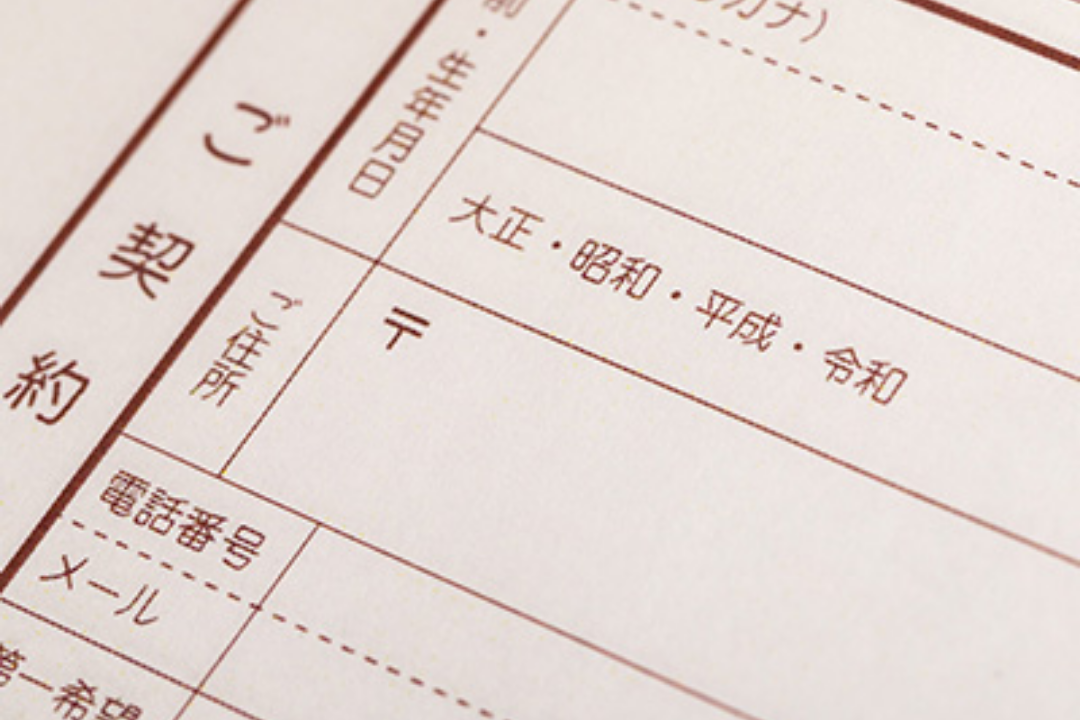
Source: Hoshounin Homepage
The guarantor service provided by the All Japan Guarantor Association Plus Service is not merely a means to complete a contract. It is a system designed to address structural issues within society and serves as a modern safety net for everyday life in today’s changing times.
Japan’s declining birthrate and rapidly aging population have led to an increase in single-person households and families without children. According to statistics from the Ministry of Health, Labour and Welfare, by 2040, more than 40% of all households are expected to consist of individuals living alone. These social changes are making the traditional guarantor system appear increasingly outdated. The growing number of people who have no one to ask—or whose potential guarantors are too elderly to take on such responsibility—will likely make this issue even more serious in the years ahead.
In addition, the number of foreign residents in Japan continues to grow. According to a survey by the International Labour Organization (ILO), the number of foreign workers in Japan has doubled over the past decade, surpassing 3 million when international students and technical trainees are included. For many of them, the guarantor system remains one of the most significant barriers, often hindering their smooth integration into Japanese society. In this sense, guarantor agency services can be seen as an essential part of Japan’s infrastructure in an increasingly globalized era.
The All Japan Guarantee Association Plus Service offers practical solutions to these social challenges. By supporting people who might otherwise lose access to housing, education, or employment because they lack a guarantor, the organization helps maintain the vitality of society as a whole. It not only protects individuals’ lives but also plays a vital role in fostering and sustaining social diversity.
Looking ahead, guarantor services are expected to become even more critical. As Japan’s population continues to age and the number of foreign residents rises, reducing the number of people who lose their footing in life simply because they lack a guarantor will become a key condition for building a sustainable society. Moreover, as AI and digital technologies advance in managing credit information, guarantor services are likely to evolve into more efficient and transparent systems.
Guarantor services have the power to transform society by complementing traditional systems rooted in the past while paving the way for the future. As a pioneer in this field, the All Japan Guarantor Association Plus Service continues to protect people’s lives and help build a new framework of security and trust suited to the next era.
Conclusion
In Japan, having a “guarantor” is often a necessity in daily life. At first glance, it may seem like just a formality, but in reality, it has a significant impact on people’s ability to live and move forward. Whether it’s renting an apartment, enrolling in school, finding a job, or entering a nursing care facility, this requirement stands as a significant barrier at many key stages of life. The system was born from Japan’s unique culture and social background. Still, as times change, the number of people unable to provide a guarantor continues to grow, exposing the contradictions within this tradition.
This is where the “guarantor agency service” comes in. The All Japan Guarantee Association Plus Service serves as a “last line of support” for those who cannot secure a guarantor, helping them start new chapters of their lives with peace of mind. Whether it’s enabling international students to continue their studies, helping older adults move safely into care facilities, or helping young professionals focus on their new jobs, countless examples show that this service goes beyond simply facilitating contracts—it supports people’s lives at their very foundations.
To Western readers, Japan’s guarantor culture may seem unusual. However, it is rooted in a long-standing value of mutual support within communities, a tradition that has carried over into modern systems. Today, guarantor services serve to adapt this traditional framework to the realities of contemporary society. By respecting the past while addressing the needs of the present, these services are becoming an indispensable part of Japan’s social structure.
In summary, guarantor agency services are essential to building a society where everyone can live in peace of mind. No one should have to give up their dreams simply because they cannot find a guarantor. Behind the scenes, the All Japan Guarantee Association Plus Service continues to support people’s lives every day quietly.
In the years to come, guarantor services will play an increasingly vital role in Japanese society. As aging and globalization continue to advance, these services will help ensure that no one is deprived of a stable life simply because they lack a guarantor. Acting as a quiet yet powerful force behind the scenes, they will continue to support people’s efforts and provide a foundation of security for their lives.
FAQ About Guarantor Agency Service
1. What Is a Guarantor Agency Service?
A guarantor agency service is a support service in which a specialized company acts as a guarantor on behalf of a user when one is required for rental agreements, school admissions, employment, or entry into care facilities. It enables individuals without access to a personal guarantor to proceed with important contracts.
2. Why Are Guarantors Required in Japan?
In Japan, contracts often rely on a third party to share responsibility, reflecting a long-standing cultural emphasis on mutual support. Unlike systems that depend mainly on individual credit scores, guarantors are used to establish trust.
3. Who Uses This Service?
It is commonly used by international students, single professionals, elderly individuals, and others who may not have someone available to act as a guarantor. It is also chosen by those who prefer not to rely on family members.
4. Can It Be Used Beyond Rental Contracts?
Yes. In addition to housing, it is used for school enrollment, employment, and admission to care facilities, helping users meet guarantor requirements across various life situations.
5. Why Is the Guarantor System Challenging for Foreigners?
Foreign residents often lack local contacts who can act as guarantors. Additionally, the concept of a third party assuming responsibility for a contract may be unfamiliar, making the system harder to navigate.
6. Is It Increasingly Important for Elderly People?
Yes. With more elderly individuals living alone, the need for guarantor support is rising. It plays a key role in helping them secure housing and access care services.
7. How Does the Service Support Trust?
Agencies conduct screenings and verify contract details, providing credibility to landlords or institutions. This reassures the contracting party while enabling users to proceed without a personal guarantor.
8. How Does It Differ From Western Systems?
Western systems typically rely on credit scores and income verification, whereas Japan often requires a guarantor who shares responsibility. This difference has led to the development of guarantor agency services.
9. Will This Service Become More Important in the Future?
Yes. With trends such as aging populations, more single-person households, and increasing numbers of foreign residents, demand is expected to continue growing.
10. What Is the Main Value of This Service?
Its main value is ensuring that people do not lose access to housing, education, or employment opportunities due to the lack of a guarantor, supporting more stable and independent living as a social safety net.