
Redesigning the Food Temperature Experience: How THERMOS Portable Temperature Control Is Transforming Urban Dining Infrastructure
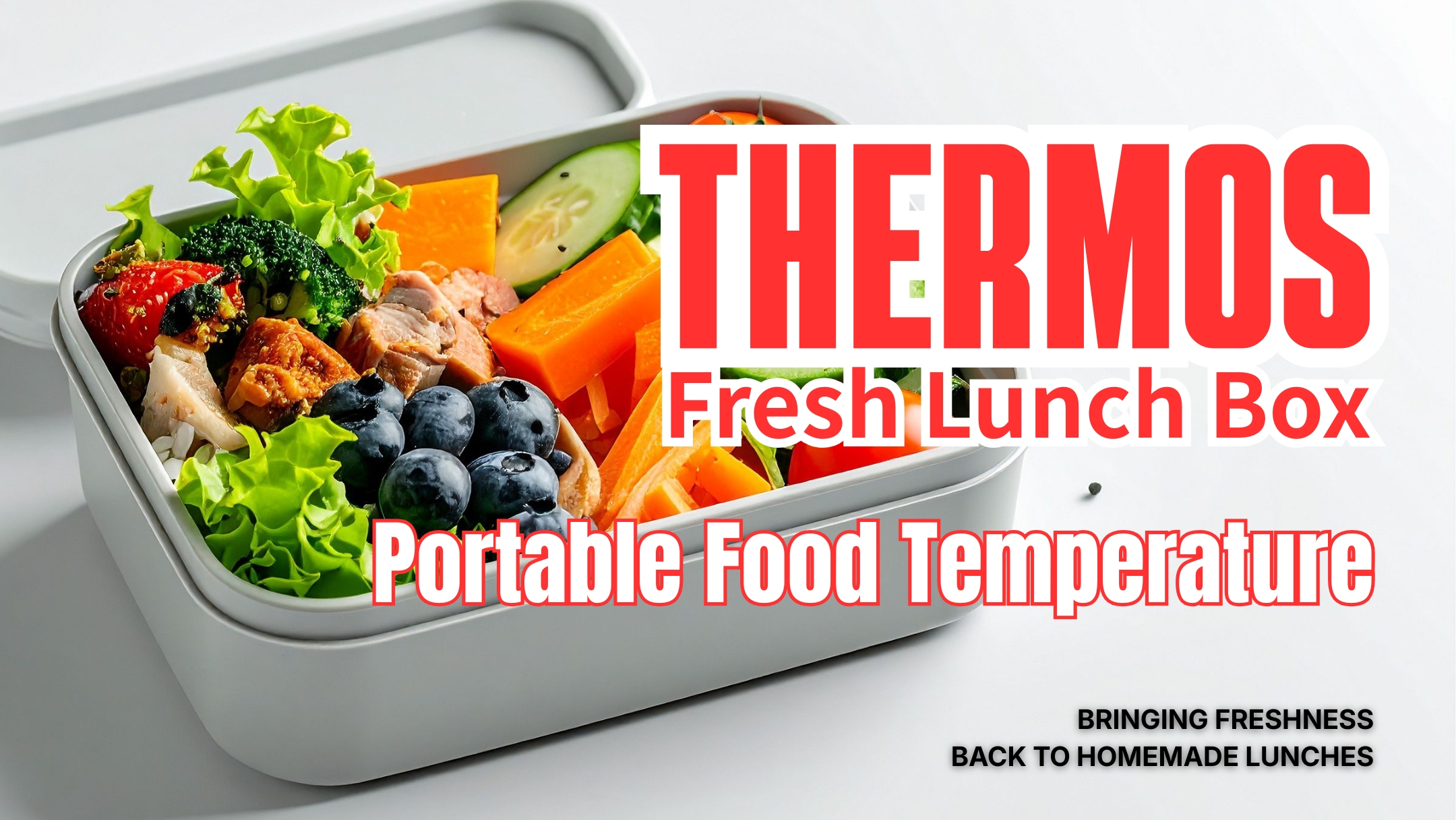
Food is not simply a way to consume nutrients. The temperature of a meal plays a major role in shaping the overall dining experience. Keeping hot foods warm and cold foods chilled is closely connected to satisfaction and quality. However, maintaining the ideal temperature while traveling, commuting, or eating outside the home has traditionally been difficult, often forcing people to compromise on freshness and enjoyment.
To address this challenge, Japanese company THERMOS Corporation has developed portable temperature-control products based on decades of expertise in vacuum insulation technology. Among its products, the “Fresh Lunch Box” introduces a new value to the everyday practice of bringing meals from home by focusing on temperature management.
As urbanization continues worldwide, people are increasingly eating meals away from home. For office workers and students, packed lunches remain an important option because of cost and health considerations, but temperature control and food quality remain common concerns. In addition, the growth of food delivery and takeaway services has increased global demand for better solutions to maintain the quality of transported meals.
This article explores the philosophy, technology, and practical value behind THERMOS products, while examining their role in modern urban lifestyles and global markets. Rather than being just another lunch container, the Fresh Lunch Box represents a new approach to maintaining the temperature experience that defines high-quality meals.
Fresh Lunch Box Overview
The Fresh Lunch Box is a lunch container series developed by THERMOS that utilizes the company’s advanced vacuum insulation technology. Its key feature is its ability to maintain food temperature during transport, allowing users to enjoy warm rice, soups, and other hot meals, as well as chilled salads and desserts, closer to their ideal serving temperature. Unlike traditional lunch boxes that mainly serve as storage containers, the Fresh Lunch Box is designed as a portable food solution with built-in temperature management.
The product uses a combination of vacuum-insulated cases and specialized containers to reduce the influence of external temperatures. Users can prepare meals in the morning, pack them into the container, and enjoy food with reduced temperature changes at lunchtime. Available at a price range of several thousand yen, the series is designed for everyday use and accessibility.
The Fresh Lunch Box suits a wide range of situations, including office lunches, school meals, outdoor activities, and long-distance travel. As interest in healthy eating continues to grow, the product also supports people who prefer to prepare homemade meals and enjoy them outside the home. While mainly used by individual consumers, its temperature-control technology also presents potential applications for food-related businesses and meal service providers.
Redesigning the Dining Experience Through Temperature Control
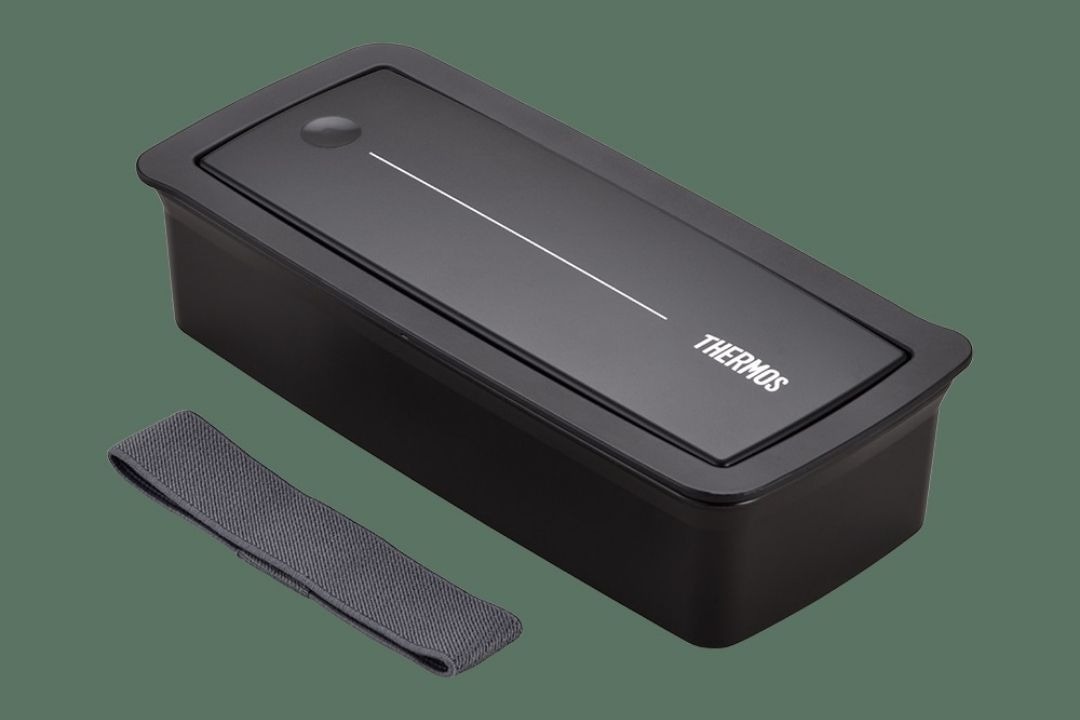
Source: Thermos Homepage
Temperature is one of the most important factors that influences the quality of a meal, alongside taste and texture. However, the assumption that food can always be enjoyed at the ideal temperature has not been realistic in everyday life. Especially when eating outside the home or in office environments, meals often lose their original quality as time passes after preparation and the temperature changes.
Traditional lunch culture has developed around this limitation. Meals that remain enjoyable even after cooling down, as well as ingredients that can be safely stored at room temperature, have often been selected based on the expectation that food temperature will change during transportation. This trend is not unique to Japan but is common in many countries, where portable meals have generally been associated with inevitable temperature loss.
However, changing lifestyles are gradually challenging this assumption. In urban areas, people need to complete meals efficiently while also placing greater importance on health, quality, and satisfaction. While dining out and food delivery services continue to grow, demand for bringing homemade meals outside the home is also increasing. In these situations, the inability to maintain the ideal temperature remains a major limitation affecting food quality.
The Critical Role of Temperature in the Dining Experience
Temperature control is also important for food safety. In hot and humid environments, the risk of food deterioration increases, making appropriate temperature management essential. Yet conventional lunch containers offer limited solutions to this challenge, often leaving users to rely on personal preparation methods and careful handling.
Globally, the expansion of food delivery and takeaway services has increased the number of situations in which prepared meals are transported. When temperature management is insufficient, the quality of the meal experience can decline, affecting customer satisfaction. This means temperature is no longer just an individual concern but an important factor influencing the overall quality of food services.
THERMOS Corporation focused on this structural issue: the decline in food experience caused by temperature loss. The challenge was not simply to create a container for carrying meals, but to develop a system that could help preserve the quality of food itself.
Temperature Management for Homemade Meals
The Fresh Lunch Box addresses this challenge by introducing a design philosophy centered on maintaining temperature. Instead of adapting meals to temperature changes, the product manages temperature itself to preserve the intended dining experience.
Through this shift in perspective, the lunch box is being redefined from a simple container for transporting food into a solution that enables people to enjoy meals at the right temperature. This represents the core value behind THERMOS’s approach to modern food experiences.
Applying a Century of Insulation Technology to Everyday Meals
The development of the THERMOS Fresh Lunch Box was not simply the result of creating a new product, but rather an extension of decades of accumulated expertise in insulation technology. THERMOS originated from the development of vacuum flasks and has continued to refine technology focused on one core concept: maintaining temperature. This technological foundation enabled the company to redefine the function of an everyday product such as a lunch box.
Traditionally, vacuum insulation technology has been mainly used for beverages. Products such as bottles and flasks have clearly demonstrated the value of keeping hot drinks warm and cold drinks chilled, and consumers have widely accepted this benefit. However, applying the same concept to complete meals containing solid foods presented greater structural challenges.
Developing the Fresh Lunch Box required a design approach that could overcome these limitations. Instead of relying on a single container, the product combines multiple containers with an insulated case to manage different temperature zones within one meal. This allows various foods to maintain their intended conditions, such as keeping soup warm, rice at a suitable temperature, and salads chilled, creating a more balanced dining experience.
Redefining the Portability of High-Quality Food
This structure was not achieved through technology application alone. It required careful consideration of real user behavior and everyday conditions. Factors such as morning meal preparation, movement during transportation, outdoor temperatures, and the time between preparation and lunchtime were all taken into account to create an effective temperature-management system. In this sense, the product functions not simply as a container, but as a system designed to control temperature over time.
Because the Fresh Lunch Box is intended for daily use, convenience, portability, and ease of cleaning are also essential elements. Even with advanced insulation technology, the product needs to be easy to maintain, simple to wash, and comfortable to carry. THERMOS integrates these practical considerations with technical performance, creating a product that balances innovation with everyday usability.
Furthermore, the Fresh Lunch Box creates new possibilities for how people enjoy meals. Activities that were previously difficult, such as bringing warm soup outside or carrying chilled desserts for later consumption, become more realistic options. This represents more than an improvement in convenience; it expands the possibilities of portable dining experiences.
For THERMOS, the Fresh Lunch Box is both an application of existing insulation expertise and a practical expression of its philosophy: improving quality of life by controlling temperature. It shows how long-developed technology can create new value when applied to changing lifestyles and everyday needs.
Shift in User Behavior: Elevating the Quality of Meals on the Go
The most significant change brought by the Fresh Lunch Box is the shift in how people perceive the quality of meals consumed outside the home. Traditionally, portable meals were designed with the assumption that quality would decline over time. Menus were often selected based on their ability to remain enjoyable even after cooling, and temperature changes were considered an unavoidable limitation. However, by creating an environment that maintains temperature, this assumption is being reconsidered.
For individual users, the range of possible meals has expanded. Foods that were previously considered unsuitable for packed meals, such as soups, warm main dishes, and chilled desserts, can now be enjoyed in better condition even when away from home. This not only improves meal satisfaction but also increases the flexibility of homemade food preparation. Rather than being viewed simply as a way to reduce food costs, packed meals are increasingly becoming a way to enjoy high-quality dining experiences.
Beyond Nutrition: Why Meal Temperature Matters
The product also supports healthier eating habits. By allowing people to prepare and carry their own meals instead of relying on restaurants or convenience foods, users can better control nutritional balance and ingredient choices. Temperature management also helps users handle food more carefully, providing greater confidence when carrying meals during warmer seasons when food quality can become a concern.
In office environments, meal quality can also influence daily comfort and productivity. While many workers need to complete lunch breaks within a limited time, access to a warm, satisfying meal may help maintain energy and concentration. In this sense, the Fresh Lunch Box is not merely a personal dining accessory but a product that can support improved workplace food environments.
From a B2B perspective, the technology also has potential applications in areas such as catering, meal delivery, and food service operations. Maintaining meals at an appropriate temperature during transportation can improve the overall quality of these services. This value is particularly relevant in environments such as medical facilities and educational institutions, where food quality and safety are important considerations.
The product’s usefulness also extends to outdoor activities and travel situations. During long journeys or outdoor events, maintaining access to properly prepared meals has traditionally been difficult. By reducing this limitation, the Fresh Lunch Box expands the possibilities of portable dining across both everyday and leisure settings.
Ultimately, the Fresh Lunch Box provides more than the simple function of keeping food warm or cold. By making temperature controllable, it enhances the overall quality of meals enjoyed outside the home and helps redefine the value of portable food experiences.
Product Design and Manufacturing Foundation Built on Quality and Safety
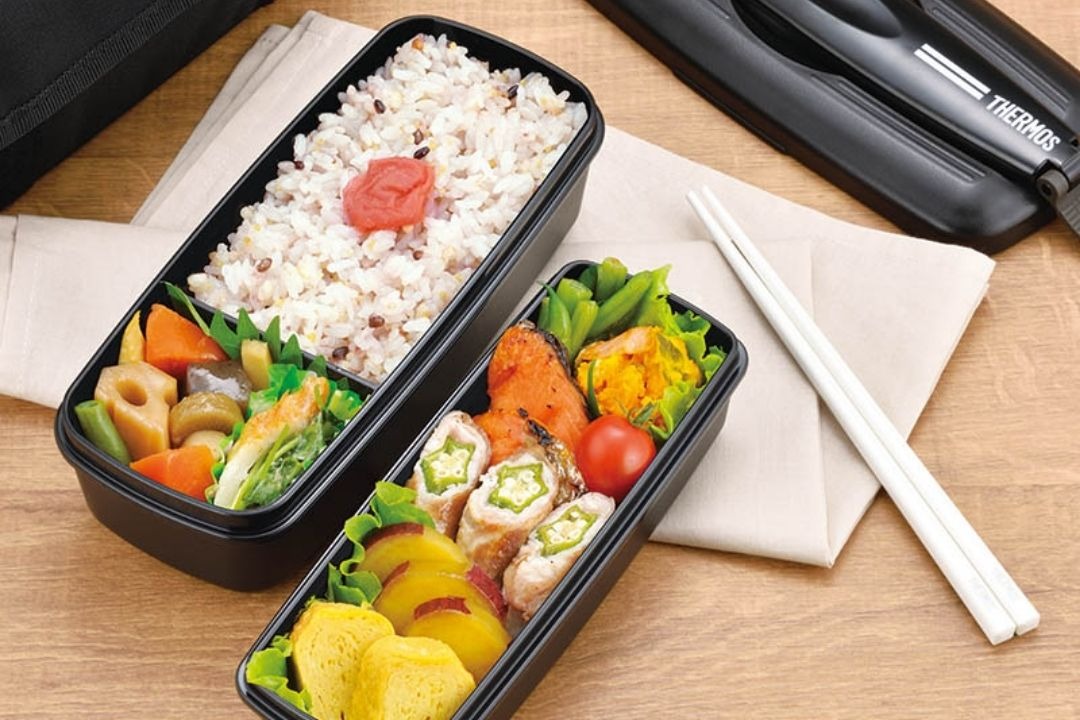
Source: Thermos Homepage
The value of the Fresh Lunch Box is based not only on its insulation performance but also on a quality-focused design that lets users rely on it safely and consistently in everyday situations. Because the product handles food, temperature control cannot be separated from safety and hygiene. Thermos applies the quality management principles developed through decades of product innovation to portable meal containers.
Applying Professional Vacuum Insulation to Daily Lunch Containers
One of the most important elements is the reliability of the vacuum insulation structure itself. Maintaining a stable vacuum layer requires highly precise manufacturing technology. Even minor defects can affect insulation performance, making production accuracy a key factor directly connected to product quality. Thermos has already established this technology at mass-production scale through products such as bottles and flasks, and has applied this expertise to the Fresh Lunch Box.
Because the product is designed for direct contact with food, strict standards are also applied to material selection. The materials used inside the containers are chosen with consideration for heat resistance, durability, hygiene, and safety. In addition, since the product is intended for daily use, the design must withstand repeated washing and long-term use while maintaining both durability and ease of maintenance.
The product is also designed to help users achieve consistent performance through proper operation. For example, clear instructions explain how to maximize insulation performance, including recommended preparation steps such as preheating or precooling the container. These guidelines are not simply user information, they are part of the overall design approach to ensure the product performs reliably in real-world conditions.
Another important factor is compliance with international quality requirements. As a food-related product, the Fresh Lunch Box must meet safety standards and material regulations in different markets, especially when considering global expansion. Thermos has developed experience as an international brand, giving it the capability to address diverse market requirements.
From a quality management perspective, the Fresh Lunch Box is more than a simple consumer product. It is a functional product designed for continuous daily use. Its value comes from the combination of product design, manufacturing precision, and proper user operation, all working together to maintain stable performance over time.
Ultimately, Thermos does not simply provide temperature control as a standalone feature. It provides a system that enables users to keep food safe and convenient through reliable design and manufacturing. This commitment to quality underpins the product’s everyday usability and long-term trust.
A Consistent Corporate Philosophy Centered on Temperature Value
A defining characteristic of Thermos is that its success is not based on a single popular product, but on a consistent philosophy of improving quality of life through temperature control. The Fresh Lunch Box is positioned as an extension of this philosophy, created not simply to address an individual need but as part of a long-term technological strategy.
The company’s origins lie in developing vacuum flasks, products that brought the ability to maintain temperature into everyday life. As Thermos expanded into products such as bottles, food containers, and cooking-related items, its core technology of “maintaining and controlling temperature” has remained consistent. By applying this technology across different product categories, the company has built a system that delivers similar value in a variety of daily situations.
A key point is that Thermos views temperature not merely as a physical property, but as part of the overall user experience. For beverages, the temperature at the moment of drinking affects enjoyment. For meals, the temperature at the moment of eating influences satisfaction. Thermos integrates technology and product design to maintain these elements of experience consistently.
This philosophy also has potential applications beyond consumer products. Many industries, including food services, logistics, and healthcare, rely on effective temperature management to maintain quality. Thermos’ insulation technology could also serve as a foundation for these fields, allowing the company to expand beyond its role as a traditional household goods manufacturer.
The same approach is also relevant from an environmental perspective. Maintaining temperature efficiently can reduce the need for additional heating or cooling in certain situations, contributing to more efficient energy use. For example, preserving the condition of prepared meals without relying on external heating or refrigeration can support more sustainable consumption patterns.
In this way, Thermos’ business is not simply a collection of individual products but a unified approach built around the concept of temperature value. The Fresh Lunch Box is one example of this philosophy, representing how the company transforms its technological expertise into practical solutions for everyday life.
As a result, Thermos can be viewed not only as a manufacturer of household products but as a company that designs better living experiences through temperature technology. This perspective continues to serve as an important foundation for future product development and global expansion.
The Evolution of Portable Meals Through Japan’s Bento Culture
The development of the Fresh Lunch Box is closely connected to Japan’s unique food culture. In particular, bento culture has evolved beyond simple portable meals and has become a deeply established part of everyday life. This cultural foundation has made it possible for the idea of improving the quality of meals carried outside the home to develop into a practical product.
In Japan, bento is based on the concept of preparing meals at home and bringing them elsewhere. Over time, multiple factors such as nutritional balance, appearance, and food preservation have become important considerations. Because bringing homemade meals to school or work is common, bento has continued to evolve as a daily practice. Through this process, maintaining meal quality while carrying food has naturally become part of everyday habits.
At the same time, bento culture has historically developed under the limitation of temperature change. Foods that remain enjoyable after cooling and ingredients that can be stored safely at room temperature have often been selected, which sometimes limited the variety of meals that could be prepared. In this sense, while bento culture has become highly refined, it has also continued to face temperature-related restrictions.
Overcoming Traditional Temperature Barriers in Japanese Bento Culture
The concept behind the Fresh Lunch Box is to overcome this limitation through technology. By creating an environment that maintains temperature, meals previously considered unsuitable for portable dining can become practical options. This is not simply an added function but an attempt to update traditional assumptions about bento culture.
Japan’s urban environment has also contributed to the development of products like the Fresh Lunch Box. Long commuting and school travel times create situations where meals must be prepared hours before consumption, making temperature control especially valuable. In addition, high dining-out costs and growing health consciousness fuel a steady demand for bringing home-cooked meals on the go. Together, these factors create strong, sustained demand for temperature-regulated lunch boxes.
From a global perspective, Japanese bento culture has attracted attention in some markets, although similar customs are not equally common worldwide. However, the practice of preparing food in advance and carrying meals, through formats such as takeout and meal preparation, has become increasingly widespread internationally. In this context, maintaining food quality through temperature management is a shared challenge.
The Fresh Lunch Box builds on Japan’s bento culture while using technology to overcome one of its traditional limitations. Positioned at the intersection of culture and innovation, this product represents a new approach to portable meals by redefining how food can be enjoyed outside the home.
Adapting to a Global Market That Demands Better Portable Meals
Although the Fresh Lunch Box is rooted in Japan's bento culture, its value extends well beyond Japan. The challenge of maintaining meal quality during transport is shared across countries and cultures, making temperature management increasingly relevant in today's global food landscape.
The rapid growth of food delivery and takeout services has changed where people eat. Meals are no longer consumed primarily in restaurants but at home, in offices, in schools, and while traveling. As a result, the condition of food after it leaves the kitchen has become an important part of the overall customer experience. If temperature is not properly maintained, flavor, texture, and freshness can decline, potentially affecting customer satisfaction and even brand perception.
At the same time, interest in healthier eating habits has encouraged the growth of meal preparation, or "meal prep," in many countries. In North America and Europe, for example, it has become common for people to prepare several days' worth of meals in advance and bring them to work or school. While these meals are often reheated, access to microwaves is not always guaranteed, and busy schedules may limit opportunities to warm food. In these situations, containers that help maintain food at an appropriate temperature become increasingly valuable.
Expanding globally, however, requires careful consideration of regional dietary habits and infrastructure variations. For instance, the core value proposition will naturally differ between cultures that prioritize piping-hot meals and those where room-temperature or chilled foods are the norm. Similarly, the availability of heating facilities in offices and public spaces directly influences how the product is used.
Maintaining Food Quality Beyond the Restaurant Kitchen
Nevertheless, the baseline expectation that "food is best enjoyed at its optimal temperature" is universal. In this respect, the Fresh Lunch Box possesses cross-border appeal. Its functions offer particularly clear value in outdoor environments where temperature management is difficult, during long commutes, or in areas with limited infrastructure.
BtoB opportunities are equally promising. For food delivery companies and catering services, delivering meals at optimal temperatures serves as a powerful market differentiator. Furthermore, in healthcare and educational institutions where proper serving temperatures directly impact user satisfaction and safety, the technology has broad applicability.
Although the Fresh Lunch Box is not currently tailored to specific overseas markets, the global recognition of the Thermos brand provides a strong technical and market foundation for future international growth. The key lies in effectively communicating and adapting its core value proposition to align with local dining habits and user environments.
Ultimately, while originating in Japan, the Fresh Lunch Box addresses universal challenges inherent to modern urban living. Positioned this way, the product holds genuine potential to redefine the future of dining on the go worldwide.
Reliability and Brand Value Built Through Daily Use
While the Fresh Lunch Box introduces innovative temperature-control features, its significance lies in becoming a practical everyday product rather than a niche specialty item. Its widespread acceptance reflects not only its functionality but also Thermos's long-standing reputation and its consistent focus on designing products that fit naturally into daily life.
One key reason for its acceptance is the trust Thermos has built through decades of producing insulated bottles, food jars, and other temperature-control products. Consumers are already familiar with the brand's ability to maintain temperature over extended periods, making it easier to adopt the Fresh Lunch Box with confidence. In other words, the product benefits not only from its own performance but also from the credibility established across the broader Thermos product lineup.
Its reliability has also been demonstrated through continuous everyday use. Used daily by commuters, students, and office workers, the Fresh Lunch Box has proven it can consistently maintain food temperature while remaining easy to carry, clean, and integrate into regular routines. This long-term, real-world performance reinforces its reputation more effectively than laboratory specifications alone.
Furthermore, line expansions contribute to this trust. Thermos offers multiple sizes, shapes, and configurations to accommodate different lifestyles and meal preferences. Whether users prepare a light lunch, a full meal, or a combination of hot and cold dishes, they can choose a model that matches their daily needs. This flexibility allows the product to appeal to a broad range of consumers rather than serving a single use case.
Availability also contributes to its brand value. The Fresh Lunch Box is distributed through a wide variety of retail channels, including official online stores, major retailers, and specialty shops in many markets. Broad distribution increases accessibility and reinforces its position as an everyday household product rather than a niche innovation.
Equally important is the way customer feedback influences product development. As users continue incorporating the Fresh Lunch Box into their daily routines, their experiences help guide refinements in future models. Improvements in usability, storage, portability, and maintenance reflect this ongoing feedback cycle, allowing the product to evolve alongside changing consumer needs.
Ultimately, the Fresh Lunch Box has earned its reputation not simply because it introduces new technology, but because that technology has consistently delivered value through everyday use. Supported by Thermos' long history of engineering expertise and brand trust, it stands as a product whose reliability has been established through continuous real-world experience rather than novelty alone.
Strategic Value: Redefining How We Experience Meal Temperatures
The true value of the Fresh Lunch Box extends beyond its role as a lunch container. It represents a platform for improving meal quality by making temperature an element users can actively manage rather than passively accept. By maintaining food at an appropriate temperature throughout the day, it transforms an aspect of the dining experience that has traditionally depended on external conditions into something far more predictable and consistent. This shift has implications not only for individual users but also for the broader food industry.
Globally, the markets for food delivery, meal-prep services, and takeaway meals continue to expand. A common challenge across these sectors is preserving food quality between preparation and consumption, with temperature management playing a central role. Technology that helps maintain food temperature at the container level could improve the overall quality of these services, allowing meals to reach consumers in a condition much closer to their intended state.
One notable advantage is that this technology is delivered through a practical consumer product rather than requiring major infrastructure or specialized equipment. Individuals, businesses, and service providers can adopt it without significant investment, making it easier to integrate into a wide variety of markets and use cases.
This creates opportunities for collaboration across multiple industries. Food manufacturers, meal-delivery platforms, office food service providers, and catering businesses could incorporate temperature-management solutions into their products and services to improve customer satisfaction. Maintaining food quality throughout transportation can also strengthen brand value and provide a meaningful point of differentiation in competitive markets.
Commercial Relevance: Temperature Control in the Era of Food Delivery
The product is also well aligned with changing work and lifestyle patterns. As hybrid work, remote work, and flexible schedules become more common, people increasingly eat meals in different locations throughout the day. A practical way to maintain food quality wherever a meal is consumed supports greater convenience while improving the overall dining experience.
From this perspective, Thermos is doing more than refining the traditional lunch box. The company is applying its long-established expertise in temperature management to create a new category of everyday value. This approach redefines dining habits by using technology to dissolve traditional constraints.
As a result, the Fresh Lunch Box can be viewed not only as a consumer product but also as a solution with broader relevance across the food ecosystem. By focusing on temperature, an often overlooked aspect of food quality, it offers a practical approach to improving how meals are prepared, transported, and enjoyed in everyday life.
Creating New Market Opportunities Through Temperature-Controlled Food
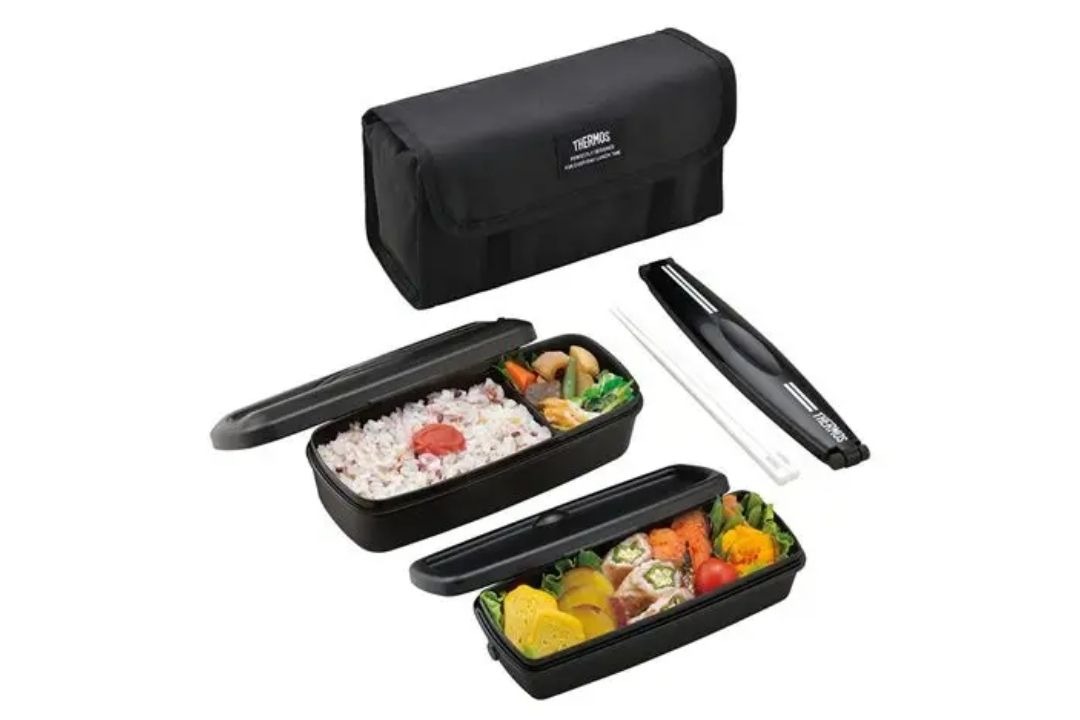
Source: Thermos Homepage
The Fresh Lunch Box demonstrates that temperature control itself can become a source of market value. Traditionally, temperature has been managed during food preparation and service, but once a meal reaches the consumer, maintaining its temperature has largely depended on the surrounding environment. By making temperature control portable, Thermos introduces a new value proposition that extends beyond food storage and into the broader eating experience.
For global businesses, this represents more than an incremental product improvement. It could reshape existing food-related markets. In the food delivery sector, for example, meal quality often declines as delivery times and travel distances increase. Container-level temperature management can help preserve food quality, potentially expanding the range of menu items that can be delivered and extending viable delivery areas. Meal-kit providers and subscription food services may also benefit by designing products that assume more consistent temperature retention throughout transportation.
The strategic benefits of partnership are equally clear. By incorporating Thermos' temperature-management technology, companies can enhance product and service quality while creating meaningful differentiation in competitive markets. In food-related businesses where quality directly drives market leadership, this technical advantage carries significant weight.
Evolving consumer behavior further fuels these market opportunities. Driven by growing health consciousness and a preference for home-cooked meals, demand for self-prepared food to stay in optimal condition will remain strong. Products that offer true quality preservation, rather than basic storage, are well-positioned to capture and sustain meaningful market share.
This approach also aligns with sustainability goals. Retaining meal temperature without relying on external reheating or refrigeration reduces localized energy consumption, offering compelling environmental value.
Ultimately, through the Fresh Lunch Box, Thermos offers an answer to a fundamental question: To what extent can individuals control the temperature of their food? This perspective expands the boundaries of traditional food-service business models and paves the way for new commercial opportunities.
How this space evolves will depend not only on technological advances, but also on shifting dining habits and modern lifestyles. The Fresh Lunch Box stands out as a clear catalyst for that ongoing transformation.
Conclusion
The Fresh Lunch Box represents more than a simple evolution of the traditional lunch box; it demonstrates the potential to redesign everyday food infrastructure around the fundamental element of temperature. Historically, meal quality depended heavily on cooking environments and dining locations. Now, by empowering individuals to manage temperature on their own terms, that baseline assumption is shifting.
For businesses outside Japan, one of the most compelling aspects of this approach is that it can enhance the dining experience without requiring major changes to existing infrastructure. Rather than relying on large-scale equipment or new distribution networks, a single product can significantly improve food quality during transport. This low barrier to adoption makes the concept particularly relevant in emerging markets and densely populated urban areas, where food is increasingly consumed away from home.
The technology also creates opportunities for collaboration across diverse sectors, including food manufacturing, delivery platforms, and corporate workplace services. Designing products and services around reliable thermal control unlocks distinct value propositions, helping brands establish a durable competitive edge while delivering a consistently high-quality experience that builds long-term brand equity.
The product also aligns with broader changes in modern lifestyles. As people work, travel, and eat in increasingly diverse environments, the ability to enjoy meals of consistent quality regardless of location becomes more important. Whether at home, in the office, or on the move, the Fresh Lunch Box could become part of a new everyday food infrastructure by delivering the same dining experience across settings.
At its core, Thermos is treating temperature not merely as a physical property, but as a core design parameter for consumer experiences. This perspective extends well beyond food, demonstrating the scalability of the company's technology and brand philosophy.
Ultimately, the Fresh Lunch Box is more than a consumer product. It has the potential to reshape everyday dining experiences while influencing broader food-related industries. It stands as a practical answer to a defining question: How far can we elevate quality of life by rethinking the often-overlooked variable of temperature?
FAQ About Fresh Lunch Box
1. Are Fresh Lunch Boxes Microwave-Safe?
Microwave compatibility varies by model. Even with microwave-safe models, certain components like lids may not be microwaveable. To ensure safe use, please check the instruction manual or the official Thermos website before heating.
2. Are There Any Tips For Maximizing Heat And Cold Retention?
Pre-heating the container with hot water before packing hot food, or pre-chilling it with cold water or ice before packing cold food, will help maximize performance. Packing your meal as hot or cold as possible and securing the lid immediately will also help maintain optimal temperatures for longer.
3. Who Is The Fresh Lunch Box Recommended For?
It is ideal for office workers and students who pack lunch daily, as well as anyone looking to maintain a healthy home-cooked diet. It is also great for outdoor enthusiasts, travelers, and commuters who want to enjoy high-quality meals on the go.
4. Can I Carry Soups And Liquids In It?
Yes, as long as you choose a soup-compatible model. To prevent leaks, make sure the lid is securely fastened and avoid overfilling. Keeping the container upright while traveling provides extra peace of mind.
5. Is It Easy To Clean?
Most models can be taken apart into individual components, making every detail easy to wash. This straightforward maintenance makes daily cleaning simple and helps maintain hygienic conditions. Regular, thorough cleaning ensures long-lasting usability.
6. What Should I Consider When Choosing A Fresh Lunch Box?
Consider the capacity you need for your meal size, thermal retention performance, and portability. Selecting a model tailored to your specific routine, such as daily commuting or outdoor activities, will give you the best experience.
7. How Does It Differ From A Conventional Lunch Box?
The biggest difference is Thermos's proprietary vacuum insulation technology, which minimizes temperature fluctuations. Enjoying hot or chilled meals at optimal temperatures significantly enhances overall dining satisfaction and elevates your daily lunch routine.
8. Where Can I Purchase A Fresh Lunch Box?
You can buy them through the official Thermos online store, major consumer electronics retailers, home center stores, lifestyle specialty shops, and online marketplaces. Availability and stock vary by store, so it's best to check in advance.
9. Why Is There Growing Demand For This Product Internationally?
Driven by the global popularity of takeout dining and meal prepping, the desire to carry food at ideal temperatures is rising worldwide. The ability to preserve food quality and dining satisfaction appeals to consumers across many regions. Japan's high standards of technology also draw international attention.
10. What Are The Key Strengths Of Thermos?
For over a century, Thermos has perfected vacuum insulation technology across a wide range of products, including water bottles and food jars. Its combination of proven technical expertise and dedication to quality delivers both superior thermal performance and user-friendly design. This deep reliability is why Thermos earns the trust of consumers worldwide.
Related Videos
If you're interested in how Japanese product design is improving everyday dining, the video below explores portable temperature-control solutions from THERMOS. These products help keep food and drinks at the desired temperature while supporting more flexible urban lifestyles.