

A salt pillow is a type of bedding filled with salt, designed to optimize the sleeping environment by lowering head temperature. While conventional pillows adjust comfort through height, shape, and cushioning, salt pillows stand out for their focus on temperature regulation.
Usage is virtually identical to that of a standard pillow. Placing the pillow under the neck or back of the head during sleep lets the salt's thermal properties absorb heat from the head, delivering a refreshing, cool sensation. It is most commonly used to alleviate discomfort when falling asleep, particularly during hot summer months or in humid sleeping environments.
Salt Pillow Overview
Salt has a natural property that lets it absorb heat, especially when moisture is present, and this characteristic has been applied to bedding design. Unlike standard cooling gels or electric cooling apparatuses, it requires no power source, allowing continuous use through a simple design. It functions as a passive temperature control method that leverages natural materials.
While the primary use case is nightly sleep at home, it is also used during short naps or breaks. The pillow can be adapted to improve brief sleep environments in offices, vehicles, or during long-distance travel. Additionally, it is sometimes utilized as a simple cooling option during periods of physical discomfort caused by fever.
Salt pillows are budget-friendly, with most options priced at just a few thousand yen. While priced lower than high-end ergonomic pillows, they stand out for their temperature control. Because they are reusable, a single pillow offers lasting performance.
While the primary audience is individual consumers looking to improve sleep quality, there is also clear B2B potential for hotels, inns, and relaxation spas. Providing them as a summer heat-relief option or a premium amenity can be an effective way to enhance guest satisfaction.
Ultimately, salt pillows improve the sleeping environment by leveraging natural material properties rather than relying on complex tech. By focusing on temperature, they deliver night-time comfort from a fresh, practical angle.
Revitalizing Traditional Industries
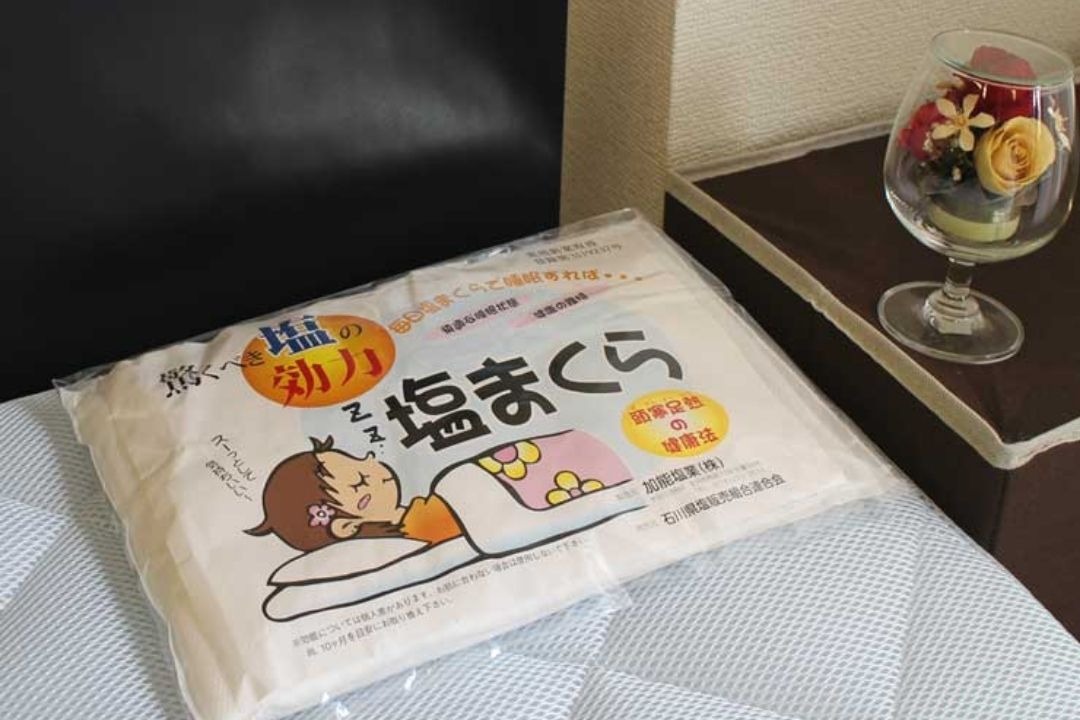
Source: Ishikawa Salt Homepage
The Ishikawa Salt Sales Cooperative Federation is one of the representative organizations involved in producing and distributing salt pillows. The federation comprises salt producers in Ishikawa Prefecture and supports the distribution and commercialization of locally produced salt. In addition to food-related applications, it also explores developing salt-based products for everyday use.
Its connection to salt pillows lies in using locally produced salt as the core material. Rather than being simply a bedding product, salt pillows apply salt’s natural properties, connecting the traditional salt industry with modern lifestyle products. By processing and adapting regional resources, the company is developing new uses for salt.
This organization is considered a representative example because it focuses on product development based on local resources. Ishikawa has a long history of salt production, and products that draw on this regional heritage are often developed as part of local branding initiatives. Salt pillows are positioned as an example that combines functional value with regional identity.
One of the organization’s strengths is integrating raw material supply and product development. By managing the process from salt production to commercialization within the region, it can help maintain material quality and supply stability. In addition, the reputation of Ishikawa’s salt production adds further value to the product.
Compared with mass-produced industrial products, salt pillows stand out through their connection to regional resources. Their appeal extends beyond functionality, allowing brands to communicate the story behind the production area and the natural material itself. This makes them suitable not only as lifestyle products but also as regional specialty items and tourism-related products.
Although various manufacturers sell salt pillows, involvement from regional organizations such as the Ishikawa Salt Sales Cooperative Federation gives these products significance beyond their basic function. By linking the source material with the finished product, salt pillows also show how local industries can create new value from traditional resources.
A Product Born From the Idea of Simply Solving Everyday Discomfort
The concept behind salt pillows originated from a familiar daily challenge: difficulty sleeping during hot summer nights. In Japan’s hot, humid climate, temperature regulation during sleep can significantly affect sleep quality. In particular, heat buildup around the head and neck is a common source of discomfort that can make it harder to fall asleep.
Traditionally, this issue has been addressed through air-conditioning systems and fans. However, these solutions focus on lowering the temperature of an entire room rather than adjusting comfort at an individual level. They can also create concerns such as increased electricity consumption or excessive cooling that may affect physical comfort.
How Salt Pillows Help Create a Cooler Sleeping Environment
In response to this challenge, the idea emerged to use familiar materials as a localized temperature-control solution. Salt has long been used in Japan for purposes such as moisture control and preservation, and its natural heat and moisture related characteristics have been recognized. By applying these properties to bedding, salt pillows were developed to absorb heat around the head during sleep.
The concept also reflects aspects of Japanese lifestyle culture, where natural materials are often used to improve comfort through practical solutions. Salt pillows can be viewed as an extension of this approach, combining traditional material knowledge with modern lifestyle needs.
Growing awareness of energy conservation may also support interest in such products. A cooling method that does not rely on electricity can provide an alternative way to maintain comfort while reducing energy consumption. Particularly during periods of high summer electricity demand, products like salt pillows may be viewed as a practical option.
Salt pillows are not based on complex technology or advanced functions. Instead, they represent a product concept centered on addressing everyday problems through the natural properties of familiar materials. By focusing on temperature as an overlooked factor in comfort, salt pillows offer a simple approach to improving the sleeping environment.
A Design Philosophy Centered on Everyday Products Using Natural Material Properties
The concept behind salt pillows is less about a specific founder's vision and more about a broader Japanese approach to designing everyday products. It reflects the idea of understanding the characteristics of familiar materials and using them appropriately to improve daily comfort.
Salt has long been used in Japan not only as a food ingredient but also for preservation, moisture control, and purification. The practice of applying a versatile material's properties to different contexts has appeared repeatedly throughout Japanese daily life. Salt pillows are one example of this approach.
How Japanese Innovation Is Rethinking the Traditional Pillow
As a product, salt pillows are characterized by their focus on providing practical comfort without unnecessarily expanding functionality. Rather than maximizing cooling performance, the emphasis is placed on delivering a level of comfort that can be used naturally in everyday situations. The absence of electrical components or complex mechanisms lowers the barrier to use while supporting reliable long-term usage.
This philosophy is also reflected in the manufacturing process. Because salt pillows do not require advanced equipment or specialized technology, product quality can be maintained through careful material selection and production management. Their compatibility with existing industries, such as salt production and textile manufacturing, allows them to be produced using established regional resources.
The relationship between the product and users is another important characteristic. Because the method of use is simple, consumers can easily understand the product’s value. No complicated operation or settings are required, allowing salt pillows to become a natural part of everyday life. This simplicity is one of the conditions that enables long-term use as a household product.
Salt pillows were not created through a single technological breakthrough, but through the combination of material knowledge and everyday wisdom. The product's underlying philosophy is to deliver practical benefits through a simple, resource-conscious design.
Differentiated Design Philosophy: Power-Free Cooling
The defining characteristic of the salt pillow is its cooling mechanism, which operates entirely without electricity or mechanical systems. Common cooling bedding options include pillows filled with cooling gel or powered devices that use fans and circulate cold water. Still, these solutions typically require setup time and ongoing maintenance costs. In contrast, the salt pillow uses salt's natural properties to provide a passive temperature-control solution.
Cooling gel pillows are often designed to provide an immediate cooling sensation, but their effectiveness may decrease as the material gradually absorbs body heat. Some products also require pre-cooling in a refrigerator before use. Salt pillows take a different approach, using the temperature difference between the material and the surrounding environment to absorb heat and provide a gentle, steady cooling sensation rather than an intense but temporary chill.
Electric cooling devices offer more precise temperature control, but they also come with challenges, including the need for power access, installation space, and potential noise. In a sleeping environment, mechanical sounds and vibrations may affect comfort and sleep quality. Salt pillows eliminate these concerns by prioritizing simplicity, quiet operation, and ease of use.
Maintenance requirements mark another key area of differentiation. While powered devices may require periodic cleaning or component replacements, the salt pillow's simple construction generally needs only routine care, such as washing the cover and keeping the pillow dry. This straightforward design keeps long-term ownership costs low.
How Japanese Salt Culture Is Inspiring New Innovations
From a cultural standpoint, the product aligns with the Japanese tradition of incorporating natural materials into everyday lifestyle goods. Salt has long been utilized in Japan for preservation and humidity control, making its application to bedding a compelling example of a simple yet practical product design. This focus on simplicity and effective use of natural characteristics is a notable aspect of Japanese product development.
Furthermore, it offers clear differentiation from an environmental perspective. Operating without electricity means zero energy consumption during use, keeping its ecological footprint exceptionally low. As global interest in sustainability continues to rise, these eco-friendly characteristics represent a meaningful competitive advantage.
Rather than competing through maximum cooling power, salt pillows are designed around durability, simplicity, and convenience. By combining electricity-free operation, low maintenance requirements, and natural material characteristics, they establish a unique position within the growing market for temperature-control bedding.
Application Potential Across Hospitality, Healthcare, and Relaxation Sectors
While salt pillows are widely used as personal bedding, they also hold strong potential for B2B adoption. Temperature control directly influences sleep quality, making it a valuable feature that service providers can leverage to add tangible value to their offerings.
In the hospitality sector, salt pillows offer a practical solution for managing summer heat. While hotels and traditional inns rely primarily on air conditioning for climate control, accommodating individual temperature preferences can be challenging. Offering salt pillows as room amenities lets guests adjust their comfort as needed. They offer particularly strong synergy with traditional Japanese inns (ryokan) and wellness-oriented lodging, where natural materials align well with the brand identity.
They also have potential applications in healthcare and caregiving settings. They can serve as a supplementary cooling measure for fevers or help manage body temperature for individuals confined to bed for extended periods. Operating without electricity makes them easy to deploy in environments where setting up equipment is difficult, positioning them as simple, accessible care items. However, medical or caregiving applications naturally require strict hygiene protocols and clear usage guidelines.
How Salt Pillows Offer a Different Approach to Sleep Comfort
In relaxation facilities, salt pillows can elevate the quality of rest environments. Spas, massage clinics, and sauna facilities place a high premium on creating conditions that ease bodily tension. Introducing salt pillows can serve as a complementary tool to encourage deep relaxation by keeping the head cool.
Corporate office environments represent another viable avenue alongside the growth of dedicated nap spaces. As awareness spreads that short rest periods boost overall productivity, more companies are investing in power-nap setups. Salt pillows provide a simple, effective way to create a comfortable rest environment within these corporate spaces.
Additionally, they have potential for outdoor and travel applications. Because they require no power source, they are well-suited for camping and car camping. In these settings, they deliver clear value as a portable, hassle-free cooling solution.
In these ways, salt pillows extend far beyond personal home bedding into versatile products adaptable across multiple industries. Their core function of temperature regulation translates seamlessly to diverse environments, leaving ample room to generate added value in the B2B market.
Material Selection and Quality Control in Salt Pillow Manufacturing
Despite their simple design, high-quality salt pillows require precise material selection and manufacturing standards to ensure comfort, safety, and durability.
- Salt Specifications: The salt's grain size must be carefully balanced—neither too coarse for comfort nor too fine for breathability. Low moisture content is also critical to prevent mold, clumping, and degradation.
- Fabric Selection: The outer casing should be breathable, soft, and skin-friendly. Natural fabrics like cotton or linen are typically used, often featuring removable covers to simplify maintenance.
- Manufacturing and Quality Control: Consistent filling weight is necessary to maintain even support and shape. Robust construction, including reinforced stitching, is required to prevent leaks and premature wear.
Ultimately, because salt pillows lack complex mechanisms, their daily performance and overall value rely entirely on the quality of their raw materials and the precision of their assembly.
Regional Salt Resources and Their Role in Product Development
A compelling aspect of the salt pillow as a consumer product is how its primary material links directly to regional resources. Salt-making industries exist across various regions of Japan, where salt has historically been harvested from seawater. Uniting these local heritage industries with everyday consumer goods generates value that extends far beyond mere physical functionality.
Regional salt producers, particularly those in rural areas, often serve as core pillars of local brand identity. Salt harvested through traditional methods or under unique environmental conditions can readily expand beyond culinary uses into lifestyle and home goods. The salt pillow offers a prime example of this model, demonstrating how regional resources can be leveraged for creative product development.
In coastal areas such as Ishikawa Prefecture, salt production boasts a rich history as a foundational local industry. Goods crafted with salt harvested from these areas are frequently marketed as regional specialties. Products like the salt pillow represent a meaningful effort to repurpose local resources into high-value consumer goods.
From an economic development perspective, these products open up entirely new sales channels. Capturing demand in the home goods sector rather than relying solely on food products expands the market footprint for salt producers. Positioning these pillows as travel souvenirs or regional brand offerings creates new opportunities to stimulate local economies.
The use of natural materials further strengthens their appeal. Unlike products that depend on synthetic cooling materials or electrical systems, salt pillows rely on a naturally occurring resource, making them an option that may appeal to consumers interested in environmentally conscious products. This approach aligns with growing interest in sustainability and locally sourced materials.
There is also potential for integration with tourism. Products made from regional materials can become part of the visitor experience, allowing travelers to take home items that reflect the area's history and industries rather than simply purchasing conventional souvenirs. This can enhance both the perceived value of the product and the visibility of the local community.
In this way, salt pillows are more than functional sleep products. By connecting locally produced salt with practical everyday use, they illustrate how regional resources can be transformed into products that combine comfort, cultural identity, and local economic value.
User Experience: Benefits and Varying Impressions
User experiences with salt pillows depend largely on personal preference and the surrounding environment. Unlike gel-based products, salt pillows are designed to provide gentle, sustained cooling rather than an intense chill. Because salt transfers heat based on ambient conditions, the pillow performs best in well-ventilated or air-conditioned rooms.
Additionally, their heavier weight and firmer support offer stability that appeals to some sleepers, though those accustomed to soft memory foam may require an adjustment period. Maintenance is straightforward, requiring only regular cover washing and periodic air-drying to manage moisture.
For B2B applications, such as in hospitality, salt pillows are best positioned as a specialized option within a broader bedding menu rather than a universal solution. Ultimately, while individual satisfaction varies based on personal preference and room conditions, these pillows offer a natural, moderate approach to sleep comfort and temperature management.
Global Expansion Potential and Cultural Acceptance
Salt pillows feature a simple design and rely on natural materials, giving them the potential to appeal to international markets. As awareness of sleep quality continues to grow worldwide, demand for bedding that enhances comfort and supports better rest is increasing. A product that focuses on temperature regulation through natural materials offers a distinctive approach within this expanding market.
In Western markets, consumers are willing to invest heavily in mattresses and pillows, resulting in a well-established premium bedding industry. However, much of this market is dominated by polyurethane foam, synthetic gels, and electronic appliances, leaving ample room for simple products made from natural materials to differentiate themselves. Operating as a power-free cooling method gives the product strong appeal among environmentally conscious consumers.
The product also aligns naturally with wellness and eco-friendly lifestyles. For consumers who prioritize organic materials and sustainable goods, using salt as a natural material is a compelling core value proposition. Positioning the item within the context of relaxation and self-care elevates it beyond a mere utility product.
At the same time, gaps in cultural awareness present a potential hurdle. While using salt in bedding is somewhat recognized in Japan, the concept is unfamiliar overseas. Effectively communicating product value requires clear messaging regarding material properties, usage, and benefits.
Climate conditions also play a decisive role in market adoption. In hot and humid regions, the cooling benefits are immediately noticeable, whereas demand may be limited in dry or cold climates. Success depends on tailoring marketing strategies to match local environmental conditions.
From a distribution perspective, the product is well-suited for e-commerce. Its straightforward construction simplifies logistics and keeps shipping overhead relatively low, supporting direct-to-consumer online sales. Because user reviews and word-of-mouth drive purchasing decisions in this space, highlighting real user experiences is critical.
Additionally, partnership opportunities exist with hotels, traditional inns, and wellness spas. Providing places where prospective buyers can try the pillow firsthand accelerates product understanding and creates a clear path to purchase, showing how well the item supports experiential marketing tactics.
Ultimately, the salt pillow avoids high-tech complexity in favor of universal themes: natural materials and gentle temperature management. By adapting to the distinct culture and climate of each target market, it has strong potential to capture meaningful demand internationally.
Key Differentiators and Strategic Positioning Against International Competitors
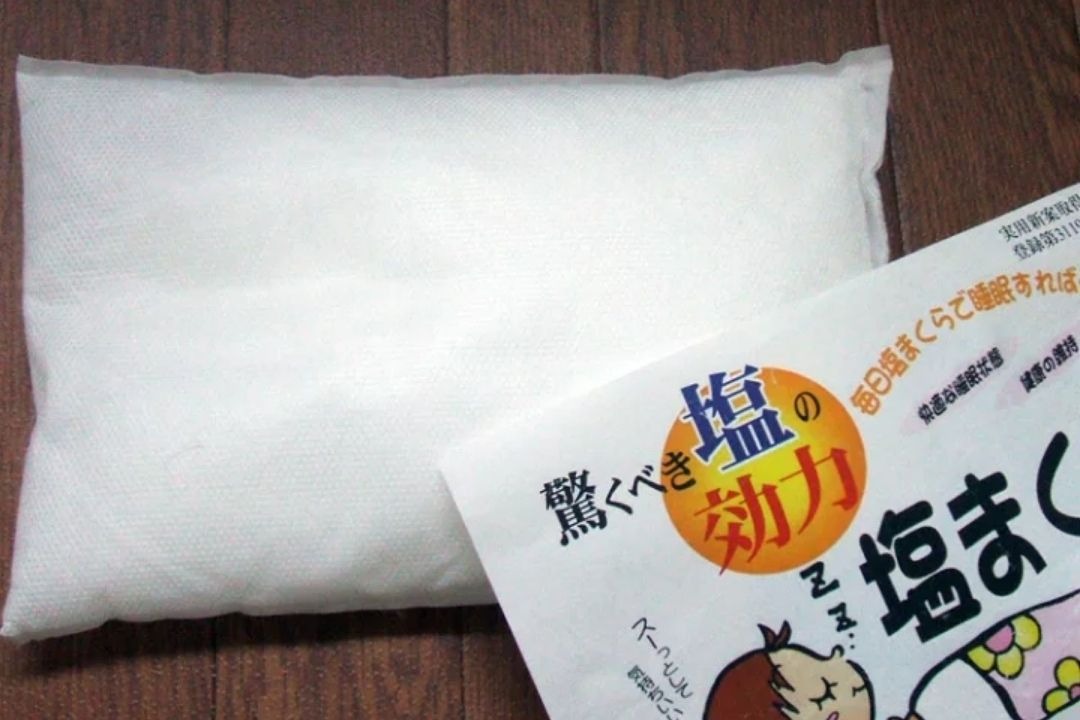
Source: Ishikawa Salt Homepage
Cooling bedding products do exist in international markets, but they generally rely on fundamentally different materials and technologies. Most mainstream offerings utilize cooling gels or specialized synthetic fibers engineered to deliver an immediate, intense cold sensation. In contrast, the salt pillow is designed not for aggressive chilling, but for mild, continuous temperature regulation, reflecting a distinct core philosophy.
Gel-based pillows can feel noticeably cool at first, but their cooling effect often diminishes as the material gradually warms during use. Some products also require refrigeration or cooling inserts before bedtime, adding an extra preparation step. Salt pillows operate differently. By absorbing heat through natural thermal exchange with the surrounding environment, they provide a milder but more consistent cooling sensation without any preparation.
Powered cooling systems represent another market segment. These products can maintain precise temperatures, but they depend on electricity, mechanical components, and ongoing maintenance. Noise, equipment reliability, and installation requirements can also influence the overall sleep experience. Salt pillows avoid these limitations entirely, relying on a simple, passive design that requires no power source.
Material selection further distinguishes the product. Many international cooling pillows incorporate synthetic foams, gels, or engineered textiles, whereas salt pillows are typically made from natural materials. This aligns well with growing consumer interest in environmentally conscious, naturally derived products and may appeal to buyers seeking sustainable alternatives.
One challenge, however, is consumer familiarity. The benefits of gel or electrically cooled pillows are relatively intuitive, while the concept of using salt as a temperature-regulating material is less widely recognized outside Japan. As a result, clear product education and opportunities for hands-on experience become important in helping consumers understand the product's value.
Price also contributes to its positioning. Because salt pillows do not require complex electronics or advanced manufacturing processes, production costs are generally lower. This allows them to occupy an accessible price range and makes them an attractive entry-level option for consumers interested in cooling sleep products without investing in premium electronic solutions.
Rather than competing on maximum cooling performance, salt pillows emphasize simplicity, consistency, and ease of use. In international markets, they can occupy a distinct niche as a naturally inspired, low-maintenance alternative to technology-driven cooling products. Their combination of natural materials, electricity-free operation, and straightforward design provides a unique value proposition that differs from many existing sleep products.
A Product Born From the Idea of Simply Solving Everyday Discomfort
The concept behind salt pillows began with a familiar daily challenge: difficulty sleeping on hot summer nights. In Japan’s hot, humid climate, temperature regulation during sleep can significantly affect sleep quality. In particular, heat buildup around the head and neck is a common source of discomfort that can make it harder to fall asleep.
Traditionally, this issue has been addressed through air-conditioning systems and fans. However, these solutions focus on lowering the temperature of an entire room rather than adjusting comfort at an individual level. They can also create concerns such as increased electricity consumption or excessive cooling that may affect physical comfort.
In response to this challenge, the idea emerged to use familiar materials as a localized temperature-control solution. Salt has long been used in Japan for purposes such as moisture control and preservation, and its natural heat- and moisture-related characteristics have been recognized. By applying these properties to bedding, salt pillows were developed to absorb heat around the head during sleep.
This approach is not based on advanced technological development, but rather on repurposing an existing material for a new application. Without requiring special equipment or a power source, salt pillows can be easily incorporated into everyday life. The core idea is to solve common discomfort through a simple, accessible method.
A Natural Approach to Keeping Cool While You Sleep
The concept also reflects aspects of Japanese lifestyle culture, where natural materials are often used to improve comfort through practical solutions. Salt pillows can be viewed as an extension of this approach, combining traditional material knowledge with modern lifestyle needs.
Growing awareness of energy conservation may also support interest in such products. A cooling method that does not rely on electricity can provide an alternative way to maintain comfort while reducing energy consumption. Particularly during periods of high summer electricity demand, products like salt pillows may be viewed as a practical option.
Salt pillows are not based on complex technology or advanced functions. Instead, they represent a product concept centered on addressing everyday problems through the natural properties of familiar materials. By focusing on temperature as an overlooked factor in comfort, salt pillows offer a simple approach to improving the sleeping environment.
Distribution Track Record and Market Position in Japan
Salt pillows are not products developed and distributed under a single major brand. Instead, multiple businesses and regional organizations produce and sell them, making them a decentralized product category. As a result, it is difficult to measure market share or adoption volume with specific figures. Still, the category has established a certain level of distribution within lifestyle goods and health-related products.
The primary sales channel is online retail. A variety of salt pillow products are available through e-commerce platforms and marketplace websites, with different price points, materials, and designs offered alongside one another. This allows consumers to choose products based on their individual preferences and intended use.
At the same time, salt pillows are also distributed as regional specialty products. In areas with a history of salt production, some products are developed using locally produced salt and marketed as regional goods, souvenirs, or locally branded items. This type of distribution provides value beyond mass-produced consumer products by emphasizing the connection between the material and its place of origin.
In terms of market positioning, salt pillows occupy a different category from high-performance bedding products. Unlike memory foam pillows, medical bedding, or technologically advanced sleep products, they do not focus on complex functionality. Instead, they are generally positioned as supplementary items that provide a specific benefit, rather than as a replacement for a primary pillow.
Seasonality is another important market characteristic. Demand tends to increase during the summer months, as temperature and humidity directly affect the product’s perceived value. Therefore, sales timing and seasonal promotions can significantly affect consumer interest.
Consumer reviews and word-of-mouth also play an important role in purchasing decisions. Because the product structure is simple, personal experiences with comfort and cooling performance are easily reflected in customer evaluations. Reviews on e-commerce platforms and social media can contribute to wider awareness and adoption.
In the B2B sector, adoption by hotels, relaxation facilities, and wellness businesses remains limited, but there is potential for use as a value-added amenity. While salt pillows have not yet become a standard feature in hospitality settings, they may serve as a differentiation tool for facilities seeking unique comfort options.
Salt pillows do not represent a large-scale mainstream market, but they have maintained a stable presence as a niche product addressing specific consumer needs. Their simple functionality, affordable pricing, and natural material appeal have allowed them to become an established category within everyday lifestyle products.
Future Expansion Through Broader Applications and Market Adaptation
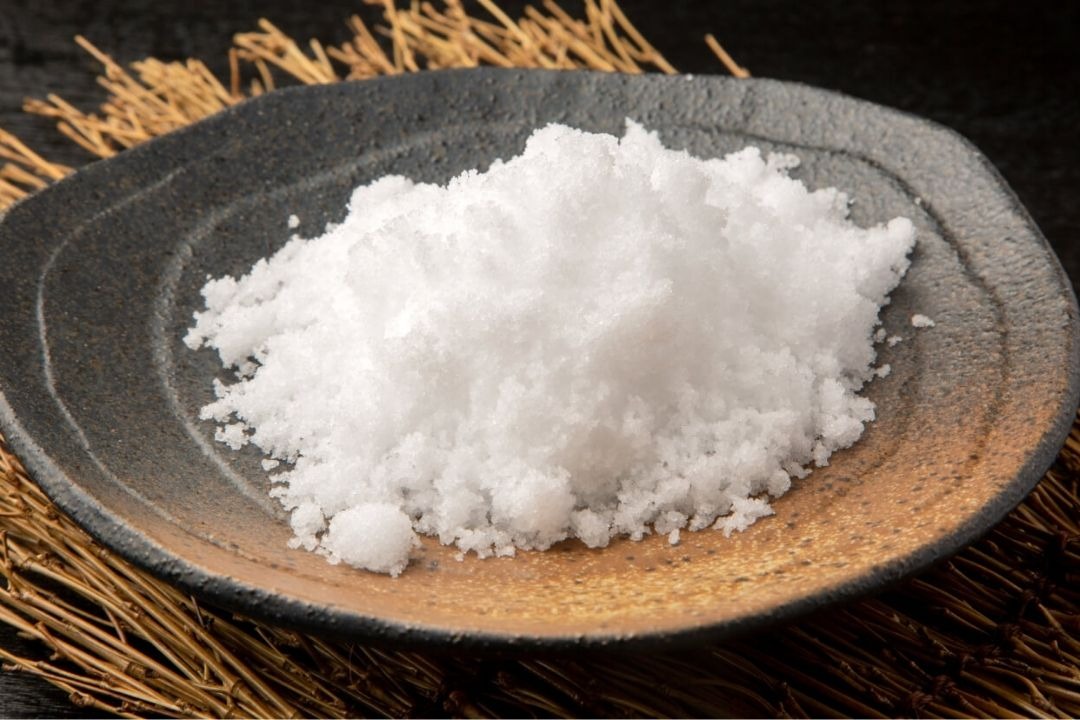
Source: Ishikawa Salt Homepage
Salt pillows are currently distributed primarily as consumer bedding products, but their simple structure and versatile material properties provide opportunities for broader applications. In the future, they may evolve from a single-purpose product into a lifestyle item that supports a wider range of everyday uses.
One potential direction is expanding product variations through different shapes and sizes. Compact models designed specifically for the neck, as well as pad-type products for areas such as the lower back or shoulders, could be developed to address different comfort needs. This would allow salt-based temperature control to extend beyond sleep and be incorporated into various daily situations.
Another area of development is improving comfort through product design enhancements. Issues such as weight and fit could be addressed by improving internal structures or combining salt with other materials. For example, hybrid designs that balance stability and flexibility may create a more comfortable user experience.
From a distribution standpoint, expanding through e-commerce channels offers strong growth potential. Because of its straightforward construction, the product keeps shipping costs relatively low, making it well suited for online retail. Additionally, leveraging customer reviews and testimonials allows real user experiences to highlight product value and drive new customer acquisition.
In the B2B sector, expanded adoption by hotels, accommodation facilities, and relaxation businesses could create opportunities for experience-based marketing. By allowing customers to try the product in real-world settings before purchase, businesses can develop new sales pathways that connect direct experiences with consumer demand.
Overseas markets may also provide opportunities to position salt pillows as wellness products based on natural materials. Rather than being promoted solely as cooling bedding, positioning salt pillows as an eco-friendly home good rather than a basic cooling pillow creates clear market differentiation. Adapting product specifications to local climates and cultural preferences will be an important factor in successful expansion.
Related product development is another possible avenue. By creating additional lifestyle or relaxation products that utilize salt as a core material, companies could establish a broader brand concept rather than relying on a single product. This could shift the focus from product sales to a more comprehensive, lifestyle-oriented approach.
Although salt pillows have a simple structure, this simplicity creates flexibility for future applications. Through expanded uses and adaptation to different markets, the product could strengthen its position as a versatile everyday wellness item.
Conclusion
Salt pillows create unique value by focusing on temperature as a single functional element within the existing bedding category. Rather than improving comfort through shape, support, or cushioning materials, they are designed to manage heat around the head during sleep.
This concept is based on an approach that reduces everyday discomfort by utilizing the properties of familiar materials rather than relying on complex technology. Because salt pillows require no power source or special operation, they integrate naturally into daily routines.
For overseas companies, the key point is the product design philosophy: a simple structure that provides a specific function. In a bedding market where advanced features and technology-driven products continue to expand, a design that intentionally limits functionality while prioritizing ease of use and long-term usability may appeal to a different consumer segment.
Natural materials also allow salt pillows to connect with broader trends such as sustainability and wellness. Products that avoid excessive energy consumption and complex mechanisms may gain attention among consumers seeking lower-impact and more natural lifestyle options. These values are becoming increasingly relevant in global markets.
From a B2B perspective, salt pillows could serve as a differentiation tool for hotels, relaxation facilities, and wellness spaces. Rather than providing the same function to every user, offering them as an optional comfort amenity can expand the range of experiences available to customers. Their relatively low introduction cost may also make adoption easier for businesses.
Furthermore, the concept behind salt pillows has potential for broader applications. Temperature control as a core function could be adapted to other lifestyle and wellness products, creating opportunities for a wider product line based on the same design philosophy. A product strategy centered on simple yet meaningful functions can also support consistent brand development.
Salt pillows are not products built around dramatic technological innovation or advanced features. Instead, they provide a practical solution to an everyday challenge by focusing on temperature as a key element of comfort. By presenting a different approach from conventional bedding, they represent a simple tool that can quietly improve daily living conditions.
FAQ About Salt Pillows
1. What Kind of Bedding Is a Salt Pillow?
A salt pillow is bedding filled with salt inside, designed to enhance comfort during sleep by making it easier to dissipate heat from the head. While conventional pillows focus on height and cushioning, salt pillows are characterized by being designed from the perspective of "temperature regulation." This simple household item requires no power source or complex functions, relying on the material's natural properties.
2. Is a Salt Pillow Suitable for Countering Summer Sleep Discomfort?
Salt pillows are used as auxiliary items to help alleviate sleep discomfort during the summer. They absorb heat from the head due to salt's thermal conductivity, providing a cool sensation different from conventional pillows. However, because they don't have strong cooling effects, the actual sensation will vary depending on environmental conditions such as room temperature and humidity.
3. What Is the Difference Between a Salt Pillow and a Cooling Gel Pillow or Cold-Sensation Bedding?
The main difference between a salt pillow and a cooling gel pillow lies in the cooling method and ease of use. While cooling gel types make it easy to obtain a strong cooling sensation, some products may require pre-chilling. Salt pillows require no power source or preparation for cooling, using the material's natural properties to provide gentle temperature regulation.
4. Can a Salt Pillow Be Used as a Substitute for a Regular Pillow?
Salt pillows are not designed for height or body pressure dispersion like conventional pillows, but as bedding that helps regulate temperature. Therefore, you can use them with your regular pillow or introduce them only during warm seasons. Since comfort and weight preferences vary by individual, choose one that fits your sleep environment.
5. Are Maintenance and Storage Methods for a Salt Pillow Difficult?
Because salt pillows have a simple structure, they are relatively easy to manage. Generally, you can maintain cleanliness by washing the cover and drying the pillow periodically. However, because salt can clump or change texture in humid environments, store it in a well-ventilated area after use.
6. What Points Should Be Noted When Using a Salt Pillow?
The sensation of using a salt pillow can vary depending on the environment and individual physical constitution. Those expecting a strong cooling sensation similar to cooling gels may find it insufficient. Additionally, because they contain salt, some products are heavier than conventional pillows; if you are concerned about strain on your neck or shoulders, check the size and weight before choosing.
7. Can Salt Pillows Be Utilized in Hotels and Accommodations?
Salt pillows can be used as an added-value service in accommodations. Particularly for hotels and ryokans that want to provide a comfortable summer sleep environment, introducing them as room amenities lets guests choose a resting environment that suits them. As bedding made from natural materials, it has a strong affinity with Japanese-style inns and wellness-oriented facilities.
8. Is There Potential for Salt Pillows to Be Welcomed Internationally?
Salt pillows could expand into international markets as simple cooling bedding made from natural materials. While many high-performance cooling bedding products from foreign companies exist in global markets, features such as being power-free, low-maintenance, and made from natural materials differentiate them for those seeking sustainable household goods. They also align well with wellness- and nature-oriented product markets.
9. Who Is a Salt Pillow Suitable For?
Salt pillows are suitable for those who experience sleep discomfort due to summer heat, or those who want to adjust their sleep environment without using electricity. They are also appropriate for individuals who want to incorporate household items made of natural materials or prefer products with simple functions. On the other hand, if you need a strong cooling sensation or support features like those of high-performance pillows, compare them with other bedding that meets your specific needs.
10. Why Are Salt Pillows Drawing Attention as Products Unique to Japan?
Salt pillows draw attention because of the Japanese product philosophy of utilizing the characteristics of familiar materials to resolve daily discomforts. Salt has been used in Japan since ancient times for preservation and moisture regulation, and applying these properties to bedding is a key feature. As a product that creates comfort by leveraging the material's inherent characteristics, it has the potential to attract global interest.