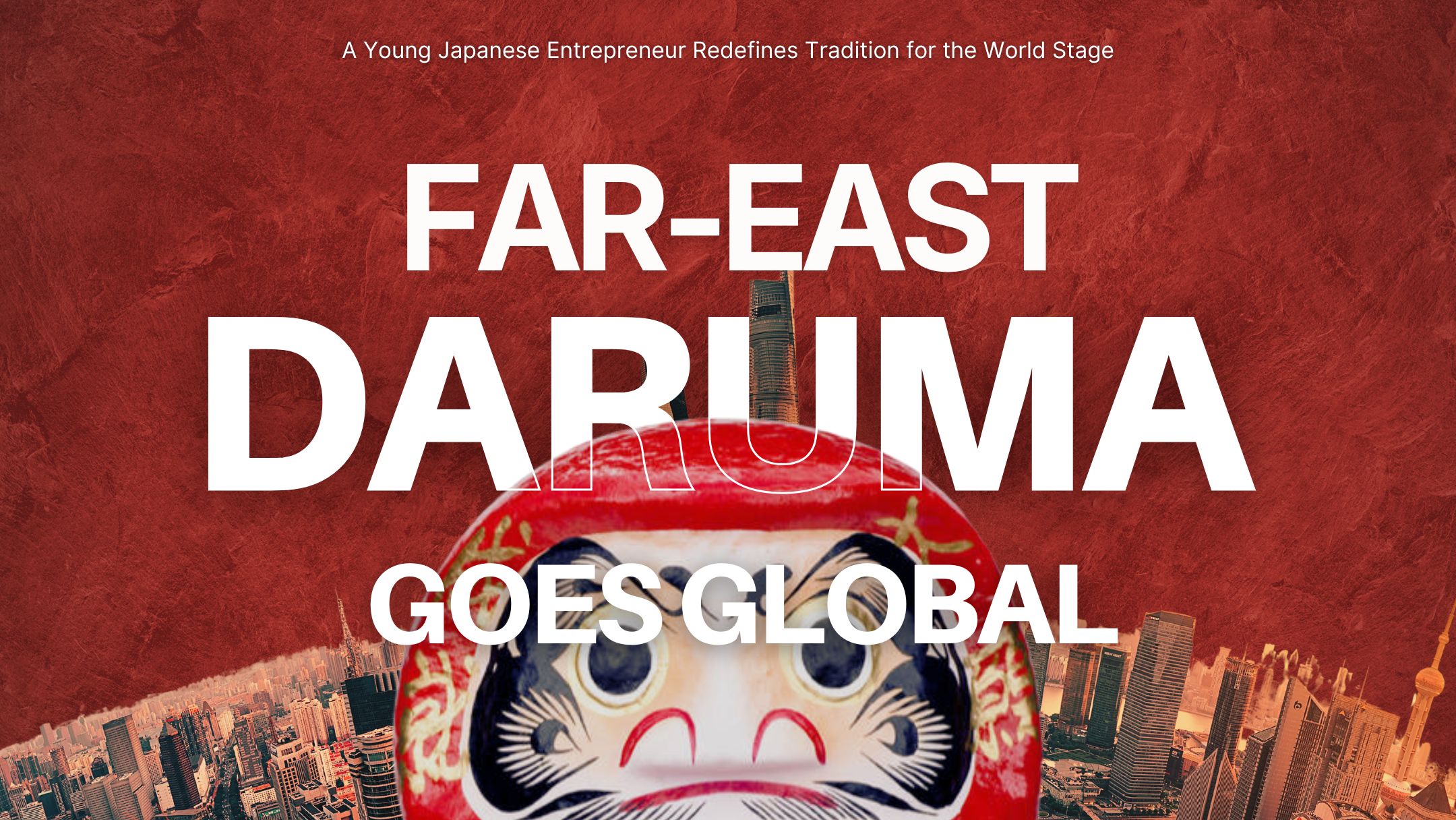
The FAR EAST Daruma Goes Global: A Young Japanese Entrepreneur Redefines Tradition for the World Stage
In Japan, it’s common to give physical form to wishes and prayers. Among the most iconic symbols of this tradition is the daruma: a rounded doll that always bounces back when tipped over, symbolizing resilience and the Japanese proverb “fall down seven times, get up eight” (七転八起, shichiten hakki).
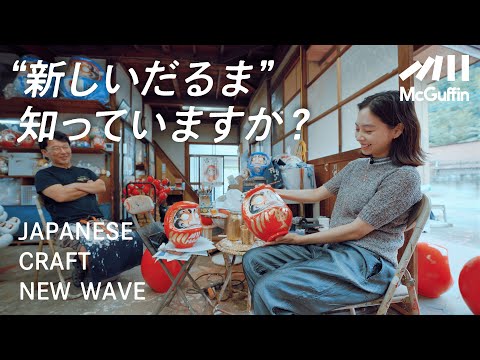
Long considered a good-luck charm, the daruma has deep roots in Japanese craftsmanship, especially in Takasaki, Gunma Prefecture. There, artisans continue to make daruma by hand, preserving the rituals and artistry that have defined the craft for generations. The act of painting in one eye to make a wish—whether for passing an exam or achieving business success—and filling in the other when it’s fulfilled, reflects Japan’s mindful and intentional approach to hopes and goals.
But in Japan, where daruma are so familiar, it’s easy to overlook their design and meaning. Meanwhile, people abroad discovering the daruma for the first time are fascinated by its distinct shape, symbolism, and story.
One person working to reintroduce daruma to the world is Tokyo-based entrepreneur Fumiko Takahashi, known by her nickname, Fumicorn. Through her company, Concon Inc., she’s breathing new life into Japanese traditions, reimagining cultural icons like the daruma through a modern lens and introducing them as design-forward products to a global audience.
The FAR EAST Daruma Overview
Source: Fumicorn on note
The FAR EAST Daruma, created by Concon Inc., is a modern take on the traditional Takasaki Daruma. It blends time-honored craftsmanship with contemporary aesthetics and storytelling. While the daruma has long been a symbol of good fortune in Japan, this version is reimagined as a year-round art object, one that brings together meaning and design in a form suitable for modern living.
As interest in thoughtful, culturally meaningful gifts among international travelers grows, Concon is expanding into the global market. They offer custom daruma dolls for businesses and organizations, and are actively building partnerships abroad. While being deeply rooted in local tradition, the product has been carefully designed to resonate with global audiences. It’s a way to preserve heritage while also translating the spirit of Japanese wishes into a form that feels fresh and relevant across cultures.
A New Kind of Japanese Cultural Product: Daruma by Concon Inc.
Based on the logos, illustrations, or text to be included, Daruma designers create custom design proposals tailored to each request.
Customers may specify a preferred base color and choose from four different font styles for any text. Designs can feature motifs, full-surface logos, or unique themes such as food items, beloved pets, or team and workplace uniforms, allowing for highly personalized daruma creations.
This service is well-suited for companies and organizations seeking a symbolic item for goal-setting, milestone celebrations, or brand expression, as well as for teams, sports clubs, and creative groups looking to strengthen unity.
It is also popular among individuals searching for meaningful, one-of-a-kind gifts for occasions such as business launches, celebrations, or personal milestones.
Pricing varies by size (small, medium, and large).
Prices including tax are 55,000 yen for the small size, 7,000 yen for the medium size, and 148,500 yen for the large size.
Why Daruma Is Gaining Attention Worldwide
The journey that led to Concon’s daruma began with an unexpected moment. Before starting the company, Takahashi was running a sustainable jewelry brand called TOKYO LOLLIPOP, selling glass rings made from recycled materials at pop-up events. As part of her booth design, she displayed traditional daruma dolls from her hometown of Takasaki.
Rediscovering a Classic
To Takahashi's surprise, the daruma caught the attention of international visitors, far more than the accessories themselves. People were drawn to the unfamiliar figure, taking photos and even asking to buy one. Something that had simply been a decorative element suddenly revealed untapped potential.
That moment sparked a realization: what’s ordinary in Japan can be extraordinary to someone seeing it for the first time. Inspired, Takahashi began reworking the daruma—adjusting the colors, proportions, and logo placement to fit modern tastes, while preserving the original handcrafting techniques. Through ongoing collaboration with Takasaki artisans, she set out to turn this traditional item into something more: a piece of cultural art with contemporary appeal.
That’s how The FAR EAST was born as a brand that reinterprets Japanese traditions for a global audience. What started as a spontaneous reaction became the foundation for a cultural product with purpose and story.
The Founder’s Early Inspiration
Takahashi decided to become an entrepreneur at the age of 16. Defying expectations, she left Japan to study abroad in India, a bold move that changed her life. There, she lived with a host father who was a successful entrepreneur. Seeing her courage, he told her, “Someone like you should be running a business.” That single comment stayed with her.
From India to Innovation
In India, the stark contrast between extreme wealth and poverty left a lasting impression on her. One scene she couldn’t forget was a massive pile of discarded, colorful glass—a waste of something beautiful. That image later inspired the idea for TOKYO LOLLIPOP, her jewelry brand that gave new life to scrap glass.
In college, she studied design, marketing, and intercultural communication while working as a sales representative for handcrafted rings. Her unique products, rich with backstory, drew attention from international shoppers at pop-ups in Tokyo and beyond.
And then came the daruma. The unexpected interest it received from international visitors led Takahashi to reconsider how everyday Japanese culture is perceived abroad. In Takasaki, daruma are typically associated with New Year’s traditions. But to visitors, they looked like art, like something intriguing and meaningful.
That cultural contrast sparked a new idea: this wasn’t just about preserving tradition, it was about translating and sharing it with new audiences. To Takahashi, passing down culture isn’t so much about keeping it intact as it is about adapting it so it speaks to the present while staying true to its roots.
She aims to create experiences that invite people in—simple, approachable touchpoints that spark curiosity and offer deeper meaning. That philosophy is woven into every product that Concon creates.
As she puts it, “Culture doesn’t continue on its own. It survives because someone discovers it anew.” Her journey is one of reconnecting the old and the new, the local and the global.
What Makes The FAR EAST Daruma Unique?
Source: Fumicorn on note
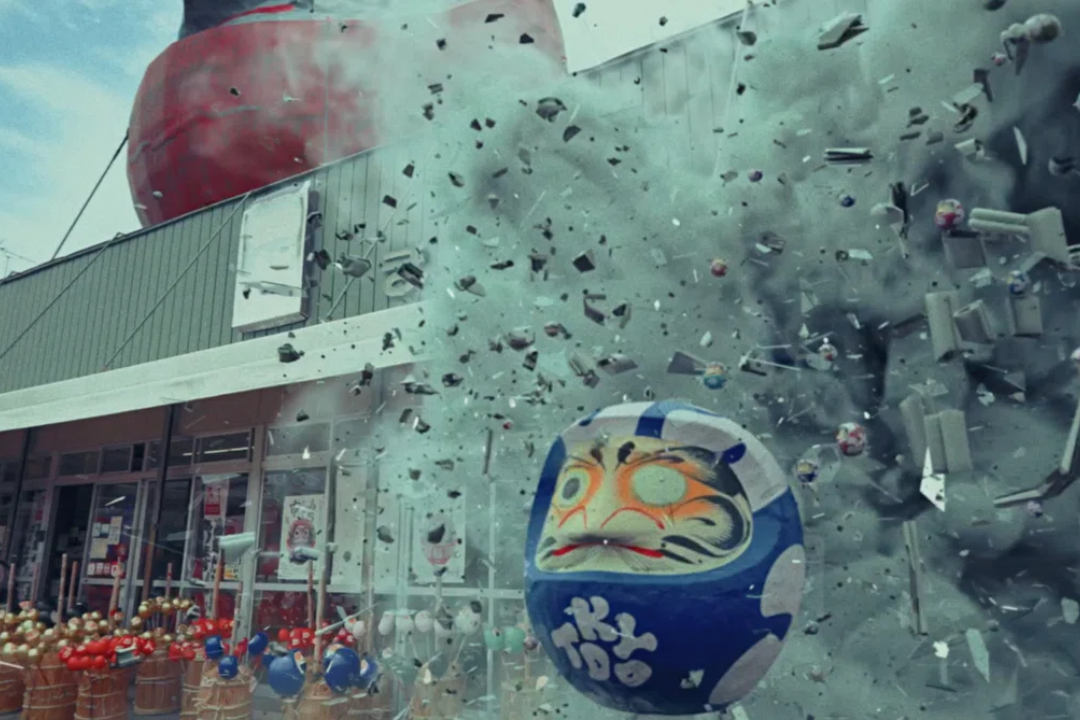
The FAR EAST Daruma is a cultural product designed with experience in mind. Each one is handcrafted in Takasaki using traditional methods and materials, yet its look and feel are entirely new.
Instead of the typical bright red, it’s available in modern, muted tones like white and soft earth colors, with matte finishes that suit contemporary interiors. The brand’s logo is subtly placed, giving it a sophisticated edge, perfect as a personal gift or corporate memento.
The ritual of painting the eyes, a central part of the daruma tradition, is also integral to the experience. Orders come with a brush, ink, and guide card, allowing even online buyers to participate in this meaningful act.
Blending traditional craftsmanship with modern design and an interactive, story-driven experience, this new take on the daruma goes beyond folk craft—it stands out as a meaningful art piece that embodies personal wishes and intention.
More Than Décor: Corporate and Commercial Applications
Beyond individual buyers, companies and organizations are embracing the daruma as a meaningful tool for employee engagement and branding. In particular, it’s gaining traction as a thoughtful touch for company anniversaries, celebrations, and employee recognition events. One IT company, for example, gave a daruma to every employee, asking them to paint one eye on it as a symbolic commitment to their yearly goals. The second eye is completed when those goals are met—a practice that has proven to boost team alignment and motivation.
Thanks to its stylish design, the daruma is also used in upscale spaces, such as hotel lobbies, fine-dining restaurants, and exhibition booths. It’s breaking free of its traditional image as a New Year’s decoration, becoming a year-round good-luck charm that adds both beauty and story to any space.
In this way, Concon’s daruma serves not just as a decorative piece but also as a conversation starter, bringing a sense of culture and storytelling into business settings.
What Customers Are Saying: The Power of Hands-On Culture
Customer feedback highlights more than just aesthetics. Buyers say the daruma fits naturally into their home décor and helps them reflect on their goals and intentions.
Young women, in particular, have shared that painting in the eyes makes them feel grounded and focused, and some even keep theirs on their desks as a form of self-motivation. It’s a piece of décor that encourages meaningful action.
International customers have also expressed their reactions online:
"So minimal, yet spiritual."
"I didn’t know what it meant, but I felt connected to it."
One user even wrote, “It felt less like a decoration, and more like an emotional catalyst.”
The option to personalize each daruma with names or dates has made it a popular choice for birthdays, weddings, and other special occasions. One gift-giver said the recipient was so touched, they cried—proof that the act of giving the daruma itself can be a powerful, memorable experience.
Looking Ahead: From Japan to Paris Fashion Week
The future of The FAR EAST Daruma lies in expansion, not just in sales, but in meaning. Takahashi aims to shift the concept of cultural preservation from a passive to an active and open approach. Her goal is to reinterpret Japanese traditions, so they resonate with broader global values and new social contexts.
While the brand currently focuses on lifestyle and gift markets, it is planning to expand into interior design, art, education, and wellness. For instance, some companies are exploring how using a daruma in mental health programs or school settings could aid in goal-setting and self-awareness.
The daruma is also gaining attention among mindfulness communities in the West and affluent buyers across Asia. Thanks to its small production runs, lightweight design, and high perceived value, the daruma is well-suited for corporate gifting and trade show giveaways, making it an appealing choice from both a design and cultural standpoint.
Takahashi has even set her sights on Paris Fashion Week—not just to promote her product but to elevate traditional Japanese craft onto the global design stage. She wants to show that these objects are not relics, but living expressions of culture ready to stand alongside the best in international fashion and art.
In doing so, she hopes to spark a new conversation about what culture means and what it could look like moving forward.
Expanding Internationally: A Wish That Crosses Cultures
Source: Fumicorn on note
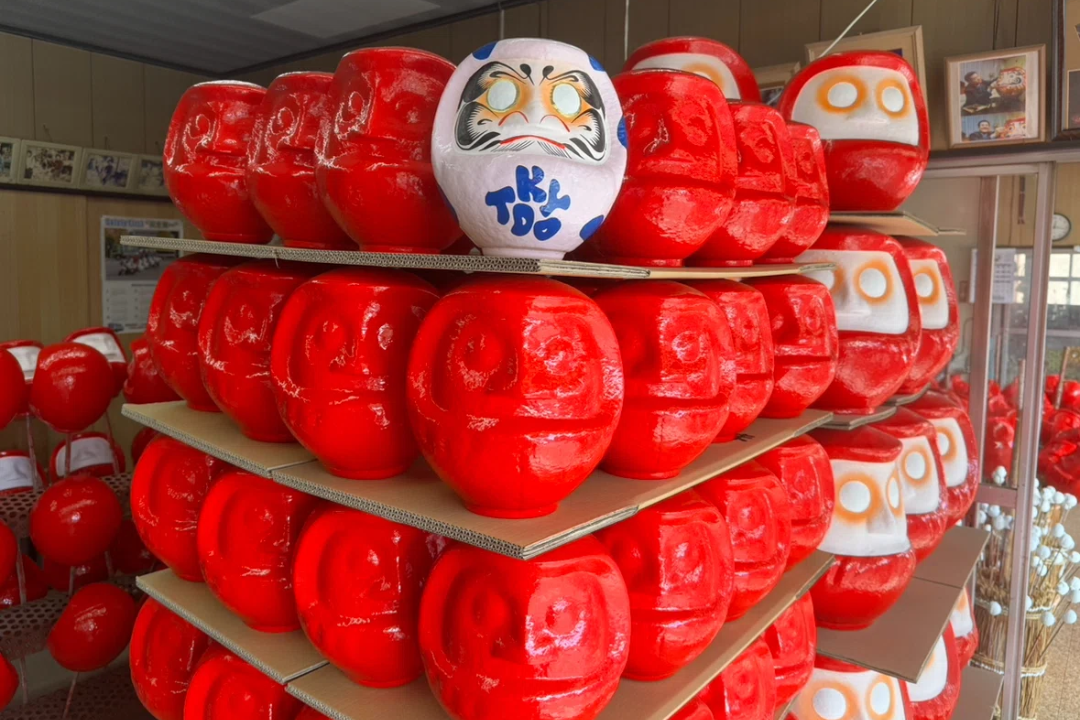
The company has begun exporting to regions like the U.S., Taiwan, and Singapore, working in small batches to test new markets. In Taiwan, where local culture has strong parallels with Japanese spiritual traditions, daruma have been picked up by curated shops and galleries.
In Singapore and Hong Kong, custom-made daruma engraved with names or messages are popular as high-end gifts. The daruma is also being used as a giveaway at international trade shows and exhibitions, with companies and local governments—especially those targeting inbound travelers—choosing it as a culturally rich and memorable gift.
International buyers appreciate not only the look of the daruma but also its meaning. Its clean, minimalist design combined with deep-rooted tradition makes it an ideal “gift with soul,” a concept that resonates far beyond Japan.
Conclusion
With deep roots in Japanese craftsmanship and a fresh, modern perspective, The FAR EAST Daruma is emerging as a new kind of cultural icon. It’s already being embraced in Japan and beyond as a meaningful gift, a beautiful décor item, and a tool for team building.
Born from founder Fumiko Takahashi’s personal journey and her passion for storytelling, this reinvented daruma has become a piece of storytelling craft that carries meaning and intention, resonating with the spirit of our times.
FAQ About FAR EAST Daruma
1. What Is FAR EAST Daruma?
FAR EAST Daruma is an artistic reinterpretation of the traditional Takasaki Daruma from Takasaki City, Gunma. It combines the original cultural significance of a good-luck charm with modern design and concepts, making it a popular interior piece that can be displayed year-round.
2. How Is It Different From A Traditional Daruma?
The main difference lies in its design and versatility. While traditional Daruma are often used for the New Year or other specific occasions, FAR EAST Daruma features colors and textures that blend seamlessly into modern interiors, allowing it to be enjoyed as everyday décor.
3. What Is The Meaning Of Drawing In The Daruma’s Eyes?
It is a Japanese tradition to fill in one eye when making a wish, and then complete the other eye once the goal is achieved. This practice helps visualize goals and is said to reinforce personal motivation.
4. Is It Popular As A Gift?
Yes, daruma are considered good-luck items and are often given with wishes for success or encouragement. They are used in a variety of situations, such as exam success, health wishes, or business prosperity. Customization options can also make them a more personal and meaningful gift.
5. Why Are Daruma Gaining Attention Now?
Growing interest in rediscovering Japanese culture, along with increasing demand for products with strong storytelling, has contributed to the renewed popularity of these products. Items like daruma, once considered too familiar to stand out, are now being reinterpreted through modern design and global perspectives, leading to a fresh appreciation of their cultural value.
6. Why Are Daruma Accepted Globally?
Their universal concept of “turning wishes into something tangible,” combined with a simple and refined design, resonates across cultures. Even without specific cultural or religious knowledge, people can intuitively understand their meaning, while the minimal form still carries a strong sense of story.
7. How Are They Sold And Distributed Internationally?
They are mainly sold through select shops, galleries, and exhibitions. In Taiwan, strong cultural affinity with Japan has supported retail expansion, while customized daruma are gaining popularity as a premium gift choice among affluent consumers in Singapore and Hong Kong.
Related Videos
If you're interested in how traditional Japanese culture is being reimagined for a global audience, the video below introduces The FAR EAST and its innovative approach to daruma. This video shows how a young Japanese entrepreneur is transforming the traditional daruma into a modern, globally appealing product.