
Winter in Japan is a season where, even in the bitter cold, you can feel the warmth of human connection. On street corners, you’ll spot people bundled up with gloves, scarves, and a Hokaron in hand. These disposable body warmers heat you from the core simply by sticking them to your clothes and have become a familiar part of the Japanese winter. Among them, Lotte’s Hokaron has established itself not just as a heat source but as a symbol of a culture that delivers warmth.
Whether tucked in your pocket during outings, used as a defense against the cold during daily commutes, or relied upon in caregiving and medical settings, Hokaron gently supports people across all kinds of situations. Behind the warmth lies the essence of Japanese life—thoughtful attention to detail and continuous innovation in response to changing times. In this article, we trace the birth and evolution of Hokaron to explore how the simple product has become a beloved and essential part of daily life.
Hokaron Overview
Since its launch in 1978, Lotte’s “Hokaron” has become a beloved brand and a staple of winter in Japan. Known as a disposable body warmer, Hokaron comes in a variety of types to suit different needs, such as the “Hokaron Patch,” which sticks to clothing, and the portable “Non-Adhesive Hokaron.” With a continued focus on long-lasting warmth, safety, and ease of use, the brand now sees tens of millions of units sold annually.
One of Hokaron’s key features is its reliable heat that lasts up to 13 hours, along with its ability to warm up instantly after opening. The heat is generated through a simple yet highly efficient chemical reaction using naturally derived ingredients such as activated carbon, iron powder, salt, and water. In recent years, Hokaron has gained strong support among older adults and women who are more sensitive to the cold, solidifying its reputation as the go-to disposable warmer in Japan.
How Hokaron Works and Its Technological Evolution
A consumer-centered idea drove the development of Hokaron: to help people stay comfortable even outdoors during the cold winter months. At a time when few competing products existed, Lotte focused on the feel of the skin, striving to create warmth that was neither too hot nor too mild, but just right. As a result, Hokaron evolved into more than just a tool for staying warm. It became a cultural symbol of the warmth and kindness deeply rooted in Japanese society.
The Science Behind Disposable Body Warmers
One of the key reasons Hokaron has earned such widespread support is its reliable technology. The basic mechanism of a disposable body warmer involves iron powder generating heat as it oxidizes when exposed to air. To regulate the reaction and maintain a stable temperature for an extended period, a precise combination of materials is used, including activated carbon, salt, moisture, and vermiculite.
Lotte has continuously refined Hokaron’s heating mechanism through its own innovations. For example, to reduce the risk of low-temperature burns from excessive heat, the product is carefully designed to maintain a consistent temperature. The company has also focused on making the warmers thinner and more comfortable to wear under clothing, as well as ensuring they heat up quickly upon opening.
Recently, products that balance both safety and comfort have been gaining attention. To reduce skin irritation, low-irritation adhesives are now used for warmers applied directly to the body. Additionally, extended-heating technology has advanced, allowing products to provide warmth for over 13 hours while maintaining a consistent temperature range.
Sustainability as a New Development Focus
Environmental sustainability has also become a major theme in Hokaron’s technological development. Efforts are underway to promote the recycling of used warmers, reduce the environmental impact of disposal, and simplify packaging. With these developments, future products like a “sustainable Hokaron” are expected to reach an even broader audience.
Although Hokaron may appear simple at first glance, it is in fact the result of highly sophisticated technology. Understanding the innovations behind it reveals a new appeal that goes beyond the idea of a basic disposable body warmer.
Japanese Winter Culture and Hokaron
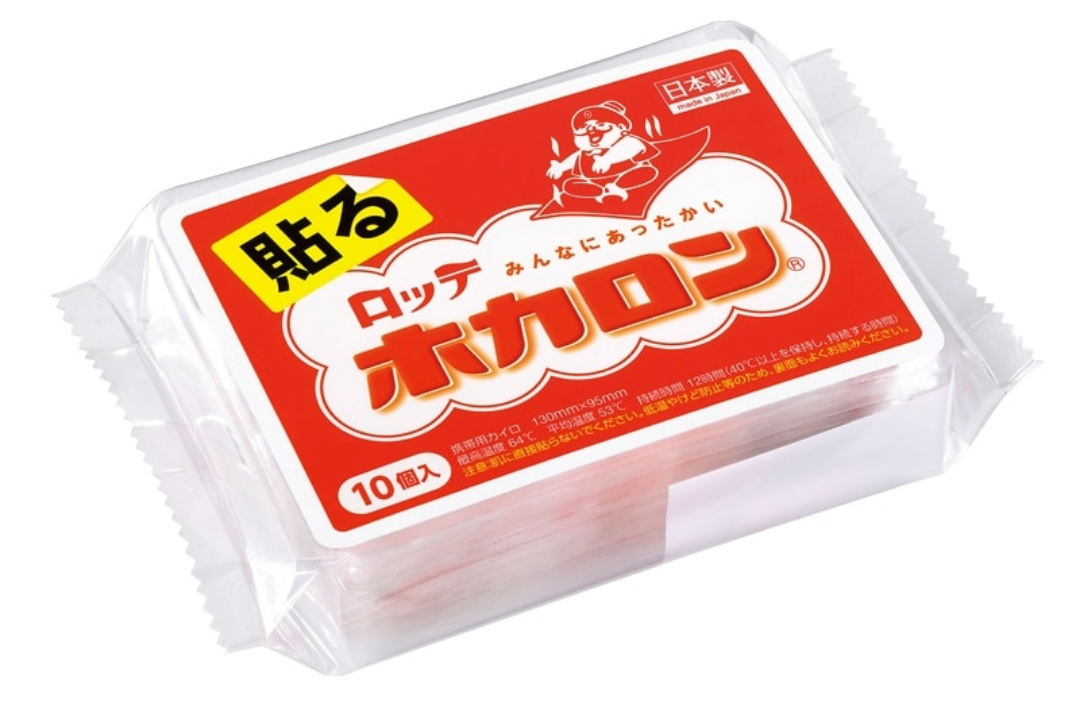
Source: Lotte Homepage
In winter, scenes unique to Japan can be found throughout the country, such as spending time with family while enjoying mandarins by a kotatsu, visiting shrines for New Year’s, and taking hot-spring trips amid snowy landscapes. Hokaron, the disposable heating pad made by Lotte, blends naturally into these seasonal customs and everyday moments.
For example, during the long, cold night waiting for the first sunrise of the year, at year-end events like Comic Market, or on early mornings during exam season, how many times has a Hokaron in someone’s pocket brought comfort and reassurance? When a warm Hokaron is gently placed into someone’s hand, it carries a silent message of encouragement. These heartwarming scenes can be seen across Japan, showing that Hokaron offers more than just protection from the cold.
A Culture of Giving Warmth
Hokaron is also commonly given as a small gift. It’s easy to hand out to coworkers, students preparing for exams, or elderly family members as a thoughtful gesture. Some packages even feature a space to write messages, allowing people to add notes like “Thank you” or “Take care and don’t catch a cold,” helping to establish a culture of gifting warmth along with kind words.
Lotte’s marketing strategy has played a key role in popularizing this culture. Through TV commercials and in-store promotions, they have emphasized comfort and the warmth of thoughtfulness, shaping Hokaron’s image as a seasonal symbol that evokes emotion rather than merely a product. In recent years, social media has also embraced such a sentiment, with hashtags like “#ThanksHokaron” and “#WinterEssential” resonating across generations.
Hokaron has become an essential part of winter in Japan. It is not just a tool to fight the cold, but something that continues to blend into people’s lives as an item that warms both the body and the heart.
Collaboration items and limited-edition packaging

Source: Lotte Homepage
Hokaron’s appeal goes beyond just warmth. Its packaging design and collaborative product releases also include many elements that continue to attract fans.
In recent years, Hokaron's collaborations with popular characters have attracted significant attention. For example, special edition Hokaron featuring Sumikko Gurashi or Pokémon have become especially popular among children and younger generations. On social media, comments like “Too cute to use” and “It’s a body warmer, but it’s so soothing” are commonly seen. There are also seasonal floral designs and message-labeled Hokaron that can be given in place of traditional New Year’s money gifts, adding to the product’s appeal as a thoughtful gift.
These initiatives expand Hokaron’s role beyond just a cold-weather item, positioning it as a product that helps connect people emotionally. For corporate clients, custom-packaged Hokaron is often used as novelty giveaways at events, trade shows, and year-end promotional campaigns.
Limited-edition packaging has also proven effective in sparking a collector’s mindset. Packages featuring unique motivational messages or fun surprises upon opening have been well received for how thoughtfully they engage users.
Hokaron is evolving into more than just a source of warmth. It now offers joy in being seen, shared, and collected—transforming into an experiential product that resonates with modern sensibilities.
The Value of Hokaron Through Users’ Voices
The lasting popularity of Hokaron is supported by the authentic voices of its users. A quick look at social media or review sites reveals a flood of appreciation and empathy, with comments like, “Hokaron saved me during this cold snap,” “It's essential for my child’s commute to school,” and “I felt better after using one on a day I wasn’t feeling well.”
Real Experiences That Reflect Everyday Trust
One nurse shared that wearing Hokaron on her lower back and shoulders during night shifts helped ease cold-related pain. A high school student preparing for entrance exams said, “I can focus on studying thanks to Hokaron.” His mother added, “When I quietly stick one inside his uniform before he heads out in the morning, it gives me the motivation to do my best too.”
Hokaron has also been donated as part of disaster relief efforts. In one case, people in an affected area expressed their gratitude, saying, “It wasn’t just supplies—it felt like someone’s kindness reached us too.” In times of disaster or hardship, this product, which gives physical form to human warmth, becomes a small source of hope.
These user voices are more than just feedback. They are living proof of how Hokaron plays a role in daily life and touches people’s hearts. There’s a reason it continues to sell. Hokaron has grown in value precisely because it continues to stay close to its users' needs and emotions.
Trends in the Disposable Warmer Market and Hokaron’s Position
The disposable warmer market in Japan was once viewed primarily as a means of meeting domestic needs for winter cold protection. In recent years, however, its use has expanded to include emergency preparedness, outdoor activities, and even as a popular souvenir item for inbound tourists. While overall demand remains concentrated in the winter season, Hokaron has consistently maintained a stable market share.
Key domestic competitors include Kiribai, Iris Ohyama, and Hakugen, each offering differentiation through factors such as temperature range, duration, and product design. Among them, Hokaron stands out with its strong brand image built on safety, reliability, and gentleness. Their reputation has earned it high praise across a wide range of markets, including household, medical, and professional use.
Key trends to watch in the disposable warmer market in recent years include the following:
- Rising demand for disposable warmers as emergency preparedness supplies.
- Becoming a year-round item for cold sensitivity relief.
- Growth in inbound tourism and use as gift items.
- Increased use as indoor heating aids for remote work and working from home.
As companies are increasingly expected to align with the Sustainable Development Goals (SDGs), interest in environmentally friendly disposable warmers is also growing. While there has been a shift toward reusable products such as warmers with fabric covers or electric hand warmers, Hokaron continues to enjoy strong popularity thanks to its simple advantages—just stick it on, and it works, making it both convenient and reliable.
Even as the market becomes more diverse and globalized, Hokaron maintains a unique position. Backed by the trust associated with Japanese brands and a flexible approach to evolving consumer needs, it continues to stand out through its strong product development capabilities.
Hokaron from an International Perspective: Exporting Japan’s Spirit of Kindness
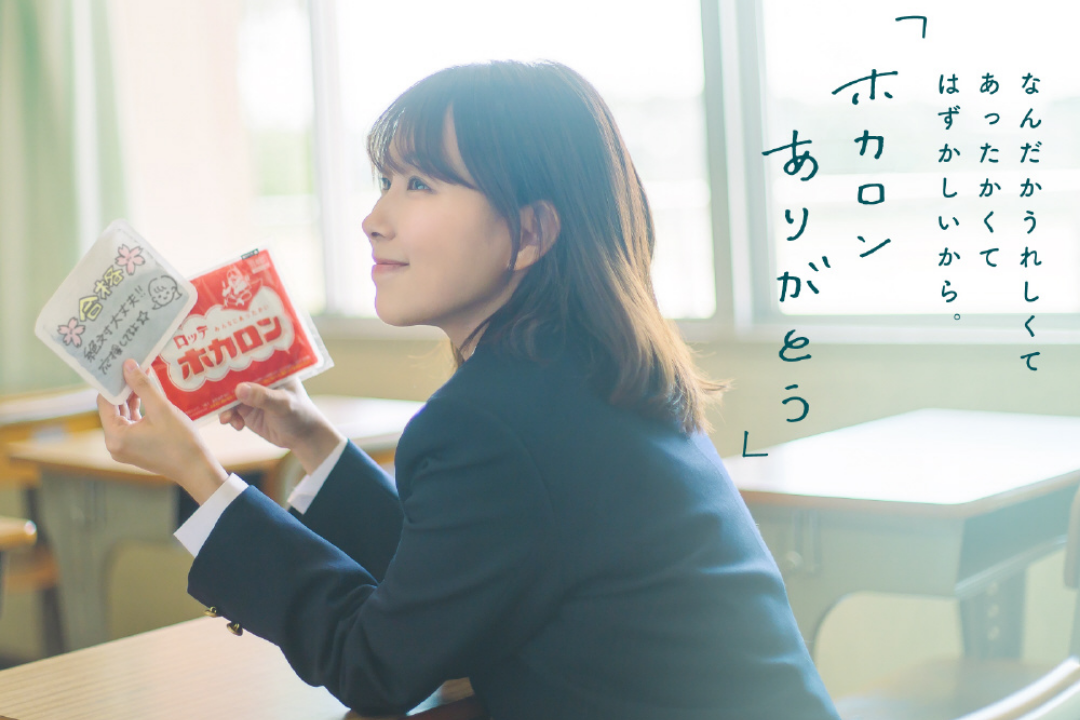
Source: Sofmap Shopping Page
In recent years, as Japanese products have gained global attention, Hokaron has also grown in popularity among foreign tourists and residents in Japan. For many travelers visiting Japan during the winter, Hokaron is a surprising and eye-opening discovery. After finding it at hotel front desks or in drugstores and giving it a try, many visitors post on social media, amazed that such a small and convenient heating item exists. These posts have helped spread its appeal beyond Japan’s borders.
In Western countries, electric heaters and hot water bottles are the norm, and there are surprisingly few portable heating items for use while out and about. Hokaron, however, checks all the boxes: it’s lightweight, affordable, easy to use, and highly effective. The compact heating tool makes it especially well-suited for cold regions such as Europe, North America, South Korea, and China.
Beyond its functionality, Hokaron also carries a sense of caring that resonates with international users. Everyday scenes in Japan, such as a grandchild buying Hokaron for their elderly grandparents or a parent warming their child with it before an important exam, reflect a cultural mindset that goes beyond simple protection from the cold. In this way, Hokaron can be seen as an export of Japanese kindness and thoughtfulness.
Today, more and more tourists are purchasing Hokaron in bulk as souvenirs, often describing it as “bringing home a piece of Japanese warmth.” With multilingual packaging and inbound-focused sales strategies expanding, Hokaron is gradually establishing itself as a brand of warmth that gently touches hearts around the world.
Conclusion
Hokaron is more than just a convenient item. It has become an essential part of winter in Japan, warming hands, offering encouragement, and gently wrapping people in a sense of care. Its warmth transcends time and borders, continuing to support people from all walks of life.
Looking ahead, sustainability challenges are emerging for disposable products like Hokaron, especially as global warming and energy concerns become more pressing. At the same time, there is growing anticipation for next-generation Hokaron innovations, such as the use of recyclable materials and advancements in long-lasting heat retention. The future calls for “a new kind of warmth” that is kind to both people and the planet.
The concept of “giving warmth” also holds potential for even broader applications. This could include smartphone-linked temperature control, uses in healthcare and welfare settings, or the spread of Hokaron culture to international markets. There is still an unexplored future for the power of warmth.
For Hokaron to remain a symbol of kindness, we may begin to entrust each small packet with something even more meaningful—something that connects us, comforts us, and carries compassion into the winters yet to come.
FAQ About Hokaron
1. How Does Hokaron Generate Heat?
It uses an oxidation reaction in which iron powder reacts with oxygen in the air, producing heat. To stabilize the reaction, materials such as activated carbon, salt, and moisture are carefully balanced, allowing it to generate steady warmth without becoming excessively hot.
2. How Long Does The Warmth Last?
The duration depends on the product, but generally, the warmth lasts approximately 13 hours. Its long-lasting and comfortable heat makes it suitable for commuting, school, and outdoor activities.
3. What Is The Difference Between Adhesive And Non-Adhesive Types?
Adhesive types can be applied to clothing, making them suitable for warming specific areas, such as the lower back or shoulders, for extended periods. Non-adhesive types are designed to be held in the hands or placed in pockets, making them ideal for use while moving or for keeping hands warm.
4. How Can You Prevent Low-Temperature Burns?
It is important not to keep the product in contact with the same area for extended periods. Although it is designed to provide gentle warmth, prolonged direct contact may cause low-temperature burns. Following the usage instructions helps reduce this risk.
5. Why Has Hokaron Remained Popular For So Long?
Its popularity comes from the balance between comfortable warmth and ease of use. It does not become excessively hot and can be used easily by anyone, creating a sense of reliability. Consistent product quality has also built long-term trust.
6. How Does It Differ From Heating Products Globally?
The main differences are portability and convenience. Hokaron is lightweight, easy to carry, and requires no power source. Its ability to provide immediate warmth on the go offers a unique advantage for users overseas.
7. Is It Useful During Emergencies Or Power Outages?
Yes, because it does not require electricity and can be used independently, it is useful for staying warm in emergencies. Maintaining body temperature is critical during disasters or evacuations, making it a practical item for emergencies. Its compact size also makes it easy to store and distribute.
8. What Are The Environmental Considerations?
As disposable products, many portable heat packs, including Hokaron, raise concerns about waste. In response, manufacturers are working on recycling initiatives, developing more environmentally friendly materials, and improving packaging to enhance sustainability.
Related Videos
If you're interested in Japan’s winter essentials, the video below introduces Hokaron, a portable heat pack that provides simple and reliable warmth. This video shows how it is used in daily life to stay comfortable during cold weather.