
Tatami yoga mats are a modern wellness product that combines Japan's centuries-old tatami culture with today's growing interest in yoga, mindfulness, and natural living. Made with igusa (Japanese rush grass), the same material traditionally used to make tatami flooring, these mats offer a completely different experience from conventional yoga mats made from synthetic rubber or PVC. Developed by Japanese manufacturers such as IKEHIKO Corporation, they represent a unique lifestyle product that blends traditional craftsmanship with contemporary wellness.
What sets a tatami yoga mat apart is its naturally calming fragrance and smooth, dry texture. The gentle scent of fresh igusa creates a relaxing atmosphere while the woven surface feels comfortable against the skin during yoga, stretching, or meditation. Igusa has also long been valued in Japan for its natural moisture-regulating and deodorizing properties, making it a material that contributes to a more comfortable indoor environment. As a result, these mats are more than simple exercise equipment. They help create a space where both the body and mind can relax.
As interest in yoga, mindfulness, and holistic wellness continues to grow worldwide, consumers are increasingly seeking products made from sustainable, natural materials that enhance the overall experience rather than simply serving a functional purpose. Against this backdrop, Japan's tatami yoga mats could become an appealing alternative for international consumers seeking authentic wellness products with cultural significance.
Tatami Yoga Mat Overview
With nearly 140 years of experience in tatami and igusa manufacturing, IKEHIKO is one of Japan's most recognizable companies developing modern applications for traditional materials. Its tatami yoga mats reflect the company's broader mission: adapting Japanese craftsmanship to contemporary lifestyles while preserving cultural heritage.
Founded in 1886, IKEHIKO has accumulated generations of expertise in developing and manufacturing tatami and igusa products. The company has expanded beyond traditional flooring into a wide range of lifestyle and interior products while continuing to innovate with natural materials for both domestic and international markets.
While many companies continue to focus on traditional tatami products, IKEHIKO has actively expanded into modern lifestyle categories such as yoga mats, home accessories, and wellness products. This positions the company at the intersection of Japanese culture, contemporary living, and the growing global wellness movement.
What Is a Tatami Yoga Mat? A Natural Alternative for Your Wellness Routine
A tatami yoga mat is made from igusa, the natural rush grass traditionally used in Japanese tatami flooring. Unlike conventional yoga mats that rely on synthetic materials such as PVC or rubber, tatami yoga mats embrace the texture, fragrance, and character of natural fibers, creating a product that supports both physical exercise and relaxation.
They are used just like any standard yoga mat. Simply lay the mat on the floor for yoga, stretching, Pilates, or light workouts. Many owners also use them beyond exercise, incorporating them into meditation sessions, reading corners, or quiet relaxation spaces. The naturally smooth surface and refreshing scent of igusa make everyday wellness routines feel calmer and more enjoyable.
Depending on the size and manufacturer, most tatami yoga mats retail for approximately ¥5,000 to ¥10,000, placing them in a similar or slightly higher price range than premium conventional yoga mats. Their use of natural materials and Japanese manufacturing adds value for consumers seeking high-quality wellness products.
While they are especially popular among yoga enthusiasts, tatami yoga mats also appeal to people interested in natural living, sustainable products, and creating peaceful spaces at home. Rather than serving only as exercise equipment, they have become part of a broader wellness lifestyle.
What Makes a Tatami Yoga Mat Unique?
The defining feature of a tatami yoga mat is the unique experience created by igusa, the traditional Japanese rush grass used to make tatami flooring. While most yoga mats today are made from synthetic materials, tatami yoga mats stand out with their naturally refreshing aroma and smooth, dry texture. For centuries, igusa has been an essential part of Japanese homes, valued for the sense of comfort and tranquility it brings to everyday living.
The Wellness Experience of Igusa
Igusa is also known for its natural moisture-regulating and deodorizing properties, helping create a more pleasant indoor environment. During yoga, stretching, or other low-impact exercises, the woven surface remains comfortable against the skin without feeling overly sticky, a characteristic that many synthetic mats cannot replicate. Because it is a renewable natural material, igusa also appeals to consumers who prioritize sustainability and environmentally conscious lifestyles.
From a manufacturing perspective, tatami yoga mats are produced using techniques adapted from traditional tatami craftsmanship. Skilled artisans weave the igusa surface before applying modern finishing processes that make the mats suitable for regular exercise. The result is a product that preserves the essence of Japanese craftsmanship while adapting it for contemporary wellness routines.
For these reasons, a tatami yoga mat is much more than a piece of fitness equipment. It helps create an environment where movement, relaxation, and mindfulness naturally come together, transforming an ordinary workout into a calming wellness experience.
From Homes to Hotels: Where Tatami Yoga Mats Are Being Used
Source: IKEHIKO Homepage
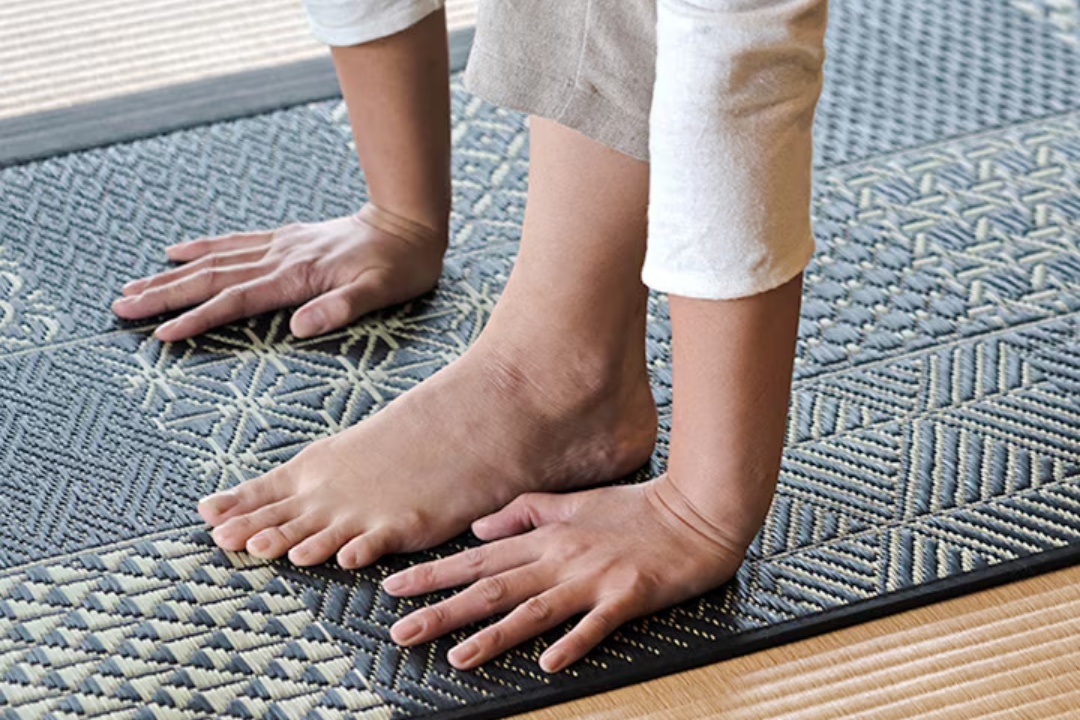
Tatami yoga mats are most commonly used in private homes, but their applications have expanded into the wellness, fitness, and tourism industries. Because they work just like conventional yoga mats while offering a more distinctive sensory experience, they fit naturally into a variety of settings.
At home, they are used for yoga, stretching, light workouts, meditation, and relaxation. On hardwood or tile floors, they create a warmer, more comfortable surface while adding the subtle fragrance of natural igusa to the room. Many owners appreciate that the mat enhances not only their exercise sessions but also quiet moments such as reading or unwinding after a busy day.
Yoga studios and fitness centers may also incorporate tatami yoga mats to differentiate their classes. As the wellness industry becomes increasingly competitive, natural materials and immersive experiences add value beyond standard equipment. They are particularly well suited for mindfulness classes, meditation sessions, and restorative yoga programs where atmosphere plays an important role.
Hospitality is another area where these mats have strong potential. Traditional Japanese inns, boutique hotels, and wellness retreats can use tatami yoga mats to offer guests a uniquely Japanese experience that combines cultural heritage with modern self-care. For international visitors, practicing yoga or stretching on authentic igusa mats provides a memorable way to engage with Japanese craftsmanship while relaxing during their trip.
These diverse applications demonstrate that tatami yoga mats are not limited to individual consumers. They also offer opportunities for fitness businesses, wellness retreats, and tourism operators seeking products that combine natural comfort with authentic Japanese culture.
Quality Control Through Premium Igusa and Japanese Craftsmanship
Tatami yoga mats are primarily made from igusa, the natural rush grass traditionally used in Japanese tatami flooring. Much of the igusa used in premium products is sourced from regions such as Kyushu, where growers have cultivated the material for generations. Careful material selection helps ensure consistent quality while preserving the natural characteristics that make igusa unique. As a plant-based material, it also has a smaller environmental footprint than many synthetic alternatives.
The manufacturing process adapts traditional tatami-making techniques for modern fitness products. After the woven igusa surface is created, the underside is reinforced with cushioning and non-slip materials to provide stability during yoga and stretching. The stitching and finishing processes also draw upon decades of expertise developed through Japan's tatami industry, resulting in a product designed for everyday use.
Manufacturers conduct quality inspections throughout production, checking both raw materials and finished products before shipment. Since igusa is a natural material, slight variations in color, texture, and appearance are expected. Rather than being considered imperfections, these subtle differences highlight the authenticity and individuality of each mat.
By overseeing everything from material selection to production and final inspection, Japanese manufacturers maintain consistent quality standards while preserving the traditional craftsmanship that distinguishes tatami yoga mats from mass-produced alternatives.
Preserving Japan's Tatami Culture Through Igusa
Tatami yoga mats are deeply connected to one of Japan's most recognizable cultural traditions. The igusa used on tatami surfaces has shaped Japanese living spaces for centuries and has been cultivated primarily in regions such as Kumamoto Prefecture. Its natural ability to regulate humidity made it particularly well suited to Japan's climate, contributing to comfortable homes long before modern air conditioning became widespread.
In recent decades, however, the demand for traditional tatami flooring has declined as Western-style housing has become more common throughout Japan. As a result, igusa production has also decreased, creating challenges for local farming communities and the traditional tatami industry. Products like tatami yoga mats offer one way to introduce this historic material to new generations by giving it a place in modern lifestyles.
Tatami culture has always been about more than flooring. It reflects a uniquely Japanese way of living centered on sitting, relaxing, and creating peaceful spaces. By combining these cultural values with contemporary wellness practices such as yoga and meditation, tatami yoga mats create an experience that feels both traditional and modern. The calming atmosphere associated with tatami naturally complements activities designed to improve physical and mental well-being.
In this way, tatami yoga mats serve two purposes. They introduce consumers to the beauty and functionality of traditional Japanese materials while also helping preserve regional craftsmanship and the cultural heritage surrounding igusa for future generations.
Real User Experiences: The Relaxing Appeal of Tatami Yoga Mats
A tatami yoga mat stands out not only for its distinctive appearance but also for the experience it creates during use. Unlike conventional yoga mats, it offers the natural fragrance and smooth texture of igusa rush grass, leaving many users feeling relaxed from the moment they step onto it. People who practice yoga or stretching at home often describe the experience as "transforming the atmosphere of the room" or making exercise feel more like a calming wellness ritual than a workout.
Many users also share their experiences on social media. On Instagram, tatami yoga mats frequently appear in beautifully designed Japanese-inspired interiors, with comments praising their elegant appearance and how naturally they blend into home décor. Yoga and mindfulness enthusiasts often mention that practicing on a natural material feels refreshing and that the gentle scent of igusa helps them stay focused throughout their sessions.
Interest has also grown among international audiences who see the product as a uniquely Japanese wellness item. Comments such as "This tatami yoga mat smells amazing and feels incredibly natural," reflect appreciation for the authentic sensory experience that synthetic mats cannot easily replicate. Many users value both its practical function and its connection to Japanese craftsmanship and tradition.
Rather than serving as just another piece of fitness equipment, a tatami yoga mat enhances the quality of both space and time. For many users, it transforms exercise into a mindful ritual that encourages relaxation, presence, and overall well-being.
The Global Potential of Tatami Yoga Mats in the Wellness Market
Source: IKEHIKO Homepage
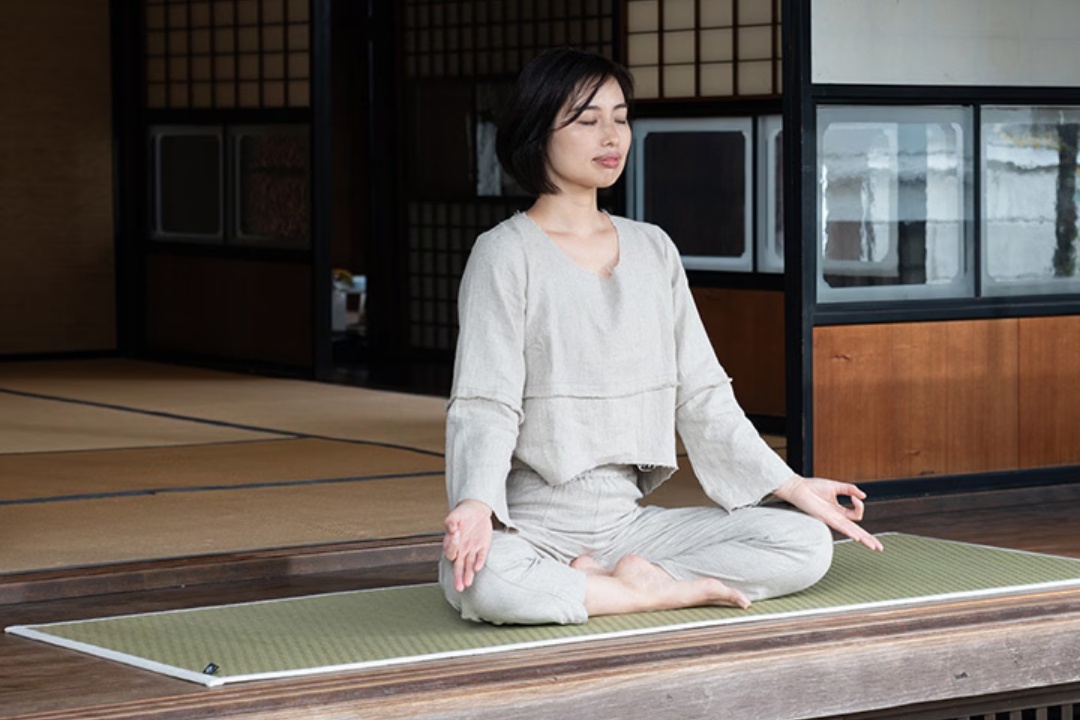
Tatami yoga mats combine Japan's traditional materials with today's rapidly growing wellness industry, giving them strong potential in international markets. As yoga, mindfulness, meditation, and self-care continue to gain popularity worldwide, consumers increasingly want products that offer meaningful experiences rather than simply serving a practical function. Natural materials and products that promote relaxation have become especially attractive within this trend.
The defining characteristics of tatami yoga mats, including the soothing aroma and comfortable texture of igusa, align well with these consumer preferences. In North America and Europe, where demand for organic and eco-friendly products continues to grow, tatami yoga mats could appeal to people seeking sustainable alternatives to conventional synthetic mats. Across Asia, rising health awareness and interest in home wellness also create opportunities for products that enhance everyday self-care.
Premium Japanese Crafts in the Global Fitness Industry
The cultural appeal of tatami itself also adds value in overseas markets. Japanese aesthetics, Zen philosophy, minimalist living, and traditional craftsmanship have gained significant international attention in recent years. A tatami yoga mat lets consumers experience a small part of Japanese culture while practicing yoga or meditation, making it more than just another fitness accessory.
As a result, tatami yoga mats can succeed not only as yoga equipment but also as lifestyle products that introduce Japanese culture to the world. Their combination of wellness, sustainability, and authentic craftsmanship positions them well for future international growth.
Success in Japan
Source: IKEHIKO Homepage
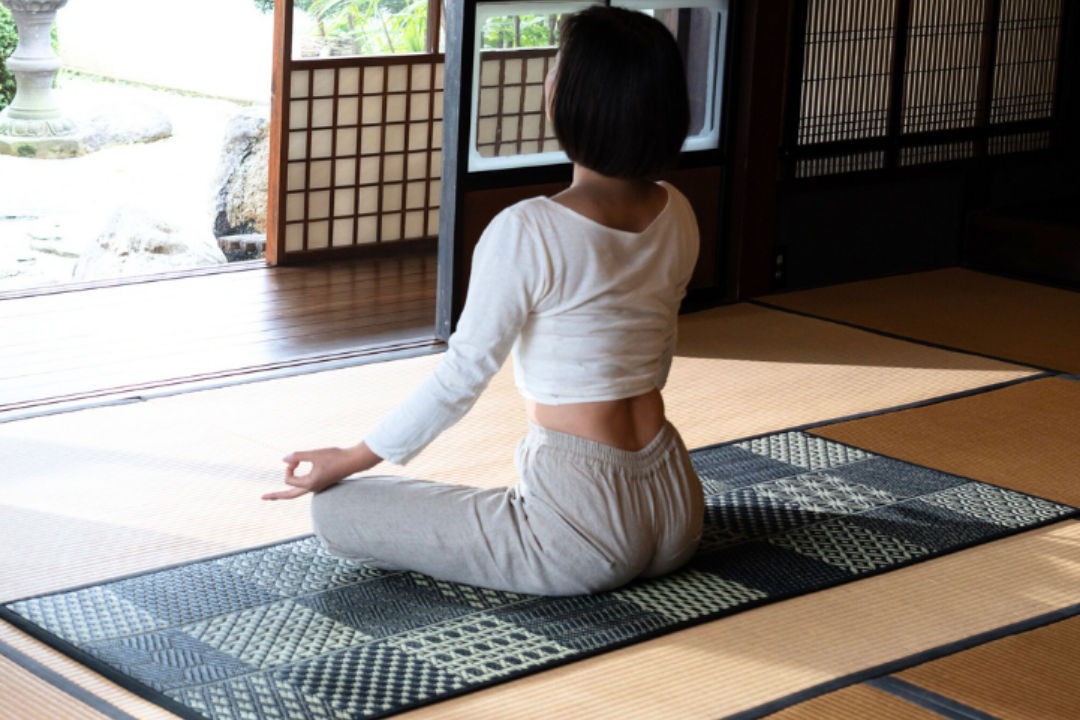
Tatami yoga mats have emerged as a new product category in Japan, combining traditional craftsmanship with modern wellness trends. In recent years, manufacturers have increasingly promoted these products both domestically and internationally.
One notable milestone came in 2024, when a tatami yoga mat project was launched on Kickstarter, one of the world's largest crowdfunding platforms. Designed specifically for overseas audiences, the project reimagined the traditional igusa mat as a wellness product centered around the concept of "bringing balance to mind and body through natural materials." Updated sizing and designs were introduced to better suit international consumers, highlighting the growing focus on global expansion.
Modernizing Heritage Crafts
IKEHIKO, established in 1886, has long been recognized as one of Japan's leading manufacturers of igusa products, tatami, rugs, and interior furnishings. Its tatami yoga mats represent a modern extension of its traditional product lineup, bringing centuries-old craftsmanship into today's wellness market.
The mats are sold through the company's online store, lifestyle e-commerce platforms, specialty retailers featuring Japanese products, and international online marketplaces. Most models are positioned as premium products, typically priced around ¥10,000, reflecting their Japanese manufacturing, natural materials, and craftsmanship.
Beyond online sales, IKEHIKO has promoted its products through department stores, select lifestyle retailers, regional exhibitions, and cultural events that showcase the appeal of igusa. These efforts have helped introduce tatami yoga mats as a modern example of how traditional Japanese industries can evolve through e-commerce, crowdfunding, and international distribution.
Conclusion
Tatami yoga mats demonstrate how traditional Japanese materials can be reimagined to meet the needs of today's global wellness market. As yoga, mindfulness, meditation, and self-care continue to expand worldwide, consumers are increasingly seeking products that deliver not only functionality but also meaningful sensory experiences. At the same time, growing awareness of sustainability has increased demand for products made from natural, environmentally conscious materials.
Within this landscape, tatami yoga mats offer a unique combination of natural materials, Japanese heritage, and modern wellness. They could appeal to health-conscious consumers in North America and Europe, where organic lifestyles continue to gain momentum, as well as rapidly growing urban markets across Asia that are embracing premium wellness products.
The category also presents attractive opportunities for international partnerships. Japanese manufacturers can expand globally by leveraging overseas distribution networks and marketing expertise, while international brands can differentiate themselves by offering authentic products rooted in Japanese craftsmanship and culture.
By combining centuries-old traditions with contemporary wellness trends, tatami yoga mats represent a new generation of Japanese lifestyle products. Their blend of sustainability, craftsmanship, and cultural authenticity gives them strong potential to become an increasingly recognized product in the global wellness industry.
FAQ About Tatami Yoga Mats
1. How Is A Tatami Yoga Mat Different From A Regular Yoga Mat?
The biggest difference is the material. Tatami yoga mats are made with igusa, the natural rush grass traditionally used in Japanese tatami flooring. Unlike synthetic yoga mats, they offer a subtle natural fragrance and a smooth, dry texture that enhances yoga, stretching, and meditation.
In addition to serving as exercise equipment, many people also use tatami yoga mats to create a relaxing, Japanese-inspired wellness space at home.
2. Is It Difficult To Care For A Tatami Yoga Mat?
Not at all. Routine maintenance is simple and usually involves wiping the surface with a dry cloth and occasionally allowing the mat to air out in a well-ventilated, shaded area.
Because igusa is a natural material, avoid leaving moisture on the mat for extended periods or storing it in humid environments. Proper care helps preserve its natural texture, appearance, and distinctive fragrance for years.
3. Can A Tatami Yoga Mat Be Used For More Than Yoga?
Yes. While it is designed for yoga, it is also suitable for stretching, light workouts, meditation, reading, or simply relaxing at home.
Many owners appreciate igusa's calming scent and comfortable texture, making the mat a versatile lifestyle product rather than just fitness equipment.
4. Who Is A Tatami Yoga Mat Best Suited For?
Tatami yoga mats are ideal for anyone who enjoys practicing yoga or stretching at home, as well as those interested in natural materials, wellness, mindfulness, and sustainable living.
They are also an excellent choice for people who appreciate Japanese design, traditional craftsmanship, and products that combine functionality with cultural heritage.
5. Are Tatami Yoga Mats Environmentally Friendly?
Tatami yoga mats are made with natural igusa, a renewable material that generally has a lower environmental impact than many synthetic alternatives.
While specifications vary by manufacturer, products made with natural materials are increasingly popular among consumers who value sustainability and eco-conscious lifestyles.
6. Could Tatami Yoga Mats Become Popular Outside Japan?
Yes. As interest in wellness, mindfulness, and self-care continues to grow worldwide, demand for products made from natural materials is also increasing.
The distinctive fragrance of igusa and the authentic Japanese design help tatami yoga mats stand out in overseas markets, offering a unique blend of traditional culture and modern wellness.
7. Where Are Tatami Yoga Mats Used?
Although they are primarily used in homes, tatami yoga mats are also finding opportunities in yoga studios, fitness centers, traditional inns, hotels, and wellness retreats.
Some hospitality businesses are exploring them to create relaxing, Japanese-inspired spaces and offer guests a more distinctive wellness experience.
8. Why Are Tatami Yoga Mats Considered A Uniquely Japanese Product?
Tatami yoga mats bring together two elements deeply rooted in Japanese culture: igusa and tatami craftsmanship. By adapting these traditional materials for modern wellness practices, they connect centuries-old heritage with today's global interest in health and mindfulness.
This blend of tradition and innovation makes them appealing not only as fitness products but also as cultural experiences.
9. What Should I Look For When Choosing A Tatami Yoga Mat?
Key factors to consider include the quality and origin of the igusa, the mat's size and thickness, and whether it has a non-slip backing.
You should also choose a model that matches your intended use, whether that's yoga, stretching, meditation, or creating a comfortable relaxation space at home.
10. Why Are Tatami Yoga Mats Expected To Become More Popular In The Future?
Global demand for wellness products, sustainable materials, and mindful living continues to grow. Tatami yoga mats fit all of these trends while offering something few other products can: an authentic connection to Japanese tradition.
As more consumers seek natural, culturally meaningful lifestyle products, tatami yoga mats could gain recognition not only in Japan but also in wellness markets worldwide.
Related Videos
If you're interested in how Japanese tradition is being adapted for modern wellness, the video below explores tatami yoga mats. By combining traditional materials and craftsmanship with contemporary yoga practices, these mats bring a uniquely Japanese approach to wellness.