Sony Group Corporation is a Japanese technology company with a diverse portfolio spanning electronics, entertainment, semiconductors, and other industries. Known for developing innovative products in fields such as imaging, audio, and mobile devices, the company has increasingly expanded its focus toward using technology to improve everyday comfort and quality of life. One notable example is the REON POCKET, a wearable device designed to regulate body temperature.
As the effects of climate change become more apparent worldwide, extreme heat is emerging as a growing challenge in urban environments. Average summer temperatures continue to rise in many cities, while concerns about heat-related illnesses and declining workplace comfort have become important social issues. Traditional air conditioning systems are designed to cool entire buildings and indoor spaces. While effective indoors, they often provide limited support for people who spend significant time outdoors or move frequently between locations. For commuters, construction workers, delivery personnel, event staff, tour guides, and others who work outdoors, managing body temperature has become closely linked to both productivity and safety.
Conventional air conditioning systems also face limitations in terms of energy efficiency. Because they cool entire spaces rather than individual users, they often consume significant energy regardless of people's varying comfort needs. As a result, attention is growing on personal environmental control, which focuses on adjusting comfort conditions at the individual level rather than across an entire room or building.
REON POCKET approaches this challenge from a different perspective. Instead of relying on building infrastructure, it focuses on the individual. The compact wearable device is placed inside clothing and regulates temperature at the body's surface, helping users stay comfortable regardless of surrounding conditions. Rather than changing a room's temperature, it works directly with the wearer, enabling a more flexible and personalized approach to thermal comfort.
This article examines why Sony entered this field and explores the thinking behind the development of REON POCKET. It also looks at the social challenges the product seeks to address and considers how personal climate control may shape the future of urban living, workplace environments, and global markets.
REON POCKET Overview
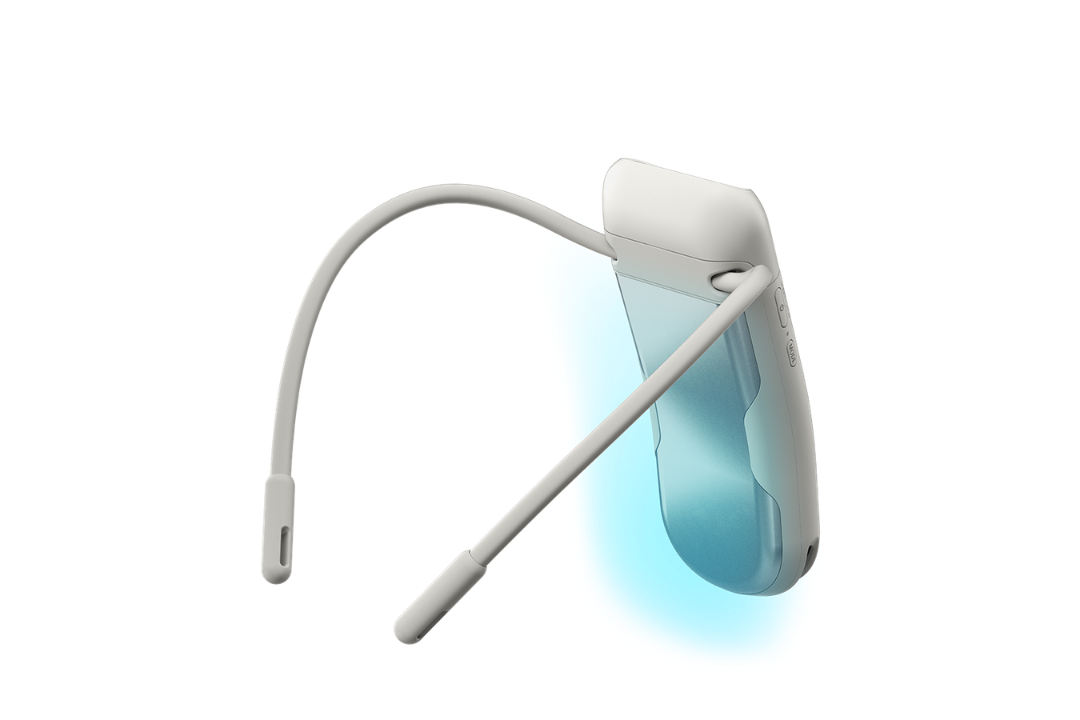
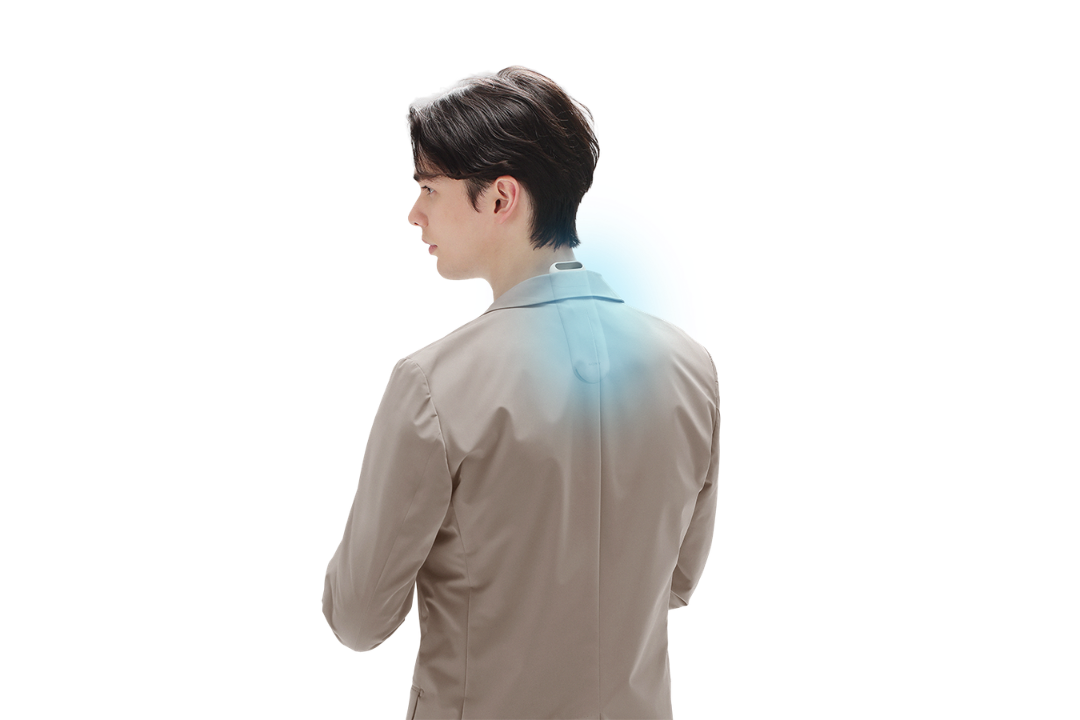
REON POCKET is a wearable thermo device designed to regulate temperature at the surface of the body while being worn underneath clothing. Used with a dedicated neckband or compatible apparel, the device sits at the back of the neck, allowing users to control cooling or warming individually.
Users can adjust temperature settings through a smartphone app, while automatic modes are also available to regulate temperature based on environmental conditions and user activity. One of the product's key features is its year-round usability. It functions as a cooling device in summer and a warming device in winter, making it a personal climate-control solution for all seasons.
Pricing varies by model, but the device and its accessories are generally available for several hundred yen. Common use cases include commuting, outdoor work, sporting events, golf, travel, and event staff operations, where traditional air conditioning may be unavailable or less effective.
Structural Challenges: Urban Heat and Energy Consumption
Source: Sony's REON POCKET Homepage
To understand the development of REON POCKET, it is important first to examine the structural challenges facing modern urban environments. In recent years, average summer temperatures have risen across many parts of the world, making extreme heat an increasingly significant issue in urban life. This trend is particularly noticeable in major Asian cities, where high population density, extensive asphalt paving, and concentrated urban development have intensified the urban heat island effect. As a result, temperatures in city centers are often several degrees higher than those in surrounding suburban areas.
These conditions create challenges that go beyond simple discomfort. Excessive heat increases the risk of heat-related illness and can reduce workplace productivity. In industries such as construction, logistics, security, and tourism, where employees spend long periods outdoors, body temperature management has become an important safety consideration. Even routine activities such as commuting and traveling can lead to heat-related fatigue and health issues, creating broader social and economic costs.
Addressing the Energy Efficiency Gap in Conventional AC
Traditionally, the primary solution has been to improve building-based air conditioning systems. Office buildings, commercial facilities, and other indoor spaces rely on large-scale climate-control infrastructure to maintain comfortable environments. However, this approach faces two significant limitations. First, it provides little benefit in outdoor settings. Streets, train stations, event venues, and many other environments that people regularly use are either outdoors or only partially enclosed, making building-based air conditioning ineffective. Second, energy efficiency is a concern. Cooling large spaces uniformly requires substantial amounts of electricity, raising concerns about energy consumption and long-term environmental sustainability.
Furthermore, people sharing the same space often experience temperature differently. Factors such as body type, activity level, clothing, and physical condition can all influence what feels comfortable to an individual. Despite these differences, conventional air conditioning systems are typically designed to maintain a single temperature across an entire space. From a personal comfort perspective, this approach is not always ideal.
As a result, personal environmental control has gained increasing attention in recent years. Rather than cooling an entire building or room, this approach focuses on adjusting comfort conditions for each individual. This is the direction Sony's REON POCKET represents. Instead of changing the surrounding environment, it improves comfort by directly regulating temperature at the body's surface.
This approach represents a different way of thinking from traditional air-conditioning systems. Conventional climate-control equipment has historically been designed as part of building infrastructure, whereas REON POCKET is a mobile device associated with the individual user. In other words, it attempts to address urban environmental challenges through wearable technology.
Sony has spent decades developing expertise in miniaturized electronics and portable devices. By leveraging these strengths, the company introduced the concept of a personal climate-control device that users can carry, offering a new approach to addressing the challenges of modern urban environments.
Sony's Shift Toward the Concept of Personal Climate Control
Source: Sony's REON POCKET Homepage
The development of REON POCKET reflects Sony's long-standing philosophy of creating portable devices that transform everyday experiences. Best known for products such as the Walkman, Sony has a history of developing technologies that allow people to enjoy services and experiences wherever they go. Just as the Walkman made music personal and portable rather than tied to home audio systems, REON POCKET applies a similar concept to climate control.
Traditionally, temperature management has been the domain of building infrastructure. Air conditioners and large cooling systems have been installed as fixed components of homes, offices, and other facilities. Users experience comfort when they enter these controlled environments, but the benefits disappear once they leave. In this sense, comfort has historically been tied to a specific location.
Sony's approach challenges this assumption. Instead of cooling a room or building, REON POCKET focuses on the individual by directly influencing body temperature. The concept places the person, rather than the surrounding space, at the center of environmental control. This way of thinking has become increasingly viable as wearable technologies have advanced and spread more widely.
Wearable Climate Innovation
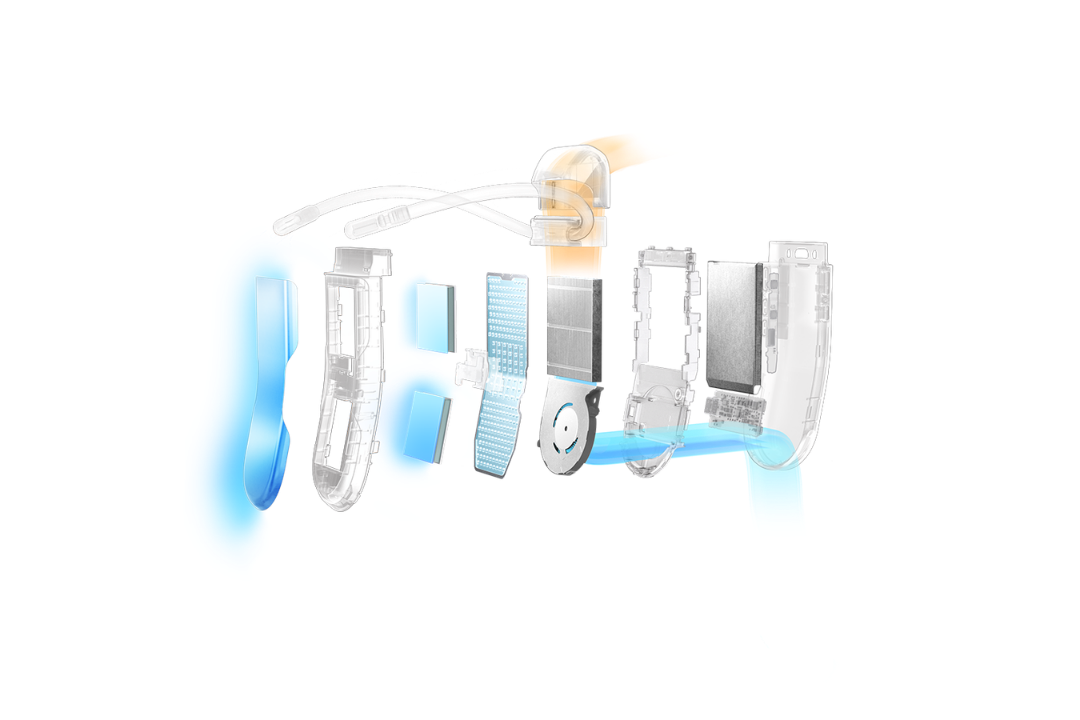
At the core of REON POCKET is thermoelectric cooling technology based on Peltier elements. When an electric current passes through the device, one side becomes cooler while the other becomes warmer. By applying this principle to a wearable form factor, the device can regulate temperature at the point of contact with the body. Unlike conventional air conditioners that require compressors and refrigerants, this approach enables temperature control through a compact and portable device.
In addition, users can adjust temperature settings and operating modes through a smartphone app. The device also includes an automatic mode that responds to ambient temperature and activity levels. As a result, it is designed not simply as a cooling device, but as a wearable device that helps maintain comfort according to changing conditions.
In this sense, the product is closer to a mobile device than a traditional home appliance. Like smartphones and smartwatches, it is designed to be carried by the user and to operate according to individual conditions. For Sony, REON POCKET is not simply a seasonal product, but a device that introduces a new category of personal climate control.
Shifting climate control from infrastructure to personal devices could change how people experience urban life. In a society where mobility is an important part of daily life, providing comfort not tied to a specific location could influence both work styles and lifestyles.
How REON POCKET Regulates Body Surface Temperature
One of REON POCKET's defining features is its ability to bring climate control into a device small enough to wear and carry throughout the day. Traditional cooling equipment typically relies on compressors and refrigerants, making the systems relatively large. Air conditioners and portable cooling units used in buildings are common examples. In contrast, REON POCKET uses Peltier elements, which can directly change temperature through electronic control, enabling temperature regulation in a wearable form factor.
A Peltier element cools one side while heating the other when an electric current is applied. In REON POCKET, the cooling surface is placed against the back of the neck to help regulate skin temperature. The neck area plays an important role in the body's temperature regulation, and cooling this region efficiently can help reduce perceived body heat.
Wearable Climate Control Made Possible Through Miniaturization
The device is designed to be used with a dedicated neckband or compatible innerwear. Because it is worn underneath clothing, it has minimal impact on appearance and can be used in business settings as well as everyday situations. This reflects its design as a product intended to fit naturally into daily life rather than function as a standalone gadget.
Another key feature is its automatic control capability, which works in conjunction with environmental sensors. By adjusting cooling levels according to surrounding temperatures and user activity, the device aims to maintain comfort while reducing unnecessary power consumption. These functions contribute to its practicality as a wearable device.
Battery-powered operation is another key feature. Designed for extended use, it can support everyday activities such as commuting and outdoor movement. This allows it to address temperature-related discomfort even outside climate-controlled buildings.
Examining the Innovation Behind Personal Climate Control
REON POCKET combines multiple technologies, including miniaturized electronic components, battery systems, and mobile app integration. The product applies Sony's long experience in portable device development to the emerging field of personal climate control.
While conventional air conditioning is designed as infrastructure for shared spaces, REON POCKET is a mobile device designed for individual users. This difference goes beyond size alone and reflects a broader shift in how temperature control is conceived and delivered.
Changes in Outdoor Work and Urban Mobility
One reason REON POCKET has attracted attention is that it offers a new option for managing body temperature outdoors. Many occupations require people to work outside, including construction, logistics, security, event operations, and tour guiding. Traditionally, cooling vests and portable fans have been used to help cope with heat, but these solutions have limitations in terms of effectiveness and portability.
In Japan, hot and humid summer conditions are a significant concern, making heatstroke prevention an important aspect of workplace safety management. Companies have introduced various measures, such as adjusting work schedules and providing rest areas, but managing body temperature during outdoor activities and transit remains challenging. Wearable cooling devices such as REON POCKET can be viewed as a technology designed to address this gap.
The Challenge of Rising Temperatures in Urban Environments
The device also has applications in everyday commuting and urban mobility. In major cities, public transportation is widely used, and people often spend time in environments with limited air conditioning, such as train stations and outdoor walkways. In these situations, a personal cooling device can help supplement comfort during travel.
Its use has also expanded into leisure activities such as sporting events and outdoor festivals. During the summer, visitors may spend extended periods outdoors at stadiums or event venues, creating demand for portable temperature-control solutions. REON POCKET is used in these settings as a wearable way to manage comfort.
From a B2B perspective, the device may also be considered as equipment to help improve employee working conditions. Heatstroke prevention is an important workplace safety issue and can affect both corporate reputation and workforce retention. Personal climate-control devices may therefore have potential as a supplementary safety measure.
Unlike conventional household appliances, REON POCKET is closely connected to changes in urban living and working environments. As extreme summer heat becomes increasingly common, managing temperature at the individual level may become even more relevant in the years ahead.
Designed for Safe and Practical Everyday Use
As a wearable device, REON POCKET is designed not only to provide cooling and warming functions but also to support comfortable long-term use in daily life. Because it is worn directly on the body, safety, durability, and ease of use play an important role in the overall product experience.
One key consideration is temperature control, designed with user safety in mind. Since REON POCKET comes into contact with the skin, it must avoid excessive cooling or heating that could place unnecessary stress on the body. The device electronically manages temperature levels and is designed to operate within safe parameters based on the user's settings and surrounding environment.
Personalized Thermal Comfort Built into Clothing
Comfortable wearability is another important feature. The device sits on the back of the neck, and its shape is designed to minimize discomfort during extended use. When paired with the dedicated neckband or compatible innerwear, it remains securely in place and helps prevent shifting during movement. Its discreet design also makes it suitable for use in professional and business settings.
Reliability as a mobile device is also a key part of the design. Battery management, thermal control, and durability are essential requirements for portable electronics, and REON POCKET benefits from Sony's extensive experience in compact device development. Users can adjust temperature settings through a smartphone app, providing a simple and intuitive operating experience.
Another notable aspect is the product's continuous evolution. With each generation, improvements have been made to cooling performance, noise reduction, battery life, and sensor capabilities. This reflects an ongoing development approach focused on improving practicality and overall user experience over time.
From a safety and quality management perspective, REON POCKET is developed according to the standards expected of a Japanese electronics manufacturer. Balancing device reliability with the safety requirements of a body-worn product is fundamental to its design philosophy.
Wearable devices are closely integrated into everyday life. Rather than being just another gadget, REON POCKET is designed as a lifestyle device intended for regular, long-term use.
Sony’s Vision of Personal Environmental Technology
REON POCKET is more than a seasonal consumer device. It extends Sony's long-standing approach to using technology to enhance everyday experiences. Since its founding, the company has focused on creating products that transform how people interact with music, entertainment, and technology. While personal temperature control represents a newer field, it reflects the same underlying philosophy.
Traditionally, the consumer electronics industry has been centered around the home. Products such as televisions, refrigerators, and air conditioners were designed primarily for use within residential spaces. However, the widespread adoption of smartphones and wearable devices has expanded technology beyond the home. Portable, personal devices are increasingly becoming central to daily life.
REON POCKET can be seen as an extension of this trend into climate control. Rather than managing the temperature of an entire building, it focuses on regulating comfort at the individual level. This represents not just a new product category, but a different way of thinking about environmental control.
For Sony, this area also builds on existing strengths. The company has spent decades developing sensor technologies, compact electronic components, and mobile devices. By combining these capabilities, Sony has entered the temperature-control market from a perspective that differs from traditional air-conditioning manufacturers.
The integration of app-based controls and digital technologies further positions the product as more than a standalone device. By connecting temperature management with software and data, REON POCKET becomes part of a broader digital ecosystem. In the future, advances in environmental sensing and usage analysis could enable even more sophisticated forms of personal climate control.
REON POCKET is not simply a smaller version of an air conditioner. Instead, it represents an effort to rethink environmental control as a mobile, wearable technology. Sony's interest in this field reflects a broader ambition to redesign everyday experiences through technology rather than simply creating conventional consumer electronics.
The idea of carrying a personal environmental control device is still relatively new. However, as urbanization continues and climate-related challenges become more pronounced, this approach may play an increasingly important role in how people manage comfort in their daily lives.
The Concept of Personal Climate Control Born from Japan’s Urban Environment
REON POCKET's development in Japan is closely tied to the country's urban environment and lifestyle. Japanese cities are highly populated and heavily reliant on public transportation. Many people spend part of their daily routine walking outdoors, transferring between train lines, and moving frequently between indoor and outdoor spaces.
In this environment, even when indoor air conditioning is effective, it is difficult to avoid heat exposure during transit. During the summer months, even a short walk from a train station to an office can noticeably increase body temperature. This brief but frequent heat exposure is not something traditional air-conditioning systems are designed to address.
Japan's long-standing business culture has also played a role. Formal business attire, including suits, has traditionally been expected in many workplaces, making temperature management more challenging during hot weather. While initiatives such as Cool Biz have encouraged lighter clothing, adjusting dress codes alone does not completely solve the problem.
The Urban Heat Challenge
REON POCKET can be viewed as one response to these everyday challenges of urban life. Because it is worn underneath clothing, it allows users to regulate temperature without significantly changing their appearance, making it suitable for professional environments.
Japan is also particularly affected by hot and humid summers. High humidity can make temperatures feel even hotter and increase the physical strain of outdoor activities. In such conditions, personal temperature-control technologies can directly affect daily comfort and well-being.
The country is also known for its willingness to adopt new consumer technologies. Compact electronics and mobile devices have long been widely accepted, and wearable technology has become increasingly integrated into everyday life. REON POCKET emerged within this cultural and technological environment.
The product also reflects a broader characteristic of Japanese innovation: using technology to solve small but persistent inconveniences in daily life. Rather than relying on large-scale infrastructure changes, REON POCKET improves comfort through a device carried by the individual. In this sense, it represents a lifestyle technology shaped by the realities of modern urban life in Japan.
The Market Potential of Personal Climate Control
The concept of personal climate control introduced by REON POCKET has potential far beyond Japan. As climate change continues to drive higher temperatures worldwide, managing personal comfort in urban environments is becoming a global challenge.
Regions such as Southeast Asia, the Middle East, and Southern Europe experience prolonged periods of extreme heat that affect both working conditions and daily life. While indoor air conditioning is widely available in many areas, managing heat exposure during outdoor activities and transit remains difficult. In these markets, devices that allow individuals to regulate their own temperature may attract growing interest.
The concept also aligns with the needs of industries such as logistics, construction, security, and event operations, where employees often work in hot environments. As workplace safety standards become stricter, heat-related illness prevention is increasingly viewed as an important operational issue. Personal climate-control devices could serve as a supplementary tool for improving worker comfort and safety.
There is also potential in leisure-related markets. Tourism, outdoor events, and sporting venues often expose visitors to high temperatures for extended periods. Portable cooling devices may help improve comfort and enhance the overall experience in these settings.
From a B2B perspective, companies may consider adopting personal climate-control devices as part of employee equipment programs, while event organizers could provide them for staff working outdoors. In locations where large-scale cooling infrastructure is impractical, wearable solutions may offer a more flexible alternative.
One of REON POCKET's distinguishing characteristics is that it extends beyond the traditional air-conditioning industry. Rather than functioning as a building-based climate-control system, it approaches temperature management as a mobile device. As a result, it intersects with multiple sectors, including consumer electronics, wearable technology, occupational safety equipment, and outdoor gear.
Although personal climate control remains an emerging category, its relevance is likely to grow as urbanization and climate-related challenges continue to intensify. REON POCKET can be seen as an early example of a market that may expand significantly in the years ahead.
Track Record in Japan
Source: Sony's REON POCKET Homepage
REON POCKET began as an experimental concept, but it has since evolved into a commercially available product with multiple generations released in Japan. The initial model was introduced through a crowdfunding campaign before expanding into broader retail sales. This process reflects Sony's approach of refining products based on real-world user feedback and market response.
With each generation, improvements have been made in cooling performance, noise reduction, battery life, and usability. Particular attention has been given to wearability, including device fit, comfort, and weight balance, allowing the product to integrate more naturally into everyday life. These ongoing refinements suggest a long-term commitment to building a new product category rather than simply launching a seasonal device.
Within Japan, interest has gradually expanded beyond commuting and outdoor leisure use. Industries such as construction, event operations, and security services, where employees frequently work outdoors, have explored wearable cooling devices as part of broader heat-stress management efforts. As workplace safety becomes an increasingly important priority, personal climate-control technology is being considered as a potential support tool.
Japan is also a market known for high consumer expectations regarding product quality. Users place significant importance on factors such as safety, durability, and after-sales support. REON POCKET's continued evolution across multiple product generations demonstrates an ongoing commitment to quality improvement, which may also strengthen its credibility in overseas markets.
Another factor is the association with the Sony brand. As a company with decades of experience in precision electronics and consumer technology, Sony brings a level of technical credibility that can be particularly important for wearable devices. When a product is worn directly on the body, brand trust often plays a significant role in user adoption.
As a result, REON POCKET has moved beyond being a novelty gadget. It has been refined through practical use in real-world environments and is gradually establishing its place in the market. The user feedback, operational experience, and product knowledge accumulated in Japan may also provide a valuable foundation for future expansion into international markets.
Conclusion
REON POCKET represents more than just a new consumer device. It reflects a shift in how environmental comfort is approached. Traditionally, air conditioning has been tied to buildings, with comfort delivered at the level of an entire space. People benefit from temperature control only while they remain within that environment, and the effect disappears once they leave.
Sony's approach challenges this assumption by linking temperature control to the individual rather than the space. By allowing users to adjust perceived temperature through a wearable device, REON POCKET aims to provide comfort that doesn't depend on a specific location. This concept has become possible thanks to advances in mobile and wearable technologies.
As climate change continues to intensify, urban heat is expected to become an even greater challenge. Expanding conventional air-conditioning infrastructure alone may not be sufficient due to energy consumption concerns and physical limitations within cities. In this context, personal climate control could play an increasingly important role alongside traditional cooling systems.
REON POCKET is an early example of this approach. The idea of regulating perceived temperature through a compact wearable device may evolve further, potentially integrating with clothing, environmental sensors, and broader smart-city technologies.
For international businesses, one notable aspect of REON POCKET is that it extends beyond the traditional consumer electronics category. It sits at the intersection of multiple industries, including building technology, wearable devices, occupational safety equipment, and outdoor products.
Looking ahead, potential applications could include workplace heat-safety programs, equipment for event staff, and rental services for tourists. Partnerships with other companies may also create new use cases and business models.
Through REON POCKET, Sony has introduced a simple yet ambitious idea: making climate control portable. As cities adapt to rising temperatures, technologies that focus on individual comfort may become an increasingly important part of everyday life.
FAQ About REON POCKET
1. What Is REON POCKET?
REON POCKET is a wearable thermo device developed by Sony. Worn inside clothing near the back of the neck, it helps cool or warm the body surface to adjust personal thermal comfort. Rather than controlling the temperature of an entire room, it focuses on individual comfort through personal climate control.
2. How Is REON POCKET Different From An Air Conditioner Or Portable Fan?
The main difference is that it works directly on the wearer, not the surrounding air. While air conditioners cool or heat an entire space, REON POCKET adjusts the user's perceived temperature. Unlike portable fans, it uses a thermoelectric cooling system rather than airflow.
3. What Is A Peltier Device?
A Peltier device is an electronic component that cools one side and heats the other when electricity is applied. It enables compact cooling and warming functions without using refrigerants or compressors, making it suitable for wearable devices like REON POCKET.
4. Why Was The Concept Of Personal Climate Control Developed?
Rising temperatures and changing work environments have increased demand for individual comfort solutions. Traditional air conditioning works well indoors but is less effective during outdoor activities or travel. Personal climate control offers an alternative approach by focusing on the individual rather than the space.
5. When Is REON POCKET Typically Used?
Common use cases include commuting, outdoor work, sporting events, travel, golf, and outdoor festivals. With both cooling and warming functions, it can be used year-round.
6. Is REON POCKET Used By Businesses?
It has attracted interest in industries such as construction, logistics, security, and event operations, where employees often work outdoors. It may serve as a supplementary tool for heat management and workplace comfort.
7. Does REON POCKET Offer Environmental Benefits?
Because it focuses on individual comfort, it may help reduce reliance on cooling or heating large spaces in some situations. While it is not a replacement for conventional air conditioning, it represents an alternative approach to improving energy efficiency.
8. Why Is REON POCKET Attracting International Attention?
As extreme heat driven by climate change becomes a growing global challenge, cooling the individual rather than the surrounding space has potential applications in many countries. By improving personal comfort without relying entirely on building-based climate control systems, REON POCKET may be particularly relevant in urban areas and regions where outdoor work is common.
9. What Does REON POCKET Suggest About The Future Of Climate-Control Technology?
It reflects a shift from traditional home appliances toward personal, portable technologies. Rather than treating climate control as a building-based system, Sony has reimagined it as a wearable device that individuals can carry with them. This approach introduces a new way of thinking about comfort by making environmental control more personal and mobile.
10. What Feedback Have Users Shared About REON POCKET?
Users often report improved comfort during commuting, outdoor events, and hot-weather activities. Many also appreciate the ability to use the device in both summer and winter. However, individual experiences can vary depending on environmental conditions and personal preferences.
Related Videos
If you're interested in how technology is changing the way people stay comfortable in everyday life, the video below explores Sony's REON POCKET, a wearable device designed for personal climate control. This video highlights how Sony is creating a new market by bringing heating and cooling technology directly to the individual.