Meals do more than satisfy hunger. They connect people, spark conversation, and bring cultures and values together. Now imagine an edible spoon appearing at the table. It becomes more than cutlery; it creates surprise, conversation, and delight. Born in Kumamoto, Japan, Pacoon is exactly that: sustainable cutlery designed with imagination and purpose.
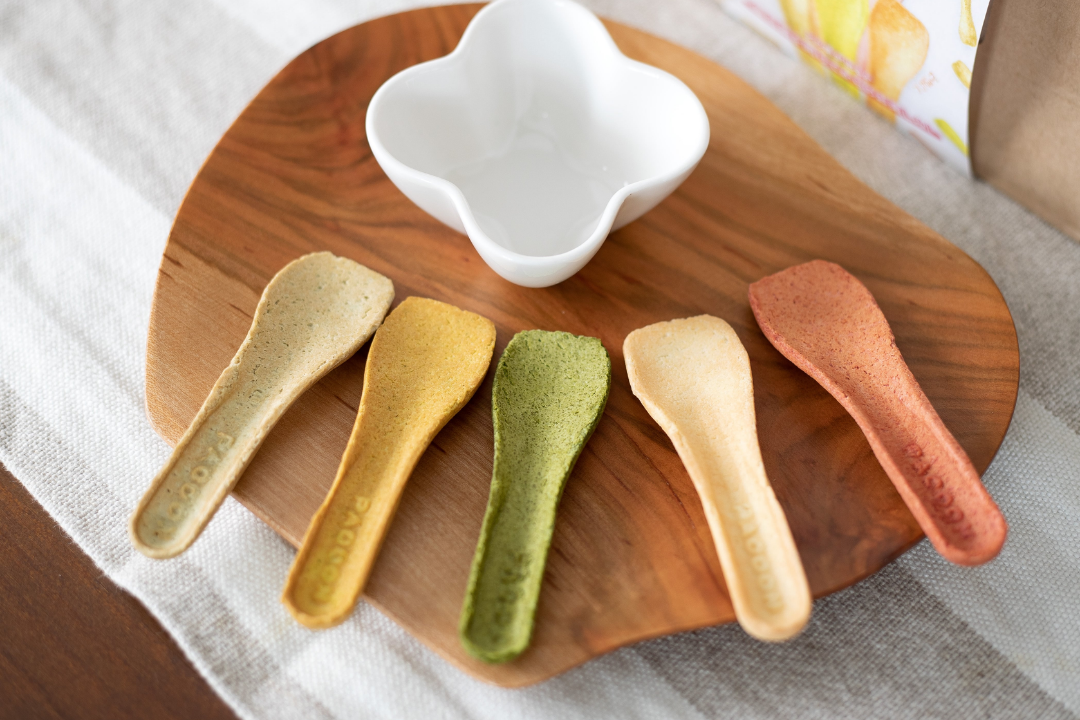
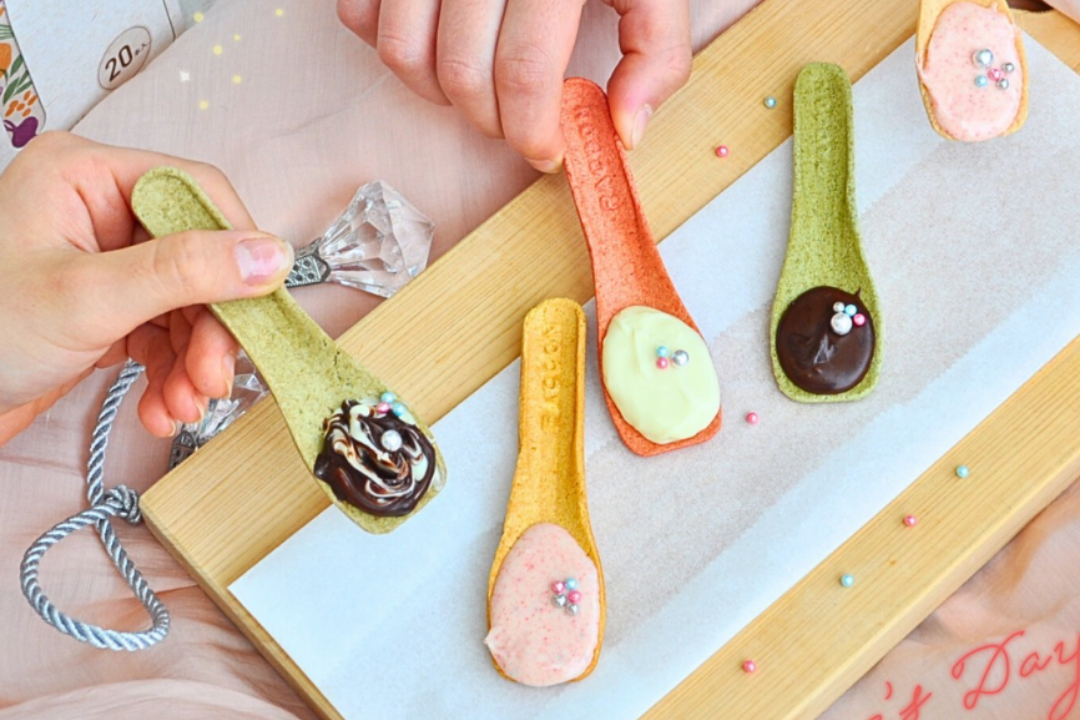
Pacoon is a spoon-shaped food product made from natural ingredients such as wheat flour, rice flour, local vegetables, and tea leaves. Because it can be eaten after use, it helps reduce plastic waste and lowers environmental impact. The spoons come in vibrant, natural colors such as green from matcha, red from beets, and yellow from pumpkin, adding charm to both meals and desserts.
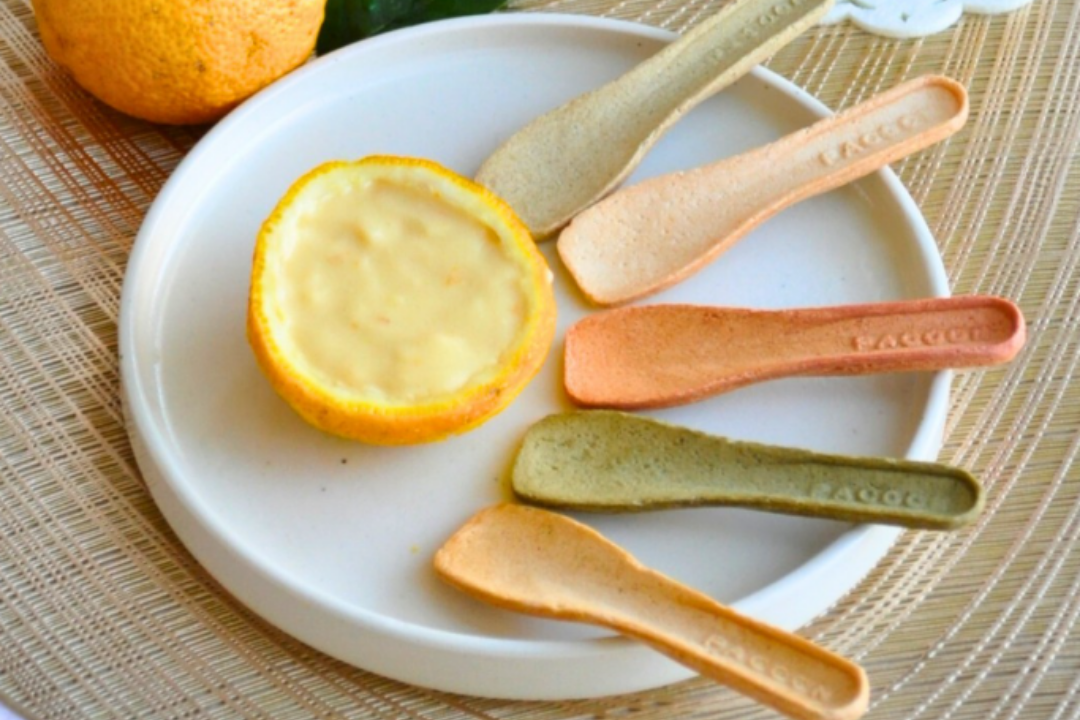
Pacoon works well with ice cream, parfaits, soups, and light meals, becoming part of the dish itself. A pumpkin-flavored spoon with pumpkin soup layers similar flavors for a richer taste. Matcha spoons paired with pudding create a playful contrast of bitterness and sweetness.
The idea of an edible spoon not only addresses the global issue of plastic waste but also adds a sense of fun to dining, turning everyday meals into small events. As sustainability gains attention across Europe and North America, edible cutlery is drawing global interest, with Pacoon standing out as a unique innovation from Japan.
Pacoon Edible Spoon Overview
Pacoon was created in Japan based on the idea of an edible spoon. Its ingredients include colorful, locally sourced produce such as pumpkin, matcha, beets, okara (soy pulp), and igusa (Japanese rush). Each variety offers a distinct flavor and aroma, creating new dining experiences when paired with different foods. Designed in the shape of an ice cream spoon for a pleasant mouthfeel, it can be eaten entirely after use. Free from preservatives and artificial coloring, Pacoon highlights the natural beauty and fragrance of its ingredients. It is not only a solution to single-use plastics but also a way to make meals more enjoyable and engaging.
About Kinrosyoku: More Than a Meal
Kinrosyoku Co., Ltd. is a comprehensive food services company that supports people’s health and vitality through corporate and student cafeterias. In addition to providing nutritious, well-balanced meals created by registered dietitians, the company also focuses on presentation, hospitality, and creating dining experiences that bring comfort and energy to people.
The company organizes events that make dining more enjoyable and adapts menus to local tastes and workplace needs. In dormitories, Kinrosyoku manages not only cafeteria operations but also facility management and safety measures. Its operations also extend to cafés, retail stores, traveling cooking classes under the brand Tsunagu Kitchen, and collaborative product development with universities. The company has earned ISO14001 certification and actively contributes to the creation of a more sustainable society.
Development Background
Pacoon was created in response to the global challenge of plastic waste. Disposable spoons are convenient but often discarded after only a few minutes of use, contributing to environmental issues such as marine pollution and expanding landfills. As global efforts to reduce plastic accelerated across Europe, North America, and Asia, the idea of an edible spoon gained attention as a symbol of a sustainable future.
With extensive experience in food innovation, Kinrosyoku spent years developing a spoon that balances durability with taste, aroma, and texture. Prototypes were tested repeatedly in restaurants and at events until both usability and flavor reached the desired level.
The result is Pacoon: cutlery made with natural ingredients such as wheat and corn, offering a subtle roasted flavor, pleasant firmness, and the enjoyment of being eaten after use. It leaves no waste and reflects Japanese craftsmanship and a commitment to solving global issues.
Flavor, Texture, and Experience
Source: Pacoon Homepage
Pacoon’s appeal extends beyond environmental benefits; it is also delicious. Made primarily from wheat and corn flour, it has a lightly savory taste that complements a wide range of dishes. The plain version, which has a mild sweetness, pairs easily with soups, curries, and desserts.
The texture is firm enough to function reliably as a spoon yet breaks apart smoothly in the mouth, releasing the natural flavors of its ingredients. Since Pacoon withstands both hot soups and frozen desserts without softening or breaking, it is practical for various uses.
New flavors such as chocolate and herb varieties are under development to expand pairing possibilities. Restaurants, cafés, and events have introduced special menus featuring Pacoon, and its novelty often spreads widely on social media.
Pacoon has become more than a substitute for plastic. It acts as a new cultural element that blends seamlessly into the dining experience. Its appeal continues to spread among environmentally conscious consumers as well as those who enjoy a sense of playfulness in food.
Crafting Sustainability: Inside Pacoon’s Manufacturing Process
Source: Pacoon Homepage
Pacoon was created in response to the growing issue of plastic waste, particularly single-use cutlery that takes centuries to decompose. Its production uses only safe, natural ingredients while avoiding artificial preservatives and colors. To help reduce food waste, the process also incorporates imperfect or non-standard crops such as misshapen wheat and corn.
Manufacturing and Sustainability
Factories are gradually shifting to renewable energy, and packaging uses recyclable or minimal materials to reduce environmental impact at every stage. This approach has earned Pacoon recognition from environmentally conscious companies and event organizers, leading to its adoption at large festivals and international conferences.
By communicating the story and values behind the product itself, Pacoon is emerging as a driving force in shaping a new food culture.
Sales and Applications
Since its launch, Pacoon has attracted strong interest in Japan and abroad. It is sold through its official online store, major e-commerce platforms, eco-focused shops, department store pop-ups, and food fairs. Demand is high among eco-conscious consumers and sustainability-oriented businesses, with repeat orders steadily increasing.
Pacoon has many possible uses: ice cream, puddings, parfaits, soups, salads, and outdoor meals. At music festivals and local events, it has been introduced as “cutlery you don’t throw away,” creating buzz both on-site and online. International exhibitions and sustainability-focused forums highlight Pacoon as an innovative Japanese product, drawing attention from buyers and media around the world.
It is also used in corporate CSR initiatives, employee programs, and educational settings to teach about sustainability and plastic waste. These wide-ranging applications show Pacoon’s practicality and adaptability, reinforcing its role not only as a plastic alternative but also as a product chosen for its distinct value.
International Expansion and Recognition
Source: Pacoon Homepage
Pacoon’s originality and practicality have drawn global attention. It is exported to North America, Europe, and Asia, where it is promoted as edible spoons or eco-friendly cutlery. In many regions, it has come to symbolize efforts to reduce plastic use.
Sales channels include online marketplaces, organic grocery stores, and eco-focused events. At international food trade shows in the United States and Germany, Pacoon has impressed visitors, with many buyers pursuing partnerships after sampling it. Restaurants and cafés abroad are also adopting it for desserts and takeout menus.
Pacoon has received awards at environmental and design competitions and has appeared in international media. Its twofold appeal, being both attractive and tasty, has been especially praised in cultures that celebrate uniqueness and creativity in food.
This demonstrates Pacoon’s ability to resonate across countries and contribute to a more sustainable global food culture.
Conclusion
Pacoon reimagines the act of eating by offering both sustainability and enjoyment. As global awareness of environmental issues continues to rise, this edible spoon provides a thoughtful alternative that leaves no waste and adds flavor to the meal itself. It turns everyday dining into an engaging experience.
In Japan, Pacoon is increasingly adopted at events, restaurants, schools, and corporate training programs. Internationally, it is gaining traction across North America, Europe, and Asia among eco-conscious consumers and businesses. At global exhibitions, Pacoon consistently surprises and delights visitors, showcasing a new approach to food culture.
Supported by Japan’s long-standing expertise in food processing and meticulous product design, Pacoon combines an appealing shape, durability, and satisfying flavor that complement many dishes. These qualities elevate it beyond a simple alternative and make it a product that adds genuine value to the dining experience.
Pacoon’s international awards and media coverage have helped raise awareness and strengthen its credibility. While being environmentally conscious, it also offers thoughtful design and practical functionality, making it appealing across cultures.
As efforts to reduce plastic continue worldwide, Pacoon has the potential to become an iconic symbol of sustainable dining. This small spoon does more than reduce environmental impact. It brings joy, surprise, and connection to every meal, representing a meaningful innovation in the way we eat.
FAQ About PACOON
1. What Are The Flavor Characteristics Of PACOON?
PACOON is made primarily from natural ingredients such as wheat flour and corn flour, giving it a lightly toasted flavor and crisp texture. Eating it together with food also allows users to enjoy layered flavor combinations.
2. Does The Spoon Break Or Dissolve During Use?
PACOON is designed with enough firmness to maintain its shape during use. It can be used with both hot soups and cold desserts, and it resists becoming soggy during a normal meal, providing reliable durability.
3. In What Situations Is PACOON Commonly Used?
PACOON is used in a wide range of settings, including cafés, restaurants, events, and outdoor activities. It has gained particular attention at festivals and exhibitions where reducing disposable cutlery is an important goal, positioning it as a “spoon that does not need to be thrown away.”
4. Can Different Flavors Be Paired With Different Foods?
Yes. Pumpkin flavor pairs well with soups, matcha flavor complements desserts, and beet flavor works well with salads. Choosing flavors based on food pairings is one of PACOON’s unique attractions.
5. What Environmental Benefits Does PACOON Offer?
Because the spoon can be eaten after use, it helps directly reduce plastic waste. The company also works to lower environmental impact throughout the production process by utilizing imperfect ingredients and incorporating renewable energy.
6. Are There Any Concerns Regarding Hygiene Or Safety?
PACOON uses only food-safe ingredients and minimizes the use of preservatives and artificial coloring. It is produced under the same quality control standards applied to regular food products, allowing consumers to use it with confidence.
7. Is PACOON Suitable For Everyday Home Use?
Yes. PACOON can easily be incorporated into daily life at home. Simply serving it with ice cream, pudding, or cup soup can add a sense of fun and uniqueness to ordinary meals.
8. Why Is PACOON Considered A Sustainable Product?
PACOON is valued not only as an alternative to plastic cutlery, but also for its concept of “finishing by eating.” Rather than simply replacing disposable utensils, it reimagines the dining experience itself by combining sustainability with enjoyment.
9. How Has PACOON Been Received Internationally?
PACOON has expanded into North America, Europe, and Asia, where it is recognized as an “edible spoon” in environmentally conscious markets. Adoption by restaurants and exhibitions has increased, attracting international attention.
10. What Advantages Does PACOON Have Compared With Other Eco-Friendly Cutlery?
Its greatest strength is that there is no need to dispose of it after use, while also allowing users to enjoy its flavor and appearance. Unlike paper or wooden cutlery, PACOON offers both environmental benefits and experiential value through the concept of “eating the spoon itself.”
Related Videos
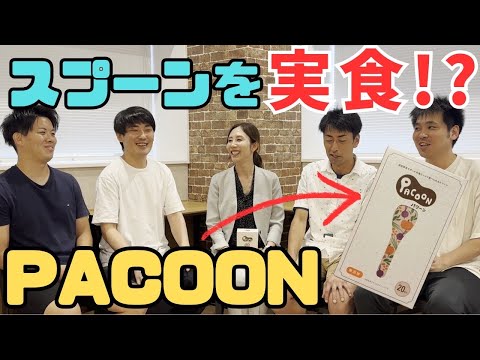
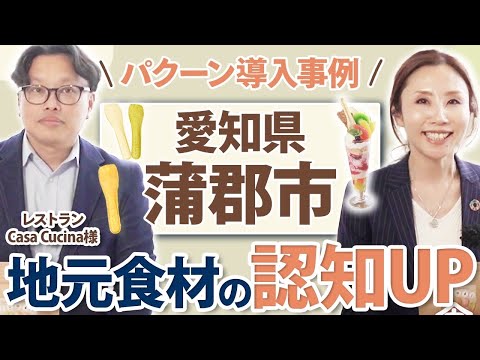
If you're interested in Japan’s innovation in food services, the video below introduces Pacoon, a solution designed to enhance efficiency and creativity in the industry. This video shows how the service supports businesses by streamlining operations and improving the overall dining experience.