Pull the String and Enjoy the Heat: Discover Japan’s First Self-Heating Railway Bento Box, the Atchicchi Bento Box

On a cold winter morning, a traveler steps onto a Shinkansen departing from Kobe. While their hearts race at the scenery passing by outside the window, their stomach are already growling. In their hands is a uniquely Japanese ekiben, a railway bento box. But when they open it, steam rises up. It’s piping hot. Thanks to a built-in heating element, the bento warms itself right on the train, making it feel almost freshly made. In Japan’s railway bento culture, where meals are usually designed to taste delicious even when cold, the existence of a self-heating bento that seems to work like magic is sure to surprise many travelers.
The aptly named Atchicchi Bento is known as a groundbreaking railway bento that heats up simply by pulling a string. Behind the creation of this box, which feels almost like something out of science fiction, was an extraordinary mix of passion and ingenuity: the desire to let travelers enjoy freshly warmed dishes even while on the move. This story has been passed down as a memorable episode born from the fusion of curiosity about Japanese food culture and impressive technical skill.
Atchicchi Bento Overview
Japan’s first self-heating railway bento series lets you warm your meal yourself. When you pull the attached string, the heating element activates, and in moments the box fills with steam. With a wide variety of menu options such as beef sukiyaki, steak, and crab rice, it has earned a reputation for letting travelers enjoy local flavors while they are still warm. Since the debut of the first Atchicchi Bento in 1987, this long-selling product has continued to fulfill the dream of bento fans: enjoying “freshly made” food anytime, anywhere.
Inside Awajiya: The Story Behind Japan’s Iconic Ekiben Maker

Source: Awajiya Homepage
Awajiya is a long-established railway bento maker founded in 1903 (Meiji 36), headquartered in Kobe, Hyogo Prefecture. Since before World War II, the company has been selling bento boxes along rail lines in Kobe and the Hanshin area, and today it offers more than 100 varieties. Among its most iconic products are nationwide favorites such as Hipparidako-meshi, a rice dish served in a distinctive octopus pot-shaped container, and, of course, the Atchicchi Bento series featured here.
Although modest in size, Awajiya’s factory can produce up to 40,000 meals per day. This capacity supports a wide range of business channels, including professional baseball and J.League stadiums, department store events, and even in-flight meals. Guided by the belief, “We want to brighten journeys with bento boxes filled with deliciousness and fun,” Awajiya’s team is involved in every step from planning to sales. This spirit has remained unchanged since the company’s founding, fostering a culture that embraces new challenges while cherishing tradition.
In 2018, the company even held a limited-time railway bento sales event at Gare de Lyon in Paris, sharing Japan’s bento culture with travelers overseas. Carrying forward the vision of passing on the joy of bento culture to future generations—and to the world—Awajiya continues to create products that make every train journey more enjoyable.
From Idea to Innovation: The Birth of Warm Railway Bento Box
Traditional railway bento boxes are carefully crafted to taste delicious even when eaten cold. But the simple idea that “warm rice tastes even better” sparked the development of the Atchicchi Bento. Awajiya introduced this groundbreaking self-heating bento in 1987, the same year Japan National Railways was privatized and became JR.
At the time, the company’s fourth-generation president, Hiroshi Teramoto, envisioned offering freshly warmed bento boxes on trains, where microwaves were unavailable. Installing cooking facilities on board was unrealistic, so he shifted his thinking toward developing a container that could heat itself.
The Journey from Inspiration to Real-World Impact
After much trial and error, Awajiya collaborated with a container manufacturer to create Japan’s first self-heating railway bento using quicklime-based heating material. The Atchicchi Steam Bento featured conger eel rice, and when the attached string was pulled, water reacted with the heating agent to produce steam, warming the entire meal. From the moment it launched, this innovative idea attracted widespread attention, becoming a popular topic among travelers and even within the railway industry. The novelty of being able to warm a bento—“You can actually heat it up yourself!”—and the joy of enjoying freshly warmed food on a chilly train captivated many passengers.
For Awajiya, the product was a bold challenge, but its success spread throughout the industry. In 1988, the company released a second version featuring beef sukiyaki, the “Acchicchi Sukiyaki Bento.” Soon after, many companies followed suit, developing various self-heating boxed meals. All were inspired by Awajiya’s Atchicchi Bento, which introduced the added value of warmth to Japan’s railway bento culture. Awajiya’s bold innovation can truly be seen as a turning point in the history of the ekiben.
Unique Heating System: Warmth Spreads with Just a Pull of the String
Source: Awajiya Homepage
The defining feature of the Atchicchi Bento series lies in its unique heating system. When the string extending from the side of the box is pulled firmly, a hidden heating pack at the bottom activates. Inside the pack, quicklime (calcium oxide) reacts with water to generate heat, producing high-temperature steam. This steam warms the entire box, gently heating the rice and side dishes until they are warm and fluffy. Watching steam rise before you even open the lid feels like witnessing a little cooking performance—something you wouldn’t expect on a train. Just a few minutes after pulling the string, a once-cold bento transforms into a piping hot meal.
The mechanism is similar to a basic science experiment and has also been used in outdoor emergency rations and military field meals. What was innovative was incorporating it into a commercial food product for everyday travelers. To safely control the heating reaction inside the confined space of a train, the containers were designed to be heat- and pressure-resistant, with built-in vents that release steam at the right level. Because quicklime is used, these bento boxes are prohibited on airplanes under aviation regulations, and the Atchicchi series is not sold at airports. Even so, they are perfectly safe and convenient for railway journeys, allowing passengers to enjoy a warm meal right from their seat.
The method is simple, yet for first-time users, the sight is astonishing. When a passenger pulls the string, a hissing sound is followed by rising steam—a moment that feels almost magical. In winter, the warmth brings comfort inside the train, while in summer, the aroma of freshly heated dishes stimulates the appetite. Naturally, both the heating packs and containers are thoroughly tested with safety in mind. This fusion of technology and food adds both surprise and convenience to the railway bento experience, making train travel even more enjoyable.
Carefully Selected Ingredients and Flavor
For Awajiya, creating this product was a major challenge, but its success quickly spread throughout the entire railway bento box industry. In 1988, the company released a second version featuring beef sukiyaki as the main dish, the “Acchicchi Sukiyaki Bento.” Soon after, many other companies followed, introducing their own self-heating boxed meals. All of them were inspired by Awajiya’s Acchicchi Bento, which introduced the new value of “warmth” to railway bento boxes across Japan. Awajiya’s bold move is widely seen as a turning point in Japan’s ekiben culture.
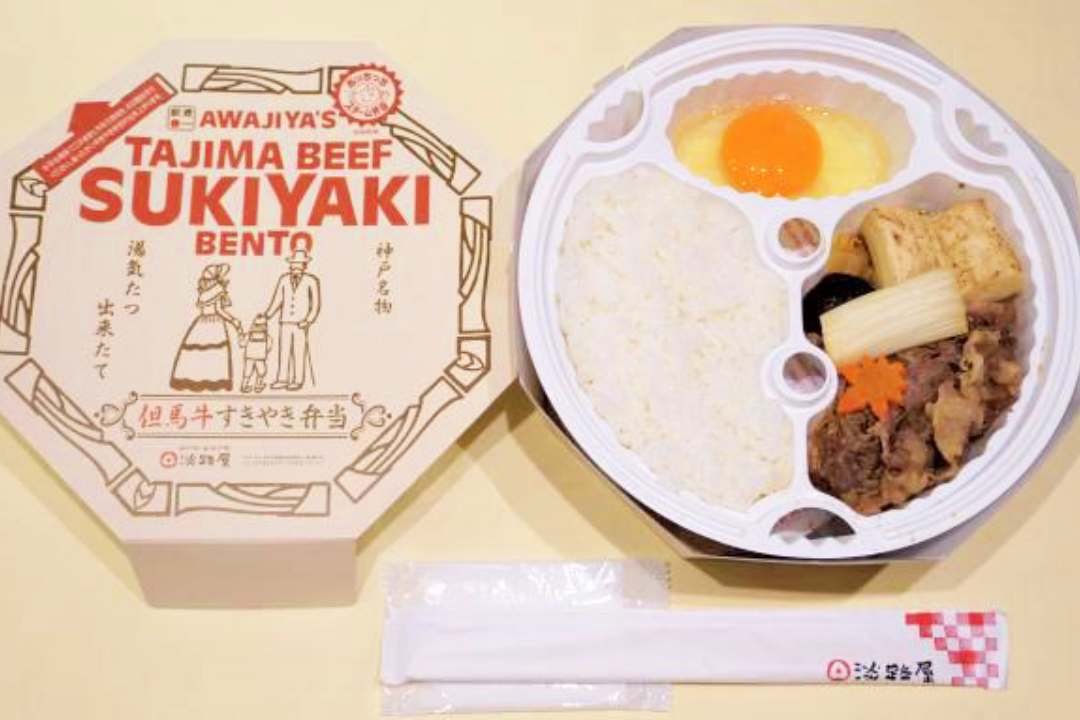
This sukiyaki bento box also features a unique topping rarely found elsewhere: a pasteurized raw egg. In Japan, it is extremely unusual for a railway bento box to include a raw egg. Yet for sukiyaki, the egg is essential. Under strict hygiene standards, Awajiya provides eggs that are safe to eat raw, allowing diners to enjoy sukiyaki the traditional way by breaking the yolk and mixing it with the hot beef. To prevent the egg from cooking during the heating process, it is wrapped in a special sheet so that it can be cracked over the dish right before eating. The silky yolk blends with the sukiyaki, creating such a rich and authentic flavor that it’s surprising to find it in a railway bento box.
The Delight of a Warm Railway Bento Box
The Steak Bento series is another highlight not to be missed. Reflecting Kobe’s distinctly Western-influenced food culture, this menu features thick, hearty cuts of beef steak. While steak tends to become firm when cold, the steam-heating process gently melts the fat, turning it tender and succulent. Paired with mushroom-seasoned rice that absorbs the flavorful juices, the result is exceptional. It offers a juiciness that can only be experienced when the dish is served hot.
The Crab Rice and Sukiyaki Bento is another indulgent option, combining rice topped with flakes of snow crab, a winter delicacy, with savory beef sukiyaki. When heated, the delicate flavor of the crab becomes even more pronounced.
In every dish, the added warmth brings out the natural qualities of the ingredients, giving travelers the luxurious feeling of enjoying freshly prepared local cuisine while on the road.
Another noteworthy point is the emotional satisfaction that a warm railway bento box provides. Eating rice with rising steam on a cold day, and feeling warmth spread through the body, brings a joy that goes beyond simply easing hunger. For many Japanese people, the sight of steaming rice or simmered dishes evokes a sense of nostalgia and home-cooked comfort. Awajiya takes this feeling to heart, developing products with the hope that “travelers can feel the coziness of home even while on the road.” A meal that comforts not only the palate but also the heart may be the greatest charm of the Atchicchi Bento.
Impact on Railway Bento Box Culture: An Idea That Amazes Even Western Travelers
Source: Awajiya Homepage
To people overseas, Japan’s railway bento box culture is truly unique. The custom of enjoying a boxed meal inspired by local specialties as part of a train journey is a tradition that has continued since the late 19th century, when railways first opened. Awajiya’s Atchicchi Bento brought a revolution to this culture. For many Western travelers, having a hot meal on a train usually means visiting a dining car or buying a simple snack from a trolley service. In Japan, however, you can buy a boxed meal on the station platform, take it to your seat, and watch it heat itself. It’s no surprise that many foreign travelers describe the experience as “just like magic.”
Awajiya’s innovative idea reflects the meticulous attention to detail and spirit of hospitality that Japan is known for. The wish to serve even more delicious food and bring smiles to travelers became the driving force behind the company’s technical development. As mentioned earlier, the success of the Atchicchi Bento encouraged other regions to create similar self-heating bento boxes, all based on the belief that “people are happier with a warm meal.” These products were born from the combination of Japan’s deep curiosity about food and its culture of hospitality.
Awajiya has also introduced the railway bento box culture overseas. In 2018, the company opened a limited-time shop at Gare de Lyon in Paris, offering authentic Japanese bento boxes to European customers. There, too, the self-heating bento box drew significant attention and sparked curiosity about Japanese food culture. Media outlets described it as “a lunch box that releases steam when you open the lid,” surprising locals. The following year, Awajiya’s bento boxes were also sold at events in Portland, USA, and Taipei, Taiwan, where visitors were equally fascinated. In this way, the Atchicchi Bento has grown beyond a single product to become a symbol of Japanese creativity and culinary culture.
Railway bento boxes in Japan continue to evolve. Even in today’s world, where microwaves are everywhere, self-heating bento boxes remain popular because the experience of warming the meal yourself holds unique value. When a revival version of the original Atchicchi Steam Bento was sold in limited quantities at an event, fans nostalgic for the first edition lined up to buy one. On social media, people posted comments such as “I tried it for the first time—so much fun!” or “It made my trip even more enjoyable,” showing how the product continues to be loved across generations. The Atchicchi Bento is not only an innovation that revitalized Japan’s long-standing railway bento culture but also a vivid example of Japanese creativity and passion for food.
Conclusion
Enjoying warm rice and side dishes while the train sways beneath you gives the Atchicchi Bento a story with every bite. There is the story of trial and error during its development, the anticipation you feel when pulling the string, and the smile that spreads when you taste that first mouthful. As seen throughout this article, this bento box is filled not only with technical ingenuity but also with a sincere wish to bring joy to travelers. If the goal were simply to satisfy hunger, a cold sandwich or snack would do. But railway bento boxes in Japan are made with passion in every detail, from taste and temperature to presentation and the element of surprise. The Atchicchi Bento is a true expression of Japan’s spirit of omotenashi, or heartfelt hospitality.
For Western travelers, the idea of a bento box releasing steam before the lid is opened may once have been unimaginable. Yet in Japan, this remarkable experience is just a train platform away. Watching the seasonal scenery pass by while savoring steaming local dishes you warmed yourself will surely become one of the highlights of the journey. In that moment, when the warmth of the food reaches both body and heart, you connect with the culture and history of a faraway place. It may be one of the greatest luxuries travel can offer.
Created by Awajiya in Kobe, the Atchicchi Bento is more than just a railway bento box. It brings surprise and delight to everyone who tries it. With a gentle pull of the string, steam rises, and the enjoyment begins even before opening the lid. Inside is Japanese craftsmanship, a touch of playfulness, and a heartfelt message to all who love to travel. If you visit Japan, be sure to pick up this magical bento box at a station. Along with a warm meal, you’ll feel the warmth of Japan’s unique hospitality. And when that moment comes, we hope you’ll remember the story of the Atchicchi Bento you learned today. In every sense, it is a small gift from Japan to the world, one that makes any journey even more memorable.
FAQ About Atchicchi Bento Box
1. How Does The Bento Box Heat Up Just By Pulling A String?
Inside the container is a heating agent made from quicklime. When activated, it reacts with water to generate heat, and the resulting steam warms the entire meal. Pulling the string starts the reaction, and within minutes, the bento becomes hot enough to produce visible steam.
2. How Long Does It Take To Heat Up?
Heating begins immediately after the string is pulled, and the meal usually reaches an enjoyable serving temperature within a few minutes. This allows passengers to enjoy a freshly heated meal even while traveling on a train.
3. Is It Safe To Heat The Bento Inside A Train Or Public Space?
Yes. The containers are designed with heat resistance and pressure control in mind. They also include a mechanism to safely release steam, making them suitable for use on public transportation.
4. Can It Be Brought Onto An Airplane?
No. Because the heating system uses quicklime as a chemical heating agent, airline regulations prohibit it from being carried onto aircraft. For this reason, these bento boxes are not sold at airports.
5. Why Was There A Need To Create A Heated Ekiben?
Traditional Japanese train station bento boxes are designed to taste good even when cold. However, the idea behind Atchicchi Bento was that certain meals could become even more enjoyable when served warm, offering a dining experience closer to freshly prepared food during travel.
6. What Types Of Meals Are Available?
Popular options include beef sukiyaki, steak, and crab rice dishes, which are meals that become more flavorful when heated. Many menus also feature regional ingredients and local specialty dishes from across Japan.
7. How Does Heating Change The Taste?
Heating enhances the aroma of broth, fat, and seasonings while improving the texture of the rice. Dishes such as sukiyaki and steak become richer and juicier, creating a noticeably different experience from eating them cold.
8. Is It Easy For First-Time Users To Operate?
Yes. The process is extremely simple with no special preparation or tools required, making it easy for anyone to use. Users simply need to pull a string to begin heating.
9. Why Has Atchicchi Bento Remained Popular For So Long?
Its lasting popularity comes from combining technical novelty with an enjoyable dining experience. The act of heating the meal yourself becomes part of the travel experience and has remained memorable across generations.
10. Why Is It Popular With International Visitors?
The self-heating mechanism is often viewed as a uniquely Japanese innovation. As interactive bento boxes are rare overseas, it has become a memorable symbol of Japan’s train station food culture.
Related Videos
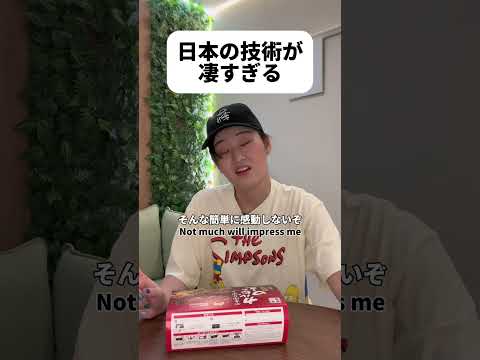
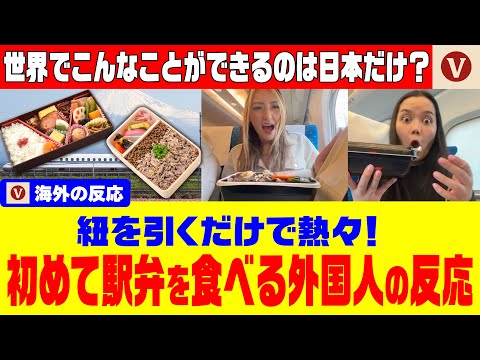
If you're interested in Japan’s unique food innovations, the video below introduces the Atchicchi Bento Box, a self-heating railway meal that warms up with a simple pull of a string. This video shows how built-in heating technology allows passengers to enjoy a hot meal anytime, enhancing the travel experience.