The Small Invention That Automatically Cools Hot Food: Japan's "Nekojita FuFu" Robot Inspired by Cat Tongue Culture
In many parts of the world, people simply wait for hot food or drinks to cool down or stir them with a spoon before taking a bite. In Japan, however, there is another familiar ritual. Before eating, many people gently blow on their food while making a "fufu" sound to bring it to a comfortable temperature. This small habit is especially common among children and people known as "nekojita," literally "cat tongue," a Japanese expression for someone who is sensitive to hot food and drinks.
Japan's food culture includes many dishes that are intentionally served piping hot, such as ramen, miso soup, hot pot, and freshly brewed tea or coffee. Because of this, blowing on food is a routine part of everyday dining at home and in restaurants. At the same time, some people feel self-conscious about blowing on their food in public, while young children and older adults may find it difficult to cool their meals enough before eating.
This everyday inconvenience inspired Nekojita FuFu, a small robotic device developed by the Japanese robotics company Yukai Engineering. Instead of relying on the user to blow on hot food or drinks, the device clips onto the edge of a cup or bowl and gently sends air across the surface, imitating the natural rhythm of a person blowing to cool food.
Although the idea may seem playful at first glance, it reflects a broader philosophy found in Japanese robotics and product design. In Japan, robots are often created not only as industrial machines but also as companions and everyday helpers that quietly improve daily life. Nekojita FuFu is a perfect example of this approach.
In this article, we'll explore the ideas behind this uniquely Japanese invention, the philosophy of its creator Yukai Engineering, the everyday problem it aims to solve, and why small lifestyle robots like this could find opportunities beyond Japan.
Nekojita FuFu Overview
Nekojita FuFu is a compact robotic device designed to cool hot food and beverages by gently blowing air across their surface. Developed by Japanese robotics startup Yukai Engineering, the device clips onto the rim of a cup, mug, or bowl and uses a miniature fan to recreate the familiar act of someone blowing on hot food. Instead of cooling your meal yourself, the robot does it for you, helping soups, coffee, tea, and other hot dishes reach a more comfortable drinking or eating temperature.
Small enough to fit in the palm of your hand, Nekojita FuFu can be used at home, in the office, or even in cafés. Its simple, friendly appearance makes it feel more like a lifestyle accessory than a traditional electronic gadget. In Japan, where many people identify as having "cat tongue" and struggle with hot food, the device offers a practical yet charming solution.
Part of the product's appeal comes from the experience itself. Rather than simply cooling food, the robot recreates the familiar "fufu" action, adding a touch of personality and fun to everyday meals. This reflects Yukai Engineering's philosophy of integrating robots naturally into daily life instead of treating them as purely functional machines.
Positioned somewhere between a small household appliance and a lifestyle gadget, Nekojita FuFu is designed for ordinary consumers rather than professionals. It requires almost no setup. Users simply attach it to their cup or bowl, switch it on, and let it do the work.
The Everyday Challenge Hidden Behind Cooling Hot Food
At first glance, Nekojita FuFu may seem like a humorous gadget, but it addresses a surprisingly common everyday habit rooted in Japanese dining culture. Before eating or drinking something hot, many Japanese people instinctively blow on it with a gentle "fufu" sound to lower the temperature.
This practice is common because many Japanese dishes are served immediately after cooking. Ramen, miso soup, hot pot dishes, freshly brewed coffee, and tea are all intended to be enjoyed while still very hot. Whether dining at home or in a restaurant, blowing on food is simply part of the eating experience.
Another uniquely Japanese aspect is the concept of "nekojita," or "cat tongue." The expression describes people who are especially sensitive to heat and struggle to eat or drink piping hot foods. For these individuals, cooling food is not just a preference but a necessity before every meal.
Prioritizing Daily Life Experiences
Despite being common, blowing on food is not always convenient. Some people feel uncomfortable doing it in public, while children and older adults may not be able to cool their meals effectively. Soups and larger drinks can also take considerable time before reaching a comfortable temperature.
Restaurants face a similar balancing act. Freshly prepared food is expected to arrive hot because temperature is part of the overall quality of the meal. At the same time, dishes that are too hot to enjoy immediately can reduce customer satisfaction, particularly for children's meals or soups that need to be consumed soon after serving.
Yukai Engineering saw this small but widespread inconvenience as an opportunity. Rather than developing another industrial robot, the company focused on creating products that support everyday life. Nekojita FuFu fits naturally into this philosophy by taking over one simple human action and making meals a little more comfortable and enjoyable.
Instead of trying to solve a massive societal problem, the device improves one tiny moment that millions of people experience every day. This focus on enhancing everyday life is one of the defining characteristics of Japan's lifestyle robotics industry.
A Robot Designed to Mimic Human Behavior
What makes Nekojita FuFu unique is that it is not simply a cooling device. It was designed as a robot that imitates a familiar human action.
People typically cool hot food by waiting, stirring, or adding ice when appropriate. Nekojita FuFu takes a completely different approach by recreating the act of gently blowing on food itself. Rather than changing the food, it reproduces the behavior people naturally perform before eating.
The device clips onto the edge of a cup or bowl and uses a small built-in fan to direct airflow across the surface of the food or drink. Instead of producing a constant stream of air, it blows in a gentle rhythm that resembles natural breathing. This subtle detail makes the experience feel surprisingly human and distinguishes it from an ordinary portable fan.
Business and Commercial Value
This philosophy reflects Yukai Engineering's broader approach to robotics. The company designs products that fit naturally into people's lives rather than showcasing advanced industrial capabilities. Its goal is not to build the most powerful robot possible but to create devices that people feel comfortable living with.
That same thinking is evident throughout Nekojita FuFu's design. The robot is compact, easy to attach, and simple to operate without requiring complicated settings or technical knowledge. Users can incorporate it into an ordinary meal without changing their routine.
The product also emphasizes emotional value alongside functionality. Watching a tiny robot cool your soup or coffee naturally becomes part of the dining experience. During meals with family or friends, it can easily become a conversation starter instead of simply another kitchen gadget.
Technically, the device is relatively straightforward. It does not rely on advanced AI or sophisticated sensors. Instead, it demonstrates a different vision for robotics by quietly assisting people with small everyday actions.
In many ways, Nekojita FuFu answers an important question about the future of personal robots. Not every robot needs to perform complex tasks or replace human labor. Sometimes, simply making an ordinary daily habit a little easier is enough to create meaningful value.
Expanding the Dining Experience Beyond the Home
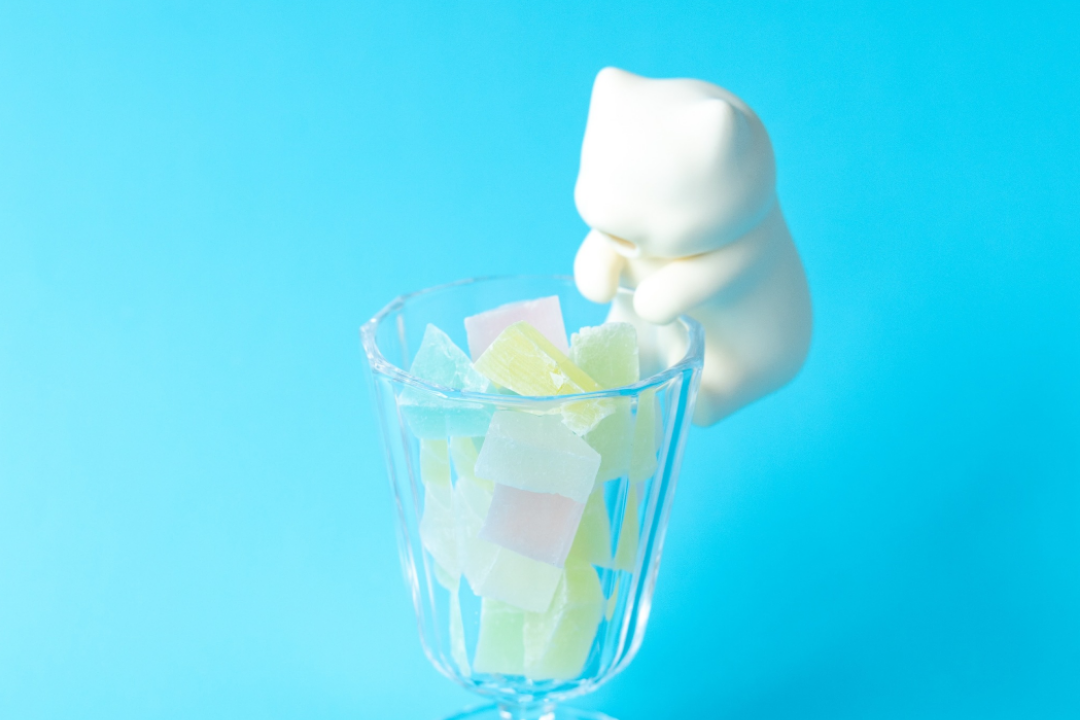
Source: Nekojita FuFu Homepage
Although Nekojita FuFu is often introduced as a fun consumer gadget, it also has interesting potential for the food service industry.
Serving temperature plays a major role in the dining experience. Restaurants want to present ramen, soups, coffee, and other hot dishes at their ideal temperature, but customers often need to wait before they can comfortably eat or drink them. That waiting period becomes part of the overall customer experience.
A device like Nekojita FuFu could help shorten that waiting time without compromising food quality. Restaurants could continue serving dishes fresh and hot while giving guests an easy way to bring them to a comfortable temperature more quickly.
The concept may be particularly valuable for children's meals and menus aimed at older adults, where food temperature is often an important consideration. Instead of waiting for a bowl of soup to cool naturally, diners could continue enjoying their meal while the robot gradually lowers the temperature.
Beyond practicality, the device also introduces an element of entertainment. Watching a small robot gently blow on a cup of coffee or bowl of soup is visually engaging and memorable. Cafés and restaurants could incorporate it into themed dining experiences or interactive customer service.
There may also be opportunities in hotels, cafés, and tourist facilities. Breakfast buffets, executive lounges, and premium hospitality services could use the device as both a functional tool and a conversation piece that leaves guests with a memorable impression.
Viewed from this perspective, Nekojita FuFu is more than a household convenience. It also suggests how small lifestyle robots could become part of customer experience design across the hospitality and food service industries.
A Company Philosophy Centered on Everyday Life
To understand Nekojita FuFu, it helps to first understand the philosophy of its creator, Yukai Engineering. Unlike many robotics companies that focus on industrial automation, factory equipment, or logistics, Yukai Engineering develops robots designed to live alongside people in their everyday environments.
The company's vision, "Make the World Happier with Robotics," reflects a belief that robots should do more than perform tasks efficiently. They should also create emotional connections, make daily life more enjoyable, and fit naturally into ordinary routines. While industrial robots prioritize speed, precision, and productivity, Yukai Engineering focuses on robots that become friendly companions within homes and personal spaces.
Over the years, the company has introduced a variety of products that emphasize emotional interaction rather than automation. These include cushion-like robots that provide comfort through touch and small communication robots capable of expressing simple emotions. Instead of replacing human work, these products aim to enrich everyday experiences through thoughtful design.
Moving Automation from Factories to Personal Spaces
Nekojita FuFu follows the same philosophy. Cooling hot food is a tiny part of daily life, but by allowing a robot to perform this familiar action, the company transforms an ordinary moment into something enjoyable. Rather than pursuing increasingly complex technology, Yukai Engineering demonstrates how robotics can improve quality of life through small but meaningful interactions.
This approach also reflects Japan's broader relationship with robots. In Japanese culture, robots are often imagined as companions rather than purely functional machines. Manga, anime, and popular culture frequently portray robots living alongside humans as trusted partners. Yukai Engineering brings that cultural vision into reality through products designed for everyday use.
Instead of showcasing cutting-edge artificial intelligence or advanced robotics, Nekojita FuFu reimagines one simple daily habit through technology. It demonstrates that robots do not always need to solve major societal challenges. Sometimes, making everyday life a little more comfortable or enjoyable is enough to create meaningful value.
Although the consumer lifestyle robot market is still developing, growing interest in human-centered technology suggests that robots designed for everyday living could become increasingly common. Yukai Engineering is positioning itself at the forefront of that future.
A Robot Design Inspired by Japanese Daily Life
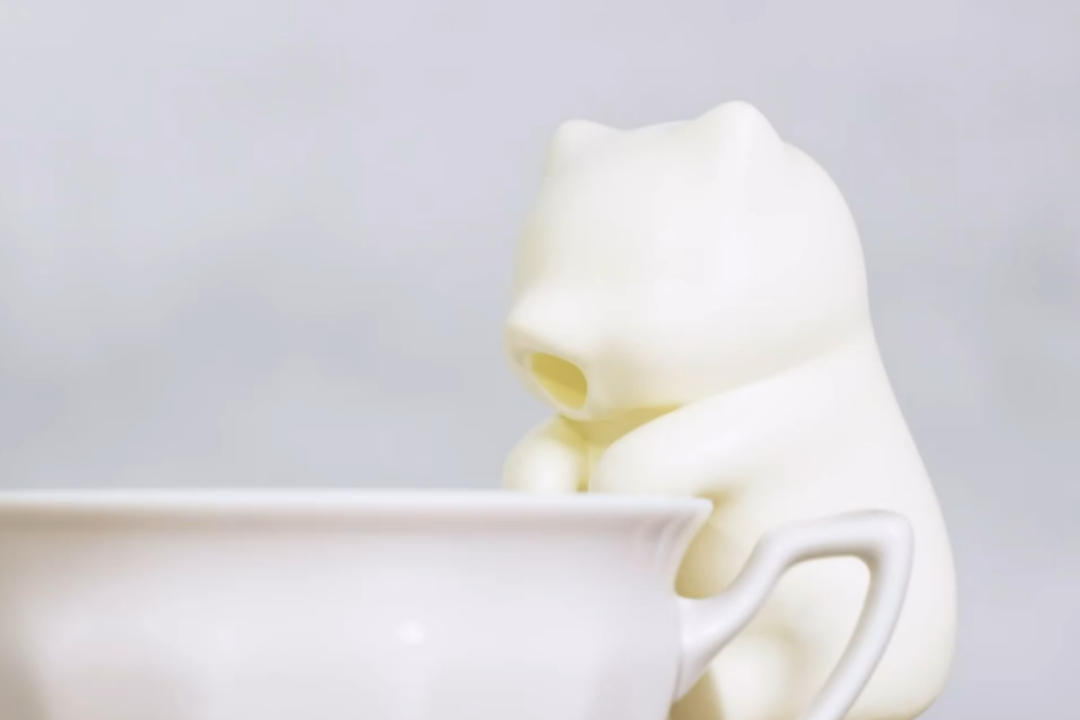
Source: Nekojita FuFu Homepage
Products like Nekojita FuFu are deeply rooted in Japanese lifestyle and product design. Japan has a long history of creating household appliances and consumer products that solve small everyday inconveniences. Rice cookers, electric kettles, and advanced bidet toilets are all examples of products that improve daily life through thoughtful attention to detail.
Nekojita FuFu belongs to this same tradition.
While people around the world cool hot food in different ways, blowing gently on food before eating is particularly common in Japan because many popular dishes are served piping hot. Ramen, miso soup, hot pot, and freshly brewed tea are typically enjoyed immediately after cooking, making "fufu" a familiar part of everyday meals at home and in restaurants.
An Instantly Understandable Concept for International Audiences
The concept of nekojita, or "cat tongue," also plays an important role. The term refers to people who are sensitive to hot food and beverages and cannot comfortably eat them at high temperatures. Because the expression is widely recognized in Japan, products designed to help cool food naturally attract attention from consumers.
Yukai Engineering did not simply create a faster way to cool food. Instead, it chose to recreate the familiar "fufu" action itself. By mimicking a distinctly human behavior, the company turns a practical function into an entertaining experience that adds personality to the dining table.
This reflects another characteristic of Japanese product design. Beyond functionality, many Japanese products are designed to create emotional engagement through friendly appearances, charming interactions, or playful features. Nekojita FuFu follows this philosophy by making the cooling process itself part of the user experience.
The product also reflects Japan's broader robotics culture, where robots are often portrayed as expressive companions with unique personalities. Rather than emphasizing technical specifications, Yukai Engineering focuses on making technology feel approachable and enjoyable.
As a result, Nekojita FuFu is not simply a new gadget. It represents how Japanese designers combine everyday culture with robotics to create products that improve both convenience and the overall experience of daily life.
Opportunities in the Global Consumer Robotics Market
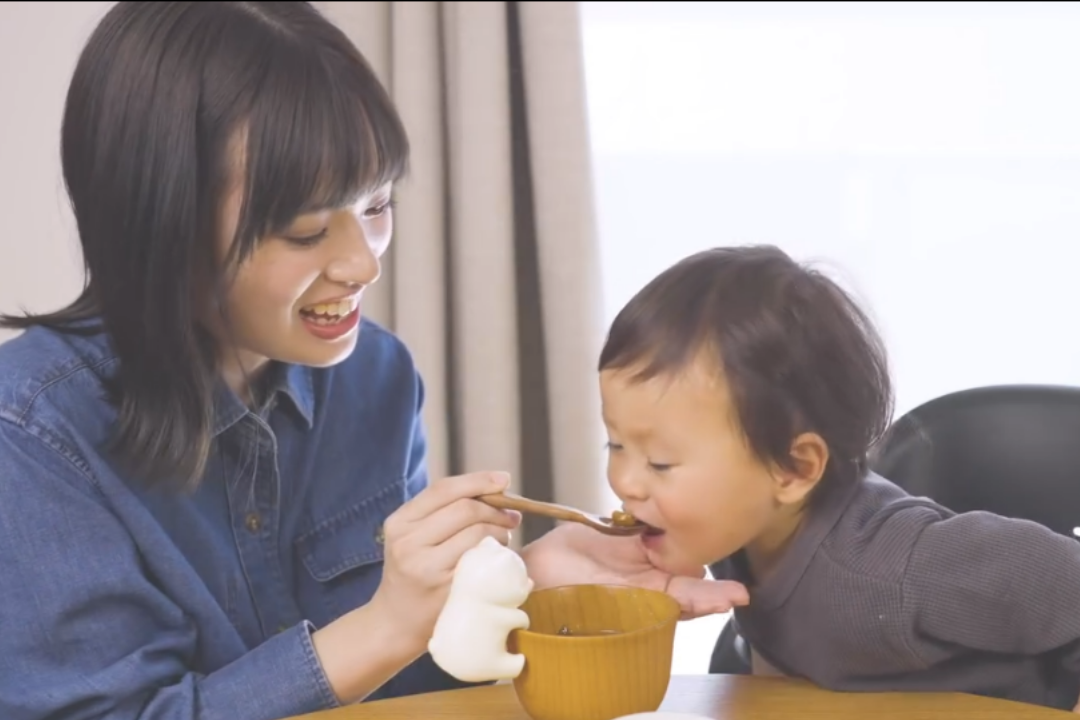
Source: Nekojita FuFu Homepage
Although Nekojita FuFu was inspired by Japanese dining culture, its underlying concept has broader international potential.
Historically, the global robotics industry has focused primarily on industrial automation. Manufacturing, warehouse logistics, and production efficiency have driven much of the sector's growth. In recent years, however, interest has expanded toward consumer robots designed for homes and personal spaces.
Robot vacuum cleaners and smart home assistants have already demonstrated that consumers are willing to adopt robots that simplify everyday tasks. Nekojita FuFu introduces another possible direction by supporting one of the most universal human activities: eating.
Supporting the Universal Activities of Eating and Drinking
People around the world drink hot coffee, tea, soup, and other hot beverages. While cooling methods vary across cultures, waiting for drinks to reach a comfortable temperature is a common experience. Because of this, Nekojita FuFu's concept is easy for international audiences to understand, even if the Japanese idea of nekojita is unfamiliar.
The product's appeal also extends beyond practicality. Watching a tiny robot gently blow on a cup is visually engaging and immediately understandable without explanation. This makes it well suited for demonstrations at technology exhibitions, design showcases, and consumer electronics events around the world.
There may also be opportunities in commercial settings. Cafés, restaurants, hotels, and hospitality businesses could incorporate devices like Nekojita FuFu as part of a memorable customer experience. A robot helping cool a guest's coffee or soup may seem like a small touch, but it creates a unique interaction that customers are likely to remember and share.
More broadly, consumer robotics is expected to continue expanding as aging populations, changing lifestyles, and increased demand for household assistance create new opportunities. Small robots that perform simple, specialized tasks may become an important part of this growing category.
By focusing on robots that integrate naturally into daily life rather than industrial environments, Yukai Engineering has established a distinctive position within the robotics industry. As demand grows for technology that enhances everyday experiences instead of simply increasing efficiency, this approach could become increasingly influential.
Reimagining Everyday Actions Through Robotics
At first glance, Nekojita FuFu appears to be a playful novelty. In reality, it represents a thoughtful combination of Japanese culture, product design, and consumer robotics.
Blowing gently on hot food is a routine action that millions of people perform without thinking. By allowing a robot to take over this simple task, Yukai Engineering demonstrates that technology can enhance everyday life in surprisingly small but meaningful ways.
The company's philosophy is clear. Rather than limiting robots to factories and industrial settings, Yukai Engineering envisions them as natural companions that exist within homes and daily routines. Guided by its vision of "Make the World Happier with Robotics," the company continues to develop products that make human interactions with technology feel more personal and approachable.
Conclusion
Nekojita FuFu is not powered by advanced artificial intelligence or packed with complex features. Instead, its innovation lies in identifying an ordinary human habit and transforming it into a delightful robotic experience. That simple idea encourages people to see robots not only as machines that improve efficiency, but also as products that make everyday moments more enjoyable.
For businesses outside Japan, this approach offers an interesting perspective on consumer robotics. Not every successful robot needs to solve a major global challenge. There is also value in creating products that address small daily inconveniences while delivering memorable user experiences.
Although inspired by Japanese dining culture, Nekojita FuFu demonstrates ideas that resonate far beyond Japan. Homes, cafés, restaurants, hotels, and hospitality businesses around the world all involve hot food and beverages. As consumer robotics continues to evolve, devices that support these everyday interactions may become an increasingly familiar part of daily life.
Ultimately, Nekojita FuFu offers a glimpse into a future where robots are not towering industrial machines hidden behind factory walls, but small, friendly companions sitting on the dining table, quietly making everyday life a little more comfortable.
FAQ About Nekojita FuFu
1. How Does Nekojita Fufu Cool Down Drinks?
It works by attaching to the rim of a cup or bowl, blowing air using a small fan to lower the surface temperature of hot drinks or soup. A key feature is how the robot mimics the human action of blowing gently on hot food or drinks.
2. Who Is Nekojita Fufu Suitable For?
It is suitable for people with a "nekojita" (sensitive tongue) who struggle with hot food and drinks, as well as children and the elderly. It is also geared toward those who want to reduce small daily inconveniences, such as people working at a desk who want to drink hot coffee right away.
3. What Makes Nekojita Fufu Different From Regular Cooling Goods?
Unlike adding ice or waiting for it to cool down naturally, a notable feature is that it lowers the temperature without significantly altering the taste of the drink. Furthermore, the robot's movement adds a sense of fun and can serve as a conversation starter beyond its basic functionality.
4. Can It Also Be Utilized in Restaurants and Cafes?
There is potential for it to be utilized in settings where kids' menus, hot soups, or coffee are served. It is also expected to be used in hotels and restaurants as an experiential service or as an element to generate buzz.
5. Is Nekojita Fufu Difficult to Operate?
No complicated settings are required; it can be used simply by attaching it to a bowl or cup and turning on the power. Emphasis has been placed on simple operation so that it can be used just like any other everyday household item.
6. Why Was Such a Product Created in Japan?
In Japan, the habit of blowing gently on hot food to cool it down before eating is deeply rooted. This product was born from focusing on such daily habits and finding ideas to make life a little more comfortable.
7. Can Nekojita Fufu Be Called a Robot?
While it is not equipped with advanced AI, it is designed as a small robot that mimics human behavior to assist in daily life. It is one of the products that symbolizes Yukai Engineering's philosophy of creating "robots that gently blend into daily life."
8. Is the Product Easy for International Users to Understand?
Since the act of cooling down hot drinks is common worldwide, the concept is considered easy to understand. It has the potential to attract attention particularly from international users who are interested in Japanese robot culture and design.
9. Why Is Nekojita Fufu Attracting Attention?
It is highly regarded for using technology to address small daily inconveniences rather than large societal challenges. Along with its practicality, the experiential value of being fun to watch is another reason for its popularity.
10. What Kind of Potential Is There in the Lifestyle Robot Market in the Future?
Following cleaning robots and smart appliances, interest is growing in robots that support close-to-home activities such as eating and relaxing. Nekojita Fufu is expected to be a product that points toward a new market direction by assisting with small, everyday activities through robotics.
Related Videos
If you're interested in Japan's playful approach to everyday problem-solving, the video below explores Nekojita FuFu, a small robot designed to automatically cool hot food and drinks. Inspired by the Japanese expression “nekojita,” or “cat tongue,” this invention shows how a familiar cultural habit can inspire a creative new product.