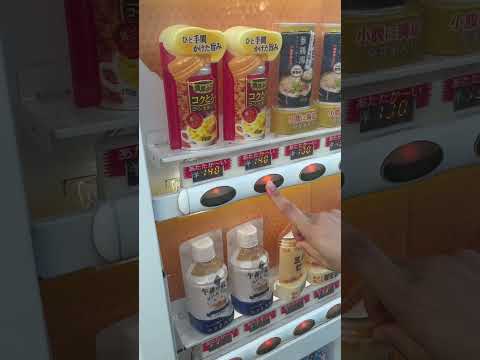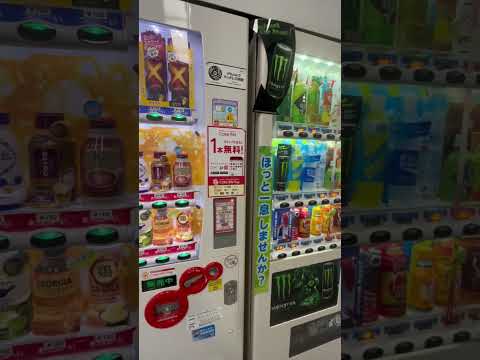
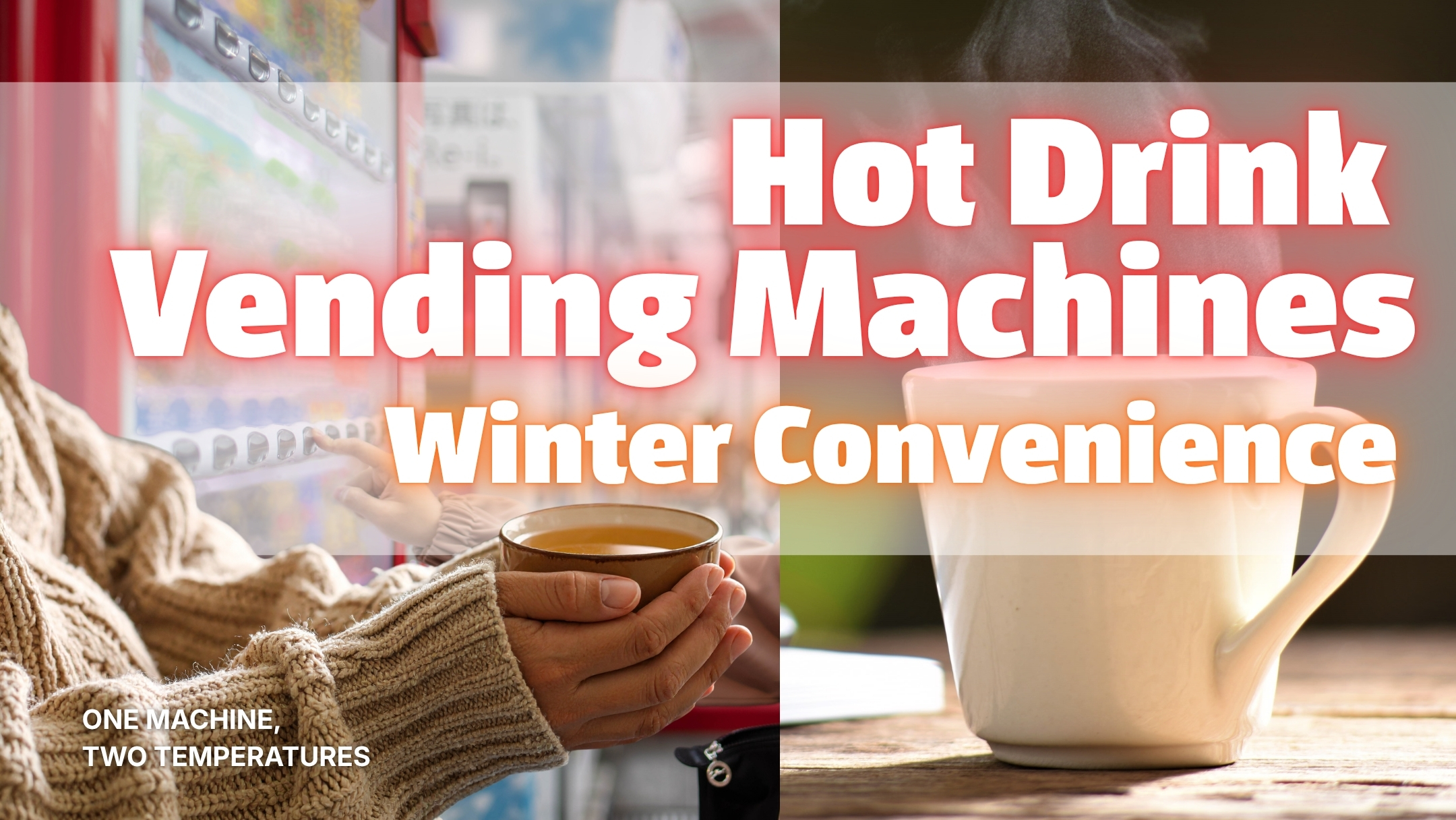
Vending machines can be found almost everywhere in Japan, including street corners, train stations, and outside office buildings. Beverage vending machines are especially common, with millions of units operating across the country. One of the most distinctive features of Japanese vending machines is the “hot drink” function.
During the winter months, many beverage vending machines switch some product displays to “HOT.” Warm canned coffee, tea, and even soup can be purchased at a comfortable temperature, allowing people to quickly enjoy a hot drink even while outdoors in cold weather. Although this is a normal part of daily life in Japan, this feature is considered quite unusual from a global perspective.
In many countries, vending machines mainly sell cold beverages. While cooling systems are widely used, technology that keeps hot drinks at a suitable temperature inside a vending machine and sells them safely is not as common. For this reason, many international visitors are surprised when they discover that they can buy warm canned coffee or tea from a vending machine in Japan.
The hot drink function developed through a combination of Japan’s climate, consumer habits, and advances in vending machine technology. Because Japan experiences clear seasonal changes, demand for warm beverages increases during the cold winter months. By offering hot drinks through vending machines, Japan has created an environment where people can easily purchase warm beverages even outdoors.
Japanese vending machines also serve a role beyond simply selling products. Operating 24 hours a day and located in various places, they have become part of the country’s everyday infrastructure. Within this vending machine culture, the hot drink function has developed as a unique feature that represents Japan’s approach to convenience and daily life.
What Is the Hot Drink Function in Japanese Vending Machines?
Source: Suntory Homepage
The hot drink function in vending machines is a system that allows beverages such as canned coffee and tea to be sold in a heated state. Japanese vending machines are equipped with heating units that keep drinks warm at a controlled temperature while they are stored inside the machine.
In general, beverages designed for the hot drink function are maintained at around 50 to 60 degrees Celsius inside the vending machine. This temperature is warm enough to drink immediately while also reducing the risk of burns. When a customer makes a purchase, the heated can or bottle is delivered to the collection slot and can be consumed right away.
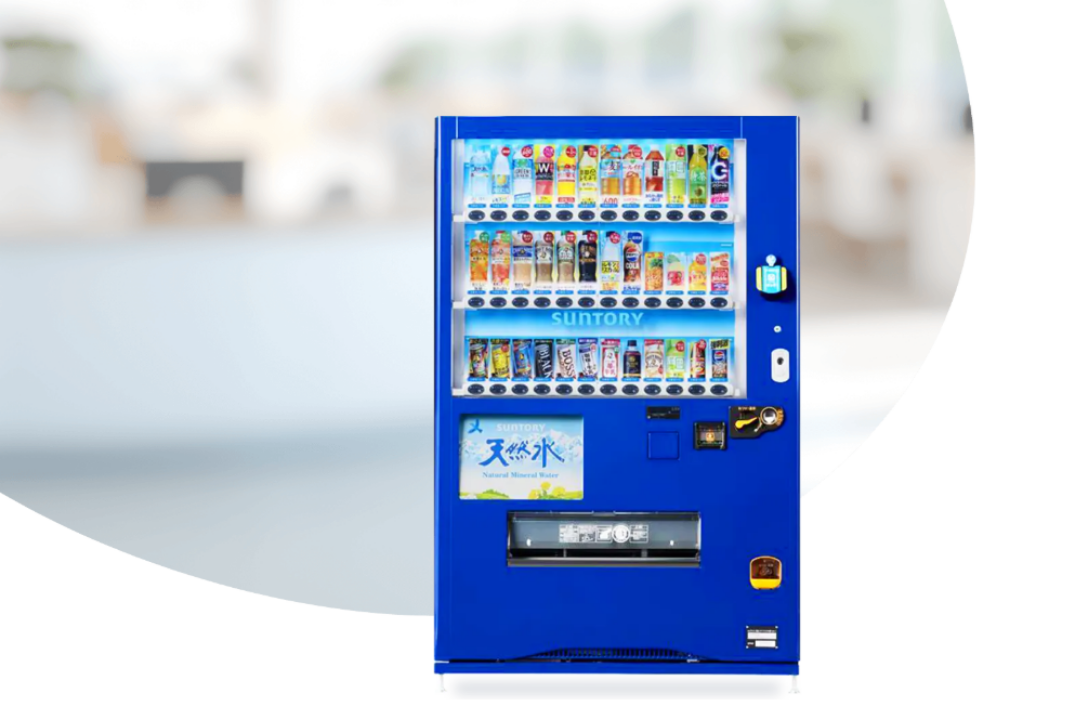
Many Japanese beverage vending machines are designed to sell both cold and hot drinks at the same time. The inside of the machine is divided into multiple product sections, with each section equipped with either cooling or heating systems. This allows a single vending machine to offer chilled beverages and warm drinks at the same time.
Japanese vending machines also often adjust their product selection by season. During summer, the number of cold drink options increases, while winter brings more hot beverages such as coffee, tea, and soup. This flexible operation based on seasonal demand is another distinctive feature of Japan’s vending machine culture.
In this way, the hot drink function is made possible through technology that maintains beverages at an appropriate temperature while they are stored and sold. The ability to purchase a warm drink almost anywhere in Japan has become one of the defining features of the country’s unique vending machine culture.
A System That Allows One Machine to Sell Both Cold and Hot Drinks
One of the most distinctive features of Japan’s vending machines is their ability to sell both cold and warm beverages from a single machine. In many countries, vending machines are equipped only with cooling systems, meaning drinks are generally sold chilled. In contrast, Japanese beverage vending machines are designed with both heating and cooling systems, allowing different types of drinks to be offered at different temperatures from the same unit.
Inside a vending machine, products are divided into multiple storage sections, with each section equipped with temperature control functions. Cold drink sections use cooling units to keep beverages cold, while hot drink sections use heaters and warming systems to keep canned drinks at a consistent temperature. This structure allows one vending machine to display both “COLD” and “HOT” products side by side, creating a unique sales style commonly seen in Japan.
Another important factor is the compatibility with canned beverages. Since the 1970s, canned coffee has become widely popular in Japan as a product suited for vending machine sales. Cans have strong sealing properties and can maintain product quality even when heated, making them suitable for storage inside vending machines at controlled temperatures. The concept of selling warm canned coffee through vending machines developed through technological advances by both beverage manufacturers and vending machine companies.
How Japanese Vending Machines Sell Hot and Cold Drinks
Japanese vending machines are also characterized by their ability to adjust product selections by season. During winter, more hot beverages are added, while summer brings a larger selection of cold drinks. For example, winter vending machines may offer hot coffee, sweet red bean soup (oshiruko), and corn soup, while summer selections often include sports drinks and carbonated beverages. By changing their lineup to meet seasonal demand, vending machines function as everyday infrastructure year-round.
Various safety measures also help deliver hot beverages reliably. Hot drinks are usually maintained at around 50 to 60 degrees Celsius, which is warm enough to drink immediately while helping reduce the risk of burns. Some vending machines are also designed to stop selling products that have remained heated for too long, preventing beverages from being stored at high temperatures beyond the appropriate period.
In this way, Japan’s vending machine hot drink function is supported by a combination of sales mechanisms, beverage packaging technology, temperature control systems, and seasonal operation strategies. It is not simply a feature for selling warm drinks, but an important part of the wider vending machine culture that has developed throughout Japan.
The Demand for Convenient Hot Drinks During the Cold Season
The development of Japan’s vending machine hot drink function is closely connected to the country’s climate and beverage culture. Japan experiences clear seasonal changes, and many regions face significantly lower temperatures during winter. When people spend time outdoors in cold weather, demand for warm beverages naturally increases. In response, vending machines gradually developed the ability to provide hot drinks.
How Canned Coffee Helped Transform Japanese Vending Machines
In the 1970s, canned coffee became increasingly popular in Japan. Beverage companies introduced canned coffee as a convenient drink to enjoy outdoors, and vending machines became one of the main sales channels for these products. At the time, however, selling only cold coffee during the winter months created a challenge, as demand decreased in colder weather. This led to a growing need for a system that could sell coffee in a warm state.
To address this challenge, vending machine manufacturers developed technology that could heat canned beverages inside the machine before sale. By using heating systems to keep drinks at a controlled temperature, consumers could buy warm canned coffee even in winter. This technology began spreading in the late 1970s, and vending machines equipped with hot drink functions gradually became common throughout Japan.
How Winter Demand Shaped Japan’s Hot Drink Vending Machines
The widespread outdoor installation of vending machines in Japan also contributed to the popularity of this feature. Vending machines can be found in many locations, including train stations, streets, tourist areas, and office districts. The convenience of quickly purchasing a warm drink outdoors in cold weather became a major advantage for users.
In addition, Japan’s vending machine market is one of the most competitive in the world. Beverage companies and vending machine manufacturers have continuously developed new features to differentiate their products. Among these innovations, the hot drink function became widely adopted because it matched Japanese consumers' needs and habits.
Japan’s vending machine hot drink function developed through a combination of factors, including the country’s climate, the popularity of canned coffee, and the growth of the vending machine industry. The ability to easily purchase a warm drink outdoors, even in cold weather, has become one of the defining features of Japan’s unique vending machine culture.
Hot Drinks Integrated into Everyday Life as Part of Japan’s Urban Infrastructure
Source: Suntory Homepage
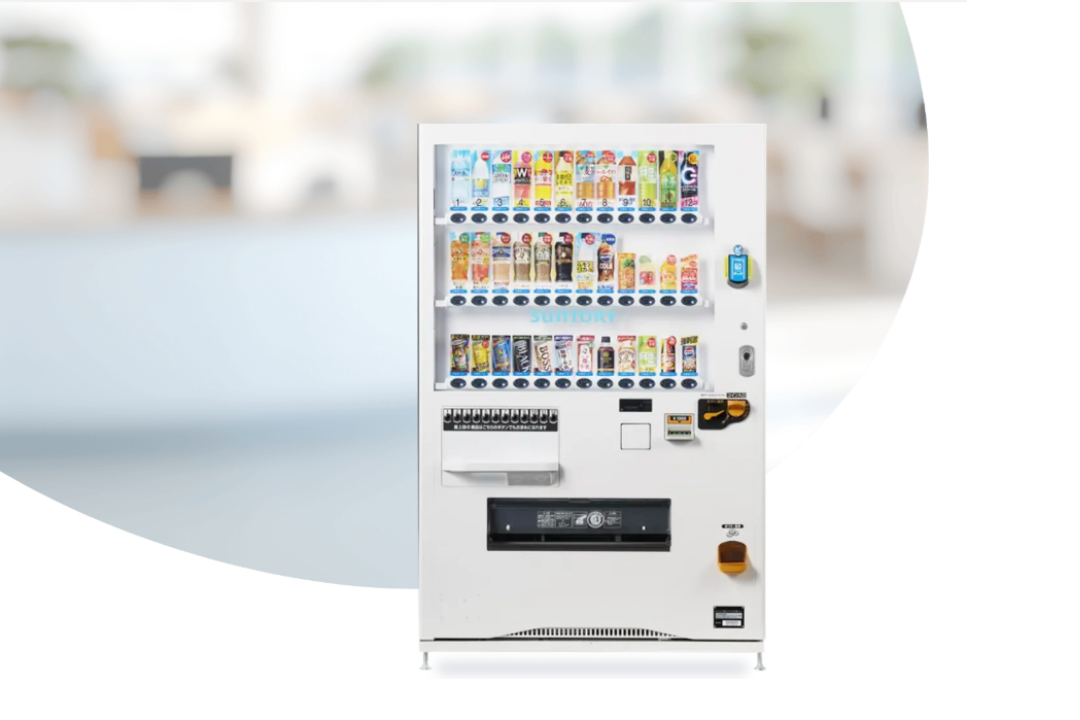
Japan’s vending machine hot drink function has become a natural part of everyday life. Warm beverages can be purchased from vending machines installed in a wide range of locations, including train stations, office districts, residential areas, tourist destinations, and even along roads in mountainous regions. During the colder months, many people buy hot drinks while commuting or going to school, making these vending machines a familiar part of the Japanese winter landscape.
The most iconic product is canned coffee. Japan has a large market for coffee beverages sold through vending machines, and hot coffee has become a standard winter item. In urban areas, it is common to see office workers buying warm canned coffee from a vending machine on their way to work and drinking it while walking.
The Rise of Hot Drinks in Japan’s Vending Machine Culture
Hot drink options are not limited to coffee. Japanese vending machines offer a wide variety of warm beverages, including green tea, roasted green tea (hojicha), milk tea, cocoa, corn soup, and sweet red bean soup (oshiruko). These selections often change with the seasons, with more hot beverages introduced in winter. Because vending machines have limited storage space, operators prioritize products that match seasonal demand.
Hot drinks from vending machines are also highly suited for outdoor activities. For example, at winter tourist destinations, ski resorts, and service areas, the ability to quickly purchase a warm drink provides significant convenience. Even in places where convenience stores or cafés are not nearby, vending machines make it easy to access hot beverages.
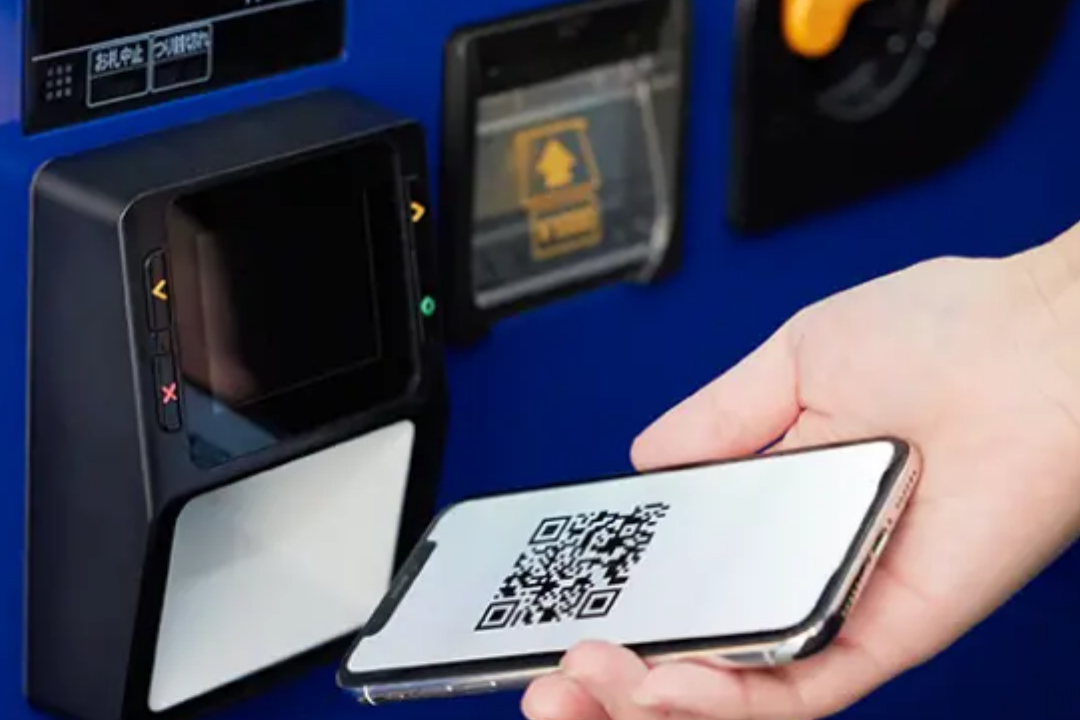
In recent years, more vending machines have also introduced cashless payment options, including electronic money and QR code payments. With transportation IC cards and smartphone payments, customers can buy drinks without carrying cash. These payment innovations have further strengthened vending machines as convenient urban infrastructure.
Hot drinks from vending machines have become deeply integrated into daily life in Japan. The ability to quickly buy a warm beverage, even in cold weather, plays an important role not only in urban life but also in tourism and travel.
A High-Density Vending Machine Infrastructure Rarely Seen Around the World
Japan’s vending machine hot drink culture stems from its unique vending machine infrastructure. Japan has one of the highest densities of vending machines in the world, with machines installed not only in urban areas but also in rural communities, tourist destinations, and residential neighborhoods. This extensive vending machine network allows the hot drink function to operate as an everyday service rather than a special feature.
In many countries, vending machines are often found only in limited locations such as airports, shopping malls, or major transportation hubs. In Japan, however, vending machines are integrated into daily life. They can be found in a wide range of places, including outdoor streets, train stations, office buildings, parking areas, and highway service areas. In such an environment, being able to purchase a warm drink outdoors quickly provides significant convenience.
Japanese vending machines are also known for their high level of product management. Beverage companies and operators regularly restock products, maintain temperature settings, and check machine conditions to ensure stable operation. For hot drinks, maintaining product quality while keeping beverages at a consistent temperature is especially important. Effective temperature control and inventory management systems play a key role in supporting the reliability of Japan’s vending machine services.
The Technology Behind Japan’s Hot Drink Vending Machines
The technological capabilities of Japanese beverage manufacturers and vending machine companies are another major factor. Over time, companies have developed advanced heating systems that maintain drinks at safe temperatures, along with machine structures that can manage both cooling and heating functions. These technologies allow a single vending machine to sell both cold and hot beverages simultaneously.
Japan’s relatively safe social environment has also contributed to the development of vending machine culture. Because outdoor vending machines face comparatively lower risks of vandalism or theft, they can be installed in a wide variety of locations. This has helped create an environment where people can purchase beverages almost anywhere.
Japan’s vending machine hot drink function is not based on technology alone. It has been made possible through a combination of factors, including a dense vending machine network, efficient product management systems, advanced technology, and social conditions that support outdoor installations. Few countries combine all these elements, making this feature one of the most distinctive aspects of Japan’s vending machine culture.
Why Japan’s Vending Machine Culture Has Gained Global Attention
Although Japan’s vending machine hot drink feature is less common in other countries, it has attracted growing international interest in recent years. Many foreign visitors are surprised to discover that they can purchase warm beverages from vending machines in Japan, and an increasing number of travelers share this experience through social media and videos. The ability to easily buy a warm canned coffee or tea on the street has become a memorable part of their Japan travel experience.
In many countries, vending machines mainly sell cold beverages. Even when hot drinks are available, they are often made on the spot in coffee machines. The Japanese system of heating and selling pre-packaged canned beverages is still relatively uncommon overseas. As a result, many international visitors are surprised when they select a product marked “HOT” and receive a warm can of coffee or tea.
A Small but Memorable Part of the Japan Travel Experience
Japanese vending machines are also sometimes introduced as a unique tourism attraction. Overseas media outlets and travel guides often highlight the variety and convenience of vending machines found throughout Japanese cities. Beyond beverages, the wide range of products available through vending machines has attracted attention as a distinctive part of Japan’s everyday infrastructure.
Japanese vending machine technology has also drawn interest from companies overseas. Japanese manufacturers have refined vending machine systems that incorporate temperature control, product management, and efficient operation over many years. As a result, Japanese vending machine companies have provided equipment for overseas markets, allowing Japanese technology to be used internationally.
However, the widespread culture of selling hot beverages through vending machines, as seen in Japan, is still not common worldwide. Differences in climate, vending machine placement, and consumer beverage habits mean the Japanese model cannot always be directly applied in other countries. Even so, Japan’s vending machine culture has become recognized globally as a unique example of convenience and everyday innovation.
The hot drink function of Japanese vending machines has attracted international interest as part of Japan’s daily life and consumer culture. Through tourism and media coverage, the uniqueness of this system continues to spread worldwide.
A Japanese Service Created Through the Combination of Convenience and Infrastructure
Source: Suntory Homepage
One reason Japan’s vending machine hot drink function attracts overseas attention is that it reflects the unique characteristics of Japan’s everyday infrastructure. In Japan, being able to purchase a warm drink almost anywhere in the city is considered normal, but in many countries this level of convenience is uncommon. This accessibility is often introduced as an example of Japan’s urban environment and service-oriented culture.
For international visitors, one particularly impressive feature is the ability to buy warm beverages from outdoor vending machines. The system lets people quickly enjoy hot coffee or tea on a street corner, even in the cold season, making it a symbol of the convenience of everyday life in Japan. The fact that drinks can be purchased even in places without nearby convenience stores or cafés also creates a memorable experience for tourists.
Japanese vending machines also function as more than simple sales devices. They are part of the country’s social infrastructure, operating 24 hours a day and widely installed in both urban and rural areas. Within this extensive network, the ability to provide warm beverages represents a distinctive aspect of Japan’s service culture and has attracted international interest.
The technology behind these systems has also received attention. Maintaining beverages at a consistent temperature while storing and selling them inside a vending machine requires a combination of temperature-control and product-management technologies. Japan's vending machine industry has refined these systems over years of development, and they are sometimes presented as examples of Japanese manufacturing expertise and service design.
In this way, the hot-drink function of Japanese vending machines is not simply a way to sell beverages. It has become a symbol of Japan’s living environment and service culture. By combining convenient urban infrastructure with technology designed around consumer needs, this system represents one of the unique services that reflects Japan’s approach to everyday convenience.
Conclusion
The hot drink function of vending machines is one of the defining features of Japan’s vending machine culture. By heating beverages such as canned coffee and tea inside the machine, it allows people to easily purchase warm drinks outdoors, even in cold weather. Developed through the combination of Japan’s climate, beverage culture, and advances in vending machine technology, this service has become deeply integrated into everyday life.
Following the growing popularity of canned coffee in the 1970s, technology was developed to provide warm beverages through vending machines. Today, hot drinks are widely available from vending machines throughout Japan. Japanese vending machines have continued to evolve with features such as the ability to sell both cold and hot beverages from the same machine and seasonal adjustments to product selections based on consumer demand.
Japan’s extensive vending machine infrastructure also supports this system. Installed in a wide variety of locations, vending machines function as 24-hour everyday services used during commuting, school trips, tourism, and travel. The ability to quickly purchase a warm drink during cold weather has become a familiar convenience for many people.
In recent years, more foreign visitors have noticed this unique feature and shared their experiences on social media and other online platforms. The ability to buy warm beverages from outdoor vending machines is still uncommon in many parts of the world, making it a distinctive example of Japanese daily life and service culture.
The hot-drink function of vending machines is more than just beverage-sales technology. It is a uniquely Japanese lifestyle service created by combining climate, consumer habits, technological development, and a highly developed vending machine infrastructure. As an example of Japan’s convenient urban environment, this system will likely continue to attract interest both within Japan and internationally.
FAQ About Hot Drink Function in Japanese Vending Machines
1. What Is The Hot Drink Function In Japanese Vending Machines?
The hot drink function in Japanese vending machines uses internal heating units to keep beverages such as canned coffee and tea at a controlled temperature before sale. Drinks are generally maintained at around 50–60°C, allowing customers to enjoy them soon after purchase. The ability to sell both cold and hot beverages from the same vending machine is another unique feature of Japan’s vending machine culture.
2. Why Do Japanese Vending Machines Sell Hot Drinks?
Japan experiences clear seasonal changes, and demand for warm beverages increases in winter. To meet this demand, vending machines developed the ability to provide hot drinks. Since canned coffee became popular in the 1970s, hot-drink functions have become a common winter service offered by many vending machines across Japan.
3. What Temperature Are Hot Drinks Sold At?
Hot drinks are generally sold at around 50–60°C. This temperature provides a warm drinking experience while remaining comfortable to hold and consume shortly after purchase. Although the exact temperature varies by machine and product, vending machines are designed with safety and drinkability in mind.
4. How Can The Same Vending Machine Sell Both Hot And Cold Drinks?
The inside of a vending machine is divided into multiple product sections, each equipped with cooling or heating systems. This allows some products to be stored at cold temperatures while others are kept warm. As a result, one vending machine can provide drinks at different temperatures depending on customer preferences and seasonal demand.
5. What Types Of Hot Drinks Are Available From Japanese Vending Machines?
Japanese vending machines offer a wide variety of hot beverages, including canned coffee, green tea, roasted green tea (hojicha), milk tea, cocoa, corn soup, and sweet red bean soup (oshiruko). Available products vary by season and location, with more warm beverage options typically appearing in winter.
6. Are Hot Drinks Managed With Quality And Safety In Mind?
Japanese vending machines are designed to maintain beverages at appropriate temperatures while preserving product quality. Some machines include systems that prevent products from being sold after being heated for too long. Regular restocking and maintenance also help ensure safe operation and consistent quality.
7. Are Vending Machines With Hot Drink Functions Available Overseas?
Hot drink vending machines do exist in other countries, but many operate more like coffee machines that prepare drinks on demand. The Japanese system of heating and selling pre-packaged canned beverages is relatively uncommon overseas and is often recognized as a unique feature of Japan’s vending machine culture.
8. Why Are Hot Drink Vending Machines Popular Among Foreign Visitors?
In many countries, vending machines mainly sell cold beverages, so visitors are often surprised to find they can buy warm canned coffee or tea from outdoor machines in Japan. The convenience of finding vending machines throughout cities and using them 24 hours a day also attracts attention. Many travelers introduce this unique Japanese service through social media and video platforms.
9. Are Hot Drinks Only Available During Winter?
Many vending machines mainly sell hot drinks during colder months. Availability depends on the region and location, but hot beverages often appear around autumn and remain available until early spring. As seasons change, vending machine product selections are adjusted, with cold drinks becoming the main focus during summer.
10. Will The Hot Drink Function Of Vending Machines Become More Common In The Future?
As technologies such as cashless payments and IoT systems continue to develop, vending machines are expected to become even more convenient. However, the hot drink function has grown alongside Japan’s climate, consumer habits, and extensive vending machine infrastructure. It is likely to remain a service closely associated with Japanese daily life. As global interest in Japanese vending machine technology increases, this system may also continue to attract attention as a reference model overseas.
Related Videos
If you're interested in Japan's unique vending machine culture, the video below explores how hot drinks are sold from vending machines during the colder months. This video highlights the convenience and seasonal design that make Japanese vending machines a distinctive part of everyday life.