
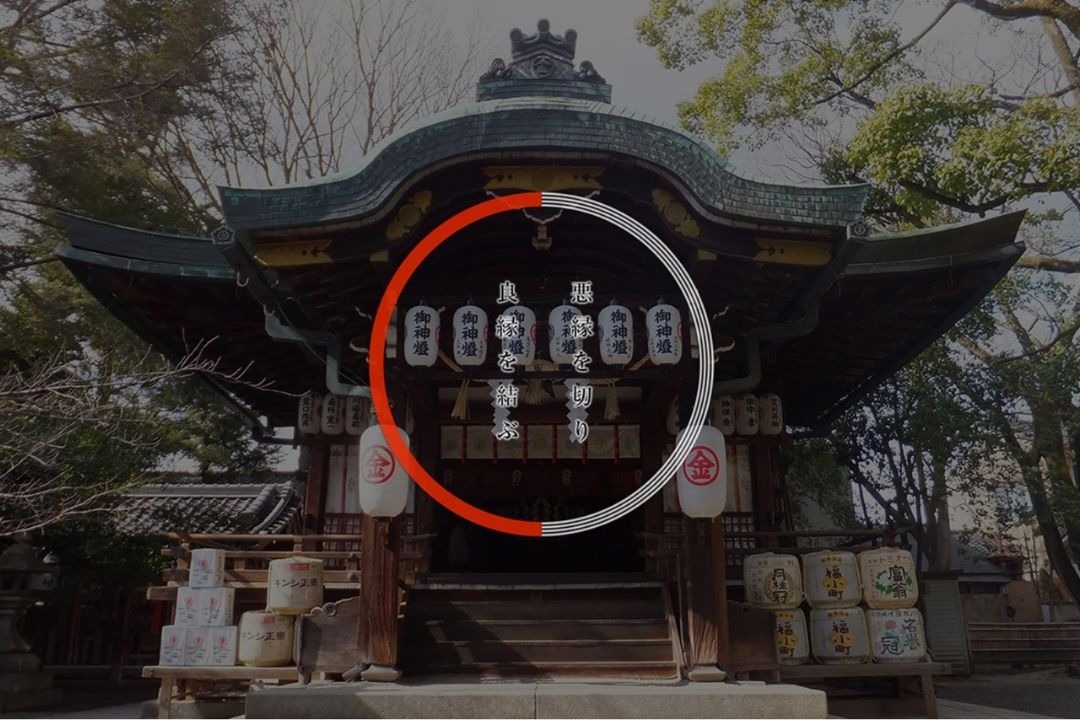
Kyoto is a city filled not only with historic buildings and beautiful gardens, but also with quiet spaces that invite reflection and prayer. Among them, Yasui Konpiragu in Higashiyama stands out for its distinctive purpose. Known as a shrine for severing negative ties, it attracts visitors from around the world who come to cut away harmful connections and welcome positive ones.
The word en (“connection”) extends far beyond relationships with people. It also includes work, habits, environments, dependencies, and even personal doubts or attachments. These ties shape our lives, and at times they become burdens that cloud the heart. Yasui Konpiragu offers a space to release these unwanted ties and rediscover the courage to take a fresh step forward.
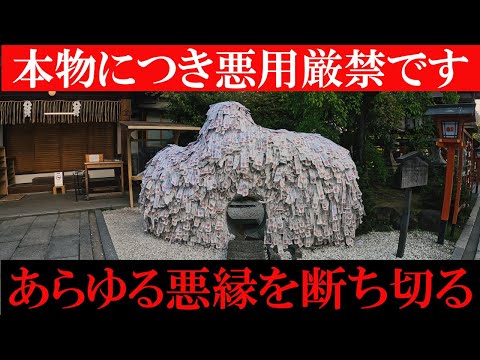
At the center of the shrine is the Enkiri Enmusubi Stone, a massive stone covered with small paper slips called katashiro, on which visitors write their wishes. A hole runs through the middle, just large enough for a single person. Passing through from front to back is said to sever bad connections, while returning from back to front invites good ones. The ritual creates a memorable and symbolic experience for visitors.
This act is more than a sightseeing novelty. By writing down personal worries or weaknesses and physically moving through the stone, participants symbolically shed their inner attachments and doubts. Many say they leave with a sense of lightness and renewed strength.
Kyoto is home to countless temples and shrines, but Yasui Konpiragu offers a uniquely modern theme: resetting one’s life and reorganizing personal connections. For visitors from Europe and North America, the appeal goes beyond architecture. The hands-on, reflective form of prayer encourages people to think about their own lives as they participate.
Yasui Konpiragu Overview
Located in Higashiyama, Yasui Konpiragu is widely known for blessings that cut harmful ties and form positive ones. The shrine enshrines three deities: Emperor Sutoku, who is also worshipped as a protector of maritime safety and journeys; Ōmononushi no Kami; and Minamoto no Yorimasa. At the heart of the grounds stands the Enkiri Enmusubi Stone, where visitors write wishes on a katashiro, attach it to the stone, and crawl through its opening to pray for the release of negative ties and the formation of good ones. This unique ritual has gained attention both in Japan and abroad, making the shrine a popular destination for travelers in Kyoto.
A distinctive feature of this shrine is its interpretation of enkiri (“severing ties”). Here, it does not imply cursing others or wishing misfortune upon them. Instead, it represents freeing oneself from entanglements, unhealthy relationships, or habits that restrict one’s life. Prayers are not limited to romance; they also relate to work, lifestyle, and inner struggles, offering a place for anyone seeking a reset.
The Enkiri Enmusubi Stone Experience
Source: Yasui Konpiragu Homepage
The Enkiri Enmusubi Stone, about 1.5 meters tall and 3 meters wide, sits at the heart of the shrine. It is covered with countless katashiro, and a 50-centimeter-wide hole runs through the middle, just large enough for someone to crouch and pass through. Crawling through this opening is considered the shrine’s most symbolic act.
Severing Bad Ties and Inviting Good Fortune
Visitors first receive a katashiro at the shrine office and write their wish and name on it. They then pass through the stone from front to back to sever bad ties, return from back to front to invite good ones, and finally attach the paper to the stone to complete the ritual.
The action is deeply symbolic. Bending and moving through the hole represents moving forward in life and leaving behind what holds you back. Because the ritual is visual and participatory, it has become popular on social media. Although many people take photos, the act itself remains quiet and contemplative, leaving a lasting impression.
Modern Interpretation of Cutting Off Bad Connections
While “cutting ties” may sound like ending relationships, at Yasui Konpiragu, it has a broader meaning. Connections include all influences in life, not only those involving others.
These may include dependency, unhealthy habits, irregular routines, stressful work environments, or self-critical thoughts. The shrine offers a place to release these burdens and start again. The katashiro often bear wishes such as “I want to organize my relationships,” “I want to take a new career path,” or “I want to regain my health.” Many people seek freedom from inner struggles, showing how the shrine’s ancient faith aligns with modern needs.
Here, “severing ties” is not a superstitious act. It is a moment to face oneself and let go of what no longer serves you. Passing through the stone becomes a symbolic gesture of letting go of the past and placing hope in the future. Many visitors describe feeling lighter afterward, perhaps due to the ritual’s psychological effect.
A Mindfulness Experience for International Visitors
For Western travelers, the idea is equally compelling. It provides not only an introduction to Japanese spirituality but also an experience that resonates with themes of mindfulness and personal growth. Yasui Konpiragu is, in many ways, a shrine for restoring one’s life direction, linking ancient beliefs with contemporary values.
Offerings, Katashiro, and Ema

Source: Yasui Konpiragu Homepage
Visitors can also leave prayers through katashiro, ema (wooden plaques), and protective charms. The katashiro, shaped like human figures, carry names and wishes that are then attached to the stone. The layers of paper create a striking visual that represents the accumulated hopes of visitors from around the world.
Visualizing Wishes Through Paper, Wood, and Sacred Objects
Ema with messages about severing bad ties or forming positive ones are also popular, often involving romance or marriage. International visitors frequently write in their own languages, giving the shrine a global atmosphere. Protective charms for health, studies, or general good fortune are also available, with the “cutting and forming ties” charm especially notable for its design.
These offerings are more than souvenirs. They allow visitors to visualize their prayers and integrate their intentions into daily life. Writing on a katashiro, hanging an ema, or carrying a charm helps reinforce ongoing personal growth and reflection.
Access and Practical Guide
Yasui Konpiragu is located in Higashiyama and is within walking distance of Gion and Kiyomizu-dera, making it easy to add to a Kyoto sightseeing route. The nearest stations are Gion-Shijo Station (Keihan Main Line) and Kawaramachi Station (Hankyu Kyoto Line), each about a 10–15 minute walk away. City buses also stop at “Higashiyama Yasui.” Many visitors stop by on their way to Kiyomizu-dera or Yasaka Shrine.
A visit usually takes 30–60 minutes, including the stone ritual, choosing an ema or charm, and walking around the grounds. Weekends and holidays can be crowded, so mornings offer a quieter experience. Comfortable clothing is recommended, as you'll need to bend or kneel to pass through the stone, which may require extra care if you’re wearing a skirt or fitted clothes.
The grounds are open 24 hours, while the shrine office is open from 9:00 a.m. to 5:30 p.m. for katashiro and charms. The nighttime atmosphere is calm and almost magical. The official website also has an English page explaining the rituals, making it easy for international visitors to participate.
Recognition and Media Coverage in Japan

Source: Yasui Konpiragu Homepage
Yasui Konpiragu has been widely featured in Japan through online platforms. Japanese newspapers, local television programs, and travel-related websites have introduced it for its enkiri ritual.
The shrine is commonly discussed on Japanese blogs and review sites, where visitors can share their personal experiences. This steady presence has helped establish Yasui Konpiragu as a well-known shrine associated with enkiri, the severing of negative ties.
Conclusion
Yasui Konpiragu encourages visitors to reflect, organize their hearts, and take a new step forward through the practice of “cutting ties.” Its central location makes it accessible, and its spiritual depth provides a meaningful experience.
Everyone carries unwanted connections or burdens. Releasing these ties and inviting new ones is not just ritualistic; it is a universal psychological process. Passing through the stone and entrusting wishes to a katashiro symbolize this transformation.
The shrine’s offerings create a tangible form of prayer that visitors can carry into their daily lives. For travelers from overseas, Yasui Konpiragu provides a way to meaningfully engage with Japanese spiritual culture while connecting with familiar themes of mindfulness and self-care.
Among Kyoto’s many temples and shrines, Yasui Konpiragu stands out as a place where people come to transform themselves. Even a short visit can help clear the mind and inspire the courage to move forward.
If you visit Kyoto, consider taking the time to reflect on your own “connections” at Yasui Konpiragu. The countless katashiro covering the stone contain prayers from around the world. Adding your own may give you the strength to walk a renewed path in life.
FAQ About Yasui Konpiragu
1. Is The Tie-Cutting Shrine A Scary Place?
No. The “relationship-cutting” at Yasui Konpiragu is not about wishing harm on others, but about letting go of unnecessary relationships, habits, or attachments. It is widely seen as a place for a positive reset.
2. How Do You Pray At The Tie Cutting And Bonding Stone?
Write your wish on a paper doll (katashiro), pass through the stone from front to back to cut negative ties, then return from back to front to form positive connections. Finally, attach the paper to the stone to complete the ritual.
3. What Kind Of “Ties” Can Be Cut?
Not only romantic or personal relationships, but also addictive behaviors, stressful environments, and negative thought patterns. It is seen as a way to let go of what holds you back and move forward into a new state.
4. Do Many People Feel Its Effects?
Many visitors report feeling mentally lighter and more positive after visiting. Rather than physical changes, it often promotes emotional clarity and self-reflection.
5. Is It Okay To Visit As A Tourist?
Yes. While many visit as tourists, it is recommended to approach the shrine with a calm and respectful mindset when making wishes. You can take part while enjoying it as an interactive form of prayer.
6. What Time Of Day Is Best To Visit?
Morning is generally less crowded, making it a calmer time for worship. Visits are also possible at night; however, if you wish to receive items such as a katashiro or protective charms, they should be made during the day when the shrine office is open.
7. Are There Any Clothing Or Preparation Tips?
Visitors are required to crouch when passing through the stone, so comfortable, flexible clothing is recommended. Skirts or restrictive attire may make the process uncomfortable.
8. What Is The Meaning Of Ema And Protective Charms?
They serve to visualize one’s wishes. By taking items such as an ema or protective charm home, visitors can carry their prayers into daily life and keep their intentions top of mind even after the visit.
9. Why Is It Popular Among International Visitors?
The experience of confronting one’s inner self resonates with ideas like mindfulness and self-care, making it appealing beyond Japan.
10. What Is The Shrine’s Biggest Appeal?
Its “action-based prayer” experience is the biggest appeal. Writing, passing through, and attaching the wish creates a tangible process that helps clarify intentions and mark personal turning points.
Related Videos
If you're interested in Japan’s spiritual traditions, the video below introduces Yasui Konpiragu, a Kyoto shrine known for helping people reset their hearts and move forward. This video shows how visitors take part in rituals to cut off negative ties and welcome new beginnings.