Toothbrushes are among the most common everyday products used by people around the world. They are replaced regularly, yet most are made from plastic and continue to remain in the environment long after they have served their purpose.
This often-overlooked reality has become an important part of the global conversation surrounding plastic waste and environmental sustainability.
Against this backdrop, Japan has introduced a new alternative: the biodegradable toothbrush. More than just an environmentally friendly product, it represents a new approach to making daily oral care a more sustainable practice.
In recent years, growing awareness of ocean plastic pollution, microplastic contamination, and sustainable consumption has fundamentally changed how consumers evaluate products. Increasingly, purchasing decisions are influenced not only by performance and convenience, but also by environmental impact. Everyday household items are particularly important because individual choices accumulate into a significant collective effect on society’s environmental footprint.
Japan’s biodegradable toothbrush has emerged as a product that successfully combines practicality, sustainability, and thoughtful design. It offers a tangible response to global environmental challenges while maintaining the high standards expected of daily oral care products.
This article explores what biodegradable toothbrushes are, the unique value they offer, their track record in Japan, and their potential in international markets, all from the perspective of overseas consumers seeking more sustainable lifestyle choices.
MISOKA Biodegradable Toothbrush Overview
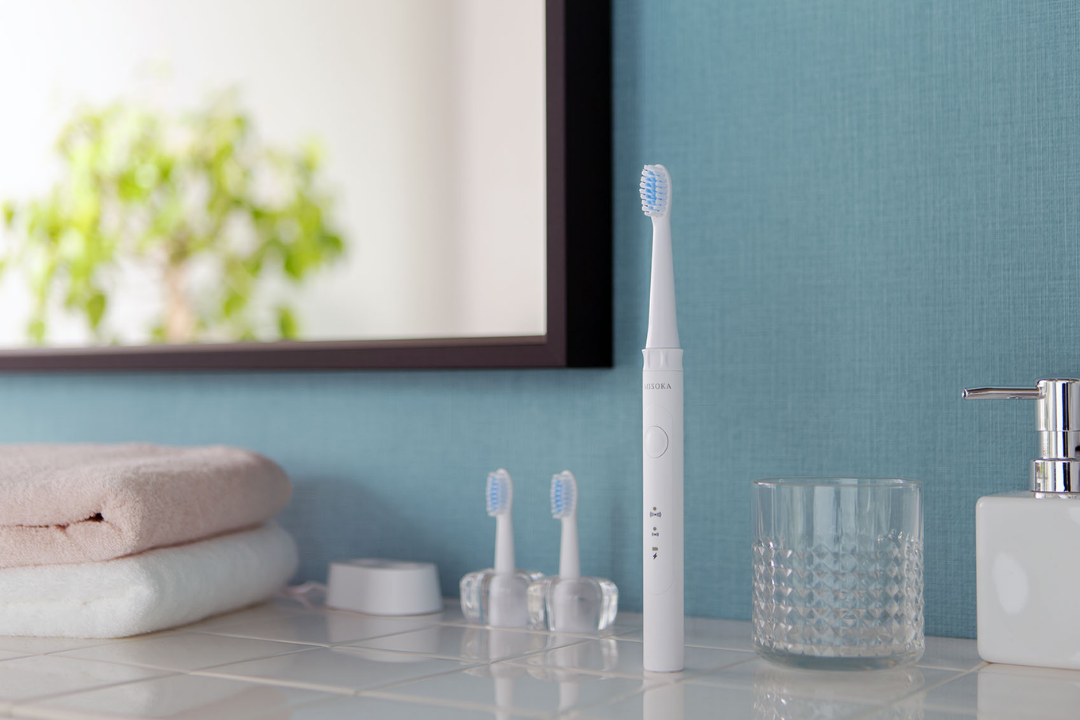
MISOKA is a Japanese toothbrush brand that combines innovative oral care technology with environmentally conscious design. Developed by YUMESHOKUNIN CO., LTD., MISOKA is best known for its proprietary nano-mineral coating technology, which allows users to brush effectively using only water, without the need for toothpaste.
In addition to its unique functionality, MISOKA has attracted attention as part of the growing movement toward sustainable consumer products. By reducing reliance on disposable oral care materials and incorporating environmentally friendly design principles, the brand offers an alternative for consumers seeking more sustainable daily habits.
Unlike many eco-friendly products that require compromises in performance, MISOKA emphasizes both usability and quality. Its minimalist Japanese design, comfortable brushing experience, and focus on practical innovation have helped the brand gain recognition in Japan and abroad.
What Is a Biodegradable Toothbrush?
Source: MISOKA Homepage
A biodegradable toothbrush is a toothbrush made from materials that can naturally break down after disposal through the action of microorganisms and other environmental processes, eventually returning to the soil. Unlike conventional toothbrushes made from petroleum-based plastics, biodegradable toothbrushes are typically produced using plant-based or natural materials.
In terms of functionality, biodegradable toothbrushes are designed for everyday use just like standard toothbrushes. They do not require any special handling or additional knowledge, making them easy to incorporate into existing oral care routines. This practicality is one of their key advantages for consumers. Rather than being an environmentally friendly product that sacrifices convenience, the biodegradable toothbrush represents a sustainable alternative that maintains everyday usability.
While biodegradable toothbrushes are often priced slightly higher than conventional mass-market toothbrushes, they generally remain accessible compared to many other eco-conscious consumer products. They are increasingly being purchased through subscription programs and as gifts, reflecting a growing trend toward value-driven consumption. As a result, the biodegradable toothbrush is emerging as a symbol of choosing sustainability through everyday products.
Why Was This Product Created?
The development of biodegradable toothbrushes, and particularly innovative Japanese products such as MISOKA, stems from a desire to rethink everyday habits and combine advanced technology with sustainability.
One of MISOKA’s defining features is its nano-mineral coating technology. The bristles are coated with microscopic mineral particles, including magnesium, calcium, and sodium, at the nanoscale level. This technology allows users to brush effectively with water alone, without the need for toothpaste. As the teeth are brushed, the minerals help create a smooth, polished surface while reducing the adhesion of stains and plaque.
Rethinking Daily Habits
Behind this innovation is a broader ambition: to make everyday routines more sustainable. Toothbrushing is an activity performed daily by billions of people around the world, yet the environmental impact of the products and processes associated with oral care has often been overlooked. MISOKA was developed from the perspective that even ordinary daily habits can be redesigned to reduce waste and encourage more conscious consumption.
The brand’s philosophy is not centered on asking consumers to make extraordinary environmental sacrifices. Instead, it seeks to integrate sustainability naturally into daily life. While conventional oral-care products have evolved around the use of toothpaste, MISOKA challenged that assumption by creating a toothbrush that can be used with water alone. This approach demonstrates how functionality and environmental responsibility can coexist, reflecting a broader tradition of Japanese product design that emphasizes practical innovation.
In this sense, MISOKA and similar biodegradable toothbrushes are the result of two converging ideas: technological advancement and the redefinition of everyday value. Rather than being a niche eco-friendly concept, these products were created to address growing environmental concerns while encouraging more sustainable habits through simple daily actions. This combination of innovation, usability, and environmental awareness is what distinguishes them from conventional oral-care products.
Why Japanese Biodegradable Toothbrushes Are Gaining Attention
Biodegradable toothbrushes are by no means a uniquely Japanese invention. However, products developed in Japan are gaining recognition for reasons that extend beyond environmental sustainability alone. Their appeal lies in a multi-layered approach to value creation that combines functionality, design, and user experience.
From a technical standpoint, Japanese biodegradable toothbrushes are designed to deliver the durability and brushing performance expected of everyday oral care products while incorporating plant-based or natural materials. Products used in wet environments often face deterioration, yet Japanese manufacturers prioritize quality and reliability for daily use.
How Japanese Design Integrates Sustainability and Function
From a cultural perspective, these products reflect a distinctly Japanese belief that everyday essentials should never require compromise. Careful attention is paid to details that are difficult to quantify, including visual simplicity, tactile comfort, and the sense of satisfaction that comes from using the product. This commitment to refining the user experience is characteristic of Japanese craftsmanship and product design.
Beyond functionality, biodegradable toothbrushes also create a meaningful connection between a routine daily habit and broader environmental responsibility. By choosing a more sustainable option, users can incorporate environmentally conscious behavior into their lives without significantly changing their routines. In this sense, a biodegradable toothbrush is more than an oral care product; it is a practical way to make sustainability part of everyday life.
Manufacturing and Quality Control
Source: MISOKA Homepage
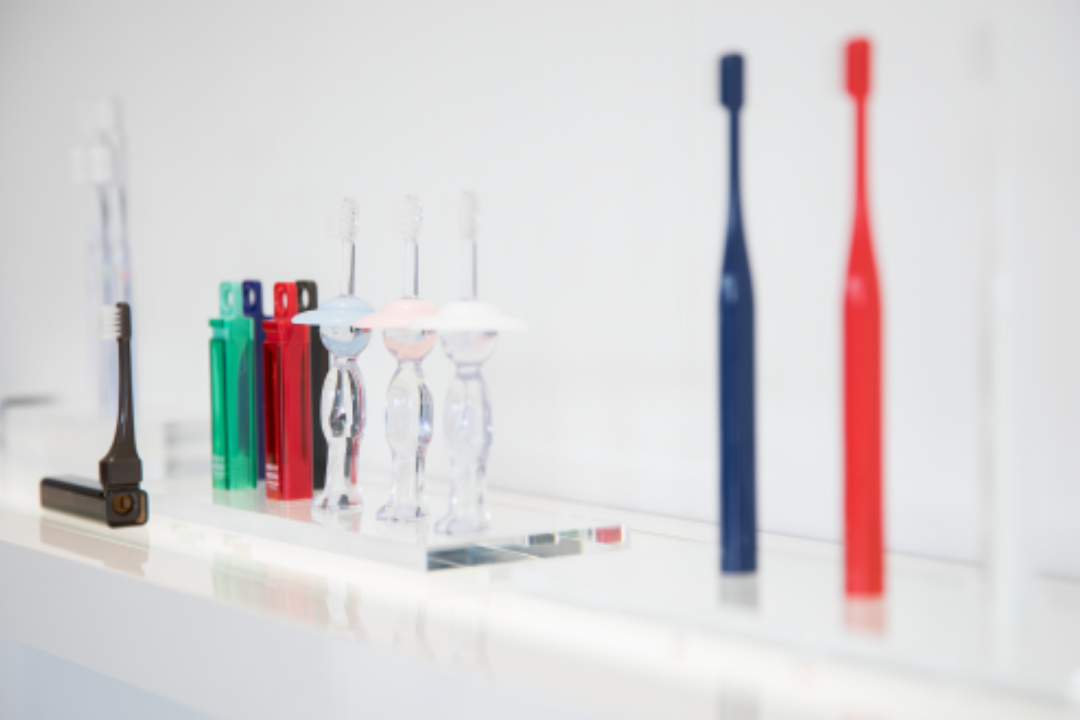
Biodegradable toothbrushes are products that must meet strict quality standards as everyday essentials, not just environmental expectations. For this reason, Japan-made products place particular emphasis on manufacturing systems and quality control throughout the production process.
At the material selection stage, manufacturers prioritize not only biodegradability but also safety for use in the mouth. Materials must be safe for the human body while also being durable enough to withstand repeated use and constant exposure to moisture. Identifying materials that satisfy all of these requirements is, in itself, a challenging process.
The manufacturing process goes beyond simply shaping the product. Factors such as brushing comfort, durability, and overall user experience are carefully tested and evaluated. Because toothbrushes are used every day, products that deteriorate after only a few uses are unlikely to gain consumer trust, regardless of their environmental benefits. Japanese biodegradable toothbrushes are designed with the expectation that they will remain comfortable and effective throughout their entire usable lifespan.
This commitment to quality is closely tied to the broader reputation of Japanese manufacturing. For overseas consumers, the fact that a product is made in Japan often serves as an important indicator of reliability and craftsmanship when making purchasing decisions.
User Experience & Reviews
One of the most distinctive aspects of user feedback on biodegradable toothbrushes is the significant gap between expectations before use and impressions after use.
Many users initially assume that products made from natural or biodegradable materials will be less comfortable to use or less durable than conventional toothbrushes.
However, actual user reviews often describe the experience differently, with comments such as, “It feels no different from a regular toothbrush,” or even, “It feels gentler and more comfortable in the mouth.” These testimonials reinforce the idea that biodegradable toothbrushes are not eco-products that require compromise, but everyday products that deliver genuine user satisfaction.
Many reviews also highlight a psychological shift, with users commenting that they have become more conscious of environmental issues each time they brush their teeth, or that even small daily actions can make a meaningful difference.
This suggests that biodegradable toothbrushes are more than functional products; they can serve as catalysts for changes in behavior and awareness.
Among international users, there is also appreciation for the minimalist design and underlying philosophy often associated with Japanese products, contributing to support based on both practical performance and cultural value.
Market Recognition in Japan
Biodegradable toothbrushes have already established a solid presence and reputation in the Japanese market.
They are frequently featured in lifestyle publications as well as media focused on environmental issues and sustainability, where they are introduced as a new and more responsible option for everyday oral care.
From a sales perspective, biodegradable toothbrushes have moved beyond being a temporary trend and are becoming a product that consumers continue to choose over time. Their popularity as subscription items and gift products also reflects a high level of user satisfaction and repeat demand.
On social media, users often share comments such as, “It’s environmentally friendly without compromising comfort,” and “The design is beautiful and fits naturally into my lifestyle.” These organic endorsements have helped generate ongoing interest and awareness.
In particular, biodegradable toothbrushes have gained strong support among environmentally conscious consumers and those who place a high value on thoughtful lifestyle choices.
They are also available through department stores, select shops, and tourism-related retail outlets, reinforcing their position as everyday products that embody uniquely Japanese values. This established presence provides an important foundation for future expansion into international markets.
Potential for International Expansion and Global Appeal
Source: MISOKA Homepage
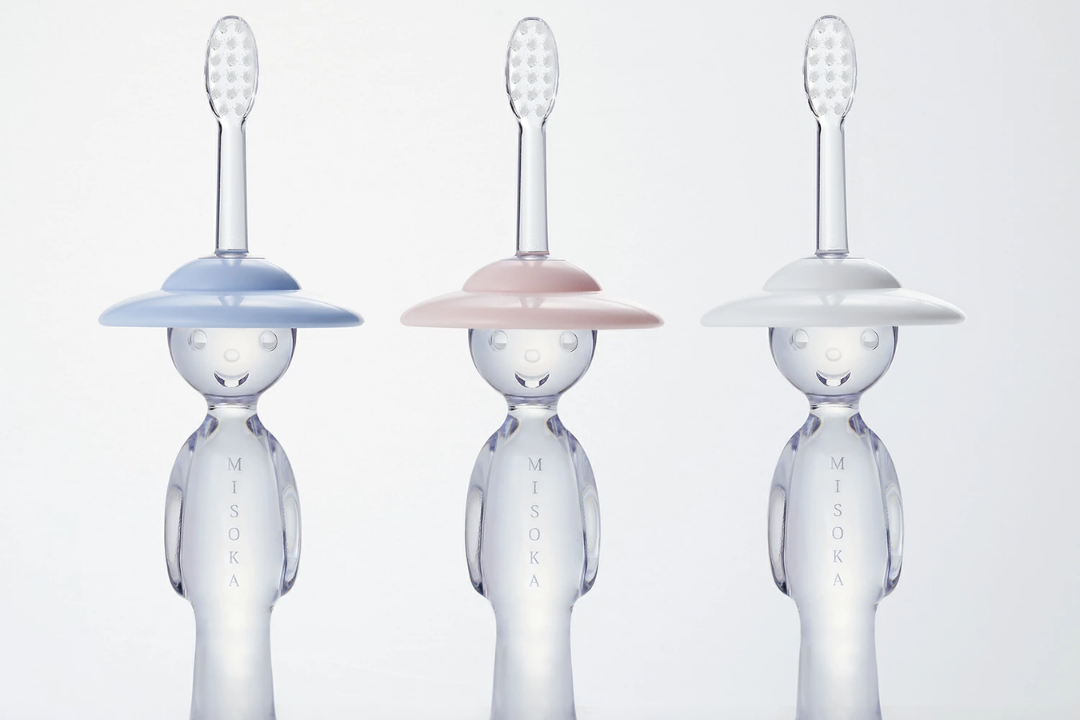
Biodegradable toothbrushes are products with a remarkably low barrier to adoption in global markets. Brushing one's teeth is a universal daily habit, with little variation in usage or understanding across cultures. As a result, the value of the product is easy to communicate and intuitively understood.
In Europe, growing efforts to reduce plastic waste have increased interest in alternative materials for everyday consumer goods. In North America, ethical consumption and sustainable lifestyles have become increasingly mainstream, and personal purchasing decisions are often viewed as expressions of social values.
Urban consumers across Asia are also becoming more conscious of health and wellness, leading to growing demand for products that combine both quality and purpose.
Within these markets, Japanese biodegradable toothbrushes are well positioned to deliver multiple forms of value at once: environmental responsibility, high quality, and reliability.
As sustainable products that can be incorporated into everyday life without requiring major lifestyle changes, biodegradable toothbrushes are likely to gain even greater recognition and demand in the years ahead.
Conclusion
Biodegradable toothbrushes are among the most symbolic examples of sustainable consumer products. This is because toothbrushing is a universal habit, practiced by people around the world on a daily basis and repeated throughout their lives.
The fundamental value of biodegradable toothbrushes lies in their ability to reduce environmental impact and influence consumer awareness simply by replacing a small part of an everyday routine.
Japanese biodegradable toothbrushes are not chosen simply because they are environmentally friendly. Rather, they succeed because they deliver a high-quality user experience, allowing consumers to make a more sustainable choice without compromising on performance or comfort. This approach challenges the common perception that sustainable products require sacrifice or compromise. By combining practicality, quality, and environmental responsibility, biodegradable toothbrushes offer a model that is likely to become increasingly relevant in the global marketplace.
Overseas companies should pay attention to this category because tightening environmental regulations and changing consumer expectations are no longer temporary trends, but long-term shifts. In the consumer goods sector, purchasing decisions are increasingly influenced not only by price and functionality, but also by the values a product represents.
A key strength of biodegradable toothbrushes is that they have already proven both their practicality and market viability in Japan. Rather than remaining a concept, they are products that are actively used and supported by consumers, providing reassurance for companies considering international expansion or partnerships.
Partnerships in this space create mutual value. International companies can strengthen their sustainable product offerings and better engage environmentally conscious consumers, while Japanese manufacturers can share their craftsmanship and values globally, gaining access to new markets and valuable customer feedback.
A biodegradable toothbrush is more than just an oral care product; it represents a simple way to make sustainability part of everyday life. Small daily choices can collectively contribute to broader environmental awareness and change. As demand for sustainable products continues to grow worldwide, Japan’s approach to biodegradable toothbrushes offers a compelling model for the future of everyday consumer goods.
FAQ About Disposable Biodegradable Toothbrush
1. What Is a Biodegradable Toothbrush?
A biodegradable toothbrush is a toothbrush made from materials that can be broken down by microorganisms and other natural processes, helping reduce environmental impact after disposal. It has gained attention as an eco-friendly everyday product that allows people to make more sustainable choices without changing their daily oral care routine.
2. How Does It Differ From a Conventional Toothbrush?
The main difference is that biodegradable toothbrushes are designed with their end-of-life impact in mind. Most conventional toothbrushes are made from petroleum-based plastics, which can remain in the environment for many years after disposal. Biodegradable toothbrushes use materials that help reduce environmental impact, considering not only their use but also what happens after they are thrown away.
3. Are Eco-Friendly Toothbrushes Less Convenient to Use?
No. Modern biodegradable toothbrushes are designed to offer both environmental benefits and everyday usability. Because toothbrushes are used daily, manufacturers place significant emphasis on brushing comfort, durability, and overall user experience. The goal is not to ask consumers to sacrifice convenience for sustainability, but to create products that fit naturally into everyday life.
4. Why Is It Important to Address Environmental Issues Through Toothbrushes?
Toothbrushes are everyday items used by billions of people and replaced regularly. While the environmental impact of a single toothbrush may seem small, the cumulative effect of global consumption results in a significant amount of waste. Biodegradable toothbrushes help raise environmental awareness by making sustainable choices accessible through a simple daily habit.
5. Where Are Biodegradable Toothbrushes Being Used?
In addition to personal use, biodegradable toothbrushes are increasingly used as hotel and ryokan amenities and as promotional items for businesses. The hospitality industry, in particular, has shown growing interest in these products as part of broader efforts to reduce plastic waste associated with disposable amenities.
6. Why Are Japanese Biodegradable Toothbrushes Receiving Attention?
They are valued not only for their environmental benefits but also for their quality as everyday products. Rather than simply replacing materials, Japanese manufacturers often focus on maintaining comfort, functionality, and design. This balance between sustainability and usability has helped position them as long-lasting, practical alternatives to conventional toothbrushes.
7. What Makes Biodegradable Toothbrushes Appealing to International Markets?
One of their greatest strengths is how easy they are to adopt. Brushing teeth is a universal daily habit, regardless of country or culture, so there is no need to learn new behaviors or routines. As a result, biodegradable toothbrushes offer a simple and accessible way for consumers worldwide to make more sustainable choices in their daily lives.
8. Are There Distinctively Japanese Characteristics in Biodegradable Toothbrushes?
Yes. One distinctly Japanese aspect is the idea of addressing large societal issues through small everyday actions. Rather than approaching environmental challenges only through major changes, biodegradable toothbrushes encourage sustainability through daily habits. They also reflect Japan's attention to craftsmanship, considering not only function but also comfort, feel, and ease of continued use.
9. Why Are Biodegradable Toothbrushes Expected to Become More Popular?
Sustainability is increasingly becoming part of everyday purchasing decisions rather than a niche concern. Just as consumers pay attention to how food and clothing are produced, more people are considering what everyday products are made from and what happens to them after disposal. Biodegradable toothbrushes are gaining attention as a practical alternative that aligns with these changing consumer values.
10. What Is the Greatest Advantage of a Biodegradable Toothbrush?
The greatest advantage is that it allows people to make environmentally conscious choices without significantly changing their lifestyle. Rather than requiring special effort or restrictions, it simply involves choosing a different type of toothbrush for a daily routine that already exists. By turning environmental responsibility into an everyday habit, biodegradable toothbrushes make sustainability more accessible and achievable.